

If you want to keep your dog safe while giving them freedom to roam, choosing the best GPS shock collar is key. You need a device that tracks your dog’s location accurately and helps you correct unwanted behavior without causing harm.
You’ll discover top options that combine reliable GPS tracking with effective training features. By the end, you’ll know exactly which collar fits your dog’s needs and your peace of mind. Keep reading to find the perfect balance between control and care for your furry friend.

Credit: www.youtube.com
Benefits Of Gps Shock Collars
GPS shock collars offer many benefits for dog owners and their pets. These devices combine training tools with tracking technology. They help improve training results and keep dogs safe. Owners gain better control and peace of mind.
Enhanced Training Accuracy
GPS shock collars deliver precise signals to the dog. This accuracy helps dogs learn commands faster. Owners can correct behavior exactly when needed. It reduces confusion and speeds up training progress. Clear feedback leads to better obedience.
Real-time Location Tracking
These collars show your dog’s location instantly. You can see where your dog is on a map. This feature prevents dogs from getting lost or wandering too far. It is useful during outdoor activities. Knowing your dog’s location brings calm to every walk.
Improved Safety For Dogs
GPS shock collars enhance dog safety in many ways. They alert owners if dogs leave safe areas. The collars help avoid dangers like traffic or wild animals. Immediate location updates support quick action. Dogs stay safe, and owners feel more secure.
Credit: jprstudies.org
Key Features To Consider
Choosing the right GPS shock collar for your dog means knowing which features matter most. These features impact how well the collar works and how safe it is for your pet. Focus on important factors to get the best fit for your dog’s needs.
Each feature affects the collar’s reliability and ease of use. Understanding these can help you make a smart choice.
Range And Coverage
Range shows how far the collar can track your dog. A larger range means more freedom for your pet. Coverage should be strong in your area. Urban or rural settings may need different range sizes.
Battery Life And Charging
Battery life tells how long the collar works before charging. Longer battery life means less worry. Fast charging helps get the collar ready quickly. Some collars use replaceable batteries, others have rechargeable ones.
Shock Intensity Levels
Shock levels control the strength of the correction. Multiple levels let you choose what suits your dog. Start with the lowest level to keep your pet safe. Adjustable levels help train gently and effectively.
Water Resistance And Durability
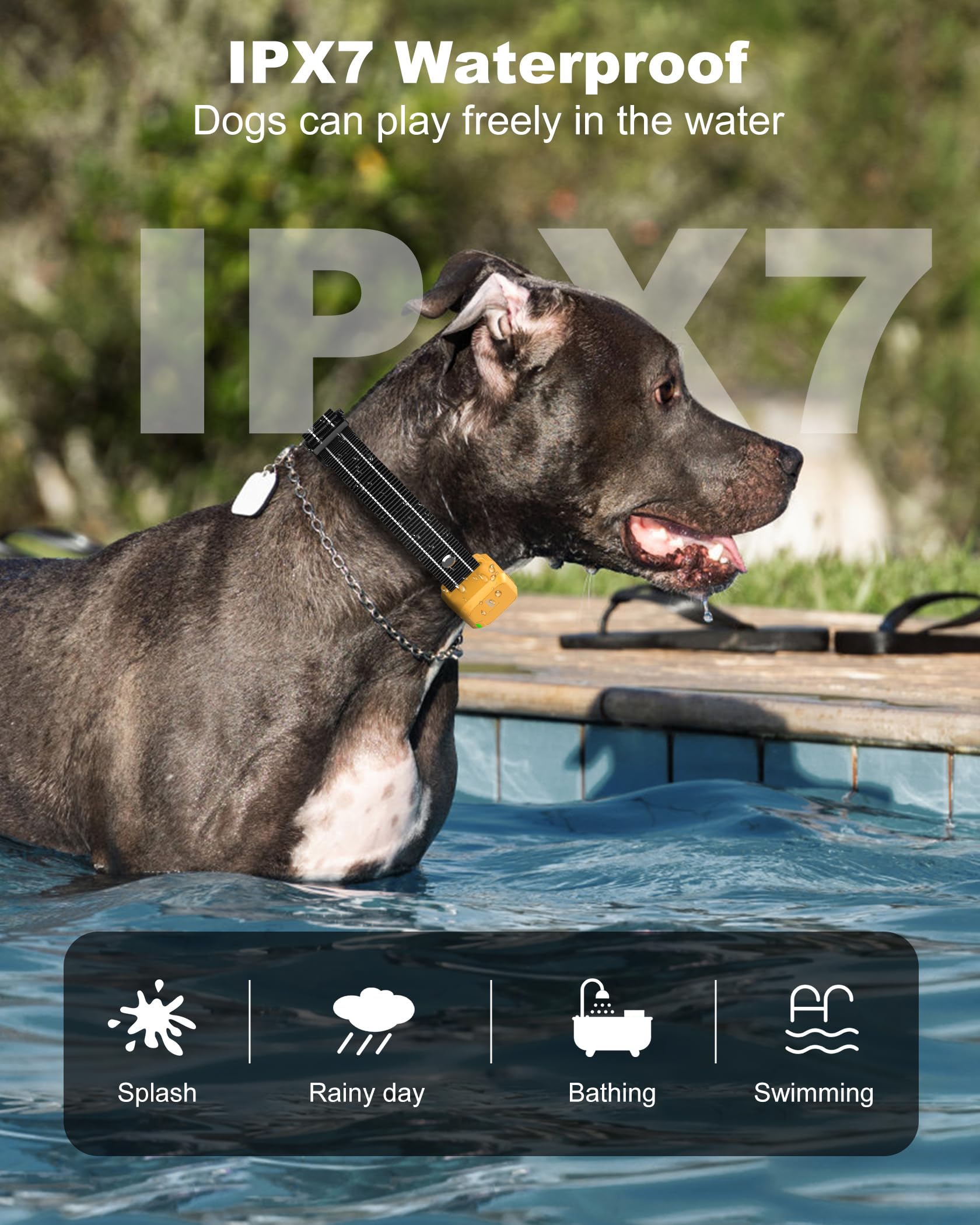
Water resistance protects the collar from rain or splashes. Some collars can even handle swimming. Durable materials keep the collar safe from damage. This means the collar lasts longer and stays reliable.
User-friendly Controls
Easy controls make the collar simple to use. Clear buttons and displays help adjust settings fast. Some collars connect to apps for remote control. User-friendly designs reduce frustration for pet owners.
Top Gps Shock Collars In 2024
Choosing the right GPS shock collar helps keep dogs safe and close. These collars combine tracking and training features. They allow owners to know their dog’s location and guide behavior effectively. In 2024, many models offer new features and improved technology. Here are some top GPS shock collars for different needs and budgets.
High-end Models
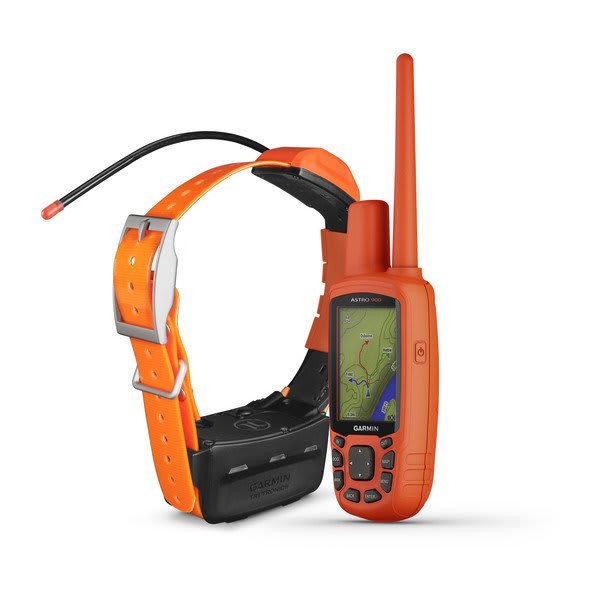
High-end GPS shock collars provide accurate tracking and multiple training modes. These models usually have long battery life and strong signals. Many include smartphone apps for easy control. Features often include adjustable shock levels and vibration alerts. These collars suit owners wanting advanced technology and reliability.
Budget-friendly Options
Budget-friendly collars offer basic tracking and training features at a lower cost. They may have shorter battery life and fewer settings. Despite this, many provide reliable GPS tracking and safe shock levels. These collars work well for owners new to GPS collars or on a tight budget.
Best For Large Breeds
Collars for large breeds are built tough to handle strong dogs. They usually have bigger GPS units and stronger shocks. These models often have wider straps and durable materials. Designed to fit comfortably on big necks, they ensure safe and effective training.
Best For Small To Medium Breeds
Small to medium breed collars focus on comfort and lightweight design. The GPS units are smaller and less bulky. Shock levels are gentler to suit sensitive dogs. These collars provide accurate tracking without adding too much weight. Ideal for dogs that need a softer touch.
How To Choose The Right Collar
Choosing the right GPS shock collar for your dog is important. The right collar keeps your dog safe and helps with training. Many options exist, but not every collar fits every dog. Think about your dog’s needs and your goals. This guide helps you find the best fit.
Assessing Your Dog’s Needs
Consider your dog’s size and breed. Small dogs may need lighter collars. Large dogs need strong, durable collars. Think about your dog’s behavior. Active dogs may need more features. Calm dogs might need simpler collars. Check if your dog has sensitive skin. Some collars may cause irritation. Choose a collar that suits your dog’s unique needs.
Matching Collar Features To Training Goals
Decide what you want to achieve. Do you want to stop barking or improve recall? Some collars have sound or vibration alerts. Others include static shock options. Choose collars with adjustable levels. This allows you to control the intensity. Features like GPS tracking help find lost dogs. Pick features that match your training goals.
Considering Your Environment
Think about where you walk your dog. Urban areas may need collars with strong GPS signals. Rural or forest areas require long-range tracking. Water-resistant collars work well for wet conditions. Battery life matters for long outings. A collar with a long-lasting battery fits outdoor use. Choose a collar that fits your daily environment.
Reading Customer Reviews
Look for honest feedback from other dog owners. Reviews show real experiences with collars. Check for common problems or praise. See how the collar performs over time. Pay attention to customer service quality. Reviews help you avoid collars with hidden issues. Use reviews to make a smart choice.
Training Tips With Gps Shock Collars
Training a dog with a GPS shock collar needs care and patience. This tool helps guide your dog safely and effectively. Using it the right way builds trust and good habits.
Below are simple tips to make training smooth and clear for your dog.
Starting Slow And Positive Reinforcement
Begin training in a quiet place with few distractions. Let your dog get used to the collar first. Use treats and praise when your dog follows commands. This keeps training fun and encourages good behavior.
Setting Correct Shock Levels
Choose the lowest shock level that gets your dog’s attention. Too strong shocks can scare or hurt your dog. Adjust levels carefully and watch your dog’s reactions. Comfort is key to effective training.
Combining Gps Tracking With Training Commands
Use GPS to track your dog’s location during training. Call your dog back using clear commands. The collar helps reinforce these commands with gentle reminders. This mix improves obedience and safety.
Avoiding Common Mistakes
Don’t use the collar for punishment or anger. Avoid leaving the collar on too long. Do not skip positive rewards for good behavior. Consistency and kindness lead to better results.
Maintenance And Safety Guidelines
Maintaining your GPS shock collar ensures your dog’s safety and the device’s longevity. Proper care avoids problems and keeps the collar working well. Follow simple steps for regular checks and safe use.
Regular Collar Checks
Check the collar for any damage or wear every day. Look at the strap, buckle, and electronic parts closely. Clean dirt and debris from the collar to prevent skin irritation. Replace worn parts quickly to avoid accidents.
Safe Usage Practices
Use the collar only as instructed by the manufacturer. Avoid using the shock feature too often or at high levels. Make sure the collar fits snugly but not too tight. Never leave the collar on your dog for more than 12 hours.
Battery Care
Charge the collar battery fully before first use. Use only the charger that comes with the device. Avoid overcharging by unplugging once the battery is full. Store the collar in a cool, dry place when not in use.
Handling Malfunctions
Turn off the collar immediately if it behaves strangely. Check the manual for troubleshooting steps. Contact customer support if problems continue. Do not try to fix electronic parts yourself.
Credit: labiosthetique.ee
Frequently Asked Questions
What Is A Gps Shock Collar For Dogs?
A GPS shock collar combines location tracking and training stimulation. It helps locate your dog and correct unwanted behavior remotely. This device is ideal for active or off-leash dogs, providing safety and control simultaneously.
How Does A Gps Shock Collar Work?
The collar uses GPS to track your dog’s position in real-time. It sends a mild shock or vibration when the dog crosses preset boundaries. This alerts your dog to stay within safe zones and follow commands.
Are Gps Shock Collars Safe For Dogs?
Yes, when used properly, GPS shock collars are safe. They deliver low-level stimulation, not harmful shocks. Always follow manufacturer guidelines and monitor your dog’s response to avoid distress or injury.
Can Gps Shock Collars Improve Dog Training?
GPS shock collars aid training by reinforcing boundaries and commands. They offer instant feedback, helping dogs learn faster. Combined with positive reinforcement, they make training more effective and consistent.
Conclusion
Choosing the best GPS shock collar keeps your dog safe and close. It helps track your pet’s location quickly and easily. Many collars offer adjustable settings to suit your dog’s size and behavior. Comfort and durability matter for long-term use.
A good collar supports training without causing harm. Always read instructions and use the device responsibly. This tool can give peace of mind during outdoor activities. Your dog stays protected, and you stay connected. Simple, effective, and reliable—key qualities to consider.


