Choosing the best giant breed family dog can change your life in the best way. Imagine coming home to a loyal friend who is big enough to protect your loved ones but gentle enough to be a kid’s favorite playmate.
You want a dog that fits perfectly into your family, offering love, fun, and safety. You’ll discover the top giant breeds that are known for their friendly nature and strong bond with families. Keep reading to find the perfect gentle giant that will bring joy and warmth to your home every day.
Credit: money.com
Traits Of Giant Breed Dogs
Giant breed dogs are a special group of pets. They stand out because of their large size and strong presence. These dogs often become loving family members. Understanding their traits helps families choose the right giant breed dog. It also prepares owners for their needs and behaviors.
Size And Appearance
Giant breed dogs are much bigger than average dogs. They often weigh over 100 pounds. Their height can reach two to three feet at the shoulder. These dogs have broad heads and thick bodies. Their paws and legs are large and strong. Their coat types vary from short to long and fluffy. Their size demands space at home and careful handling.
Temperament And Personality
Many giant breed dogs are calm and gentle. They usually have a friendly nature. They enjoy being around people and children. These dogs can be protective of their family. Some may be shy or reserved with strangers. Early socialization helps them become well-mannered pets. They often show loyalty and patience.
Exercise And Activity Needs
Giant dogs need daily exercise to stay healthy. They enjoy walks, playtime, and open space. Too little activity can lead to weight gain and boredom. Their joints need care due to their size. Gentle exercise is best for puppies and older dogs. Regular activity keeps their muscles strong and minds sharp.
Benefits Of Giant Dogs For Families
Giant dogs bring many benefits to family life. Their size and personality create a strong bond with all family members. These dogs often become more than pets; they become true family members. Their presence can add comfort, security, and joy to daily routines.
Families enjoy the unique traits giant dogs offer. They balance strength with kindness, making them great companions for children and adults alike. Understanding these benefits helps families choose the right giant breed for their home.
Protective Instincts
Giant dogs naturally protect their families. Their size alone can discourage strangers. Many breeds have strong guarding instincts. They watch over the house and family members. This makes homes safer and gives parents peace of mind.
Gentle Nature With Kids
Despite their large size, giant dogs are often very gentle. They tend to be patient and calm around children. Many love to play and cuddle with kids. Their soft nature helps children feel safe and loved. This builds a strong, loving relationship between dog and child.
Companionship And Loyalty
Giant dogs are known for deep loyalty. They form close bonds with each family member. These dogs enjoy spending time with their people. Their companionship helps reduce stress and loneliness. A loyal giant dog becomes a true friend for life.
Top Giant Dog Breeds For Families
Giant dog breeds can make wonderful family pets. Their large size often comes with a gentle heart. These dogs are known for being loyal and protective. Many giant breeds enjoy spending time with children and adults alike.
Choosing the right giant dog breed helps create a happy home. Each breed has unique traits and care needs. Understanding these helps families pick a dog that fits their lifestyle.
Great Dane
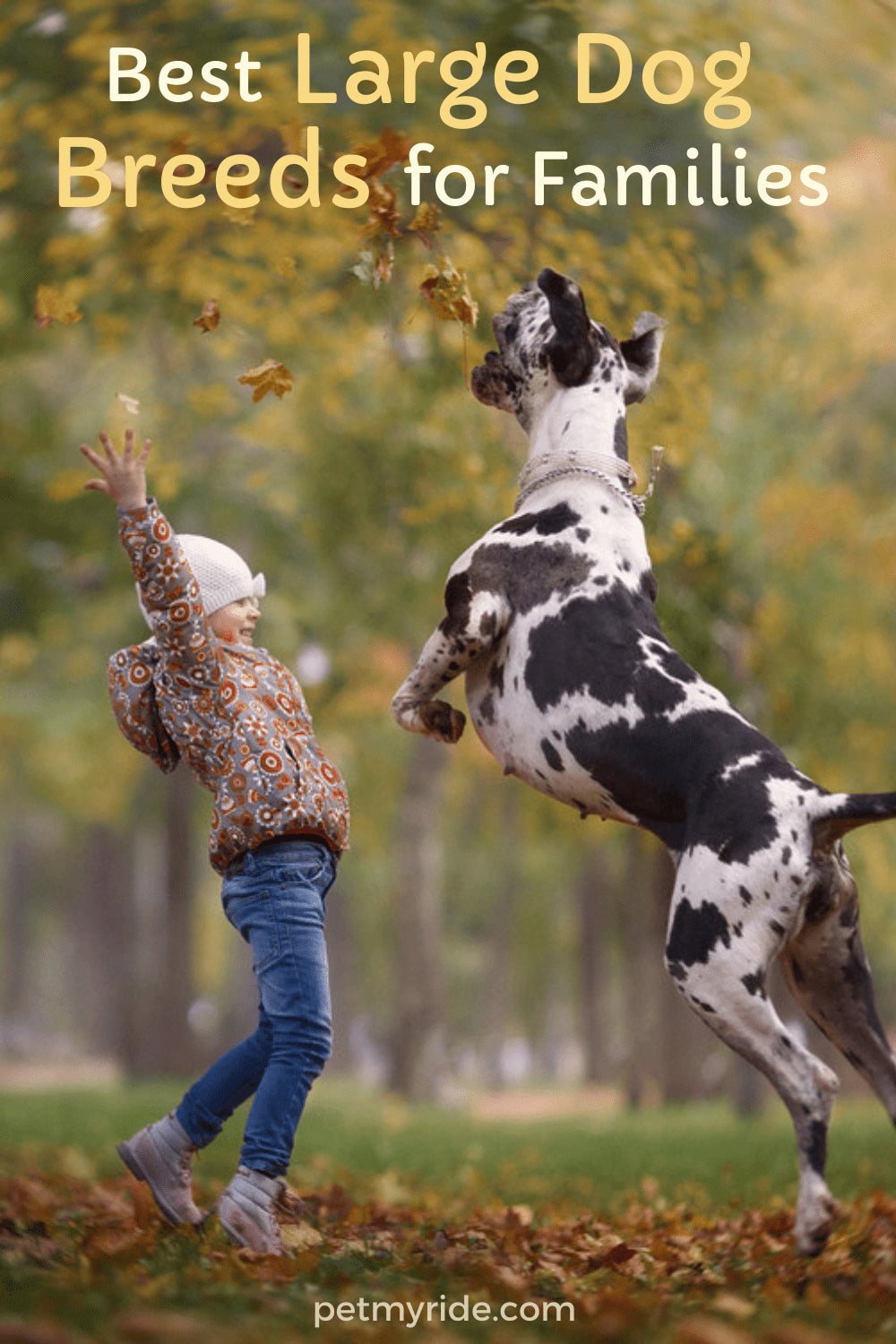
Great Danes are tall and elegant dogs. They are calm and friendly with kids. Despite their size, they are gentle and patient. Great Danes need space to move and regular exercise. They enjoy being part of family activities.
Newfoundland
Newfoundlands are large, strong dogs with soft, thick coats. They are famous for their sweet nature and love of water. These dogs are protective and gentle with children. They require grooming and regular exercise to stay healthy.
Saint Bernard
Saint Bernards are powerful and friendly dogs. They are known for their patience and kindness. These dogs enjoy family time and are good with kids. Their large size needs a good amount of space and care.
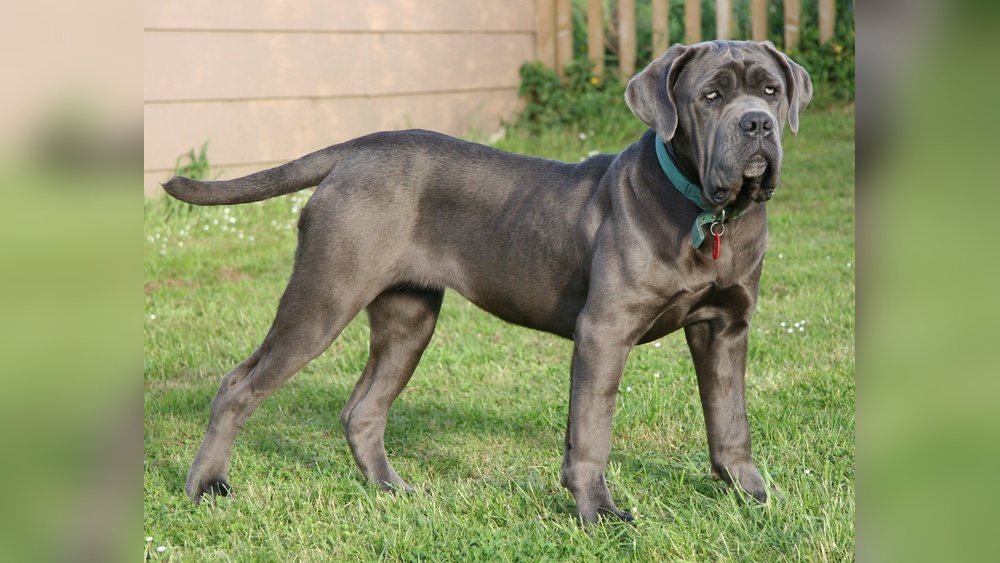
Mastiff
Mastiffs are large and protective dogs. They are calm and loyal to their family members. Mastiffs need proper training and socialization early on. They enjoy quiet time and are great watchdogs.
Leonberger
Leonbergers are big dogs with soft, thick fur. They are gentle giants who love children. These dogs are friendly and enjoy outdoor activities. Regular grooming and exercise keep them happy and healthy.
Credit: www.scala-santa.com
Choosing The Right Giant Dog
Choosing the right giant breed family dog takes thought. These dogs are large and need special care. Each breed has different needs. Understanding these needs helps you pick the best dog for your home.
Think about your space, time, and health concerns before deciding. This makes life better for both you and your new pet.
Space And Living Environment
Giant dogs need plenty of room to move. Small apartments can feel tight for them. A big yard or open space is best. These dogs enjoy fresh air and exercise. Crowded spaces can cause stress and behavior problems. Think about where your dog will sleep and play. Make sure your home suits a large breed’s size.
Time Commitment And Care
Giant dogs need daily exercise to stay healthy. They enjoy long walks and playtime. Grooming can take longer because of their size. Regular brushing keeps their coat clean and healthy. Training is important to manage their strength and size. These dogs thrive with consistent routines and attention. Be ready to spend time caring and bonding with your dog.
Health Considerations
Giant breeds may face specific health issues. Joint problems and heart conditions are common. Regular vet visits help catch problems early. Feeding a balanced diet supports their health and growth. Watch for signs of discomfort or pain. Knowing breed-specific health risks helps you prepare. Proper care can extend your dog’s happy life.
Training Tips For Giant Breeds
Training giant breed dogs needs special care and patience. Their size makes training important for safety and good behavior. Consistent and clear training helps them become well-mannered family members. Focus on social skills and obedience early. Manage their size with proper techniques.
Early Socialization
Start socializing your giant dog as a puppy. Introduce them to different people, pets, and places. This reduces fear and aggression later. Early socialization builds confidence and calmness. Use gentle exposure and praise for good behavior. Keep sessions short and positive to avoid stress.
Basic Obedience
Teach simple commands like sit, stay, and come early. Use clear words and hand signals. Reward your dog with treats or praise. Practice daily for short periods to keep attention. Consistency is key for giant breeds. Obedience training controls their strength and energy.
Handling Size Challenges
Large dogs can be hard to control without training. Use sturdy leashes and collars during walks. Teach your dog to walk calmly beside you. Avoid pulling or lunging by stopping and redirecting. Manage excitement with calm commands and breaks. Train handlers to stay firm but kind.
:strip_icc()/GettyImages-1173294315-0f6688bbdb64442ba63c23c3224c8e04.jpg)
Credit: www.phaae.org
Nutrition And Health Care
Proper nutrition and health care are key for giant breed family dogs. These dogs grow fast and need special care to stay strong. Good food and regular health checks keep them happy and active. Understanding their needs helps prevent problems and supports their long life.
Dietary Needs
Giant breed dogs require food with balanced nutrients. Protein supports their muscles and bones. Healthy fats provide energy and shine their coat. Large breeds need fewer calories per pound than small dogs. Feeding controlled portions prevents obesity. Calcium and phosphorus levels must be right to avoid bone issues. Choose high-quality dog food made for giant breeds.
Common Health Issues
Joint problems affect many giant dogs. Hip and elbow dysplasia cause pain and difficulty moving. Heart disease is common in some breeds. Bloat, a stomach twist, can be life-threatening. Watch for signs like limping, coughing, or swollen belly. Early detection improves treatment success. Preventive care lowers risks and improves quality of life.
Regular Vet Checkups
Schedule vet visits at least twice a year. Vets check weight, teeth, and overall health. Vaccinations protect against diseases. Blood tests detect hidden problems early. Discuss diet and exercise with the vet. Tailored advice helps maintain peak health. Regular visits catch issues before they worsen.
Preparing Your Home For A Giant Dog
Preparing your home for a giant dog needs careful planning. These dogs are large and need space to move. Your house should be safe and comfortable for your new family member. Small changes can make a big difference in their happiness.
Safe Spaces
Create a quiet corner where your dog can rest. Use a large bed that supports their weight. Place the bed away from heavy traffic areas. Make sure the spot is cool in summer and warm in winter. This space helps your dog feel secure and calm.
Durable Supplies
Choose strong bowls that do not tip easily. Buy chew toys made for big dogs. Use a leash and collar that fit well and last long. Avoid items that break or wear out quickly. Durable supplies save money and keep your dog safe.
Managing Shedding And Cleanliness
Giant dogs shed a lot of hair. Brush your dog regularly to reduce loose fur. Use a vacuum designed for pet hair. Clean floors and furniture often. Keep wipes handy for quick cleanups. A clean home is healthy for everyone.
Frequently Asked Questions
What Are The Best Giant Breed Dogs For Families?
The best giant breed dogs for families include the Great Dane, Newfoundland, and Saint Bernard. These breeds are gentle, loyal, and good with kids. They require space and regular exercise to stay healthy and happy in a family environment.
How Much Exercise Do Giant Breed Family Dogs Need?
Giant breed family dogs need moderate daily exercise, such as walks and playtime. This helps maintain their health and prevents obesity. Avoid excessive running or jumping to protect their joints. Regular activity keeps them mentally stimulated and well-behaved.
Are Giant Breed Dogs Good With Children?
Yes, many giant breed dogs are excellent with children. Breeds like the Bernese Mountain Dog and Mastiff are gentle and patient. Proper training and supervision ensure safe interactions. These dogs often form strong bonds with kids and provide great companionship.
What Are Common Health Issues In Giant Breed Family Dogs?
Common health issues in giant breed dogs include hip dysplasia, heart problems, and bloat. Regular vet check-ups and a balanced diet help manage these risks. Early detection and care can improve their quality of life and longevity.
Conclusion
Choosing the best giant breed family dog brings joy and love. These dogs are gentle, loyal, and great with kids. Training and care help them fit well in your home. Remember, each dog has its own personality and needs. Spend time with your dog to build trust and friendship.
Big dogs need space and exercise to stay healthy. Enjoy the happiness that a giant breed dog can bring. A loving giant dog makes family life brighter and fun.