
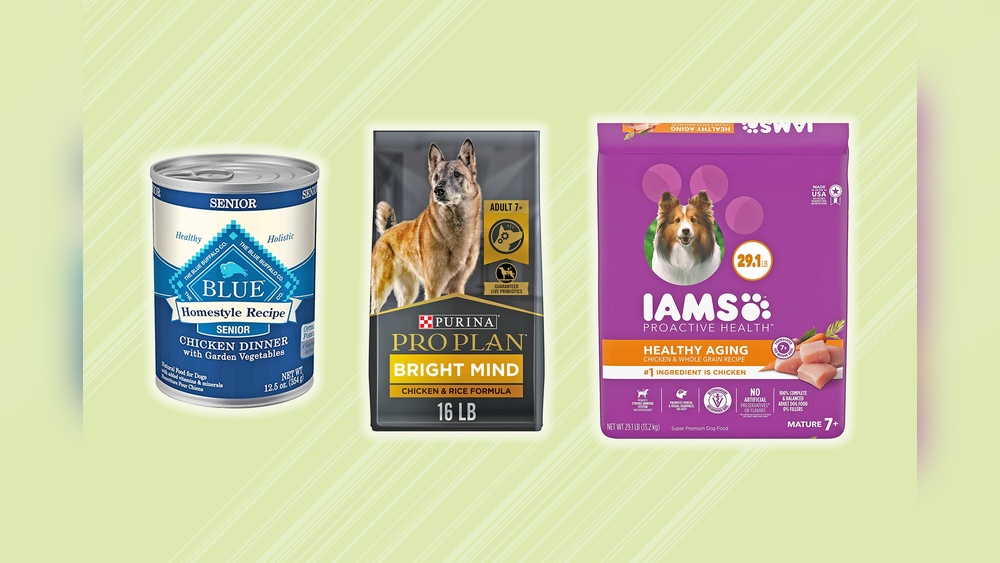
As your dog grows older, their needs change – especially when it comes to food. You want to give your loyal friend the best meals that keep them healthy, happy, and full of energy.
But with so many options out there, how do you know which foods truly support your senior dog’s health? Keep reading to discover the top foods that can help ease joint pain, boost brain function, and keep your furry companion feeling young at heart.
Your dog deserves the best, and you’re just one step away from making mealtime perfect for them.
Nutritional Needs Of Senior Dogs
Senior dogs need special care, especially in their diet. Their bodies change as they age, affecting their nutritional needs. Proper nutrition helps keep them healthy and active. Choosing the right food supports their energy, joints, and overall health.
Changes In Metabolism
Older dogs burn calories slower than young dogs. Their metabolism slows down with age. This means they need fewer calories to avoid weight gain. Less active dogs also use less energy. Adjusting food portions helps maintain a healthy weight. Balanced meals prevent obesity and related problems.
Essential Nutrients For Aging Pets
Senior dogs need more protein to keep muscles strong. High-quality protein supports body repair and maintenance. Omega-3 fatty acids help reduce inflammation and support joints. Fiber aids digestion and keeps the gut healthy. Vitamins and minerals, like calcium and antioxidants, boost immunity and bone health.
Common Health Issues
Old dogs often face joint pain and arthritis. Kidney and liver functions may decline with age. Dental problems can affect eating and nutrition. Digestive issues become more common in senior dogs. Special diets can address these problems and improve quality of life.
Credit: royaltonrooftop.com
Top Proteins For Old Dogs
Protein is important for older dogs. It helps keep their muscles strong and supports overall health. Choosing the right protein can make a big difference in your dog’s energy and well-being. Some proteins are easier to digest and offer extra benefits for aging dogs.
Lean Meats
Lean meats like chicken, turkey, and lean beef provide high-quality protein. They have less fat, which helps maintain a healthy weight. Lean meats support muscle repair and keep joints healthy. These meats are also rich in essential amino acids needed for your dog’s body.
Fish And Omega-3s
Fish such as salmon and sardines are excellent protein sources. They contain omega-3 fatty acids that reduce inflammation. Omega-3s improve joint health and brain function. Fish is gentle on the stomach, making it good for sensitive older dogs.
Plant-based Proteins
Plant proteins like lentils, chickpeas, and peas offer alternative protein sources. They are easy to digest and rich in fiber. Plant proteins provide important vitamins and minerals for aging dogs. These options work well for dogs with allergies or meat sensitivities.
Carbohydrates And Fiber Benefits
Carbohydrates and fiber play important roles in the diet of older dogs. They provide energy and help keep the digestive system healthy. Choosing the right sources of carbs and fiber supports your dog’s overall well-being. These nutrients aid in weight control and prevent digestive problems common in senior dogs.
Whole Grains
Whole grains offer a steady source of energy for old dogs. They contain complex carbohydrates that break down slowly. This helps maintain blood sugar levels and keeps your dog active. Examples include brown rice, oats, and barley. Whole grains also supply important vitamins and minerals.
Vegetables For Digestion
Vegetables are rich in fiber and water content. They help improve digestion and prevent constipation. Carrots, green beans, and pumpkin are gentle on the stomach. These vegetables add bulk to the stool, making bathroom visits easier. They also provide antioxidants that support immune health.
Fiber’s Role In Health
Fiber supports healthy bowel movements and gut bacteria balance. It slows digestion, which helps dogs feel full longer. This can prevent overeating and obesity in senior dogs. Fiber also helps regulate cholesterol and blood sugar levels. A diet rich in fiber supports your dog’s overall health and comfort.
Healthy Fats To Include
Healthy fats are essential for older dogs. They help keep joints flexible and support brain health. Including the right fats can improve skin and coat condition. These fats also provide energy without adding too many calories. Choosing good fats helps your dog stay active and comfortable.
Omega-3 And Omega-6 Sources
Omega-3 and omega-6 fatty acids are vital for senior dogs. Fish oils, such as salmon and sardine oil, are rich in omega-3. Flaxseed oil and chicken fat contain omega-6. These fats reduce inflammation and support heart health. They also help improve memory and reduce arthritis pain. Feed foods with these oils or add supplements after consulting a vet.
Balancing Fat Intake
Too much fat can cause weight gain and health issues. Balance omega-3 and omega-6 to avoid problems. A good ratio helps reduce inflammation and supports healing. Monitor your dog’s weight and energy levels. Adjust fat amounts based on activity and health. Always choose high-quality fats from natural sources.
Vitamins And Minerals For Longevity
Vitamins and minerals play a key role in keeping old dogs healthy. These nutrients help support their body functions and improve quality of life. Good nutrition can help your dog stay active and happy for longer. Focus on foods rich in essential vitamins and minerals.
Antioxidants
Antioxidants protect cells from damage caused by free radicals. Free radicals can speed up aging and cause health problems. Vitamins C and E are powerful antioxidants. They help reduce inflammation and support the immune system. Blueberries, spinach, and sweet potatoes are good natural sources.
Calcium And Bone Health
Calcium keeps bones strong and prevents fractures. Older dogs may lose bone density and become fragile. Foods rich in calcium include yogurt, cheese, and leafy greens. Vitamin D helps the body absorb calcium better. Proper bone health supports mobility and comfort.
Supplements To Consider
Sometimes, food alone is not enough. Supplements can fill gaps in your dog’s diet. Fish oil provides omega-3 fatty acids, which reduce joint pain. Glucosamine supports cartilage and joint health. Always check with a vet before starting supplements. Proper care helps your dog enjoy golden years.
Foods To Avoid For Senior Dogs
Senior dogs need special care in their diet. Some foods can harm their health or cause discomfort. Avoiding certain foods helps keep older dogs safe and happy. Pay close attention to ingredients that may be harmful or hard to digest for them.
Toxic Ingredients
Some foods are toxic and dangerous for senior dogs. Chocolate, grapes, and raisins can cause serious illness. Onions and garlic can damage their red blood cells. Avoid foods with these ingredients at all costs.
High-fat And Sugary Foods
High-fat foods can lead to weight gain and heart problems. Sugary treats increase the risk of diabetes and dental issues. Keep fatty and sweet snacks out of your old dog’s diet. Choose healthier options instead.
Common Allergens
Many senior dogs develop food allergies. Common allergens include wheat, soy, and dairy products. These can cause itching, stomach upset, or ear infections. Watch for signs and avoid foods with these ingredients.
Homemade Vs Commercial Diets
Choosing the right diet for old dogs can be tricky. Homemade and commercial diets both have fans. Each has benefits and challenges. Understanding these helps you decide what suits your dog best.
Homemade meals allow control over ingredients. You can avoid fillers and allergens. Commercial diets offer convenience and balanced formulas. Many are designed for senior dogs’ needs.
Pros And Cons
Homemade diets provide fresh, natural ingredients. You know exactly what your dog eats. This can improve digestion and reduce allergies. But, it takes time and effort to prepare meals. Nutritional mistakes are common without guidance.
Commercial diets save time. They are made to meet dog nutrition standards. Many brands offer senior-specific options. Yet, some contain additives or low-quality fillers. Not all formulas fit every dog’s health needs.
Ensuring Balanced Meals
Balanced nutrition is key for old dogs’ health. Homemade diets must include proteins, fats, and vitamins. Consulting a vet or pet nutritionist is wise. They can help create a complete meal plan. Commercial diets usually meet these needs already.
Check labels carefully on commercial foods. Look for ingredients like real meat and essential nutrients. Avoid artificial colors or preservatives. Keep your dog’s specific health conditions in mind.
Safe Food Preparation Tips
Cleanliness is crucial when preparing homemade meals. Wash your hands and utensils well. Cook meats thoroughly to kill bacteria. Avoid toxic foods like onions, garlic, and chocolate.
Store leftovers properly in the fridge. Use fresh ingredients and avoid spoiled items. Introduce new foods slowly to watch for reactions. Safe preparation protects your dog’s health and comfort.

Credit: portlandpetfoodcompany.com
Feeding Tips For Aging Dogs
Feeding an aging dog requires care and attention. Older dogs have different needs than younger ones. Their metabolism slows down and energy levels drop. Choosing the right feeding habits helps keep them healthy and happy.
Good feeding habits support digestion and maintain weight. They also help with joint health and energy. A well-planned feeding routine is key to your dog’s well-being.
Meal Frequency And Portion Control
Older dogs often do better with smaller, more frequent meals. This helps their digestion and keeps energy steady. Large meals can cause stomach upset or weight gain. Portion control is vital. Measure food carefully to avoid overfeeding. Follow your vet’s advice on daily calorie needs. Balanced portions prevent obesity and related health issues.
Hydration Importance
Water is essential for aging dogs. It helps with digestion, joint lubrication, and temperature control. Older dogs may drink less, so encourage water intake. Fresh, clean water should always be available. Wet food can also increase hydration. Watch for signs of dehydration like dry gums or lethargy. Proper hydration supports overall health and energy.
Monitoring Weight And Health
Regularly check your dog’s weight and body condition. Sudden weight changes can signal health problems. Use a scale or visit the vet for accurate measurements. Look for changes in appetite, energy, or behavior. Early detection helps treat issues quickly. Keep track of your dog’s health with routine vet visits. A healthy weight improves quality of life and mobility.

Credit: www.riveroakvet.com
Frequently Asked Questions
What Are The Best Foods For Senior Dogs?
Senior dogs benefit from foods rich in protein, fiber, and omega-3 fatty acids. These nutrients support muscle health, digestion, and joint function. Choose age-specific dog foods or natural options like lean meats, sweet potatoes, and fish oil supplements for balanced nutrition.
How Does Diet Affect Old Dogs’ Health?
A balanced diet helps manage weight, boosts immunity, and supports organ function in old dogs. Proper nutrition reduces arthritis pain and improves energy. Feeding quality food tailored for seniors enhances overall well-being and longevity.
Can Old Dogs Eat Regular Adult Dog Food?
Old dogs need diets designed for aging needs, which differ from adult formulas. Senior dog foods contain lower calories and added nutrients for joint health. Regular adult dog food may lack these benefits, potentially causing weight gain or nutrient deficiencies.
Which Foods Should Be Avoided For Elderly Dogs?
Avoid high-fat, salty, or sugary foods as they can cause obesity and health issues. Also, steer clear of chocolate, grapes, onions, and artificial sweeteners, which are toxic to dogs. Consult your vet for a safe and suitable diet plan.
Conclusion
Feeding old dogs the right food helps keep them healthy and happy. Choose meals rich in nutrients that support joints and digestion. Soft textures make eating easier for aging teeth. Balanced diets can boost energy and improve coat health. Regular vet check-ups ensure food matches your dog’s needs.
Careful food choices show your love and respect. Healthy meals help your dog enjoy their golden years fully. Small changes make a big difference in their life quality. Trust your instincts and watch your dog thrive.


