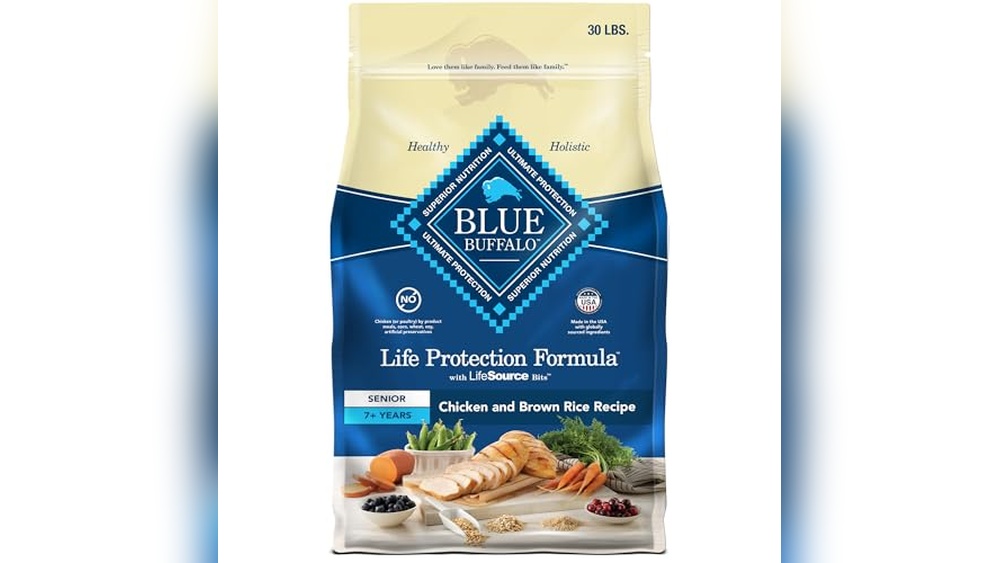
If your dog is scratching more than usual or showing signs of irritated skin, you know how tough it can be to watch them suffer. Finding the right food can make a huge difference in easing their discomfort.
You want to give your furry friend meals that not only taste good but also help calm their skin allergies. You’ll discover the best foods that can support your dog’s skin health and bring relief. Keep reading to learn how simple changes in their diet can lead to happier, itch-free days for your loyal companion.
Causes Of Skin Allergies In Dogs
Skin allergies in dogs cause itching, redness, and discomfort. Many factors trigger these allergies. Understanding the causes helps in managing and treating them. Knowing what affects your dog’s skin improves their health and happiness.
Some causes are common and easy to identify. Others come from genetics or the environment. Each factor plays a role in skin allergies.
Common Allergens
Common allergens include certain foods and substances. Dogs often react to beef, dairy, wheat, and chicken. These foods can cause itching and rashes. Fleas and flea bites are also common allergens. They lead to intense itching and skin infections. Household dust, pollen, and mold can trigger allergies too.
Genetic Factors
Some dogs inherit allergies from their parents. Certain breeds have higher allergy risks. Breeds like Bulldogs, Retrievers, and Terriers often suffer more. Genetic factors affect the immune system. This makes the skin more sensitive to allergens. Understanding breed risks helps in early allergy care.
Environmental Triggers
Environmental factors include weather and pollution. Hot, humid weather worsens skin allergies. Dry air causes skin to crack and itch. Chemicals in cleaning products may irritate skin. Grass, trees, and outdoor plants also trigger reactions. Avoiding harsh environments helps reduce allergy symptoms.
Symptoms Of Skin Allergies
Skin allergies in dogs cause many uncomfortable symptoms. These signs show the dog needs help. Recognizing symptoms early helps provide the right care. Watch your dog closely for changes in behavior and skin condition.
Itching And Scratching
Itching is the most common symptom of skin allergies in dogs. Dogs scratch themselves often to relieve discomfort. They may also bite or lick certain spots. Persistent itching can cause wounds or infections. Pay attention if your dog scratches more than usual.
Redness And Inflammation
Allergic reactions cause redness on the skin. Inflamed areas look swollen and feel warm. These spots may be sensitive to touch. Redness often appears on paws, ears, and belly. Check your dog’s skin regularly for these signs.
Hair Loss And Dry Skin
Skin allergies can lead to hair loss in patches. The skin underneath may appear dry and flaky. Dry skin breaks easily and worsens irritation. Hair loss and dryness often happen together. These symptoms reduce your dog’s comfort and health.
Nutritional Needs For Allergic Dogs
Dogs with skin allergies need special nutrition to feel better. Their skin can get dry, itchy, or red. The right foods help calm their skin and support healing. Good nutrition also strengthens their immune system. This keeps allergies from getting worse. Feeding your dog the right nutrients can improve their comfort and health.
Essential Fatty Acids
Essential fatty acids like omega-3 and omega-6 are key. They reduce inflammation and soothe itchy skin. These fats come from fish oils and flaxseeds. Adding them to your dog’s diet improves skin softness and shine. They also help repair damaged skin cells.
Vitamins And Minerals
Vitamins A, E, and zinc support healthy skin. Vitamin A helps skin renew quickly. Vitamin E protects skin cells from damage. Zinc boosts the immune system and aids healing. These nutrients keep the skin strong and less prone to allergies.
Hydration Importance
Water is vital for skin health. Proper hydration keeps skin moist and elastic. Dry skin worsens itching and irritation. Fresh, clean water should always be available. Wet dog food can also increase fluid intake. This helps maintain healthy, hydrated skin.
Top Healing Foods For Skin Allergies
Dogs with skin allergies need special foods to help soothe their skin and reduce itching. Certain ingredients support healing and improve the skin’s health. Choosing the right foods can make a big difference for your dog’s comfort and coat.
Omega-3 Rich Ingredients
Omega-3 fatty acids reduce inflammation and calm irritated skin. Fish like salmon, mackerel, and sardines are excellent sources. These oils help keep the skin moist and shiny. Including omega-3s in your dog’s diet supports faster healing and less scratching.
Hypoallergenic Protein Sources
Hypoallergenic proteins lower the risk of allergic reactions. Try novel proteins like duck, venison, or rabbit. These proteins are less likely to cause skin flare-ups. Using hypoallergenic options can improve your dog’s skin health and comfort.
Antioxidant-packed Fruits And Vegetables
Antioxidants fight free radicals that harm skin cells. Blueberries, sweet potatoes, and spinach are rich in antioxidants. These foods help repair damaged skin and boost the immune system. Adding colorful fruits and vegetables supports overall skin healing.
Homemade Diet Options
Homemade diets can help dogs with skin allergies feel better. You control what goes into their food. This helps avoid ingredients that cause reactions. Fresh ingredients can soothe sensitive skin and support health. Cooking at home lets you use simple, pure foods. These meals often have fewer additives and fillers. That means fewer triggers for allergies. Below are easy recipes and safe treats for dogs with skin issues.
Simple Recipes For Sensitive Skin
Start with lean proteins like boiled chicken or turkey. Avoid spices, salt, and sauces. Mix cooked sweet potatoes or pumpkin for fiber and vitamins. Add steamed green beans or carrots for crunch and nutrients. Use a little olive oil for healthy fats. Keep meals plain and gentle to reduce irritation. Serve smaller portions throughout the day to aid digestion. Always introduce new foods slowly and watch for reactions.
Safe Treats To Soothe Allergies
Offer plain cooked meats like chicken or fish as treats. Freeze small pieces of plain pumpkin or sweet potato. Try homemade yogurt drops if your dog tolerates dairy. Use natural peanut butter without added sugars or salt. Avoid commercial treats with artificial ingredients and preservatives. Homemade treats keep control over what your dog eats. They help reduce flare-ups and keep your dog happy.

Credit: hiccpet.com
Commercial Dog Foods For Skin Health
Commercial dog foods designed for skin health help reduce itching and irritation. They contain nutrients that support a strong skin barrier. These foods often include special ingredients to calm allergic reactions and improve coat shine.
Choosing the right commercial food can ease your dog’s discomfort. Many brands offer formulas made to support sensitive skin. These diets focus on balanced nutrition and gentle ingredients.
Best Brands And Formulas
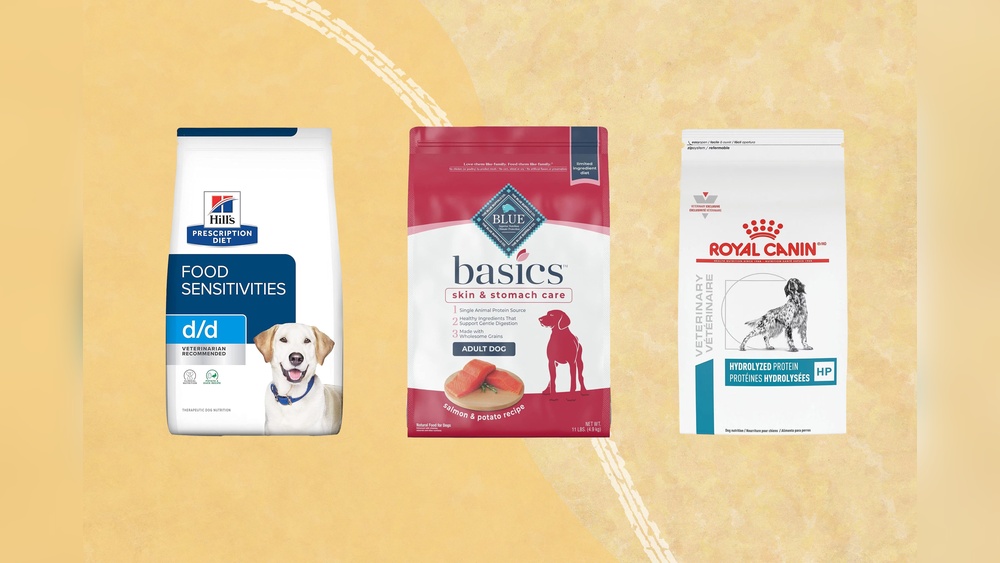
Several brands create dog foods focused on skin health. Hill’s Science Diet offers a Sensitive Skin & Stomach formula. It contains omega-6 fatty acids and vitamin E to soothe skin.
Royal Canin also has a Skin Care formula rich in fatty acids. Blue Buffalo’s Basics line uses limited ingredients to avoid allergens. These brands help reduce flare-ups and promote healing.
What To Look For On Labels
Check for omega-3 and omega-6 fatty acids. These fats support healthy skin and reduce inflammation. Ingredients like salmon, flaxseed, and fish oil are good sources.
Look for limited ingredient diets. Fewer ingredients mean fewer chances of allergies. Avoid foods with artificial colors, flavors, or preservatives.
Protein quality matters. Choose foods with named meat sources like chicken or lamb. Avoid generic terms like “meat meal” or “animal fat.”
Foods To Avoid
Choosing the right food for dogs with skin allergies is very important. Some foods can make itching and redness worse. Avoiding certain ingredients helps keep your dog’s skin healthy and comfortable.
Common Food Allergens
Many dogs react to common proteins like beef, chicken, and dairy. Wheat and soy are also frequent causes of allergies. These ingredients can trigger itching and inflammation. Choose foods that do not contain these allergens. Look for novel proteins like duck or fish instead. This reduces the risk of allergic reactions.
Harmful Additives And Preservatives
Artificial colors, flavors, and preservatives can irritate sensitive skin. Ingredients like BHA, BHT, and ethoxyquin may cause problems. These chemicals do not add nutrition and can harm your dog’s health. Choose natural foods without synthetic additives. This supports better skin and overall wellness.
Credit: www.justfoodfordogs.com
Supplements To Support Skin Healing
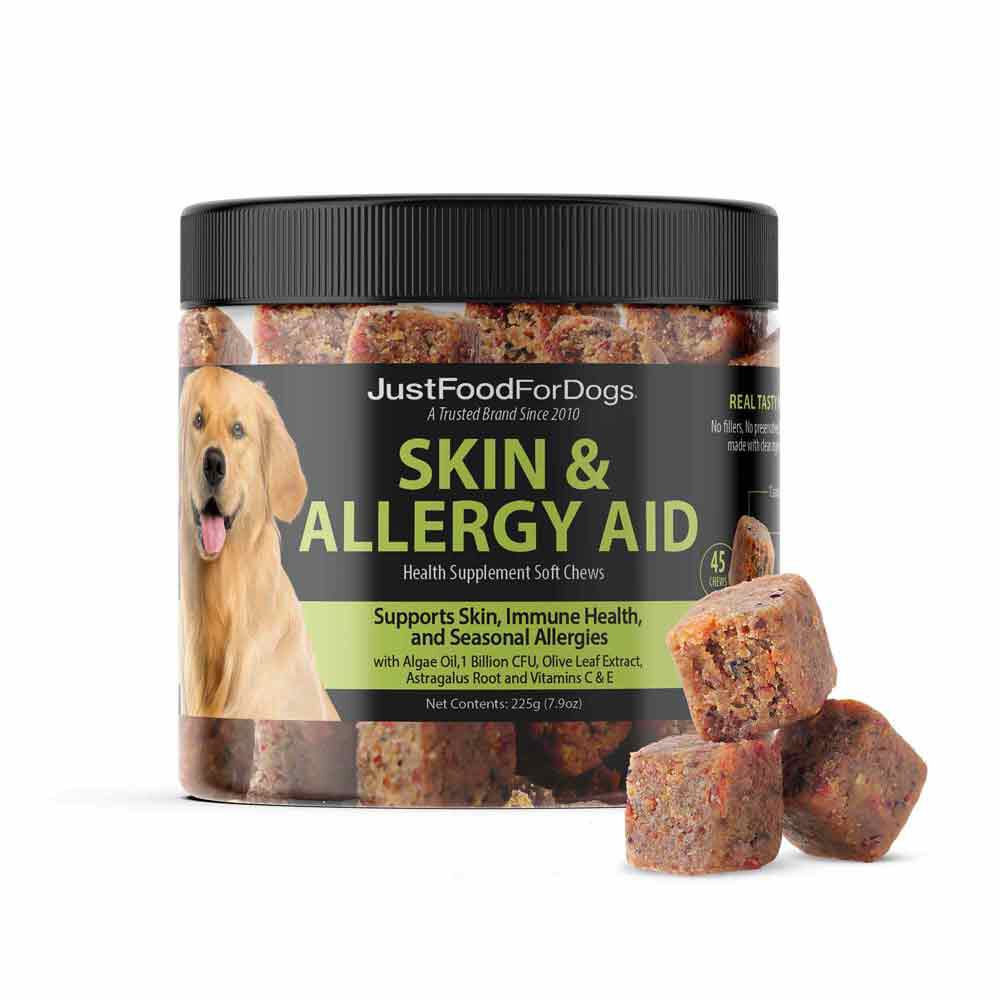
Supplements can help dogs with skin allergies heal faster. They work alongside a good diet to reduce itching and improve skin health. Adding the right supplements supports the skin’s natural barrier. This helps keep allergens out and moisture in. Here are two key supplements to consider.
Fish Oil And Omega Fatty Acids
Fish oil is rich in omega-3 and omega-6 fatty acids. These fats reduce inflammation in the skin and coat. They help calm redness and itching caused by allergies. Regular use can make your dog’s coat shinier and softer. Omega fatty acids also support the immune system. This helps your dog fight skin problems more easily.
Probiotics And Digestive Health
Probiotics improve your dog’s gut health. A healthy gut supports the immune system and reduces allergy symptoms. Good bacteria in probiotics help balance harmful germs. This balance can lower skin inflammation and itching. Probiotics also help digest food better. This can reduce allergic reactions linked to food sensitivities.
Tips For Managing Allergies Through Diet
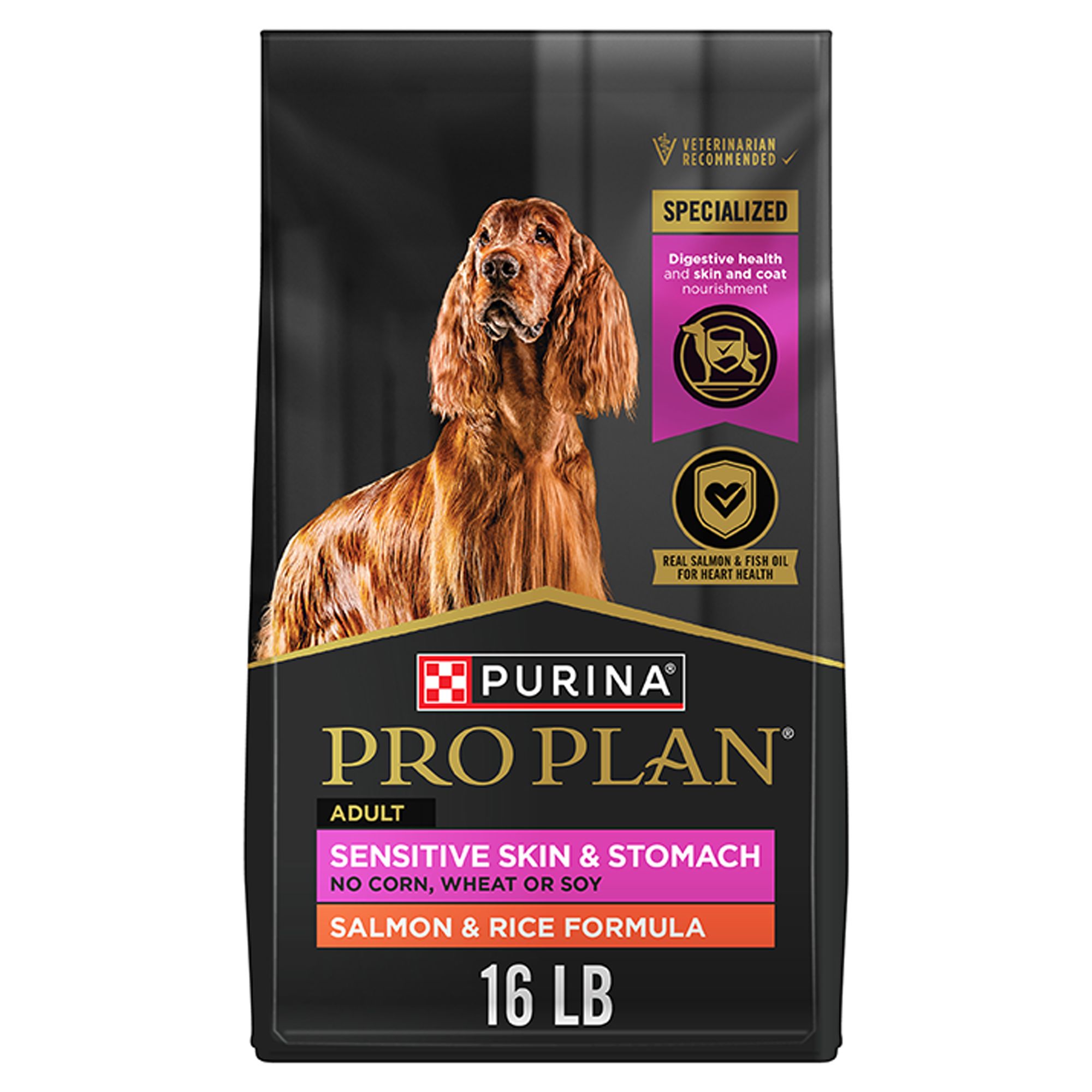
Managing your dog’s skin allergies through diet can improve their comfort and skin health. Choosing the right foods helps reduce allergic reactions and supports healing. Careful planning and observation are key to success. Here are simple tips to guide you.
Elimination Diet Trials
Elimination diets help identify food triggers causing allergies. Feed your dog a limited ingredient diet with novel proteins. Avoid common allergens like beef, chicken, and dairy. Offer this diet for 8 to 12 weeks. Watch for any skin improvements or reactions. Slowly reintroduce old foods one at a time. Note any return of symptoms. This process pinpoints problem ingredients.
Monitoring And Adjusting Meals
Keep a food diary to track what your dog eats daily. Record any changes in skin condition or behavior. Adjust meals based on your observations and vet advice. Rotate proteins and add allergy-friendly supplements. Choose foods rich in omega-3 fatty acids to soothe skin. Avoid artificial additives and fillers. Consistent monitoring helps keep allergies under control.
Credit: www.petsmart.com
Frequently Asked Questions
What Foods Help Dogs With Skin Allergies Heal Faster?
Foods rich in omega-3 fatty acids, like salmon and flaxseed, help reduce inflammation. These promote healthier skin and faster healing in dogs with allergies.
Can Certain Fruits Improve My Dog’s Skin Condition?
Yes, fruits like blueberries and apples provide antioxidants and vitamins. These nutrients support skin health and strengthen the immune system in allergic dogs.
Are Grain-free Diets Better For Dogs With Skin Allergies?
Grain-free diets can help if your dog has a grain sensitivity. However, consult your vet before switching to ensure balanced nutrition and allergy relief.
How Does Fish Oil Benefit Dogs With Skin Allergies?
Fish oil contains omega-3 fatty acids that reduce itching and inflammation. Regular supplementation improves coat shine and soothes irritated skin in allergic dogs.
Conclusion
Choosing the right foods helps dogs with skin allergies feel better. Foods rich in omega-3, like fish, support healthy skin. Avoiding common allergens reduces itching and redness. Fresh fruits and vegetables provide vitamins that heal skin. Always watch how your dog reacts to new foods.
A healthy diet improves your dog’s comfort and happiness. Simple changes can make a big difference for your pet’s skin. Feeding with care shows your love and helps your dog thrive.