If your dog has been diagnosed with cancer, you want to do everything possible to support their health and comfort. One of the most powerful ways to help is through the food you give them every day.
The right diet can boost your dog’s energy, strengthen their immune system, and improve their quality of life. But with so many options out there, it’s hard to know what’s truly best. You’ll discover the best foods for dogs with cancer—simple, nutritious choices that can make a real difference.
Keep reading to learn how to give your furry friend the care they deserve.
Diet And Cancer In Dogs
Diet plays a big role in helping dogs fight cancer. The right food can support their body and improve energy. Cancer affects how dogs use nutrients, so their diet needs careful planning. Feeding dogs the right diet helps their immune system stay strong. It also reduces side effects from treatments like chemotherapy. Choosing the best foods helps dogs feel better during this tough time.
Understanding how nutrition impacts cancer helps pet owners make smart food choices. Knowing the key nutrients needed during treatment supports healing and strength. The goal is to give dogs balanced meals that meet their special needs.
How Nutrition Impacts Canine Cancer
Nutrition affects cancer growth and how dogs respond to treatment. Some nutrients can slow tumor growth. Others help repair damaged cells and reduce inflammation. A poor diet weakens the immune system and slows recovery. Good nutrition fuels energy and supports healthy weight. It also helps dogs handle side effects like nausea and fatigue. Feeding a balanced diet can improve quality of life during cancer.
Key Nutritional Needs During Treatment
Dogs with cancer need more protein to maintain muscle mass. Healthy fats provide energy and support cell repair. Antioxidants help protect cells from damage. Vitamins and minerals boost the immune system. High-quality, digestible food is easier for sick dogs to eat. Smaller, frequent meals may help with appetite loss. Avoid foods high in sugar or fillers that offer little nutrition. Tailoring diet to each dog’s needs supports their strength and recovery.
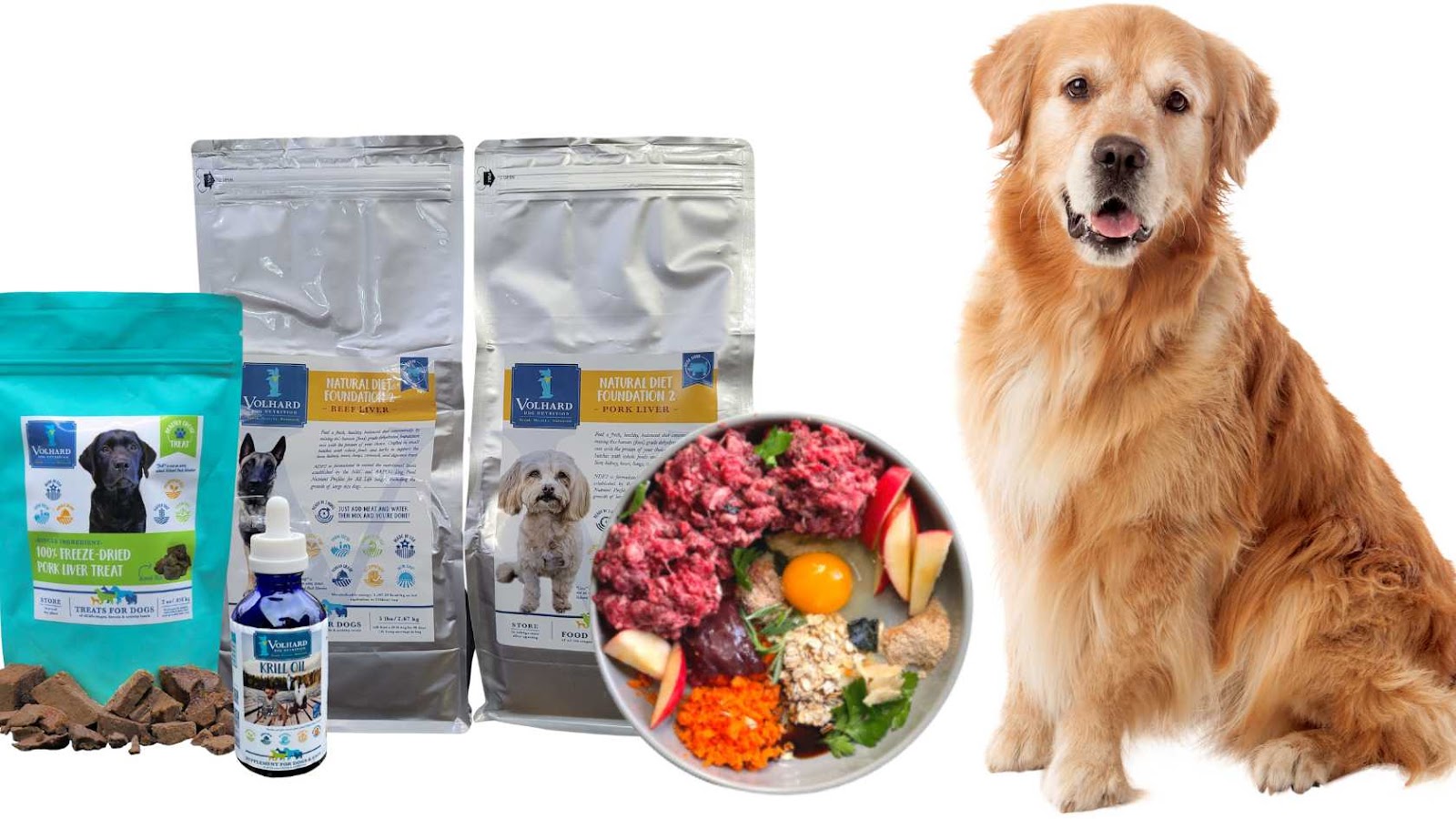
Credit: www.volharddognutrition.com
High-quality Proteins
High-quality proteins play a key role in the diet of dogs with cancer. Proteins help repair tissues and keep the immune system strong. Dogs fighting cancer need proteins that are easy to digest and full of nutrients. Choosing the right proteins supports their strength and energy levels. It also helps maintain muscle mass during treatment.
Benefits Of Lean Meats
Lean meats like chicken, turkey, and lean beef provide good protein without extra fat. Fat can be hard for sick dogs to digest. Lean meats supply essential amino acids needed for healing. These meats also contain vitamins like B12, which help keep nerves healthy. Feeding lean meats can help dogs stay strong and active.
Incorporating Fish And Eggs
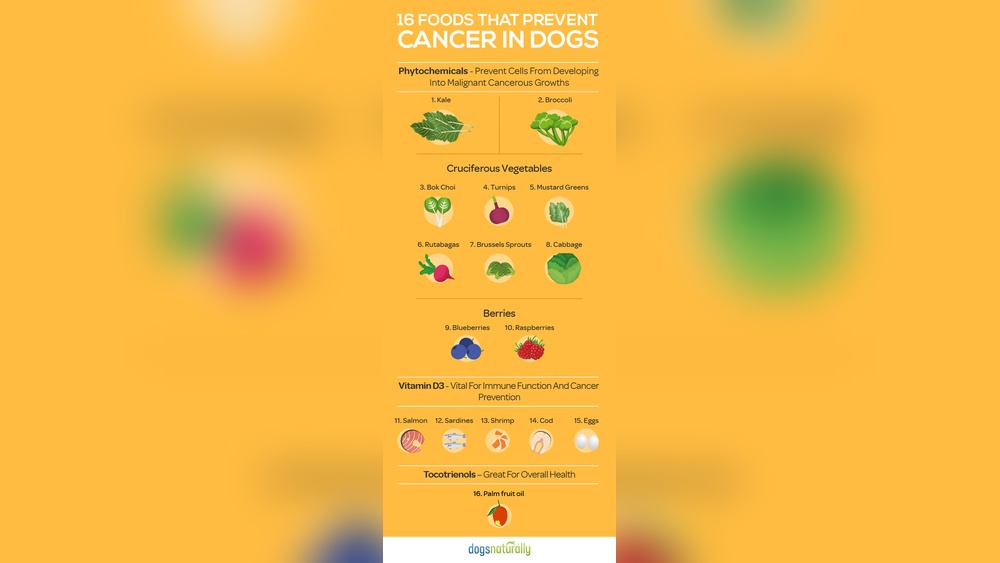
Fish, especially those rich in omega-3 fatty acids, reduce inflammation. Salmon and sardines are great choices for dogs with cancer. Eggs offer a complete protein with all essential amino acids. They are easy to cook and digest. Both fish and eggs add variety and important nutrients to the diet.
Healthy Fats For Healing
Healthy fats play a key role in helping dogs with cancer. These fats support the immune system and reduce inflammation. They also provide energy and help keep the skin and coat healthy. Choosing the right fats can improve your dog’s comfort and healing process.
Role Of Omega-3 Fatty Acids
Omega-3 fatty acids are a powerful type of healthy fat. They help lower inflammation in the body. This can ease pain and swelling caused by cancer. Omega-3s also support the immune system, making it easier to fight illness. These fats can improve heart and brain health as well. Many vets recommend omega-3s for dogs with cancer.
Sources Of Good Fats
Fish oil is one of the best sources of omega-3 fatty acids. Salmon, sardines, and mackerel are rich in these fats. Flaxseed oil also provides omega-3s but in a different form. Coconut oil offers medium-chain triglycerides, which give quick energy. Small amounts of olive oil can support overall health. Always introduce new fats slowly and check with your vet first.
Antioxidant-rich Foods
Antioxidant-rich foods help protect dogs’ cells from damage. They support the immune system and may slow cancer growth. Including these foods in your dog’s diet can improve their overall health and energy levels.
Fruits And Vegetables To Include
Blueberries, strawberries, and apples are great antioxidant sources. Carrots, spinach, and broccoli also provide essential vitamins and minerals. These fruits and vegetables can be served fresh or lightly cooked. Avoid adding sugar or seasoning to keep them safe.
Supplements And Natural Extracts
Taurine, turmeric, and green tea extracts offer powerful antioxidants. These supplements can help reduce inflammation and support cell health. Always check with your vet before adding supplements to your dog’s diet. Proper dosage and quality matter for safety and effectiveness.
Low-carbohydrate Options
Choosing the right diet for dogs with cancer is very important. Low-carbohydrate options can help support their health and energy. These foods reduce sugar intake, which may slow cancer growth. They also help keep blood sugar stable and improve overall wellness.
Why Limit Carbs?
Cancer cells often use sugar to grow fast. Reducing carbohydrates cuts the sugar available to these cells. This may slow tumor growth and support treatment. Low carbs also help keep your dog’s weight steady. Excess weight can stress the body and slow recovery.
Dogs digest carbs differently than proteins and fats. High carb levels can cause spikes in blood sugar. This can lead to inflammation and weaken the immune system. A low-carb diet helps maintain steady energy and better health.
Best Carb Sources For Dogs With Cancer
Choose carbs that release energy slowly. Sweet potatoes are a great choice. They are high in fiber and vitamins. Green beans and broccoli provide fiber and antioxidants. These support the immune system and reduce inflammation.
Oats and barley are good whole grain options. They offer steady energy without causing sugar spikes. Avoid white rice and corn, as they digest quickly and raise blood sugar. Always check with your vet before changing your dog’s diet.

Credit: www.youtube.com
Hydration And Liquid Nutrition
Hydration plays a key role in supporting dogs with cancer. Proper fluid intake helps maintain energy and supports healing. Liquid nutrition can provide essential nutrients in an easy-to-digest form. It also helps dogs who have trouble chewing or swallowing solid food. Keeping your dog well-hydrated aids the body’s natural defenses and overall comfort during treatment.
Importance Of Fluids
Fluids keep the body working well. They help regulate body temperature and flush out toxins. Dogs with cancer may lose fluids faster due to vomiting or diarrhea. Dehydration can cause weakness and worsen symptoms. Providing enough water supports kidney function and helps blood flow. Always offer fresh, clean water and encourage your dog to drink often.
Broths And Hydrating Foods
Broths offer both hydration and nutrients. Bone broth is rich in minerals and easy on the stomach. It can tempt picky eaters to drink more. Homemade chicken or beef broth without salt or spices works best. Hydrating foods like watermelon and cucumber also add moisture. Wet dog food contains more water than dry kibble and can help increase fluid intake. These options support hydration and provide gentle nutrition during illness.
Foods To Avoid
Choosing the right foods for dogs with cancer is crucial. Avoiding harmful ingredients helps keep your pet safe and comfortable. Some foods can worsen symptoms or interfere with treatments. Knowing which foods to skip is important for your dog’s health.
Toxic Ingredients
Certain ingredients are toxic to dogs and must be avoided entirely. Chocolate, grapes, and raisins cause serious harm. Onions and garlic can damage red blood cells. Xylitol, a sweetener in many treats, causes low blood sugar and liver failure. Avoid these ingredients in all dog foods and snacks.
Common Allergens And Irritants
Allergens can trigger inflammation and worsen cancer symptoms. Common allergens include wheat, corn, and soy. Dairy products often cause stomach upset. Some dogs react badly to beef or chicken. Avoid foods with artificial colors, flavors, and preservatives. These irritants may affect your dog’s digestion and immune system.
Meal Preparation Tips
Choosing the right food for dogs with cancer needs expert advice. Your veterinarian knows your dog’s health history and cancer type best. They can guide you on the safest and most helpful diet changes. Never start a new diet plan without professional advice. This ensures your dog’s unique needs are met.
Tailoring Diet Plans
Every dog’s cancer is different. Your vet can suggest foods that match your dog’s condition. They may recommend high-protein meals or special nutrients to support recovery. Some dogs need low-fat diets, while others need more calories. Tailoring the diet helps improve strength and comfort. The vet’s plan fits your dog’s age, weight, and illness stage.
Monitoring And Adjustments
Your dog’s response to food must be watched closely. The vet will check weight, energy, and appetite regularly. Changes in these signs may require diet adjustments. Side effects from cancer or treatment can affect eating habits. The vet can help adjust food types and portions. This keeps your dog nourished and feeling better.

Credit: chidog.com
Frequently Asked Questions
What Are The Best Foods For Dogs With Cancer?
The best foods include high-quality proteins, antioxidants, and omega-3 fatty acids. These help support immunity and reduce inflammation in dogs with cancer.
Can Certain Foods Slow Cancer Progression In Dogs?
Yes, foods rich in antioxidants and omega-3s may help slow cancer growth. Consult your vet for a tailored diet plan.
Should Dogs With Cancer Avoid Specific Foods?
Avoid processed foods, high sugar, and artificial additives. These can weaken your dog’s immune system and worsen cancer symptoms.
How Important Is Nutrition During Canine Cancer Treatment?
Proper nutrition supports energy, immunity, and healing. It helps dogs tolerate treatments and improves their quality of life.
Conclusion
Choosing the right foods helps support dogs with cancer. Nutrient-rich meals can boost their strength and comfort. Focus on easy-to-digest ingredients and balanced nutrition. Fresh, whole foods often work best for sensitive stomachs. Consult your vet to tailor the diet to your dog’s needs.
Small changes can improve quality of life significantly. Feeding with care shows your love and concern. Every dog deserves the best support through tough times. Keep learning and adjusting to help your dog thrive.