
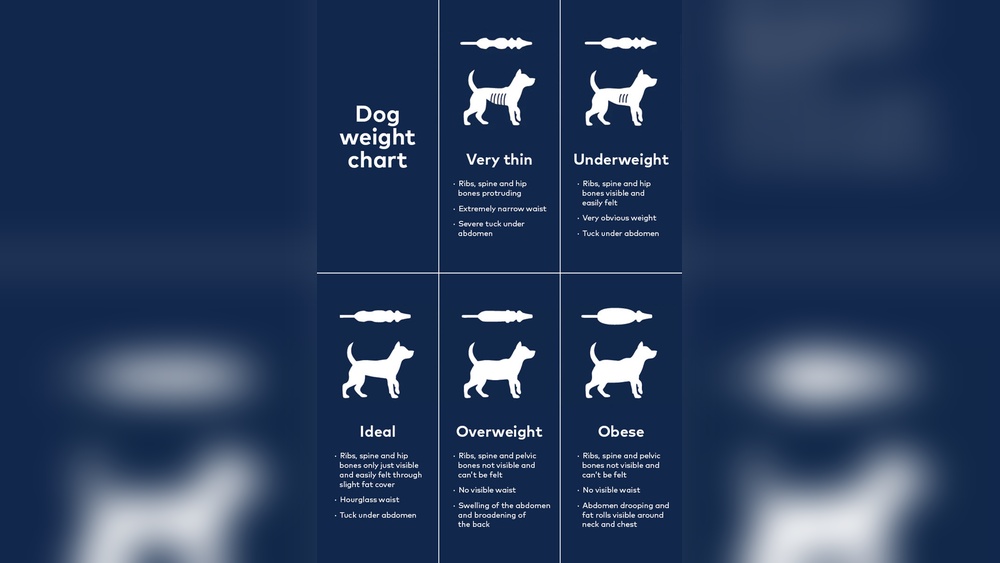
Is your dog struggling to gain weight no matter what you try? You want your furry friend to be healthy, energetic, and happy, but seeing them underweight can be worrying.
The right food can make all the difference in helping your dog put on weight safely and effectively. You’ll discover the best foods to help your dog gain weight without compromising their health. Keep reading to find simple, practical tips that will transform your dog’s diet and bring back that healthy glow you’ve been hoping for.
Why Dogs Need Weight Gain
Dogs need weight gain for many important reasons. Some dogs lose weight due to illness or poor eating habits. Gaining weight helps them stay strong and healthy. Proper nutrition supports their energy and body functions. Weight gain is also crucial for recovery from sickness or surgery.
Maintaining a healthy weight improves a dog’s quality of life. It protects them from health problems caused by being underweight. Feeding the right foods helps build muscle and boost their immune system. Dogs that gain weight safely feel happier and more active.
Common Causes Of Weight Loss
Weight loss in dogs can happen for many reasons. Illnesses like infections or parasites often reduce appetite. Stress and anxiety may cause dogs to eat less. Poor diet or dental problems can make eating painful. Older dogs sometimes lose weight due to weaker digestion. Identifying the cause is key to proper care.
Health Risks Of Underweight Dogs
Underweight dogs face serious health risks. Weak muscles make moving and playing difficult. Their immune system becomes less effective. This increases risk of infections and slow healing. They may lose body heat faster and feel cold. Organ function can weaken without enough fat and nutrients.
Benefits Of Healthy Weight Gain
Healthy weight gain improves strength and energy. It supports muscle growth and joint health. Dogs with proper weight recover faster from illness. Their skin and coat look shinier and healthier. Weight gain helps balance hormones and body functions. Overall, it leads to a longer, happier life.
Key Nutrients For Weight Gain
Helping a dog gain weight needs the right balance of nutrients. These nutrients support muscle growth and healthy fat storage. They also improve energy and overall health. Focus on proteins, fats, carbohydrates, vitamins, and minerals for the best results.
High-quality Proteins
Proteins build muscles and repair tissues. Choose meats like chicken, beef, or fish. Eggs and dairy also provide good protein sources. High-quality protein helps dogs gain lean weight. It supports strong muscles and good health.
Healthy Fats
Fats give more energy per gram than proteins or carbs. Healthy fats come from fish oil, flaxseed, and chicken fat. They help add calories without extra volume. Fats also keep the dog’s skin and coat shiny and soft.
Complex Carbohydrates
Complex carbs provide steady energy for active dogs. Brown rice, sweet potatoes, and oats are good sources. They help maintain energy levels and support weight gain. Avoid simple sugars that cause quick energy drops.
Essential Vitamins And Minerals
Vitamins and minerals support metabolism and overall health. Calcium and phosphorus strengthen bones and teeth. B vitamins help convert food into energy. A balanced diet includes these nutrients for steady weight gain.
Top Foods To Help Dogs Gain Weight
Helping a dog gain weight requires the right food choices. Some foods provide more calories and nutrients. These help build healthy muscle and add weight safely. Choose foods that are rich in protein and good fats. These ingredients support energy and overall health. Here are some top foods to help dogs gain weight effectively.
Lean Meats And Fish
Lean meats like chicken, turkey, and beef offer high protein. Protein helps build strong muscles and supports weight gain. Fish such as salmon and sardines provide healthy fats. These fats add extra calories and improve skin and coat health. Always cook meats thoroughly to keep your dog safe.
Eggs And Dairy Products
Eggs are a great source of protein and fat. They are easy to digest and tasty for dogs. Dairy products like plain yogurt and cottage cheese add calories. These contain calcium and probiotics for digestion. Avoid giving too much dairy to dogs with lactose issues.
Nut Butters And Oils
Nut butters like peanut butter provide healthy fats and protein. Use natural, unsalted types without xylitol or added sugar. Oils such as fish oil or olive oil add calories and omega fatty acids. These support brain function and skin health. Add small amounts to your dog’s meals for extra energy.
Whole Grains And Vegetables
Whole grains like brown rice and oats offer fiber and energy. They help maintain healthy digestion while adding calories. Vegetables such as sweet potatoes and carrots provide vitamins and antioxidants. Cook vegetables to make them easier to digest. Avoid toxic veggies like onions or garlic.
Commercial Weight Gain Formulas
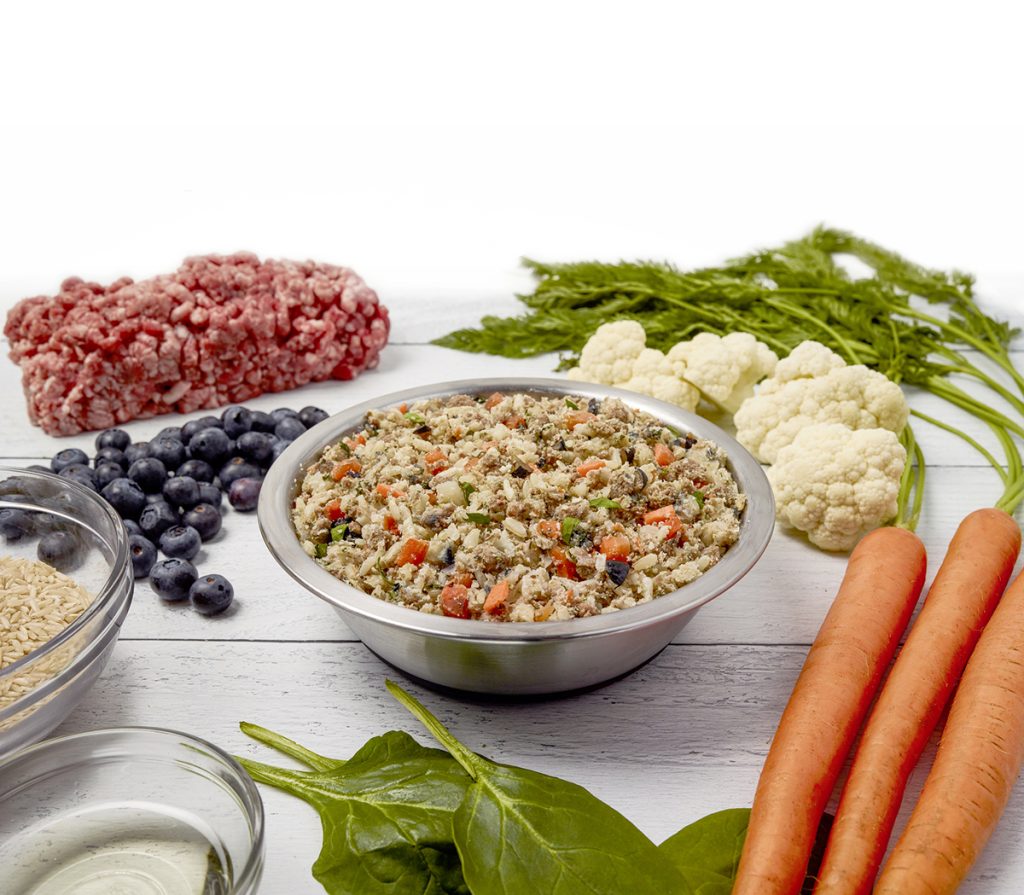
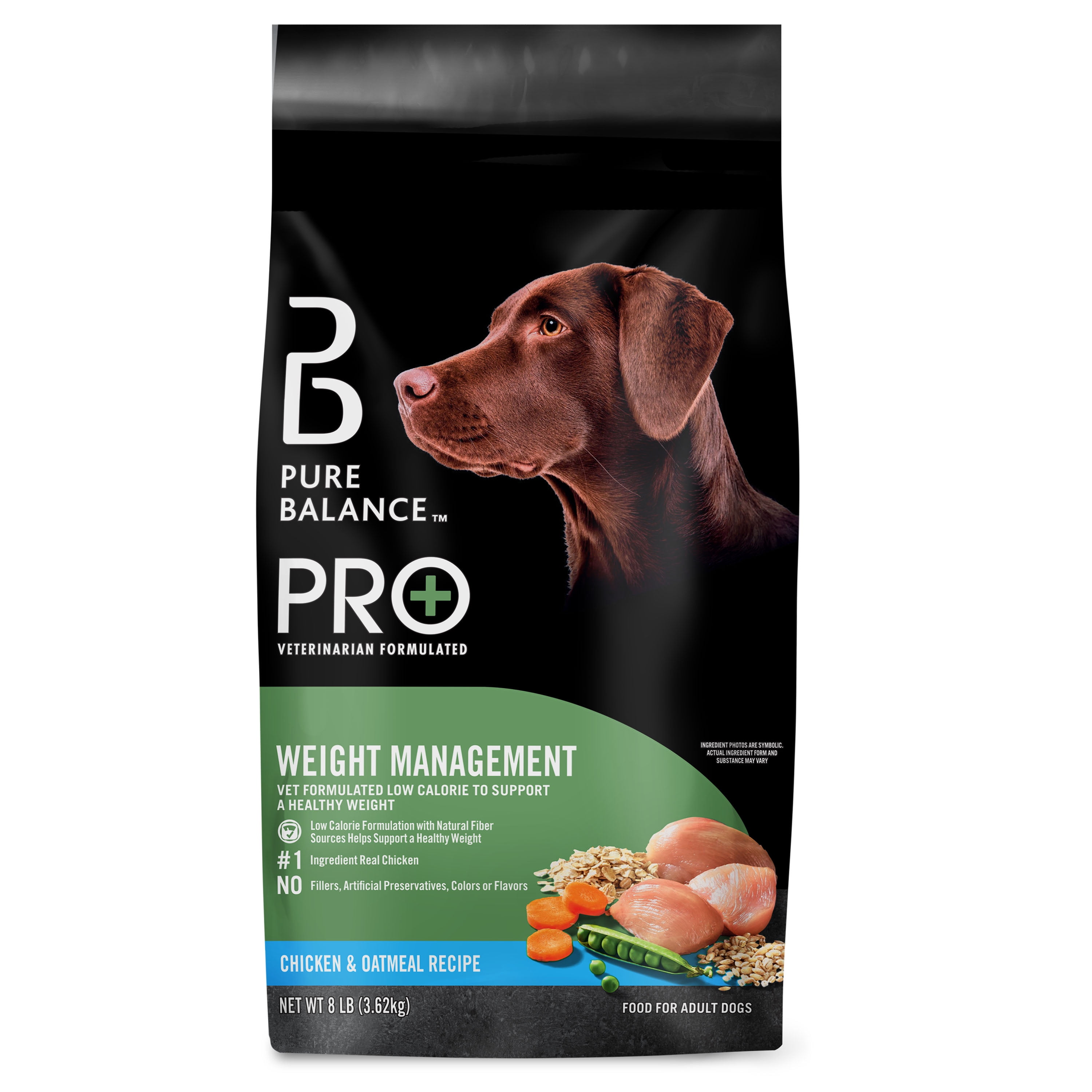
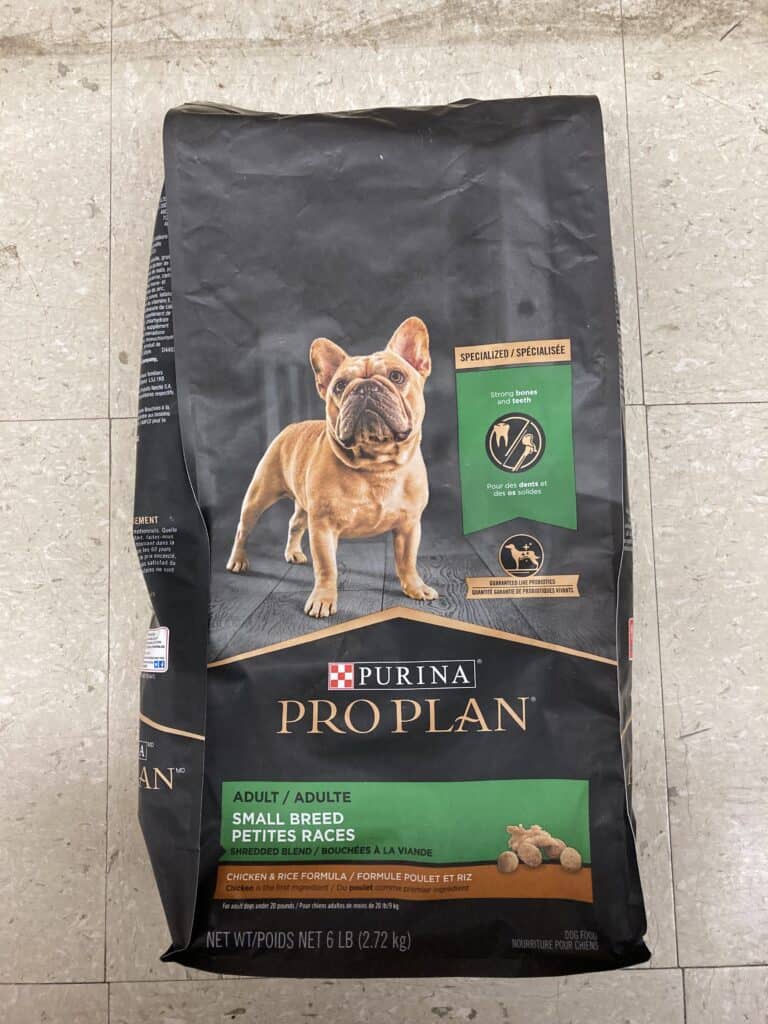
Some pet stores sell special weight gain dog food. These formulas have extra protein, fats, and calories. They support healthy weight gain and muscle growth. Follow package instructions to avoid overfeeding. Consult a vet before starting any new diet plan.
Credit: blog.justfoodfordogs.com
Homemade Weight Gain Recipes
Making homemade meals for your dog can help them gain weight healthily. You control the ingredients and ensure fresh, nutritious food. These recipes focus on adding calories and nutrients safely. Let’s explore easy meals and treats that support weight gain.
High-calorie Meal Ideas
Cook lean meats like chicken, turkey, or beef. Add cooked rice or pasta for energy. Mix in healthy fats such as olive oil or coconut oil. Include vegetables like carrots or green beans for vitamins. These meals boost calories and keep dogs strong.
Safe Treats For Weight Gain
Offer peanut butter in small amounts. Use plain yogurt for probiotics and calories. Give boiled eggs for protein and fat. Sweet potatoes make tasty, healthy snacks. All treats should be given moderately and safely.
Tips For Balanced Homemade Diets
Include protein, fats, and carbohydrates in every meal. Avoid harmful ingredients like onions, garlic, and chocolate. Consult your vet before changing diets. Keep meals fresh and serve at room temperature. Balance is key to healthy weight gain.
Feeding Tips For Healthy Weight Gain
Feeding a dog to gain weight needs care and smart choices. Healthy weight gain means adding muscle, not fat. Proper feeding helps your dog stay strong and active. It also supports overall health and well-being.
These feeding tips guide you on how to feed your dog correctly. They focus on meal size, appetite, and tracking progress. Follow these tips to help your dog gain weight safely.
Meal Frequency And Portion Size
Feed your dog smaller meals more often. Four to six small meals a day work well. This keeps energy steady and avoids stomach upset. Increase portion size slowly, based on your dog’s needs. Avoid overfeeding in one meal to prevent discomfort.
Encouraging Appetite In Picky Eaters
Add tasty toppers like boiled chicken or low-fat yogurt. Warm the food slightly to enhance smell and flavor. Offer food in a quiet, calm area to reduce stress. Try feeding at the same times each day to build routine.
Monitoring Progress And Adjustments
Weigh your dog weekly to check weight gain. Note changes in energy and coat condition too. Adjust food amount if weight gain is too fast or slow. Consult a vet if your dog loses appetite or weight.
Credit: www.walmart.com
When To Consult A Veterinarian
Knowing when to consult a veterinarian is key for your dog’s health. Sudden weight loss or failure to gain weight may signal health problems. Early advice from a vet can prevent serious issues. Monitoring your dog’s condition closely helps decide the right time to seek help.
Signs Of Underlying Health Issues
Watch for signs like vomiting, diarrhea, or loss of appetite. A dull coat or lethargy also indicates trouble. Persistent coughing or difficulty breathing needs immediate attention. These signs suggest health problems causing poor weight gain.
Professional Dietary Recommendations
Veterinarians offer diet plans tailored to your dog’s needs. They suggest foods rich in calories and nutrients for safe weight gain. Some dogs need special diets due to allergies or health conditions. Follow the vet’s guidance for best results.
Supplement Options And Safety
Vets may recommend supplements like omega-3 oils or vitamins. These help boost appetite and improve nutrient absorption. Use only vet-approved supplements to avoid harm. Proper dosage and quality are important for your dog’s safety.
Credit: labiosthetique.ee
Frequently Asked Questions
What Are The Best High-calorie Foods For Dogs To Gain Weight?
High-calorie foods like peanut butter, cooked eggs, and chicken can help dogs gain weight. These foods provide healthy fats and proteins essential for healthy weight gain. Always introduce new foods gradually and consult a vet for proper diet plans.
Can Homemade Meals Help Dogs Put On Weight Safely?
Yes, homemade meals with balanced proteins, carbs, and fats support healthy weight gain. Include lean meats, rice, and vegetables. Ensure meals meet nutritional needs and consult your vet to avoid imbalances or digestive issues.
How Often Should I Feed My Dog To Increase Weight?
Feed your dog 3 to 4 smaller meals daily to boost calorie intake. This helps improve digestion and nutrient absorption. Monitor your dog’s response and adjust portions or frequency with vet guidance.
Are Supplements Necessary For Dogs Struggling To Gain Weight?
Supplements like fish oil or vitamin-rich powders can support weight gain but aren’t always necessary. Focus on nutrient-dense foods first. Consult your vet before adding supplements to ensure safety and effectiveness.
Conclusion
Choosing the right food helps dogs gain healthy weight. Nutrient-rich meals support muscle and energy growth. Regular feeding with quality ingredients makes a big difference. Watch your dog’s progress and adjust portions as needed. Consult a vet if weight gain is slow or stops.
A balanced diet keeps dogs strong and happy. Careful food choices give your pet a better life. Keep meals simple, tasty, and full of nutrients. Your dog deserves the best fuel to thrive every day.


