Is your dog looking a little too thin? You want to help your furry friend gain weight, but choosing the right food can be confusing.
Feeding your dog the best food to put weight on is not just about quantity—it’s about quality and nutrition. You’ll discover simple, effective food options that can help your dog gain healthy weight safely. Keep reading to learn how to boost your dog’s health and energy with the right diet.
Your dog deserves the best, and you’re just a few steps away from making that happen.
Calorie-rich Dog Foods
Calorie-rich dog foods help dogs gain weight safely and healthily. These foods provide extra energy and nutrients. Ideal for dogs that need to build muscle or recover from illness. Choose foods with higher calories per serving. This supports steady and balanced weight gain. Focus on options that are easy to digest and tasty for your dog.
High-fat Kibble Options
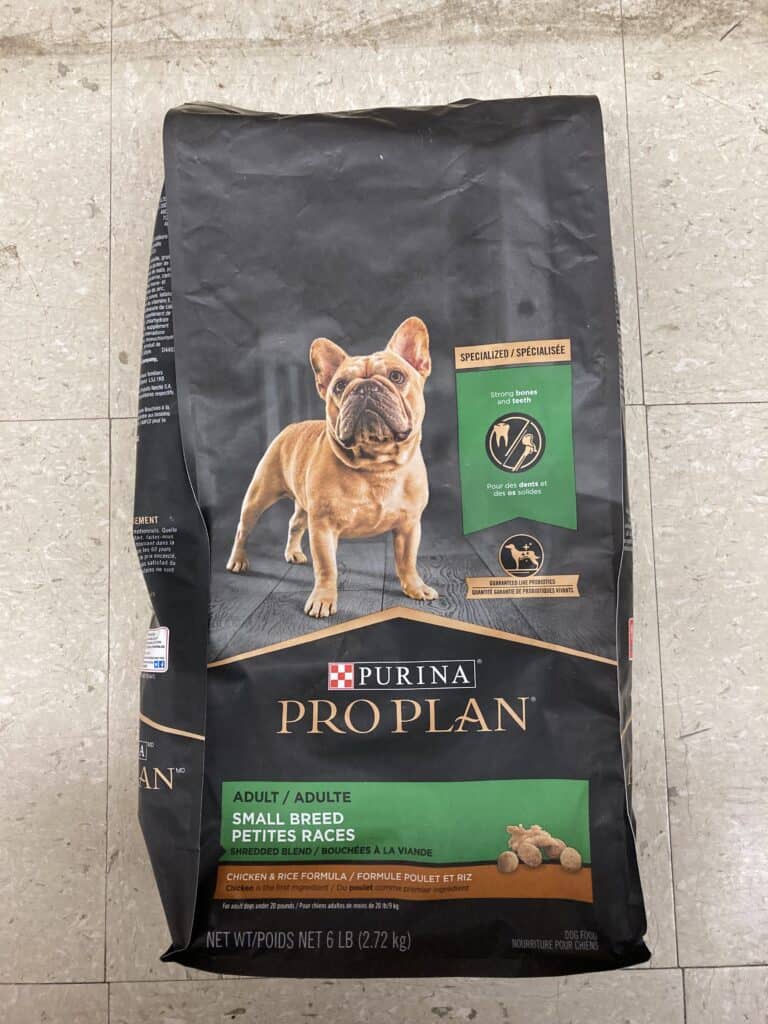
High-fat kibble offers more calories in each bite. Fat contains more calories than proteins or carbs. This means your dog eats less but gets more energy. Many brands make special formulas for weight gain. These kibbles include healthy fats like fish oil and chicken fat. They also have balanced vitamins and minerals. High-fat kibble is easy to store and serve. Perfect for dogs that prefer dry food.
Energy-dense Wet Foods
Wet foods often contain more calories than dry kibble. They have higher moisture but also rich fats and proteins. Wet food is soft and easy to eat. Great for dogs with dental problems or low appetite. Some wet foods have added oils or meat chunks. These add calories and improve flavor. Feeding wet food can increase your dog’s calorie intake. It helps maintain hydration and supports weight gain.
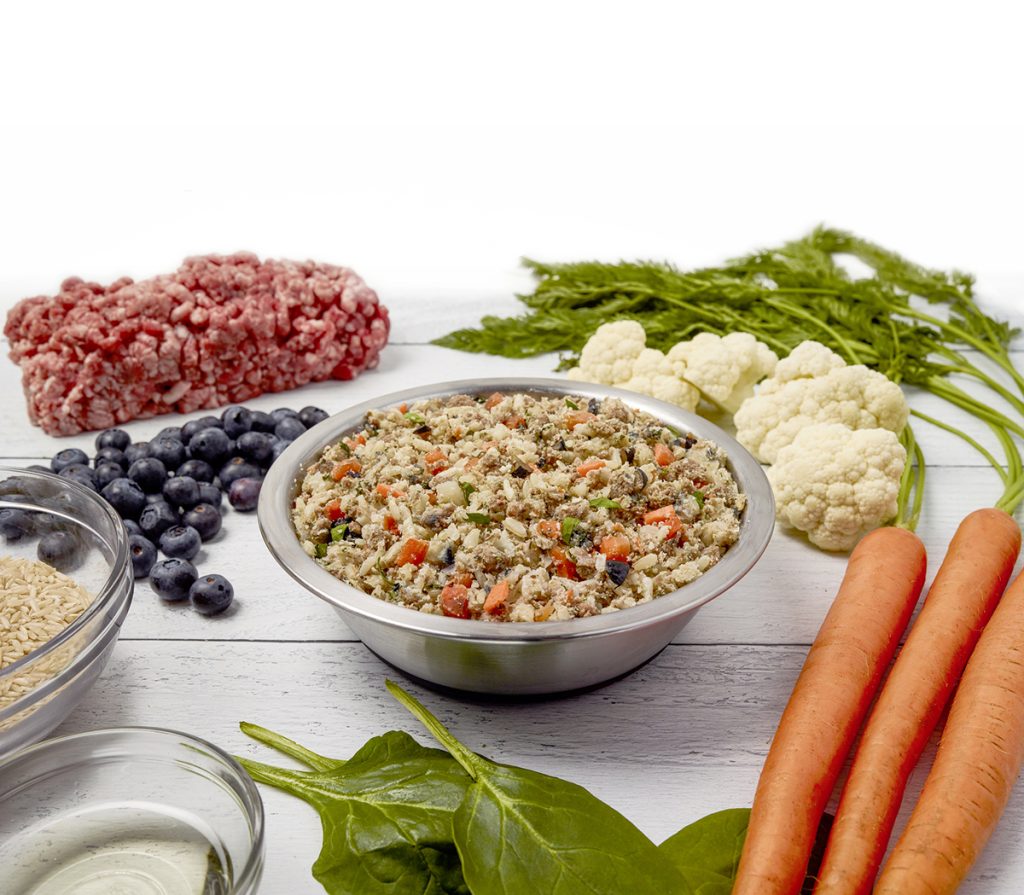
Credit: blog.justfoodfordogs.com
Protein Sources For Muscle Gain
Protein is essential for dogs to build muscle and gain healthy weight. It helps repair tissues and supports strong muscles. Choosing the right protein sources can improve your dog’s strength and energy. Both meat-based and plant-based proteins offer benefits. Understanding these options helps you feed your dog better.
Meat-based Proteins
Meat is a rich source of complete protein for dogs. Chicken, beef, and turkey contain all essential amino acids. These proteins help build muscle faster and keep your dog active. Fish like salmon and sardines add healthy fats and omega-3s. These fats support muscle growth and joint health. Always cook meat well to avoid bacteria and remove bones to prevent choking.
Plant-based Alternatives
Some dogs benefit from plant-based proteins too. Lentils, chickpeas, and peas are good options. They provide protein and fiber for digestion. Quinoa and brown rice offer extra nutrients and energy. Plant proteins may not have all amino acids, so combine different sources. This balance supports muscle gain and overall health. Consider your dog’s preferences and allergies when choosing plant proteins.
Healthy Fats To Boost Weight
Healthy fats help dogs gain weight safely and improve their overall health. These fats provide energy and support skin, coat, and brain function. Including the right fats in your dog’s diet can make weight gain steady and healthy. Focus on fats that bring essential nutrients and good calories.
Omega-3 And Omega-6 Fatty Acids
Omega-3 and omega-6 are essential fats for dogs. They help reduce inflammation and support the immune system. These fats also keep your dog’s skin shiny and coat soft. Fish oil is rich in omega-3, while chicken fat and vegetable oils offer omega-6. Adding these fats helps your dog gain weight with better health.
Natural Fat Supplements
Natural fat supplements add calories without fillers or chemicals. Coconut oil is a popular choice. It provides medium-chain triglycerides that dogs digest easily. Flaxseed oil is another good option, rich in omega-3s. These supplements mix well with regular dog food. They increase fat intake and help your dog gain weight safely.
Carbohydrates For Energy
Carbohydrates provide dogs with the energy they need daily. They help maintain a healthy weight and support active muscles. Choosing the right carbohydrates can improve your dog’s health and vitality. Not all carbs are equal; some offer more nutrients and fiber. These choices can help your dog gain weight in a healthy way.
Whole Grains
Whole grains are a great source of complex carbohydrates. They release energy slowly, keeping dogs active longer. Brown rice and oatmeal are gentle on the stomach. Barley and quinoa add fiber and vitamins. These grains help build muscle and support digestion. They are easy to mix with your dog’s regular food.
Vegetable-based Carbs
Vegetables like sweet potatoes and peas provide healthy carbs. These foods also contain important vitamins and minerals. Sweet potatoes are rich in fiber and easy to digest. Peas offer protein and support muscle growth. Carrots and pumpkin add natural sweetness and antioxidants. Adding these vegetables helps your dog gain weight naturally.
Homemade Weight Gain Recipes
Homemade weight gain recipes help dogs gain healthy weight safely. Preparing food at home lets you control ingredients and nutrition. These recipes focus on balanced meals with proteins, fats, and carbs. They also use safe ingredients for your dog’s health.
Balanced Meal Ideas
Start with lean meats like chicken or turkey. Add cooked rice or sweet potatoes for energy. Include vegetables like carrots or green beans for vitamins. Mix in healthy oils, such as olive or fish oil. These meals support muscle growth and weight gain. Serve meals fresh and avoid seasoning with salt or spices.
Safe Ingredient Choices
Choose ingredients that dogs digest easily. Avoid onions, garlic, grapes, and chocolate. Use plain cooked meats without bones. Select vegetables that are safe and cooked well. Always introduce new foods slowly. Watch for any signs of allergies or upset stomach. Safe ingredients keep your dog healthy during weight gain.
Supplements To Support Weight Gain
Supplements can help your dog gain healthy weight. They support nutrition and improve appetite. Choose the right supplements carefully to avoid health risks. Consult a vet before starting any new supplement.
Vitamins And Minerals
Vitamins and minerals support your dog’s body functions. They help build strong muscles and bones. A good balance of these nutrients boosts overall health. Common supplements include vitamin E, B-complex, zinc, and calcium. These help improve energy and repair tissues. They also support the immune system and digestion.
Appetite Stimulants
Some dogs need help to eat more food. Appetite stimulants encourage your dog to eat regularly. These supplements often contain natural herbs or medicines. They can increase hunger and improve food intake. Always follow the vet’s advice on dosage and type. Stimulating appetite helps your dog gain weight safely and steadily.
Feeding Tips For Weight Gain
Helping a dog gain weight needs careful feeding plans. The right approach supports healthy growth and avoids health problems. Follow simple feeding tips to increase your dog’s weight safely and steadily.
Understanding how often to feed and how much to give is key. Overfeeding can cause issues, so balance is important. These tips will guide you on meal timing and portion control for weight gain.
Meal Frequency And Portion Size
Feed your dog more often than usual. Try dividing daily food into three or four small meals. Smaller meals improve digestion and energy use. Increase portion size slowly over days. Watch your dog’s response and adjust as needed.
Choose foods high in protein and fat. These provide more calories in less quantity. Avoid sudden changes to prevent stomach upset. Consistency helps your dog accept the new diet.
Avoiding Overfeeding Risks
Overfeeding can lead to obesity and other health problems. Avoid giving too many treats or table scraps. Extra calories must come from balanced dog food. Monitor your dog’s weight weekly to track progress.
Look for signs of discomfort or slow digestion. If your dog seems lethargic or bloated, reduce food amounts. Consult a vet if you notice any health issues. Proper feeding supports safe and healthy weight gain.
Credit: labiosthetique.ee
Foods To Avoid For Weight Gain
Choosing the right foods is key for helping your dog gain healthy weight. Some foods may seem helpful but can harm your dog’s health or block weight gain. Avoid these types of foods to keep your dog safe and strong.
Toxic And Harmful Ingredients
Many common foods can harm dogs. Chocolate, grapes, raisins, and onions are toxic. These can cause sickness or even death. Avoid any food with artificial sweeteners like xylitol. They are very dangerous for dogs. Stay away from raw dough or bones that can choke or hurt your pet. Always check labels for harmful ingredients before feeding your dog.
Low-nutrient Fillers
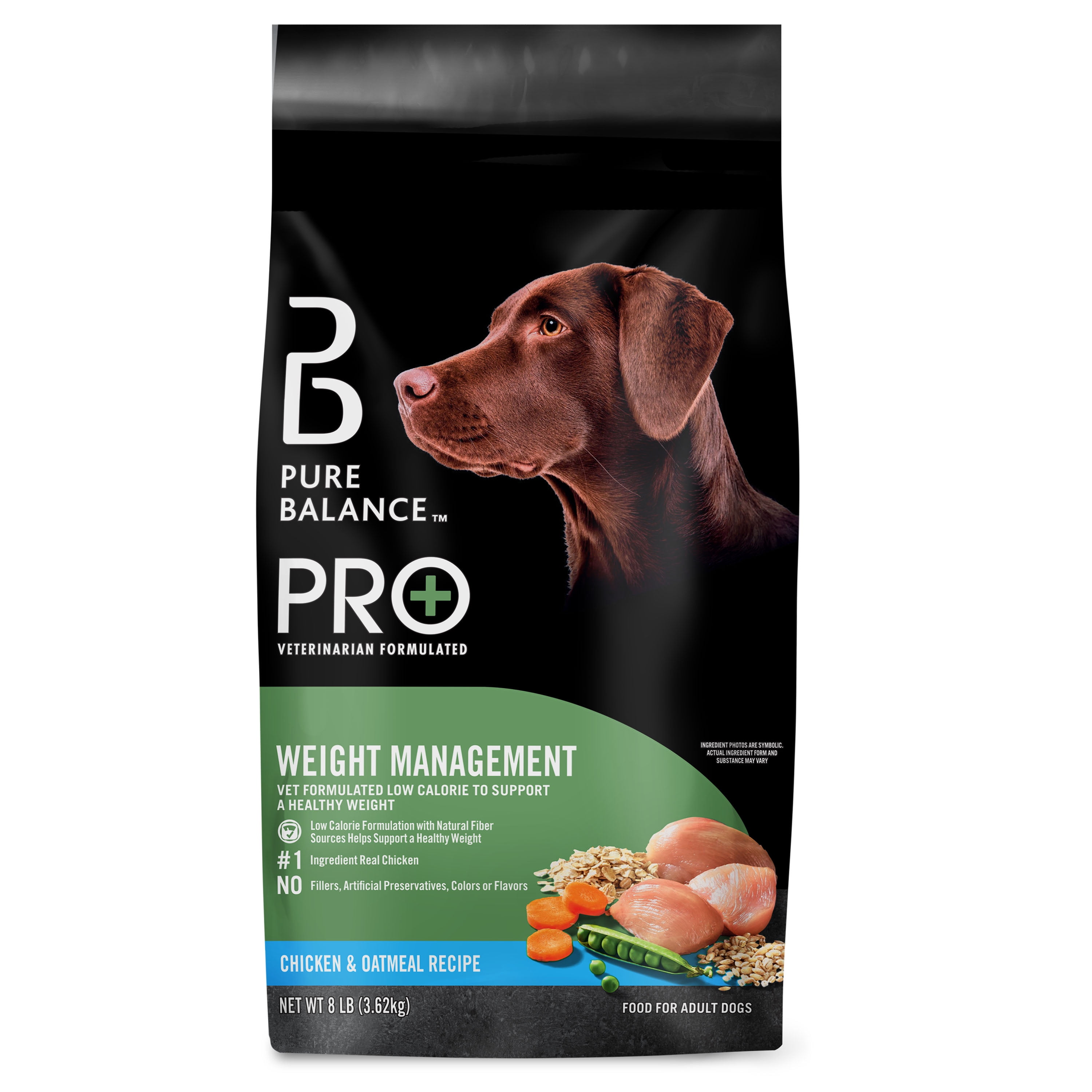
Some dog foods contain fillers like corn, wheat, and soy. These add bulk but few nutrients. They do not help your dog gain muscle or energy. Fillers can fill your dog’s stomach without giving real calories. Avoid foods high in these ingredients. Choose foods rich in protein and healthy fats instead. This helps build weight in a healthy way.
Credit: www.walmart.com
Frequently Asked Questions
What Foods Help Dogs Gain Weight Safely?
High-quality proteins, healthy fats, and complex carbs help dogs gain weight safely. Examples include chicken, salmon, eggs, rice, and sweet potatoes. Adding nutritious dog food supplements can also boost calorie intake without harming health.
How Often Should I Feed My Dog To Gain Weight?
Feed your dog 3 to 4 small meals daily instead of one or two large ones. Frequent meals improve digestion and nutrient absorption, promoting steady and healthy weight gain over time.
Can Homemade Dog Food Increase My Dog’s Weight?
Yes, homemade dog food with balanced ingredients like lean meats, vegetables, and grains can promote weight gain. Ensure meals meet nutritional needs and consult a vet to avoid deficiencies or health issues.
Are High-calorie Dog Treats Good For Weight Gain?
High-calorie dog treats can help increase calorie intake when given moderately. Choose treats with natural ingredients and avoid excessive feeding to prevent obesity or digestive problems.
Conclusion
Feeding your dog the right foods helps them gain healthy weight. Choose meals rich in protein and good fats. Add some tasty treats that support growth and energy. Watch your dog’s progress and adjust meals as needed. Always keep their health and comfort in mind.
A well-fed dog feels happier and more active. Small changes can make a big difference in their weight journey. Take time and care for your furry friend’s nutrition. Healthy weight gain improves your dog’s life every day.