
Is your dog feeling under the weather with an upset stomach? Watching your furry friend struggle can be tough, and you want to help them feel better fast.
Choosing the right food is one of the simplest and most effective ways to soothe their tummy. But with so many options out there, how do you know what’s best for your dog’s sensitive digestion? Keep reading to discover the best foods that can comfort your pup and get them back to their happy, tail-wagging self in no time.

Credit: remipoulin.ca
Causes Of Upset Stomach In Dogs
Dogs can get upset stomachs for many reasons. An upset stomach means your dog may feel sick or have trouble digesting food. Knowing the causes helps you choose the best food to soothe your dog’s tummy. Some causes are simple and easy to fix. Others need a vet’s care.
Dietary Changes
Sudden changes in food can upset a dog’s stomach. New treats or different dog food may cause nausea or diarrhea. Dogs need time to adjust to new diets.
Eating Spoiled Or Bad Food
Dogs often eat things they should not. Spoiled food or garbage can cause stomach pain and vomiting. Keep harmful food out of reach.
Food Allergies Or Intolerances
Some dogs react to certain ingredients. Allergies or intolerances cause upset stomach and itching. Common triggers include dairy, wheat, and chicken.
Infections And Parasites
Bacteria, viruses, and parasites can cause stomach upset. These infections often bring vomiting, diarrhea, and weakness. Prompt treatment is important.
Stress And Anxiety
Stress affects dogs’ digestion too. New places, loud noises, or changes at home can upset their stomach. Calm environments help ease symptoms.

Credit: www.iaasbangladesh.com
Signs Your Dog Has An Upset Stomach
Dogs cannot tell us when they feel sick. They show signs through their actions and body language. Spotting these signs early helps you give the right care. Knowing the signs of an upset stomach keeps your dog safe and comfortable.
Vomiting And Diarrhea
Frequent vomiting or loose stools often mean stomach trouble. These signs show that your dog’s tummy is upset. Watch how often vomiting happens and the type of stool. This information helps the vet if needed.
Lethargy And Weakness
A dog with an upset stomach may seem tired or weak. It may sleep more or avoid playing. Lack of energy can mean discomfort or pain inside.
Loss Of Appetite
Dogs usually love food. Refusing to eat or drinking less can signal a problem. A sick stomach often causes loss of hunger. This sign is important to notice early.
Excessive Drooling And Licking Lips
Dogs with stomach issues may drool more than usual. They also lick their lips often. These habits can mean nausea or discomfort.
Abdominal Pain And Swelling
Your dog might show pain by whining or guarding its belly. Swelling or bloating is another key sign. Touch the belly gently to check for warmth or hardness.
Foods To Avoid During Stomach Issues
When a dog has an upset stomach, certain foods can make the problem worse. Avoiding these foods helps your dog feel better faster. Some foods irritate the stomach or cause more gas and diarrhea.
Knowing what not to feed your dog is just as important as knowing what to feed. Here is a list of foods to avoid during stomach issues.
Fatty And Fried Foods
Fatty and fried foods are hard to digest. They can cause stomach pain and worsen diarrhea. Avoid giving your dog fast food, bacon, or greasy leftovers.
Dairy Products
Many dogs cannot digest dairy well. Milk, cheese, and ice cream may cause gas and diarrhea. Skip these until your dog’s stomach is strong again.
Spicy Foods
Spices irritate the stomach lining. Hot sauces or spicy snacks can make vomiting or diarrhea worse. Keep spicy foods away during stomach trouble.
Chocolate And Sweets
Chocolate is toxic to dogs and can upset their stomachs. Sweets and candy contain sugar and artificial ingredients. Both harm digestion and overall health.
Raw Or Undercooked Meat
Raw meat may carry bacteria that worsen stomach problems. Undercooked chicken or beef can cause infections. Cook meat fully or avoid it when your dog is sick.
Safe Foods To Soothe Your Dog’s Stomach
Dogs with upset stomachs need gentle, easy-to-digest foods. These foods help calm their tummy and provide nutrients. Feeding the right food supports quick recovery and comfort.
Safe foods soothe your dog’s stomach without causing more problems. These options are simple and commonly available. They work well to ease digestive issues.
Boiled Chicken And Rice
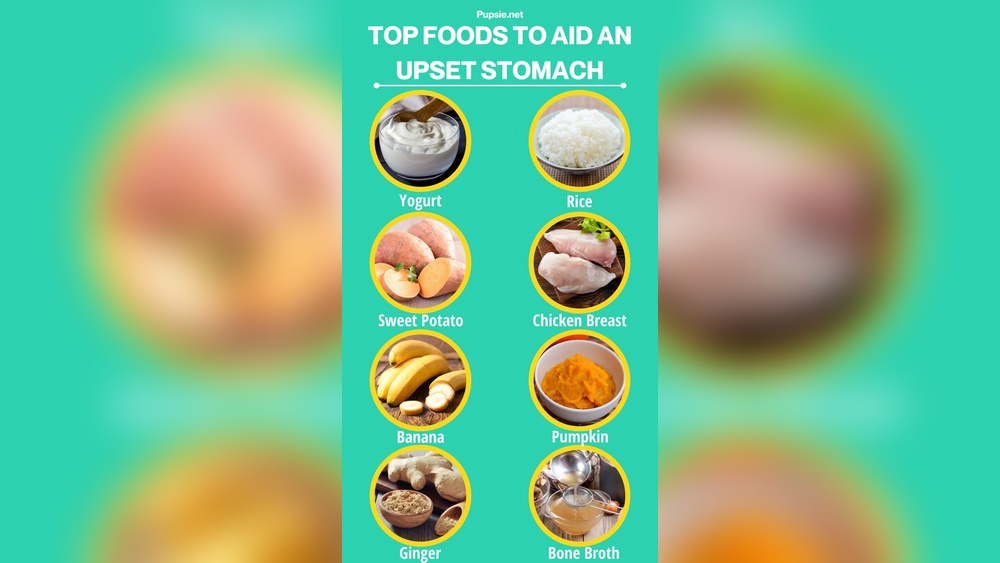
Boiled chicken and rice is a classic choice for upset tummies. Chicken provides lean protein, while rice is easy to digest. Avoid seasoning or oils to keep it gentle.
This mix helps bind stool and reduces diarrhea. It is bland, so it won’t irritate the stomach. Serve small portions to avoid overwhelming your dog’s system.
Pumpkin Puree
Pumpkin puree is rich in fiber, which aids digestion. It helps regulate bowel movements and soothes inflammation. Use plain canned pumpkin, not pumpkin pie filling.
A small spoonful mixed with food can improve stool consistency. Pumpkin is gentle and safe for most dogs. It also provides vitamins and minerals.
Plain Yogurt
Plain yogurt contains probiotics that support gut health. These good bacteria help restore balance in the digestive tract. Choose unsweetened and unflavored yogurt with live cultures.
Offer a small amount to avoid lactose issues. Yogurt can reduce bloating and gas. It also adds protein and calcium to the diet.
Oatmeal
Oatmeal is a soothing, fiber-rich food for dogs. It helps bulk up loose stools and promotes gentle digestion. Use plain, cooked oatmeal without sugar or additives.
Oatmeal is easy to prepare and mix with other foods. It also provides energy and important nutrients. Start with a small serving to check tolerance.
Sweet Potatoes
Sweet potatoes are a good source of vitamins and fiber. They help improve digestion and firm up stools. Cook them thoroughly and serve plain without seasoning.
Sweet potatoes are gentle on the stomach and provide antioxidants. They can be mashed or diced into small pieces. Use them as a treat or meal addition.
Hydration Tips For Dogs With Digestive Troubles
Keeping your dog hydrated is very important during digestive upset. Diarrhea and vomiting cause fast water loss. This can lead to dehydration, which makes your dog feel worse. Water helps flush out toxins and supports healing. Offering the right fluids can make a big difference.
Hydration also helps keep energy up. Dogs with upset stomachs often lose appetite. Drinking fluids keeps them strong until they eat again. Watch your dog’s water intake closely. Encourage drinking in small, frequent amounts.
Offer Fresh, Clean Water Often
Always provide fresh water. Change it several times a day. Dirty or stale water may discourage drinking. Use a clean bowl placed in a quiet spot. Some dogs prefer running water, like a pet fountain.
Use Electrolyte Solutions For Pets
Electrolytes replace lost salts and minerals. These help keep your dog’s body balanced. Use pet-safe electrolyte drinks from the vet or store. Avoid human sports drinks. They contain sugar and ingredients harmful to dogs.
Serve Ice Chips Or Ice Cubes
Ice chips encourage slow drinking. This is good for dogs with nausea. Give small pieces to lick or chew. Ice cubes also cool your dog on hot days. Avoid large chunks that can cause choking.
Try Broth To Increase Fluid Intake
Low-sodium chicken or beef broth is tasty and hydrating. Warm broth can soothe the stomach. Avoid broth with onions, garlic, or spices. These can worsen digestive problems. Use plain, homemade broth or vet-approved brands.

Credit: benya.tech
When To Consult A Veterinarian
Knowing when to contact a veterinarian is very important for your dog’s health. Upset stomachs can sometimes be mild and go away on their own. At other times, they signal a serious problem. Watching your dog’s symptoms closely helps decide if a vet visit is needed.
Some signs need quick medical attention. Other signs may allow home care first. Understanding these signs keeps your dog safe and comfortable.
Severe Or Persistent Vomiting
Vomiting that does not stop after a few hours needs vet care. Vomiting more than twice in a day can cause dehydration. If your dog vomits blood or has a strange color, call the vet immediately.
Diarrhea Lasting More Than 24 Hours
Diarrhea that lasts beyond one day can be serious. It may cause dehydration and nutrient loss. If your dog also has weakness or seems very tired, see a vet soon.
Signs Of Pain Or Discomfort
Whining, restlessness, or guarding the stomach are warning signs. Your dog may have a serious condition causing pain. Pain that lasts or gets worse needs a vet’s help.
Loss Of Appetite And Lethargy
Dogs that refuse food for more than one day need medical advice. Lethargy or unusual tiredness can mean illness. These signs are often linked to serious stomach problems.
Blood In Stool Or Urine
Blood in your dog’s stool or urine is a red flag. It can indicate internal bleeding or infection. Immediate veterinary care is essential to find the cause.
Frequently Asked Questions
What Foods Soothe A Dog’s Upset Stomach?
Boiled chicken and rice are gentle on a dog’s stomach. They provide easy-to-digest nutrients and help firm stools. Plain pumpkin is also beneficial due to its fiber content, which aids digestion and relieves diarrhea.
Can Probiotics Help Dogs With Stomach Issues?
Yes, probiotics support healthy gut bacteria and improve digestion. They can reduce diarrhea and inflammation in dogs with upset stomachs. Always consult your vet before adding probiotics to your dog’s diet.
How Long Should I Feed Bland Food To My Dog?
Feed bland food for 2 to 3 days until symptoms improve. Gradually reintroduce regular food over a week to avoid stomach upset. Monitor your dog’s condition and consult a vet if issues persist.
Is It Safe To Give Dogs Yogurt For Upset Stomachs?
Plain, unsweetened yogurt with live cultures can help balance gut bacteria. It may ease mild digestive upset in dogs. Avoid flavored or sugary yogurts, as they can worsen symptoms.
Conclusion
Choosing the right food helps soothe your dog’s upset stomach. Plain rice, boiled chicken, and pumpkin work well. These foods are gentle and easy to digest. Always introduce new foods slowly and watch your dog closely. Drinking water is also very important to keep your dog hydrated.
If symptoms last, see a vet quickly. Your dog will feel better soon with proper care and food. Taking small steps makes a big difference. Keep your dog comfortable and healthy every day.

