

If you want your Shih Tzu to stay healthy and happy, choosing the right food is key. You might wonder what makes the best food for your furry friend.
Is it the ingredients, the brand, or something else? This guide will help you understand exactly what your Shih Tzu needs to thrive. Keep reading to discover simple tips and expert advice that will make feeding time easier and better for your beloved dog.
Your Shih Tzu deserves the best, and you’re just one step away from finding it.
Nutritional Needs Of Shih Tzus
Shih Tzus have unique nutritional needs that keep them healthy and happy. Their small size and active nature require balanced food. Proper nutrition supports their coat, energy, and overall health. Choosing the right food means understanding their specific dietary needs.
Protein Requirements
Protein builds strong muscles and supports body repair. Shih Tzus need high-quality protein from meat or fish. This helps maintain their energy and keeps their coat shiny. Avoid low-quality protein sources that can cause allergies.
Essential Fats
Fats provide energy and help absorb vitamins. Omega-3 and omega-6 fats keep Shih Tzus’ skin healthy. These fats also reduce inflammation and improve coat shine. Include fish oil or flaxseed in their diet for healthy fats.
Vitamins And Minerals
Vitamins and minerals strengthen the immune system. Vitamin A, E, and B-complex improve vision, skin, and metabolism. Calcium and phosphorus support strong bones and teeth. Balanced nutrients help prevent common health issues.
Hydration Importance
Water is vital for every body function. Shih Tzus need fresh water daily to avoid dehydration. Proper hydration aids digestion and toxin removal. Wet food can help increase their water intake.
Credit: www.youtube.com
Top Commercial Dog Foods
Choosing the best commercial dog food for your Shih Tzu is important. Good food keeps them healthy and happy. Many brands offer different types of food. Each type has benefits for your small dog.
Consider your Shih Tzu’s age, size, and health needs. This helps you pick the right option. Here are popular commercial dog food choices for Shih Tzus.
Dry Kibble Options
Dry kibble is easy to store and serve. It helps keep your dog’s teeth clean. Many formulas include proteins like chicken or lamb. Look for kibble with balanced nutrients. This supports your Shih Tzu’s energy and coat health.
Small-sized kibble suits Shih Tzus well. It is easier for them to chew and digest. Brands often add vitamins and minerals for overall wellness.
Wet Food Choices
Wet food contains more moisture than dry kibble. It can help keep your Shih Tzu hydrated. Wet food is soft and tasty, good for picky eaters. Often made with real meat and vegetables.
Choose wet food with no artificial preservatives. It provides a balanced diet and supports digestion. Mixing wet food with dry kibble can add variety.
Grain-free Alternatives
Grain-free dog foods avoid wheat, corn, and soy. Some Shih Tzus may have grain allergies or sensitivities. Grain-free options use ingredients like sweet potatoes or peas. These provide energy and fiber without grains.
Check labels carefully to ensure complete nutrition. Grain-free foods can help reduce skin issues and improve digestion for some dogs.
Hypoallergenic Brands
Hypoallergenic dog foods reduce the risk of allergies. They often use limited ingredients to avoid triggers. Common proteins include duck, rabbit, or fish. These foods support dogs with sensitive stomachs or skin.
Hypoallergenic options are gentle and easy to digest. Consult your vet to find the best choice for your Shih Tzu’s needs.
Homemade Meal Ideas
Preparing homemade meals for your Shih Tzu can be rewarding. You control the quality and ingredients. Homemade food often suits their small stomachs better. It supports their health and energy.
Focus on meals that balance nutrients. This keeps your dog happy and strong. Each recipe should include proteins, fats, and carbs. Fresh ingredients are best. Avoid processed foods and fillers.
Balanced Recipes
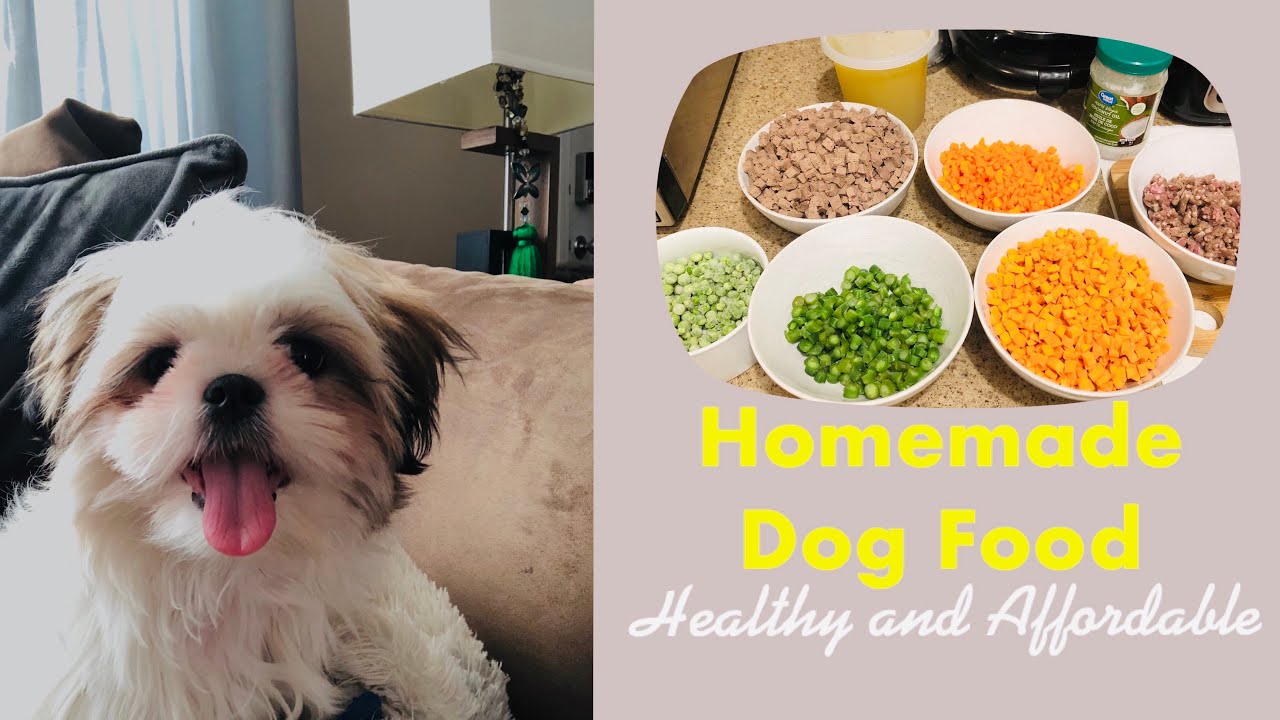
Start with lean meats like chicken or turkey. Cooked well, no seasoning. Add cooked vegetables like carrots or peas. Include a small portion of rice or sweet potato. This provides energy and fiber. Mix well and serve in small portions.
Safe Ingredients
Use fresh, natural foods only. Avoid onions, garlic, and grapes. These can harm your Shih Tzu. Plain cooked eggs and cottage cheese are good protein sources. Fresh water should always be available.
Supplements To Add
Consider adding fish oil for healthy skin. A small amount of calcium helps bones. Probiotics support digestion. Talk to a vet before starting supplements. Dosage depends on your dog’s size and health.
Foods To Avoid
Never feed chocolate or caffeine. These are toxic to dogs. Avoid salty snacks and sugary treats. Raw dough and bones can cause harm. Stick to dog-safe foods only for health and safety.

Credit: www.chewy.com
Treats And Snacks
Treats and snacks play a key role in your Shih Tzu’s daily diet. They offer rewards during training and moments of joy throughout the day. Choosing the right treats keeps your dog happy and healthy. Poor choices can lead to weight gain and health problems. Focus on treats that support good nutrition and fit your dog’s size and needs.
Healthy Treat Options
Pick treats made from natural ingredients. Small pieces of cooked chicken or turkey work well. Carrot sticks and apple slices are crunchy and low in calories. Avoid treats with artificial colors or flavors. Look for products with limited ingredients. Always check for foods safe for dogs. Avoid grapes, onions, and chocolate. Treats with added vitamins or minerals can support health.
Portion Control Tips
Limit treats to 10% of your dog’s daily calories. Use tiny pieces to avoid overfeeding. Count treats as part of daily food intake. Break bigger treats into smaller bites. Offer treats slowly and wait for your dog’s response. Use treats mainly for training or good behavior. Keep a treat schedule to maintain balance. Overfeeding leads to obesity and health risks.
Homemade Treat Recipes
Baking treats at home lets you control ingredients. Mix oats, peanut butter (xylitol-free), and mashed banana. Shape into small balls and bake at low heat. Freeze small pieces of plain yogurt as cool treats. Cook sweet potatoes, cut into bite-size pieces, and dry them. Use simple, dog-safe ingredients only. Homemade treats can be fresher and free from preservatives.
Feeding Schedule And Portions
Feeding your Shih Tzu the right amount at the right time supports their health. A good feeding schedule and proper portions keep your dog active and happy. It also prevents overeating and weight problems. Adjusting food based on age, weight, and activity helps meet their needs.
Age-based Feeding Guidelines
Puppies need more meals than adults. Feed young Shih Tzus 3 to 4 small meals daily. Adult dogs do well with 2 meals per day. Senior dogs may eat less often or need smaller portions. Adjust meals as your dog grows and changes.
Weight Management Tips
Watch your Shih Tzu’s weight closely. Avoid free feeding to prevent overeating. Measure food portions using a cup or scale. Choose food with balanced nutrients and low fillers. Regularly check your dog’s body condition for healthy weight.
Adjusting Portions For Activity Level
Active Shih Tzus burn more calories. Increase food portions slightly for energetic dogs. Less active or older dogs need fewer calories. Change portions based on daily exercise or playtime. Always monitor your dog’s weight after adjustments.
Common Dietary Issues In Shih Tzus
Shih Tzus need special care with their diet. Certain foods can cause health problems. Knowing common dietary issues helps keep your Shih Tzu healthy. Watch for signs of trouble in their eating habits and digestion.
Food Allergies
Shih Tzus often suffer from food allergies. These allergies cause itching, redness, and hair loss. Common allergens include wheat, soy, and dairy. Choose hypoallergenic or limited-ingredient dog food. This reduces the risk of allergic reactions.
Digestive Problems
Digestive issues are common in Shih Tzus. They may have diarrhea, vomiting, or gas. Sensitive stomachs need gentle, easy-to-digest food. Foods rich in fiber help regulate digestion. Avoid sudden changes in diet to prevent upset stomach.
Obesity Risks
Shih Tzus are prone to obesity. Overfeeding and lack of exercise cause weight gain. Obesity leads to joint pain and heart problems. Feed portion-controlled meals with balanced nutrients. Regular exercise keeps your Shih Tzu fit and active.
Consulting Your Veterinarian
Consulting your veterinarian is a key step in choosing the best food for your Shih Tzu. Vets know your dog’s health history and specific needs. Their advice helps create a safe and healthy diet plan. This guidance can prevent problems and improve your dog’s life quality.
Customizing Diet Plans
Your vet can tailor a diet plan for your Shih Tzu’s age, weight, and health. Some dogs need special nutrients or allergies considered. A customized plan ensures your dog gets the right balance of vitamins, proteins, and fats. This personalized approach supports growth and maintains energy.
Monitoring Health Changes
Regular vet visits help track your Shih Tzu’s health and diet effects. Vets watch for changes in weight, coat, and digestion. They can spot signs of food intolerance or nutrient deficiencies early. Monitoring helps adjust the diet before problems grow worse.
When To Change Food
Your vet guides you on when to switch your dog’s food. Changes in age, health, or activity may need a new diet. Signs like itching, upset stomach, or low energy signal it’s time for review. A vet’s advice makes food changes safe and effective.

Credit: bigstateplumbing.com
Frequently Asked Questions
What Is The Best Diet For A Shih Tzu Dog?
The best diet for a Shih Tzu includes high-quality protein, healthy fats, and fiber. Fresh meats, vegetables, and grains support their energy and coat health. Avoid fillers and artificial additives to keep your Shih Tzu healthy and active.
How Often Should I Feed My Shih Tzu Daily?
Feed your Shih Tzu 2 to 3 times daily. Puppies need more frequent meals, while adults thrive on two. Regular feeding supports digestion, energy levels, and weight management. Always provide fresh water alongside meals.
Can Shih Tzus Eat Human Food Safely?
Shih Tzus can eat some human foods like cooked chicken, carrots, and rice. Avoid toxic foods like chocolate, onions, and grapes. Always consult your vet before introducing new foods to prevent health issues.
What Treats Are Healthy For Shih Tzu Dogs?
Healthy treats for Shih Tzus include small pieces of cooked meat, baby carrots, and commercial dog treats with natural ingredients. Treats should be given in moderation to avoid obesity and maintain dental health.
Conclusion
Choosing the best food helps your Shih Tzu stay healthy and happy. Balanced meals give energy and support their small bodies. Fresh ingredients and proper nutrients improve their coat and digestion. Always watch their reactions to new foods. Regular vet visits ensure their diet meets all needs.
Feeding right shows love and care every day. A happy Shih Tzu means a joyful home. Simple steps lead to a strong, lively dog. Keep their meals tasty and nutritious for best results.


