If your dog constantly scratches, chews, or seems uncomfortable after playing outside, grass allergies could be the cause. Finding the best food for dogs with grass allergies isn’t just about avoiding certain ingredients—it’s about giving your furry friend relief and comfort every day.
You want to see your dog happy, healthy, and free from irritation. You’ll discover simple, effective food choices that can help ease your dog’s symptoms and improve their quality of life. Keep reading to find out how you can make mealtime a source of healing, not itching.
Credit: www.poochandmutt.co.uk
Causes Of Grass Allergies In Dogs
Grass allergies in dogs happen when their immune system reacts to certain proteins in grass. The immune system thinks these proteins are harmful. This causes the body to release chemicals that lead to allergy symptoms. Understanding the causes helps pet owners manage and prevent discomfort in dogs.
Dogs can develop grass allergies at any age. Some breeds are more prone to allergies. Environmental factors like pollen levels and grass types also play a role. Knowing what triggers the allergy can help in choosing the best food and care for your dog.
Common Allergy Symptoms
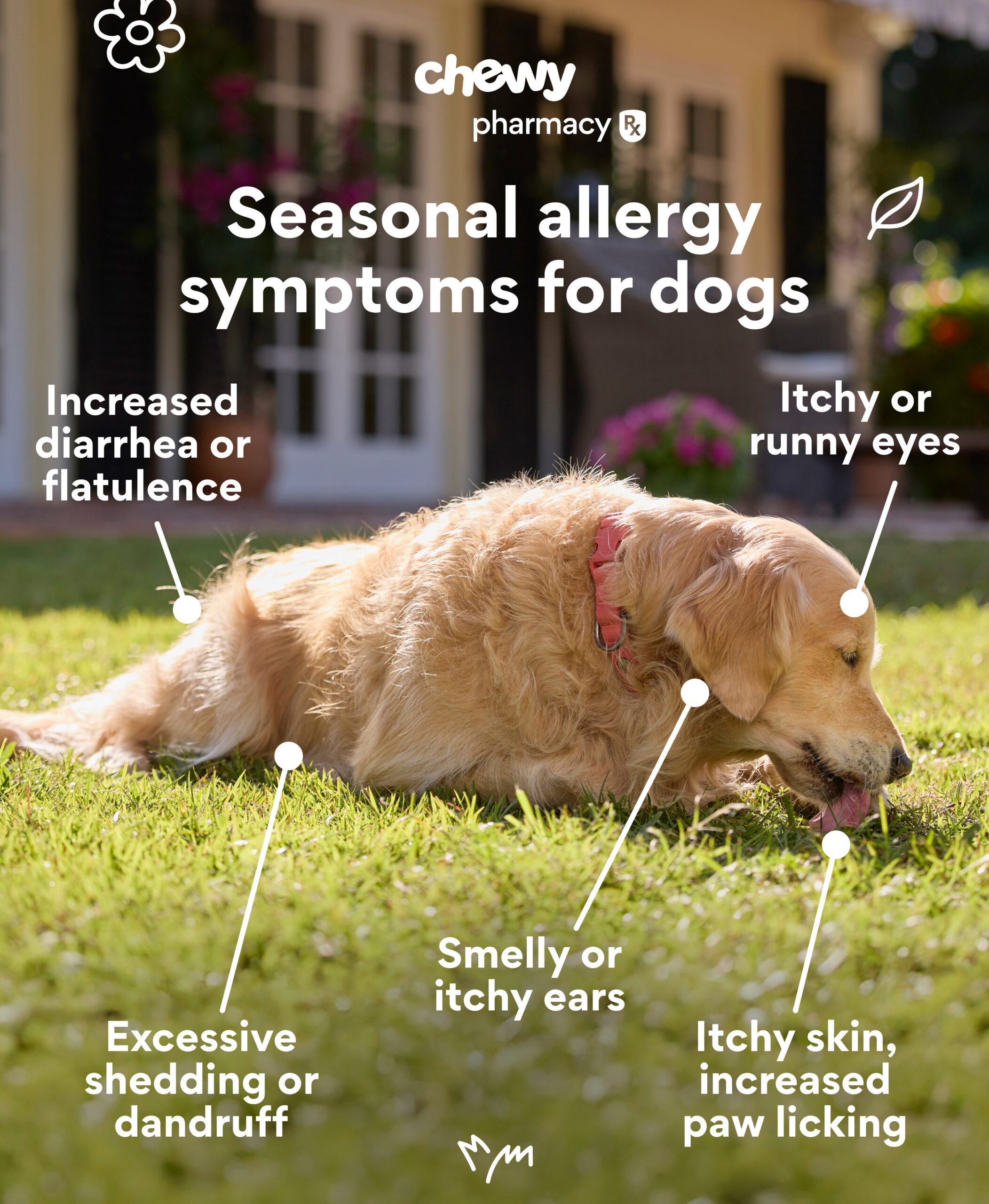
Dogs with grass allergies often show signs like itching and redness. They may scratch or lick their skin a lot. Some dogs have watery eyes or runny noses. Hair loss and skin infections can happen from constant scratching. These symptoms usually appear during grass pollen seasons.
How Grass Triggers Allergies
Grass releases tiny proteins called allergens into the air. Dogs breathe in or touch these allergens while outside. The immune system wrongly identifies these as threats. It then releases histamines and other chemicals. These chemicals cause itching, swelling, and irritation on the skin.
Choosing The Right Dog Food
Dogs with grass allergies need special care in their diet. Choosing the right food helps reduce allergy symptoms. The right dog food supports their health and comfort daily.
Many dog foods contain ingredients that may trigger allergies. Careful selection prevents reactions and keeps dogs active. Understanding what to avoid and what to choose is key.
Key Ingredients To Avoid
Some ingredients can worsen grass allergies in dogs. Wheat, corn, and soy often cause problems. These common fillers may irritate the dog’s system.
Artificial colors and preservatives can also trigger allergies. Avoid foods with chemical additives. Natural and simple recipes work better for sensitive dogs.
Benefits Of Hypoallergenic Diets
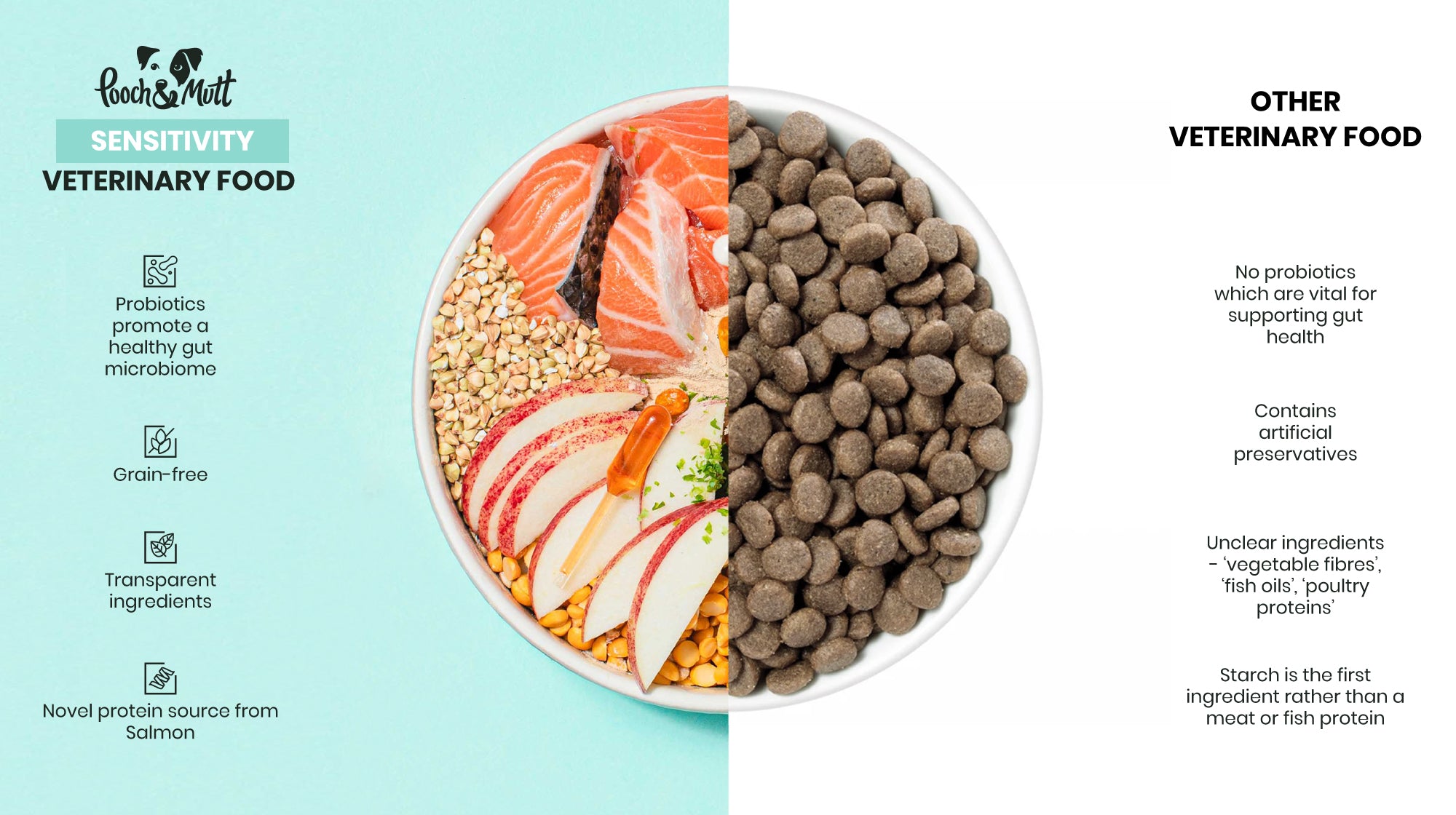
Hypoallergenic diets reduce the chance of allergic reactions. They use limited ingredients to avoid triggers. These foods help calm the dog’s skin and digestion.
Dogs on hypoallergenic diets often show less itching and redness. Their overall energy and mood usually improve. Choosing such diets supports long-term health.
Top Allergy-friendly Dog Food Options
Choosing the right food can ease your dog’s grass allergy symptoms. Certain dog foods reduce allergic reactions and support healthy skin. These allergy-friendly options help your dog feel better daily.
Here are top dog food types that suit dogs with grass allergies. Each option focuses on simple, gentle ingredients for sensitive pets.
Limited Ingredient Diets
Limited ingredient diets use fewer ingredients to lower allergy risks. They avoid common triggers like wheat and soy. These diets usually contain one protein and one carbohydrate source. This simplicity helps identify and avoid allergens. Many dogs with grass allergies thrive on limited ingredient foods.
Grain-free Alternatives
Grain-free dog foods exclude wheat, corn, and barley. Grains can worsen skin allergies for some dogs. These foods use vegetables, potatoes, or legumes instead. Grain-free diets support digestion and reduce inflammation. Many pet owners report fewer allergy flare-ups with grain-free options.
Novel Protein Sources
Novel proteins are rare or new to your dog’s diet. Examples include duck, venison, or rabbit. These proteins lower the chance of allergic reactions. Dogs with grass allergies often respond well to novel protein foods. Switching protein sources can improve your dog’s comfort and health.
Homemade Meals For Allergic Dogs
Making homemade meals for dogs with grass allergies can improve their health. These meals avoid allergens found in many commercial foods. You control every ingredient, ensuring your dog eats safely. Homemade food can boost digestion and reduce allergy symptoms.
Preparing meals at home lets you use fresh, natural ingredients. You can tailor the diet to your dog’s specific needs. This approach often leads to happier, healthier pets with fewer allergy flare-ups.
Safe Ingredients To Use
Choose ingredients known to be gentle on sensitive dogs. Lean meats like chicken, turkey, and lamb work well. Rice and sweet potatoes provide easy-to-digest carbohydrates. Carrots, green beans, and peas add vitamins without causing reactions.
Use oils like fish oil or olive oil for healthy fats. Avoid common allergens like wheat, corn, soy, and dairy. Fresh herbs such as parsley can help with digestion and breath. Always introduce new foods slowly to watch for reactions.
Sample Recipes
Start with a simple chicken and rice dish. Cook 1 cup of chicken breast, diced, with 1 cup of cooked rice. Add ½ cup steamed carrots and 1 tablespoon olive oil. Mix well and serve cooled.
Try a turkey and sweet potato meal. Boil 1 cup ground turkey and 1 cup sweet potato cubes. Stir in ½ cup green beans and 1 teaspoon fish oil. Let it cool before feeding your dog.
Supplements And Additives
Supplements and additives can support dogs with grass allergies. These help reduce inflammation and improve skin health. They also boost the immune system, helping dogs feel better. Choosing the right supplements can ease allergy symptoms effectively.
Omega-3 Fatty Acids
Omega-3 fatty acids help calm skin irritation and redness. They come from fish oil or flaxseed oil. These fats reduce swelling and support healthy skin. Many vets recommend omega-3s for dogs with allergies. Regular use may make your dog’s coat shinier and softer.
Probiotics And Digestive Health
Probiotics improve your dog’s gut health. A healthy gut can reduce allergy reactions. These good bacteria balance the digestive system. They also help your dog absorb nutrients better. Probiotics come in powders, capsules, or treats. Adding them to your dog’s diet can boost overall wellness.
Tips For Managing Grass Allergies
Managing grass allergies in dogs requires consistent care and attention. Small changes in daily routines can reduce your dog’s discomfort. These tips help control allergy symptoms and improve your dog’s quality of life.
Regular Grooming Practices
Brush your dog often to remove pollen and grass particles. Bathing with gentle, hypoallergenic shampoo helps clear allergens from the skin. Check paws and fur after outdoor walks to clean any stuck grass or dirt. Keep your dog’s coat trimmed to reduce allergen buildup. Regular grooming minimizes skin irritation and itching caused by grass allergies.
Environmental Controls
Limit your dog’s time in grassy areas during peak pollen seasons. Use a leash to avoid letting your dog run through tall grass. Wipe your dog’s paws and belly after outdoor play to remove allergens. Keep windows closed during high pollen times to reduce indoor allergens. Regularly clean your home, especially floors and pet bedding, to remove pollen dust. These steps help lower your dog’s exposure to grass allergens.
When To Consult A Veterinarian
Noticing your dog scratching a lot or chewing their paws often can signal allergies. Grass allergies can make dogs uncomfortable and affect their health. Knowing when to see a veterinarian helps your dog get the right care quickly. Early help can stop symptoms from getting worse and improve your dog’s life.
Allergy Testing Options
Veterinarians use tests to find what causes your dog’s allergies. Skin tests involve small needles with allergens placed on the skin. Blood tests check for allergy antibodies in your dog’s blood. Both tests help identify specific allergens, including grass. Testing guides the right treatment and diet choices for your dog.
Treatment Alternatives
Doctors may suggest medicines like antihistamines or steroids to reduce itching. Allergy shots can build your dog’s tolerance over time. Special shampoos and sprays also soothe irritated skin. Changing your dog’s food to limited-ingredient diets can reduce allergy reactions. Your vet will choose treatments based on your dog’s needs and test results.
Credit: www.chewy.com
Credit: www.amazon.com
Frequently Asked Questions
What Foods Help Dogs With Grass Allergies?
Hypoallergenic dog foods with limited ingredients help dogs with grass allergies. Look for grain-free options and novel protein sources like duck or venison. These reduce allergic reactions and improve skin health.
Can Homemade Diets Benefit Dogs With Grass Allergies?
Yes, homemade diets can benefit dogs with grass allergies. They allow control over ingredients, avoiding allergens and irritants. Consult a vet to ensure balanced nutrition and avoid nutritional deficiencies.
Are Grain-free Diets Good For Dogs With Grass Allergies?
Grain-free diets can help dogs with grass allergies by eliminating common allergens like wheat and corn. These diets focus on alternative carbohydrates and proteins, reducing inflammation and allergy symptoms effectively.
How To Identify If My Dog Has Grass Allergies?
Common signs include itching, redness, sneezing, and watery eyes after grass exposure. Consult a vet for allergy testing to confirm grass allergies and get appropriate dietary recommendations.
Conclusion
Choosing the right food helps dogs with grass allergies feel better. Foods with limited ingredients reduce chances of allergic reactions. Fresh, natural ingredients support your dog’s health and comfort. Always check labels to avoid hidden allergens. Consult your vet to find the best diet for your dog.
Small changes in food can make a big difference. Healthy meals mean happier dogs and easier allergy management. Your dog deserves food that keeps allergies away. Simple steps lead to better days for your pet.