
If your dog struggles with digestive issues, you know how tough it can be to see them uncomfortable or in pain. Choosing the right food can make a huge difference in their health and happiness.
But with so many options out there, how do you find the best food that truly supports your dog’s sensitive stomach? You’ll discover simple, effective choices that can help soothe your dog’s digestion and boost their well-being. Keep reading to learn how to give your furry friend the relief they deserve.
:strip_icc()/SPR-Hills-ScienceDiet-SensitiveStomachandSkin-Chicken-Cavin-01-39a7b1b54edb4781922bedf1c3331221.jpg)
Credit: expert-abid.com
Common Digestive Issues In Dogs
Digestive problems in dogs are common and can affect their health and happiness. These issues can range from mild discomfort to serious conditions. Knowing the signs and causes helps pet owners support their dogs better. Understanding digestive issues is the first step to choosing the right food for your dog.
Symptoms To Watch For
Watch for vomiting or frequent diarrhea. Notice if your dog has a swollen belly or seems tired. Loss of appetite or weight drop can also signal problems. Gas and bad breath often point to digestive troubles. These signs show your dog may need a change in diet or care.
Causes And Triggers
Digestive issues happen from many reasons. Food allergies or sudden diet changes often upset the stomach. Eating spoiled food or garbage can cause sickness. Stress and infections may also harm digestion. Some dogs have sensitive tummies that need special diets. Identifying the cause helps find the best food for your dog.
Credit: tda-int.org
Key Nutrients For Digestive Health
Digestive health is crucial for dogs with sensitive stomachs. The right nutrients help ease digestion and reduce discomfort. Feeding your dog food rich in specific nutrients supports gut health and overall wellness. Understanding these key nutrients guides better food choices for your pet.
Fiber Types And Benefits
Fiber helps move food through the digestive tract. Soluble fiber absorbs water, forming a gel that soothes the gut. Insoluble fiber adds bulk to stool, helping regular bowel movements. Both types improve digestion and prevent constipation. Fiber also feeds good bacteria in the gut, promoting a healthy balance.
Probiotics And Prebiotics
Probiotics are live bacteria that support gut health. They restore balance to the digestive system and reduce inflammation. Prebiotics feed these good bacteria, helping them grow and thrive. Together, they improve nutrient absorption and immune function. Foods with probiotics and prebiotics calm upset stomachs and boost digestion.
Easily Digestible Proteins
Proteins that digest easily reduce strain on the stomach. Chicken, turkey, and fish are common gentle proteins for dogs. These proteins provide essential amino acids without causing irritation. High-quality, simple proteins help repair tissues and maintain muscle. Avoid complex or heavily processed proteins that may upset digestion.
Top Gentle Dog Food Options
Choosing the right food is key for dogs with sensitive stomachs. Gentle dog food options help ease digestion and reduce discomfort. These foods focus on simple ingredients and easy-to-digest nutrients. They can improve your dog’s overall health and happiness.
Here are some top gentle dog food options that support digestive health.
Limited Ingredient Diets
Limited ingredient diets use fewer ingredients to lower allergy risks. They often include one protein source and one carbohydrate. This simplicity helps reduce stomach upset and inflammation. Dogs with food sensitivities benefit from these diets. They are easier to digest and less likely to cause reactions.
Grain-free Choices
Grain-free dog foods remove common grains like wheat and corn. Some dogs have trouble digesting these grains. Grain-free options use vegetables, potatoes, or legumes instead. This helps reduce gas and diarrhea. Grain-free diets can be gentler on sensitive stomachs.
Hydrolyzed Protein Formulas
Hydrolyzed protein formulas break down proteins into tiny pieces. This process makes proteins easier to digest. It also helps prevent immune reactions to food. These formulas are ideal for dogs with severe allergies or digestive issues. They support healing and comfort in the gut.

Credit: labiosthetique.ee
Homemade Diets For Sensitive Stomachs
Homemade diets can help dogs with sensitive stomachs feel better. Preparing food at home lets you control ingredients. You avoid additives and fillers that may cause upset. Fresh, simple ingredients often digest easier for dogs. This approach supports better digestion and overall health. It also allows you to tailor meals to your dog’s needs.
Simple Recipes To Try
Start with plain boiled chicken or turkey. Mix with cooked white rice for easy digestion. Add steamed carrots or pumpkin for fiber and vitamins. Use small portions to see how your dog reacts. Avoid seasoning or spices that might irritate. Gradually introduce new ingredients one at a time.
Another option is boiled lean ground beef mixed with sweet potatoes. Sweet potatoes are gentle on the stomach and provide energy. Always cook meat thoroughly to avoid bacteria. These meals should be fresh and served at room temperature.
Foods To Avoid
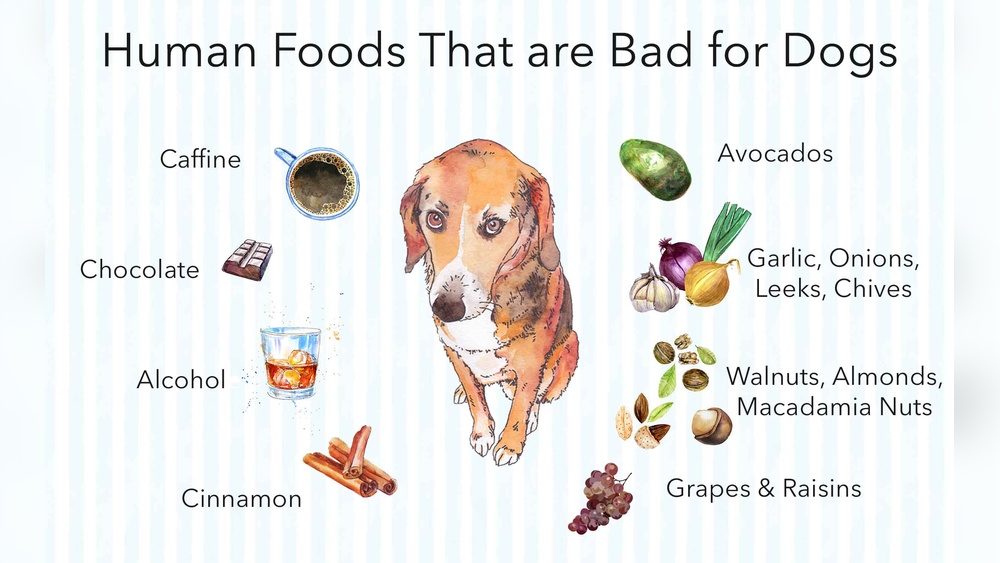
Avoid foods high in fat like fried items or fatty meats. Dairy products can cause diarrhea in many dogs. Onions and garlic are toxic and must never be given. Spicy or heavily seasoned foods upset sensitive stomachs. Avoid raw eggs and bones to prevent infections or blockages. Chocolate, grapes, and raisins are also harmful to dogs.
Feeding Tips For Dogs With Sensitive Digestion
Feeding dogs with sensitive digestion requires special care. Their stomachs can be easily upset by rich or large meals. Choosing the right feeding habits helps keep their digestive system calm and healthy. Small changes in how and what they eat can make a big difference in their comfort.
Meal Frequency And Portion Control
Feed your dog smaller meals more often during the day. This reduces strain on their digestive system. Large meals can cause bloating and discomfort. Split daily food into two or three portions. Keep portions consistent to avoid sudden changes in digestion. Watch your dog’s weight to adjust portions if needed.
Introducing New Foods Safely
Introduce new foods slowly to avoid upsetting your dog’s stomach. Start by mixing a small amount of new food with their current diet. Gradually increase the new food amount over one to two weeks. Watch for any signs of digestive trouble like vomiting or diarrhea. If problems occur, stop the new food and try again later.
When To Consult A Veterinarian
Knowing when to consult a veterinarian is vital for dogs with digestive issues. Some signs mean your dog needs professional care. Early help can prevent serious problems. Watch your dog closely and act fast.
Red Flags And Persistent Symptoms
Look for vomiting that does not stop. Diarrhea lasting more than two days is a concern. Loss of appetite or weight can signal trouble. Your dog may show signs of pain or discomfort. Bloody stool or a swollen belly are urgent signs. These symptoms need immediate veterinary attention.
Diagnostic Tests And Treatments
The vet may run blood tests to check organ health. Stool samples help find infections or parasites. X-rays or ultrasounds reveal blockages or abnormalities. Treatment depends on the diagnosis. It may include medicine, special diets, or fluids. Follow the vet’s advice closely for the best results.
Frequently Asked Questions
What Are The Best Foods For Dogs With Digestive Issues?
The best foods for dogs with digestive issues include easily digestible proteins like chicken and turkey. Include fiber-rich vegetables and rice. Avoid fatty, spicy, or processed foods. Special diets with probiotics and prebiotics also help maintain gut health.
How Can I Improve My Dog’s Digestion Naturally?
Improve digestion naturally by feeding your dog high-quality, fiber-rich foods. Add probiotics to their diet to boost gut flora. Ensure fresh water is available always. Regular exercise also supports healthy digestion and reduces bloating or constipation.
Which Ingredients Should I Avoid For Dogs With Sensitive Stomachs?
Avoid artificial additives, grains like corn and wheat, and high-fat foods. Dairy products and spicy ingredients can irritate sensitive stomachs. Also, stay away from chocolate, onions, and garlic, as they are toxic and worsen digestive problems.
Can Homemade Dog Food Help With Digestive Problems?
Yes, homemade dog food can help by controlling ingredients and avoiding allergens. Use lean proteins, boiled vegetables, and rice for easy digestion. Consult your vet for recipes tailored to your dog’s needs and to ensure balanced nutrition.
Conclusion
Choosing the right food helps dogs with sensitive stomachs feel better. Foods rich in fiber and gentle ingredients support healthy digestion. Always watch how your dog reacts to new meals. Consult your vet for advice tailored to your pet’s needs.
Small changes can make a big difference in your dog’s health. Keep meals consistent and balanced to avoid upset tummies. Healthy digestion means a happier, more active dog every day. Simple care and good food go a long way.


