
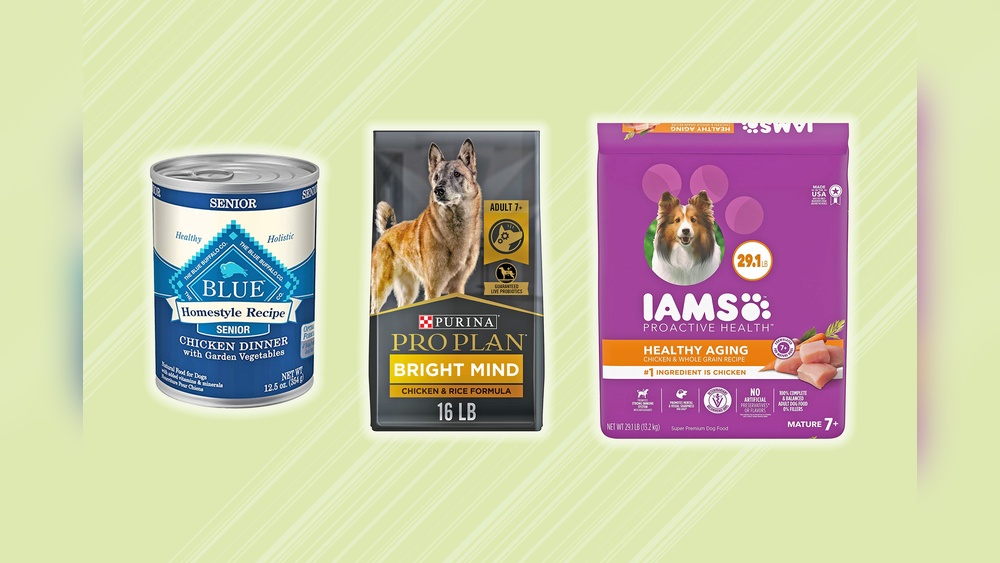
As your dog grows older, you want to make sure they stay happy and healthy for as long as possible. Choosing the best food for aging dogs is one of the most important steps you can take.
The right diet can boost their energy, support their joints, and keep their coat shiny. But with so many options out there, how do you know what’s truly best for your furry friend? Keep reading, and you’ll discover simple, effective ways to nourish your dog as they age, helping them enjoy every moment by your side.
Nutritional Needs Of Senior Dogs
Senior dogs need special care in their diet. Their bodies change as they age, so their food must change too. Good nutrition helps keep them active and healthy. It supports their joints, heart, and immune system. Feeding the right food can make their golden years better.
Changes In Metabolism
Older dogs burn calories slower than young dogs. Their metabolism slows down with age. They need fewer calories to avoid weight gain. Extra weight can cause health problems. Feeding smaller meals with balanced nutrients helps control their weight.
Essential Nutrients For Aging Pets
Senior dogs need more protein to keep muscles strong. They also need omega-3 fatty acids for joint health. Fiber is important to aid digestion. Vitamins E and C support the immune system. Calcium and phosphorus keep bones healthy and strong.
Common Health Concerns
Many older dogs face joint pain and arthritis. Kidney and heart problems become more common. Digestive issues can appear with age. Good nutrition helps manage these problems. Foods with antioxidants can reduce inflammation and support health.
High-quality Protein Sources
High-quality protein is crucial for aging dogs. It helps keep their muscles strong and supports overall health. Proteins provide essential amino acids that dogs cannot make on their own. Choosing the right protein sources can improve your dog’s energy and vitality.
Lean Meats And Fish
Lean meats like chicken, turkey, and beef are excellent protein sources. They contain fewer fats but provide essential nutrients. Fish such as salmon and whitefish offer omega-3 fatty acids. These fats help reduce inflammation and support joint health. Including lean meats and fish in your dog’s diet promotes healthy muscles and skin.
Plant-based Proteins
Plant-based proteins come from beans, lentils, and peas. They are good alternatives for dogs with meat allergies. These proteins supply fiber, which aids digestion. While plant proteins may lack some amino acids, combining different sources ensures a balanced diet. They add variety and can be gentle on your dog’s stomach.
Benefits For Muscle Maintenance
Proteins repair and build muscle tissues. Aging dogs lose muscle mass naturally. High-quality protein slows this loss and improves strength. Strong muscles help your dog stay active and mobile. Proper protein intake also supports a healthy immune system. Feeding the right proteins helps your dog live a happier life.
Healthy Fats And Oils
Healthy fats and oils play a key role in the diet of aging dogs. They support brain function, joint health, and energy levels. These fats also help keep your dog’s skin and coat in top shape. Choosing the right fats can make a big difference in your pet’s overall well-being.
Omega-3 And Omega-6 Fatty Acids
Omega-3 and Omega-6 are essential fats for dogs. They cannot produce these fats on their own. These fatty acids reduce inflammation and promote heart health. Omega-3s support brain and eye function as dogs age. Omega-6 helps maintain skin health and fur quality. A good balance between Omega-3 and Omega-6 is important.
Sources Like Fish Oil And Flaxseed
Fish oil is a rich source of Omega-3 fatty acids. It comes from cold-water fish like salmon and sardines. Flaxseed also provides Omega-3, but in a plant-based form. Both fish oil and flaxseed can be added to your dog’s diet. They come in oils, capsules, or mixed in food. These sources are easy to digest and absorb.
Impact On Skin And Coat Health
Healthy fats improve the shine and softness of your dog’s coat. They reduce dryness, itching, and flaking of the skin. Fats help keep the skin hydrated and resilient. Older dogs often suffer from dull fur and irritated skin. Adding healthy fats can restore the natural glow and comfort. It also supports healing from minor skin problems.

Credit: portlandpetfoodcompany.com
Fiber And Digestive Health
Fiber plays a key role in supporting digestive health in aging dogs. It helps keep the digestive system moving smoothly. Older dogs often face constipation or irregular bowel movements. A diet rich in fiber can ease these issues and improve overall gut health.
Fiber also helps regulate blood sugar and controls weight. Maintaining a healthy weight is vital for senior dogs to avoid extra strain on joints and organs.
Importance Of Fiber In Senior Diets
Fiber improves digestion by adding bulk to stools. This helps prevent constipation, a common problem in older dogs. It also slows digestion, allowing better nutrient absorption. Fiber promotes healthy gut bacteria that support immune function. Including fiber in senior dog diets can reduce risks of digestive problems.
Fruits And Vegetables For Digestion
Many fruits and vegetables are natural fiber sources. Carrots, pumpkin, and green beans offer soluble fiber that soothes the digestive tract. Apples and blueberries provide antioxidants and vitamins along with fiber. These foods help keep stools firm and regular. They also add essential nutrients for overall health.
Probiotics And Prebiotics
Probiotics are good bacteria that balance the gut flora. They boost digestion and help fight harmful bacteria. Prebiotics feed these healthy bacteria and support their growth. Yogurt, kefir, and certain supplements offer probiotics. Garlic, chicory root, and bananas contain prebiotics. Together, they improve digestion and strengthen the immune system.
Vitamins And Minerals
Vitamins and minerals play a key role in keeping aging dogs healthy. They support many body functions, such as strong bones, a good immune system, and energy levels. Feeding your dog food rich in these nutrients helps them stay active and comfortable as they grow older.
Calcium And Bone Support
Calcium is vital for maintaining strong bones and teeth. Aging dogs often face joint problems and weaker bones. Foods high in calcium help slow down bone loss and keep joints stable. Look for ingredients like dairy, fish, and specially formulated dog foods with added calcium. Balanced calcium levels reduce the risk of fractures and arthritis pain.
Antioxidants For Immune Boost
Antioxidants protect cells from damage caused by aging. Vitamins A, C, and E are powerful antioxidants for dogs. These nutrients help boost the immune system and fight infections. Fruits, vegetables, and some meats contain natural antioxidants. Feeding your dog antioxidant-rich food supports overall health and vitality.
Supplements To Consider
Supplements can fill gaps in your dog’s diet. Common choices include fish oil, glucosamine, and multivitamins. Fish oil supports heart and brain health. Glucosamine helps repair cartilage and ease joint pain. Multivitamins provide a balanced mix of essential nutrients. Always talk to a vet before starting supplements to ensure safety and correct dosage.
Top Commercial Dog Foods For Seniors
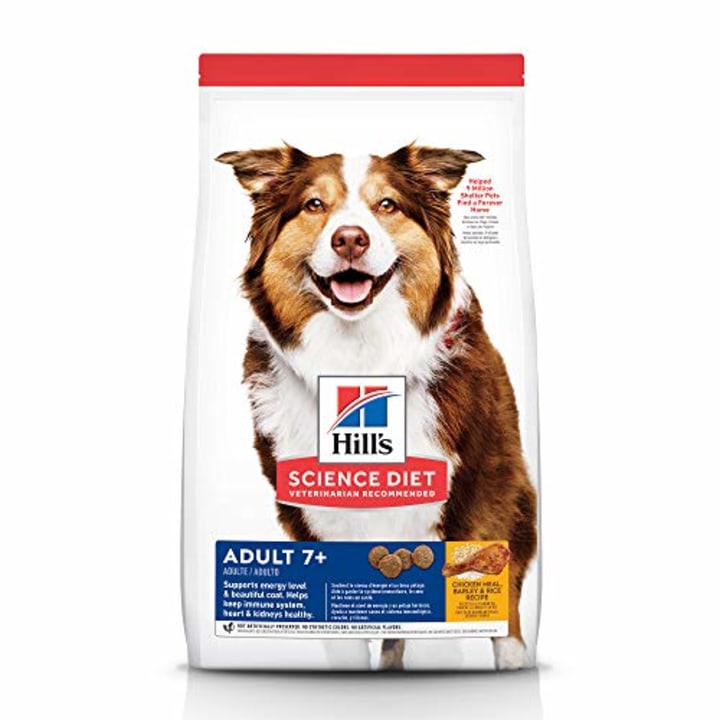
Choosing the right food for aging dogs is key to their health and happiness. Senior dogs have different needs than younger ones. Their digestion slows, and their joints may ache. Quality commercial foods can meet these needs well. Many brands offer special recipes for older dogs. These foods support energy, digestion, and joint care. Here are some top types of commercial dog foods for seniors.
Grain-free Options
Grain-free dog foods skip wheat, corn, and soy. Some older dogs have trouble digesting grains. Grain-free diets reduce stomach upset and improve coat health. These foods often use sweet potatoes or peas instead. They provide steady energy with fewer allergens. Look for grain-free foods rich in protein and healthy fats. This helps keep muscles strong and skin soft.
Limited Ingredient Diets
Limited ingredient diets use few simple ingredients. This helps dogs with food sensitivities or allergies. These foods avoid common triggers like beef or dairy. They focus on one protein and one carbohydrate source. This makes digestion easier for aging dogs. Limited ingredients also mean less chance of digestive issues. Choose foods with added vitamins and minerals for extra support.
Special Formulations For Joint Health
Joint health is vital for senior dogs. Special formulas include ingredients like glucosamine and chondroitin. These help reduce arthritis pain and improve mobility. Omega-3 fatty acids also lower inflammation in joints. Foods with these nutrients help dogs stay active longer. Look for labels mentioning joint support or mobility care. Feeding these foods can improve your dog’s quality of life.
Homemade Meals And Treats
Preparing homemade meals and treats for aging dogs can improve their health and happiness. Fresh ingredients offer better nutrition than many store-bought options. Cooking at home lets you control what your dog eats. You can avoid harmful additives and focus on natural foods. This approach supports aging dogs’ changing needs.
Safe Ingredients For Aging Dogs
Choose lean proteins like chicken, turkey, or fish. These provide essential amino acids for muscle health. Include cooked vegetables such as carrots, green beans, and sweet potatoes. They add fiber and vitamins without extra calories. Avoid onions, garlic, grapes, and chocolate as they are toxic. Use small amounts of healthy oils like fish oil for a shiny coat.
Balanced Meal Ideas
Mix cooked chicken with brown rice and steamed vegetables. This combo offers protein, carbs, and fiber. Try ground turkey with pumpkin puree and peas for digestive health. Add a spoon of cottage cheese for calcium and probiotics. Keep portions small and adjust based on your dog’s weight and activity.
Treats That Promote Health
Make simple treats with mashed sweet potatoes and oat flour. Bake them into small biscuits for easy chewing. Freeze plain yogurt with blueberries for a cool snack. Use apple slices or baby carrots as crunchy rewards. These treats help maintain weight and provide vitamins without fillers.
Credit: www.nbcnews.com
Foods To Avoid For Senior Dogs
Choosing the right food for senior dogs means knowing what to avoid. Some ingredients can harm aging dogs or make their health worse. Avoiding certain foods helps keep them strong and comfortable.
Toxic Ingredients
Some ingredients are poisonous to dogs. Chocolate, grapes, and raisins can cause serious illness. Onions and garlic can damage their red blood cells. These ingredients must never be in your dog’s food.
Excessive Salt And Sugar
Too much salt can hurt your dog’s heart and kidneys. Sugar leads to weight gain and dental problems. Senior dogs need low salt and low sugar diets for better health and energy.
Human Foods That Harm Dogs
Many human foods can be dangerous for dogs. Alcohol, caffeine, and fatty foods often cause stomach upset. Cooked bones can splinter and cause choking or injury. Keep these foods away from your senior dog.
Tips For Transitioning To Senior Diets
Switching your dog to a senior diet needs care and patience. Older dogs have different nutritional needs. Sudden food changes can cause stomach upset or refusal to eat. Following simple tips helps your dog adjust well to new food. It supports their health and comfort during aging.
Here are important tips for a smooth transition to senior diets.
Gradual Food Changes
Start by mixing a small amount of new food with the current diet. Slowly increase the new food over 7 to 10 days. This helps your dog’s stomach get used to the new ingredients. Watch for any signs of diarrhea or vomiting. If any issues occur, slow down the transition process.
Monitoring Health And Weight
Keep track of your dog’s weight during the diet change. Senior dogs can lose or gain weight easily. Regularly check their energy levels and coat condition. Healthy skin and shiny fur show good nutrition. Note any changes in appetite or bathroom habits. These details help you understand how the new diet affects your dog.
Consulting Your Veterinarian
Talk to your vet before changing your dog’s food. They can recommend the best senior diet based on health needs. Your vet may suggest special formulas for joint health or kidney support. Regular check-ups ensure your dog stays healthy with the new diet. Your vet’s advice is key to a safe and effective transition.

Credit: www.southmesa.com
Frequently Asked Questions
What Are The Best Nutrients For Aging Dogs?
Aging dogs need nutrients like protein, omega-3 fatty acids, and antioxidants. These support muscle health, joint function, and immunity. Fiber aids digestion, while vitamins help maintain energy and vitality. Balanced nutrition improves quality of life and longevity for senior dogs.
How Does Diet Affect Aging Dog’s Joint Health?
A diet rich in omega-3 fatty acids and glucosamine supports joint health. These nutrients reduce inflammation and promote cartilage repair. Proper nutrition can ease arthritis symptoms and improve mobility in aging dogs. Consistent feeding of joint-friendly foods benefits older dogs’ overall comfort.
Should Aging Dogs Eat Fewer Calories?
Yes, older dogs often need fewer calories due to reduced activity. Lower calorie intake helps prevent obesity and related health issues. It’s important to adjust food portions and choose nutrient-dense meals. Maintaining a healthy weight extends lifespan and enhances senior dogs’ well-being.
Which Proteins Are Best For Senior Dogs?
High-quality, easily digestible proteins like chicken, turkey, and fish are ideal. These proteins help maintain muscle mass and support metabolism in aging dogs. Avoid heavy red meats that are harder to digest. Balanced protein intake is crucial for healthy aging.
Conclusion
Choosing the right food helps your aging dog stay healthy and happy. Balanced meals support their joints, heart, and digestion. Small changes can make a big difference in their energy. Pay attention to ingredients that provide vitamins and protein. Consult your vet to find the best diet for your dog’s needs.
Feeding your dog well shows your love and care every day. Keep their meals simple, nutritious, and suited to their age. Healthy food means a better life for your loyal friend.


