
If your dog often struggles with upset stomachs, you know how frustrating it can be to watch them uncomfortable and restless. Finding the best food for a dog with a sensitive stomach isn’t just about nutrition—it’s about giving your furry friend the comfort and health they deserve.
You want to see your dog happy, energetic, and pain-free, but with so many options out there, how do you choose the right one? Keep reading, because we’re breaking down exactly what to look for in dog food that soothes sensitive tummies and supports your pet’s well-being every day.
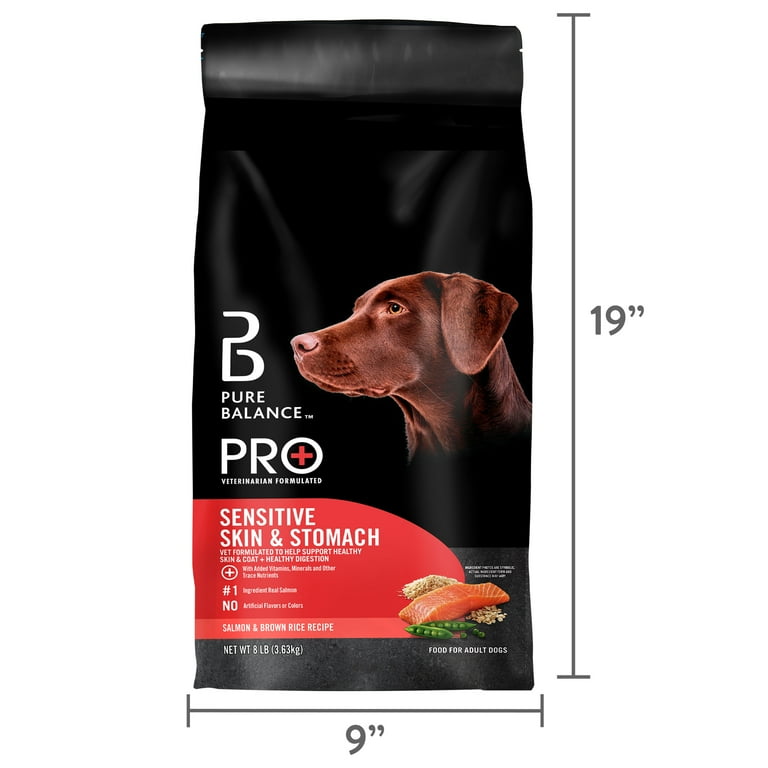
Credit: www.walmart.com
Symptoms Of Sensitive Stomach In Dogs
Dogs with sensitive stomachs often show clear signs. Knowing these symptoms helps you act fast. Early detection protects your dog’s health. Watch your dog carefully to spot any changes.
Common Digestive Issues
Dogs with sensitive stomachs may vomit often. Diarrhea can happen after meals or anytime. Some dogs have gas and bloating. Stomach pain makes dogs restless or whine. Loss of appetite is also common.
Behavioral Signs
Dogs may lick their lips or drool more. They might avoid eating or eat slowly. Some dogs seem tired or less playful. Restlessness or pacing can show discomfort. Pay attention to sudden mood changes.
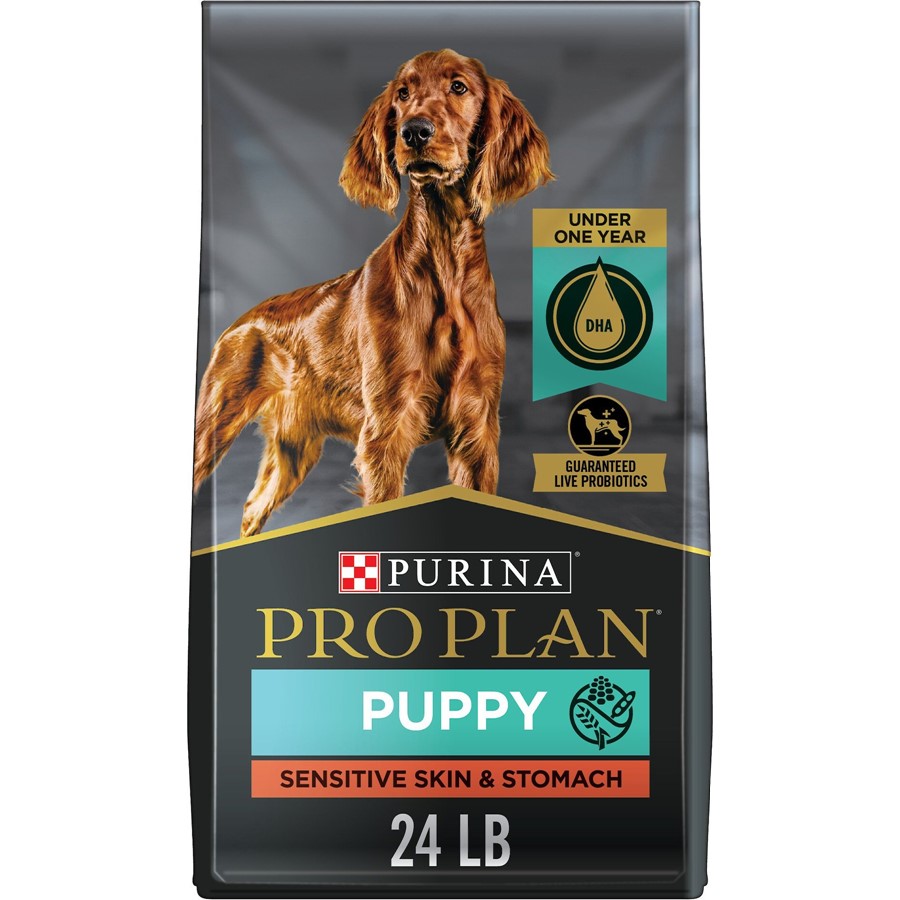
Credit: www.petcarerx.com
Ingredients To Avoid
Choosing the right food for a dog with a sensitive stomach means avoiding certain ingredients. These ingredients can cause discomfort, allergies, or digestive problems. Knowing what to skip helps keep your dog healthy and happy.
Common Allergens
Many dogs react poorly to specific foods. Wheat, corn, and soy often cause allergies. These ingredients can lead to itching, vomiting, or diarrhea. Dairy products also upset some dogs’ stomachs. Chicken and beef are common protein allergens too. Avoiding these can reduce stomach issues and improve digestion.
Artificial Additives
Artificial colors, flavors, and preservatives are harmful. They can irritate your dog’s stomach and cause allergic reactions. These additives add no nutrition but may cause long-term health problems. Choosing natural, additive-free food supports better digestion and overall well-being.
Key Nutrients For Gentle Digestion
Dogs with sensitive stomachs need special nutrients to keep digestion smooth. Gentle digestion means less upset and better nutrient absorption. Choosing the right food helps your dog feel healthy and happy. Focus on ingredients that support the gut and reduce irritation.
Easily Digestible Proteins
Proteins are essential for your dog’s growth and repair. For sensitive stomachs, select proteins that are easy to break down. Chicken, turkey, and fish are good choices. These proteins reduce strain on the digestive system. Avoid heavy or greasy meats that cause discomfort.
Fiber And Prebiotics
Fiber helps regulate digestion and promotes healthy bowel movements. Prebiotics feed good bacteria in the gut. Together, they improve gut health and reduce inflammation. Sources include pumpkin, sweet potatoes, and chicory root. A balanced fiber intake prevents diarrhea and constipation.
Healthy Fats
Fats provide energy and support cell health. Omega-3 and omega-6 fatty acids are especially beneficial. They reduce inflammation and soothe the digestive tract. Fish oil and flaxseed oil are great fat sources. Avoid too much fat, which can upset sensitive stomachs.
Top Dry Dog Foods For Sensitive Stomachs
Choosing the right dry dog food helps ease stomach issues. Sensitive stomachs need gentle ingredients that are easy to digest. Many dry dog foods focus on simple recipes with fewer ingredients. These foods reduce the chance of upset and support your dog’s health. The following options offer balanced nutrition for dogs with sensitive tummies.
Hill’s Science Diet Sensitive Stomach & Skin
Hill’s Science Diet uses high-quality ingredients with added fiber. This formula promotes healthy digestion and soothes the stomach. It contains prebiotic fibers that support good bacteria in the gut. The recipe avoids common allergens like corn and soy. Dogs often show improved digestion and less gas.
Blue Buffalo Basics Limited Ingredient Diet
Blue Buffalo Basics focuses on simple, limited ingredients. It features a single protein source to prevent allergies. This dry food includes pumpkin and easily digestible carbohydrates. No grains or artificial additives irritate sensitive stomachs. Many pet owners report fewer stomach upsets after switching.
Natural Balance L.i.d. Limited Ingredient Diets
Natural Balance L.I.D. offers a gentle formula with minimal ingredients. It uses novel proteins like duck or venison. The diet is grain-free and rich in omega fatty acids. These nutrients help calm inflammation in the digestive system. Dogs with food sensitivities often benefit from this choice.
Wellness Simple Limited Ingredient Diet
Wellness Simple uses a straightforward recipe with one protein source. This dry food supports digestion with added probiotics. It avoids common allergens and fillers. The balanced nutrition helps maintain healthy digestion and skin. Many dogs show improved comfort and energy levels.
Best Wet Dog Foods For Gentle Nutrition
Wet dog foods offer a soft texture and high moisture, ideal for sensitive stomachs. They help keep dogs hydrated and aid digestion. Gentle ingredients reduce the risk of upset and allergies.
Choosing the right wet food can ease stomach discomfort. Many formulas include limited ingredients and easy-to-digest proteins. These foods support gut health and provide balanced nutrition.
Limited Ingredient Wet Foods
Limited ingredient wet foods use fewer components to avoid stomach trouble. They focus on simple recipes with one protein source. This approach helps identify and avoid allergens.
Look for foods with single meat types like turkey or lamb. These options often contain gentle vegetables and no fillers. It makes digestion smoother for sensitive dogs.
Grain-free Wet Dog Foods
Grain-free wet foods remove common grains like wheat and corn. Some dogs react badly to these ingredients. Grain-free recipes use alternatives like sweet potatoes or peas.
These recipes reduce irritation and support a calm stomach. They provide fiber and nutrients without causing discomfort. Good for dogs with grain sensitivities.
Wet Foods With Probiotics
Probiotics help balance the good bacteria in the gut. Wet foods with probiotics can improve digestion and reduce gas. They support a healthy immune system too.
Choose wet foods that list live probiotics on the label. These foods often help dogs with chronic stomach issues. They promote better nutrient absorption and overall gut health.
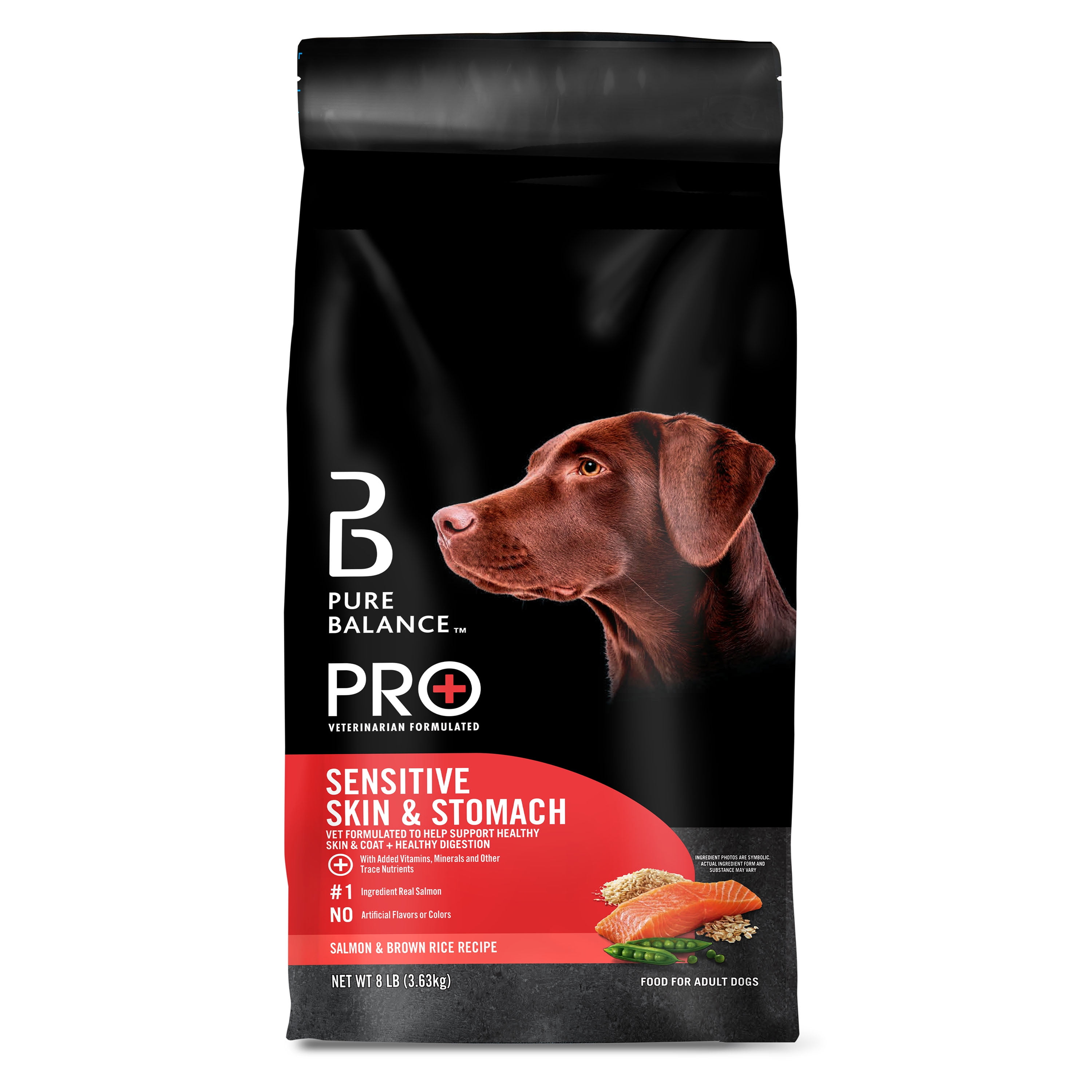
Credit: www.visco-foam.com
Homemade Meal Ideas
Homemade meals offer great control over what your dog eats. You can choose ingredients that soothe a sensitive stomach. Cooking at home also reduces the risk of hidden additives or fillers. Preparing meals yourself helps maintain your dog’s health and comfort.
Simple Recipes
Start with plain boiled chicken and rice. Both are gentle on the stomach and easy to digest. Add cooked carrots for fiber and vitamins. Another option is boiled sweet potato with ground turkey. These ingredients provide nutrients without upsetting the stomach. Keep portions small and meals frequent.
Safe Ingredients
Use lean meats like chicken, turkey, or fish. Avoid fatty cuts and processed meats. Choose white rice or sweet potatoes as carb sources. Vegetables like carrots, green beans, and pumpkin help digestion. Do not use onions, garlic, or spices. These can cause stomach problems and toxicity.
Feeding Tips For Sensitive Dogs
Feeding a dog with a sensitive stomach requires careful attention. The right feeding habits can help reduce stomach upset and improve digestion. Small changes in how and when you feed your dog make a big difference. Follow these tips to support your dog’s digestive health and comfort.
Portion Control
Serve smaller meals to avoid overloading your dog’s stomach. Large portions can cause discomfort and indigestion. Measure food carefully to keep portions consistent. Balanced portions help maintain steady energy and prevent stomach stress.
Meal Frequency
Feed your dog more often but in smaller amounts. Multiple small meals are easier to digest than one or two large meals. Spread feeding times evenly throughout the day. This approach supports better digestion and reduces the risk of stomach upset.
Transitioning Foods
Change your dog’s food gradually over 7 to 10 days. Sudden changes can upset sensitive stomachs and cause diarrhea or vomiting. Mix increasing amounts of new food with old food daily. This slow switch gives your dog’s digestive system time to adjust.
When To See A Vet
Knowing when to visit a vet is important for dogs with sensitive stomachs. Some signs need professional care to keep your dog healthy. Acting fast can prevent serious problems.
Persistent Symptoms
Watch for ongoing vomiting or diarrhea lasting more than two days. Loss of appetite and weight loss are also warning signs. If your dog is weak or shows pain, contact a vet. Persistent symptoms can indicate infections or other health issues.
Allergy Testing
Food allergies can cause stomach problems in dogs. A vet can perform tests to find out if your dog has allergies. This helps choose the best diet to avoid allergic reactions. Allergy testing can improve your dog’s comfort and health.
Frequently Asked Questions
What Foods Are Best For Dogs With Sensitive Stomachs?
Dogs with sensitive stomachs benefit from easily digestible foods like boiled chicken, rice, pumpkin, and low-fat cottage cheese. Look for dog foods labeled “sensitive stomach” with limited ingredients and high-quality protein. Avoid fatty, spicy, or heavily processed foods to reduce digestive upset.
How Can I Identify If My Dog Has A Sensitive Stomach?
Signs include frequent vomiting, diarrhea, gas, bloating, and loss of appetite. If your dog shows these symptoms after eating, they may have a sensitive stomach. Consult a vet to confirm and get dietary recommendations tailored to your dog’s needs.
Are Grain-free Diets Good For Dogs With Sensitive Stomachs?
Grain-free diets can help some dogs but may not suit all. Some dogs tolerate grains like rice and oats well. Consult your vet to decide if a grain-free diet is appropriate for your dog’s specific sensitivities and nutritional requirements.
Can Probiotics Help Dogs With Sensitive Stomachs?
Yes, probiotics support gut health by balancing good bacteria and improving digestion. Adding probiotic supplements or probiotic-rich foods like yogurt can reduce digestive issues. Always consult your vet before introducing probiotics to your dog’s diet.
Conclusion
Choosing the right food helps your dog feel better every day. Foods with gentle ingredients ease stomach troubles quickly. Feeding small, regular meals supports good digestion. Watch your dog’s reaction to new foods closely. Always talk to your vet for advice and changes.
A happy, healthy dog starts with smart food choices. Keep your dog comfortable and full of energy. Simple steps make a big difference in their health. Your care shows in their wagging tail and bright eyes.


