
If your dog is facing kidney disease, you want to give them the best care possible. One key part of that care is choosing the right food.
Fish can be a great option, but not all fish are safe or healthy for dogs with kidney problems. You might be wondering which types of fish can support your dog’s health without putting extra strain on their kidneys. You’ll discover the best fish choices that can help protect your furry friend’s kidneys and keep them feeling their best.
Keep reading to find out how to make smart, safe food decisions for your dog’s unique needs.

Credit: www.poochandmutt.co.uk
Why Fish Benefits Dogs With Kidney Disease
Fish offers many benefits for dogs with kidney disease. It supports kidney health by providing key nutrients without adding stress. Choosing the right fish can help manage symptoms and improve your dog’s quality of life. The nutrients in fish work gently with weakened kidneys and aid overall health.
Low Phosphorus Content
Phosphorus can harm dogs with kidney disease. Fish usually contains less phosphorus than other meats. This helps reduce kidney strain. Lower phosphorus levels slow kidney damage and keep your dog feeling better. Feeding fish helps control phosphorus intake naturally.
Rich Omega-3 Fatty Acids
Omega-3 fatty acids reduce inflammation in dogs. Kidney disease causes inflammation that worsens kidney function. Fish like salmon and sardines are high in omega-3s. These fats help protect kidney cells and improve blood flow. Omega-3s also support the immune system for healthier dogs.
Easily Digestible Protein
Protein is essential but must be easy to digest for sick dogs. Fish provides high-quality protein that is gentle on kidneys. This type of protein breaks down easily and reduces waste build-up. Feeding easily digestible fish protein helps maintain muscle and energy without harming kidneys.
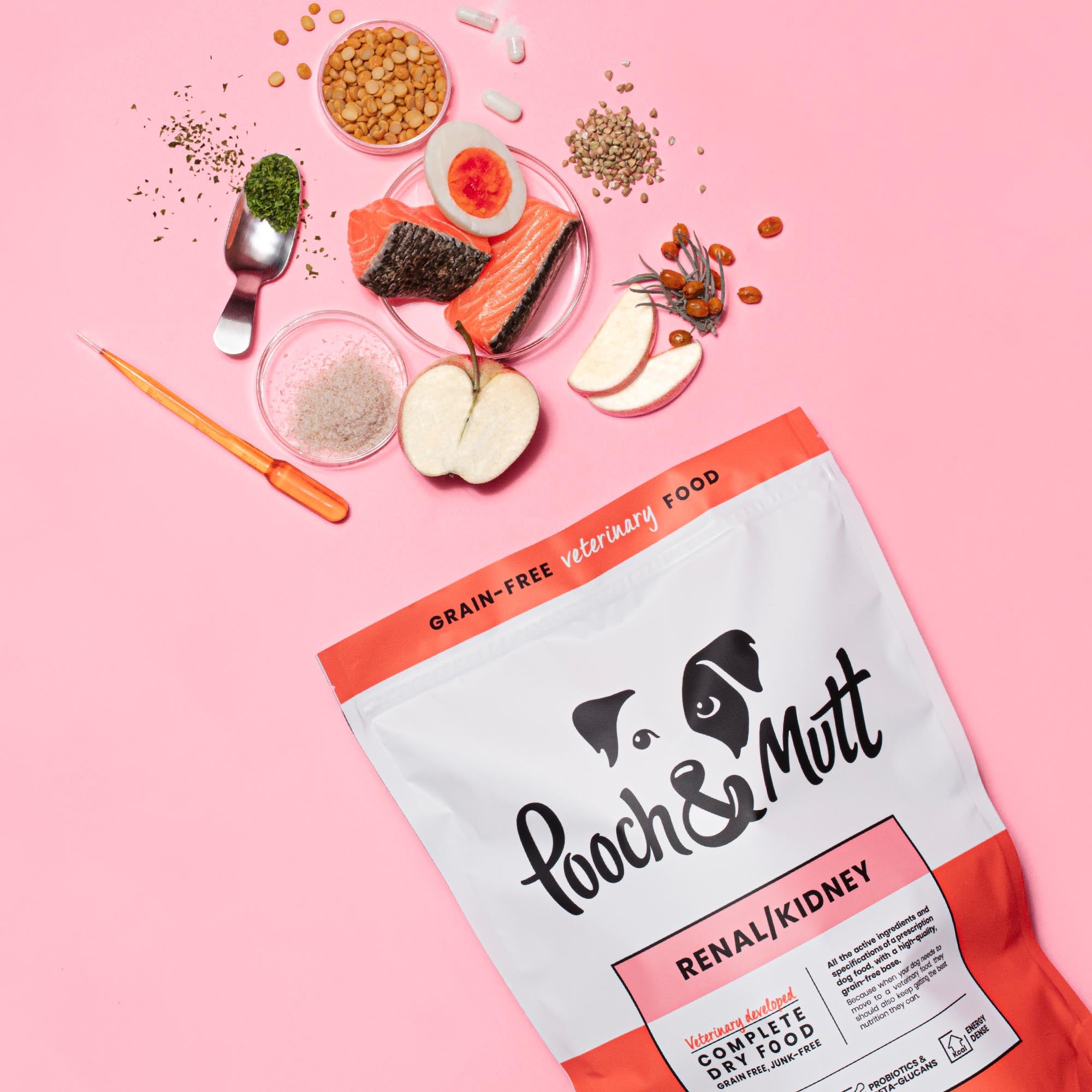
Credit: www.poochandmutt.co.uk
Top Fish Choices For Kidney Health
Choosing the right fish can support dogs with kidney disease. Fish offers good protein with less phosphorus, helping kidney health. Some fish also have omega-3 fats that reduce inflammation and protect kidneys.
Here are the top fish choices that promote kidney health for dogs.
Salmon
Salmon is rich in omega-3 fatty acids. These fats help lower kidney inflammation. Salmon is easy to digest and has moderate phosphorus levels. Cooked salmon without bones is safe for dogs with kidney issues.
Sardines
Sardines contain omega-3s and are low in mercury. They have less phosphorus than many other fish. Sardines are small and soft, making them easy to eat. Use fresh or canned sardines packed in water.
Mackerel
Mackerel provides good protein and omega-3s. It supports kidney function by lowering inflammation. Choose smaller mackerel to reduce mercury risks. Feed cooked mackerel without added salt or seasoning.
Whitefish
Whitefish has a mild flavor and low phosphorus content. It is a good protein source for kidney health. Whitefish is gentle on the stomach and easy to digest. Make sure to remove all bones before feeding.
Fish To Avoid For Dogs With Kidney Disease
Choosing the right fish for dogs with kidney disease matters a lot. Some fish can harm their kidneys and worsen the condition. It is important to avoid certain types of fish. These fish contain substances that can stress the kidneys or cause other health problems.
High Mercury Fish
Mercury is a toxic metal found in some fish. High mercury levels can damage your dog’s kidneys. Fish like swordfish, shark, king mackerel, and tilefish have high mercury. Avoid feeding these fish to dogs with kidney disease. Even small amounts can be harmful over time.
Fish With High Phosphorus
Phosphorus is a mineral that affects kidney health. Dogs with kidney disease need low phosphorus foods. Some fish have high phosphorus levels. Examples include salmon, sardines, and anchovies. These fish can increase phosphorus in the blood. This makes kidney problems worse. Choose fish with lower phosphorus instead.
Processed Fish Products
Processed fish like canned fish or fish sticks contain salt and preservatives. Salt can raise blood pressure and harm kidneys. Preservatives may irritate the body and cause inflammation. Avoid giving processed fish products to your dog. Fresh or frozen fish is a safer choice for kidney health.
Preparing Fish Safely For Dogs
Preparing fish safely for dogs with kidney disease is very important. Fish can be a healthy part of their diet. It provides good protein and omega-3 fats. These nutrients help support kidney health. But careful preparation is needed to avoid risks.
Safe cooking and handling keep fish tasty and easy to digest. This reduces stress on the kidneys. It also prevents choking and other problems. Learn simple steps for cooking fish, removing bones, and controlling portions.
Cooking Methods
Cook fish by baking, steaming, or boiling. Avoid frying or grilling with oil. These add unhealthy fats. Use no salt or spices. Cook until the fish flakes easily. This makes it soft and easy to chew.
Removing Bones
Check fish carefully for all bones. Small bones can cause choking or injury. Use tweezers or fingers to pull them out. Remove skin if it is tough or oily. This helps your dog eat safely and comfortably.
Portion Control
Serve small fish portions to avoid kidney strain. Start with one to two tablespoons per meal. Watch your dog’s reaction after eating. Adjust the amount based on their size and condition. Balanced portions support kidney health and nutrition.
Incorporating Fish Into A Kidney-friendly Diet
Including fish in a dog’s kidney-friendly diet can provide many benefits. Fish offers quality protein and healthy fats. These nutrients support overall health without overloading the kidneys. Choosing the right fish and serving it properly helps keep meals safe and nutritious. Careful planning ensures the diet meets your dog’s specific health needs.
Balancing Nutrients
Fish contains protein that is easier to digest. It helps reduce kidney strain. Select fish with low phosphorus and moderate protein levels. Avoid fish high in salt or additives. Balance fish meals with vegetables and grains low in potassium. This mix supports kidney function and overall wellness.
Combining With Prescription Diets
Prescription diets for kidney disease have special nutrient limits. Adding fish should not disrupt these limits. Consult your vet before mixing fish with prescribed food. Adjust portion sizes to keep protein and phosphorus within safe ranges. This ensures the diet remains effective for kidney health.
Monitoring Dog’s Response
Watch your dog closely after introducing fish. Note any changes in appetite, energy, or digestion. Look for signs of discomfort or allergic reactions. Regular vet check-ups help track kidney function. Modify the diet based on your dog’s health and vet advice.

Credit: www.lakecross.com
Frequently Asked Questions
What Fish Types Are Safe For Dogs With Kidney Disease?
Low-phosphorus fish like salmon, whitefish, and cod are safe choices. These fish provide essential omega-3 fatty acids that support kidney health without overloading phosphorus levels.
How Does Fish Benefit Dogs With Kidney Disease?
Fish offers high-quality protein and omega-3 fatty acids that reduce inflammation. These nutrients help slow kidney damage and improve overall health in affected dogs.
Can I Feed Canned Fish To Dogs With Kidney Issues?
Yes, but choose low-sodium canned fish without added spices. Excess salt can worsen kidney problems, so always opt for plain, water-packed options.
How Often Should Dogs With Kidney Disease Eat Fish?
Feed fish 2-3 times a week as part of a balanced diet. Consult your vet for personalized feeding plans based on your dog’s condition.
Conclusion
Choosing the right fish helps support your dog’s kidney health. Fish like salmon and whitefish offer good protein with less phosphorus. These options can ease the kidney’s workload and provide essential nutrients. Always talk with your vet before changing your dog’s diet.
Small changes can make a big difference in your dog’s quality of life. Feeding the best fish helps keep your furry friend happy and healthy. Simple, careful choices bring better days for dogs with kidney disease.