Choosing the best first dog to own can feel overwhelming. You want a furry friend who fits your lifestyle, personality, and home.
Picking the right dog means less stress and more joy for you and your new companion. Imagine coming home to a happy, loyal dog that suits your daily routine perfectly. Keep reading, and you’ll discover which dog breeds make the best first pets—and why they could be the perfect match for you.
Choosing Your First Dog
Choosing your first dog is an exciting step. It requires careful thought. A dog becomes part of your family. The right dog fits well with your life. Understanding what matters most helps you make a good choice.
Many questions arise before bringing a dog home. What breed suits your personality? How much time can you spend with your dog? These questions guide you toward the best match.
Factors To Consider
Think about your daily routine. Dogs need time for walks and play. Some breeds need more exercise than others. Consider how much care you can give. Grooming needs also vary by breed. Size matters too. Bigger dogs need more space and food. Budget for food, toys, and vet visits. A dog’s health care can be costly. Age is important. Puppies need training and patience. Older dogs may be calmer but require care.
Lifestyle Compatibility
Your lifestyle affects the dog you choose. Active people may enjoy energetic breeds. Quiet people might prefer calm dogs. Kids in the home call for friendly breeds. Work hours matter. Dogs should not stay alone too long. Some dogs handle solitude better. Consider your travel habits. Some dogs adapt well to changes. Others prefer stable routines.
Living Space And Environment
Space at home influences dog size and breed. Small apartments suit small or low-energy dogs. Large yards allow bigger, active breeds to roam. Noise levels around your home matter. Some dogs are sensitive to loud sounds. Consider nearby parks or walking paths. Access to outdoor space helps with exercise. Climate is important too. Some breeds tolerate heat or cold better.
Credit: vermontmarblemuseum.org
Traits Of Friendly Dog Breeds
Choosing the best first dog means understanding what makes a dog friendly. Friendly dog breeds share certain traits. These traits help them fit well into new families and homes. They make training easier and life more joyful.
Temperament
Friendly dogs often have calm and gentle temperaments. They stay relaxed around new people and situations. These dogs rarely show aggression or fear. They enjoy being close to their owners and family members. A steady temperament means fewer surprises and more trust.
Trainability
Easy-to-train dogs learn commands quickly. Friendly breeds respond well to positive reinforcement. They enjoy pleasing their owners and being active. Trainability also means they adapt faster to new rules. This trait helps build a strong bond between dog and owner.
Social Behavior
Friendly dogs love company. They get along well with other dogs and pets. These dogs enjoy meeting new people and children. Good social behavior reduces stress for everyone. It creates a happy and peaceful home environment.
Top Friendly Dog Breeds For Beginners
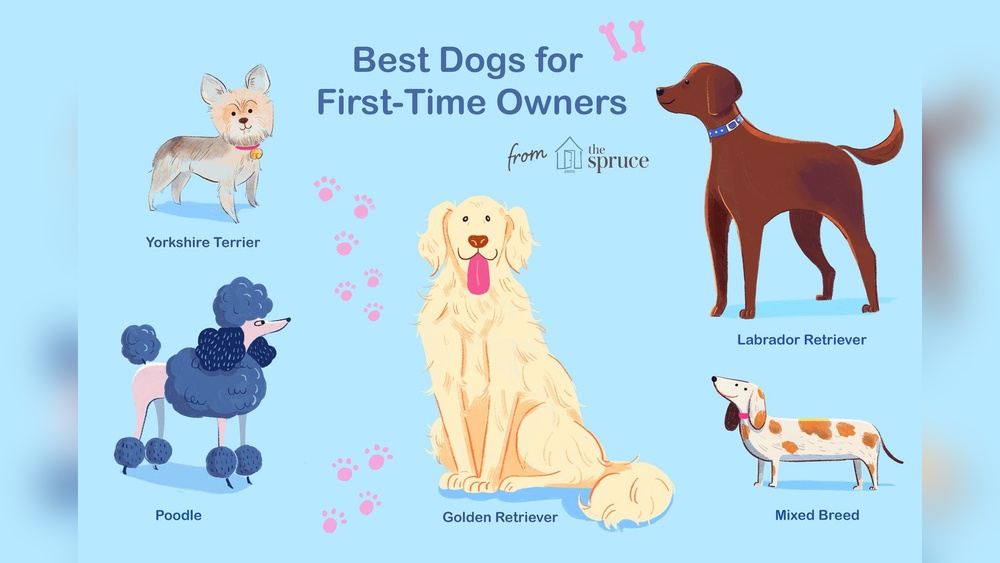
Choosing the right dog breed is important for new pet owners. Friendly dogs make great companions for beginners. They are easy to train and get along well with families. These breeds enjoy being around people and adapt well to new homes. Here are some of the top friendly dog breeds for beginners.
Labrador Retriever
Labrador Retrievers are gentle and smart dogs. They love to play and are very loyal. Labs are easy to train and enjoy learning new commands. They do well with children and other pets. Their friendly nature makes them a perfect first dog.
Golden Retriever
Golden Retrievers have warm and calm personalities. They are patient and kind with everyone. These dogs are also very intelligent and eager to please. They need regular exercise but are happy to relax at home too. Goldens fit well in many families.
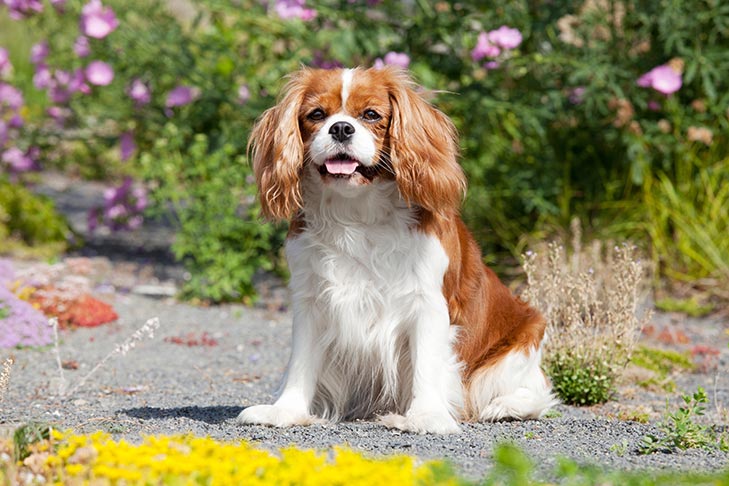
Cavalier King Charles Spaniel
This small breed is full of charm and affection. Cavaliers are gentle and love to cuddle. They get along well with children and other pets. Their size makes them good for apartment living. They enjoy being close to their owners.
Beagle
Beagles are curious and friendly dogs. They have a lot of energy and enjoy exploring. Beagles are great with kids and enjoy family activities. They can be stubborn but respond well to patient training. These dogs bring joy and fun to any home.
Pug
Pugs are small, sturdy dogs with big personalities. They are playful and love attention. Pugs are easygoing and adapt well to different living spaces. Their friendly nature makes them great companions. They enjoy being part of the family.
Care Needs For First-time Owners
Owning a dog for the first time is exciting and full of learning. Dogs need proper care to stay happy and healthy. Understanding basic care helps build a strong bond with your new pet. This section covers key care areas for first-time dog owners.
Feeding And Nutrition
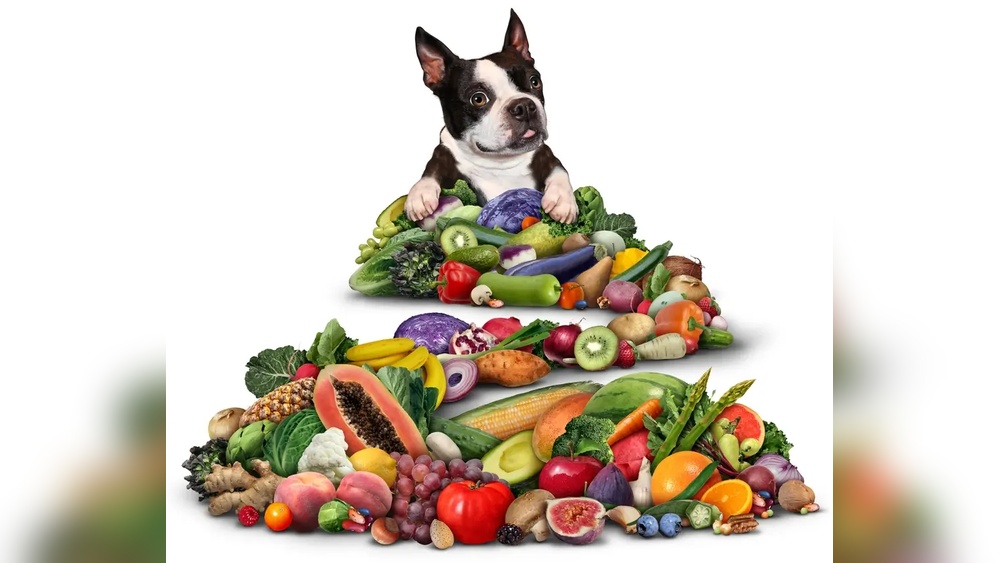
Feed your dog balanced meals suitable for their age and size. Choose high-quality dog food with the right nutrients. Avoid giving human food, which can harm your dog. Fresh water should always be available. Follow feeding schedules to keep your dog healthy and satisfied.
Exercise Requirements
Dogs need daily exercise to stay fit and happy. Short walks and playtime help burn energy and reduce stress. Exercise also prevents boredom, which can cause bad behavior. Match exercise to your dog’s breed and age. Regular activity supports good health and strong muscles.
Grooming Basics
Groom your dog regularly to keep their coat clean and healthy. Brush their fur to remove dirt and loose hair. Bath your dog with mild shampoo as needed. Check ears and teeth often to avoid infections. Nail trimming is important to prevent pain and injury.
Training Tips For New Dog Owners
Training a new dog builds a strong bond between you and your pet. It helps your dog learn good behavior early. Training also keeps your dog safe and happy. This section offers simple tips for new dog owners. These tips cover basic commands, housebreaking, and socialization.
Basic Commands
Start with simple commands like “sit,” “stay,” and “come.” Use a calm, clear voice. Repeat commands often with short sessions. Reward your dog with treats or praise. Practice commands in different places. This helps your dog learn faster. Patience is key. Don’t rush the process.
Housebreaking Techniques
Set a regular schedule for bathroom breaks. Take your dog outside after meals and naps. Watch for signs your dog needs to go. Praise your dog immediately after they go outside. Clean accidents with a strong odor remover. Avoid punishment; it confuses your dog. Consistency helps your dog learn quickly.
Socialization Strategies
Introduce your dog to new people and pets gently. Visit safe parks or pet-friendly areas. Let your dog explore at their own pace. Reward calm and friendly behavior. Early socialization reduces fear and aggression. Keep initial meetings short and positive. Social dogs grow into confident companions.
:strip_icc()/best-dogs-for-first-time-owners-4153979-hero-bb82043e86394be28afcd8582d0da2d6.JPG)
Credit: www.visco-foam.com
Common Challenges And Solutions
Owning your first dog is exciting but comes with challenges. Understanding common problems helps you prepare. This knowledge makes dog care easier and builds a strong bond.
Separation Anxiety
Many dogs feel scared when left alone. They may bark, whine, or destroy things. Start by leaving your dog alone for short times. Give toys to keep your dog busy. Practice calm arrivals and departures. This teaches your dog to stay calm alone.
Chewing And Biting
Puppies explore the world with their mouths. Chewing can damage furniture and shoes. Provide safe chew toys to redirect biting. Praise your dog when it chews toys. If biting happens, say “no” firmly and stop play. Consistent training helps reduce bad chewing habits.
Health Issues
Dogs need regular vet visits for vaccines and check-ups. Watch for signs like coughing, vomiting, or limping. Good food and exercise keep dogs healthy. Keep fleas and ticks away with proper treatment. Early care prevents serious health problems.
Resources For New Dog Owners
Starting life with a new dog brings joy and some challenges. Knowing where to find help makes the journey easier. Resources for new dog owners offer guidance on care, training, and support. These tools help build a strong bond with your pet. They also ensure your dog stays happy and healthy.
Veterinary Care
Regular vet visits keep your dog healthy. Vaccinations, check-ups, and dental care prevent many problems. A good vet answers your questions and offers advice. Emergency care is vital to handle sudden health issues. Find a trusted vet near your home early on.
Training Classes
Training classes teach basic commands and good behavior. Classes also help socialize your dog with other pets. Professional trainers offer clear techniques and patience. Group sessions build confidence for both owner and dog. Consistent training leads to a well-behaved companion.
Online Communities
Online groups connect dog owners for sharing tips and stories. They offer support from people with similar experiences. Forums answer questions about breed traits and care routines. Social media pages feature helpful videos and advice. Join these communities to learn and feel connected.
Credit: realendpoints.com
Frequently Asked Questions
What Are The Best Dog Breeds For First-time Owners?
The best dog breeds for first-time owners are friendly, low-maintenance, and easy to train. Examples include Labrador Retrievers, Cavalier King Charles Spaniels, and Pugs. These breeds adapt well to various living environments and have gentle temperaments, making them ideal for new dog owners.
How To Choose The Best First Dog For Your Lifestyle?
Consider your daily routine, activity level, and living space when choosing your first dog. Active people may prefer energetic breeds, while those with less time should choose low-energy dogs. Match breed size and temperament to your lifestyle for a happy, harmonious relationship.
Are Small Dogs Better For First-time Dog Owners?
Small dogs can be better for first-time owners because they require less space and exercise. They are easier to manage and transport. However, personality and training needs vary, so choose a breed that fits your lifestyle, not just size.
How Much Time Does A First Dog Need Daily?
A first dog needs at least 30 to 60 minutes of exercise and play daily. Consistent training and socialization are also essential. Time investment varies by breed but ensuring daily care fosters a healthy and happy pet.
Conclusion
Choosing the best first dog takes thought and care. Each dog breed has its own needs and traits. Think about your home, time, and energy. A good match makes training and bonding easier. Dogs bring joy, love, and friendship to life.
Remember, patience and kindness help build a strong bond. Enjoy every moment with your new furry friend. Your first dog can teach you about love and responsibility. Care well, and your dog will be a true companion.