

Choosing the best fence material for your dogs is more important than you might think. You want a fence that keeps your furry friends safe, comfortable, and happy while giving you peace of mind.
But with so many options out there, how do you know which one is right for your home and your pets? You’ll discover the top fence materials that work best for dogs, what makes them stand out, and how to pick the perfect fit for your yard.
Keep reading—your dog’s safety and your peace of mind depend on it.
Key Factors For Dog Fencing
Choosing the right fence material for dogs means thinking about many key factors. These factors help keep dogs safe and comfortable. They also make sure the fence lasts a long time. This section covers the main points to consider before picking a fence.
Durability And Strength
Dogs can be strong and active. The fence must hold up against pulling and jumping. Materials like wood, metal, or vinyl offer good strength. Avoid weak materials that break easily. A strong fence keeps dogs inside and protects them well.
Safety Considerations
The fence must be safe for dogs to touch and climb. Avoid sharp edges or gaps where dogs can get stuck. Check for spaces big enough for small dogs to escape. Smooth surfaces prevent injuries. Safety is the top priority in choosing fence material.
Climate And Weather Resistance
Weather can damage fences over time. Rain, sun, snow, and wind affect materials differently. Metal fences may rust, and wood can rot or warp. Vinyl resists weather well but may crack in cold. Pick a material that stands up to your local climate.
Maintenance Needs
Some fences need regular care to stay strong. Wood might need painting or sealing every year. Metal fences can require rust treatment. Vinyl fences often need only washing. Choose a material that fits your time and effort for upkeep.
Aesthetic Appeal
The fence should look good in your yard. Wood offers a natural and warm look. Metal provides a modern or classic style. Vinyl comes in many colors and styles. Pick a fence that matches your home and makes the yard inviting.
Popular Fence Materials
Choosing the right fence material helps keep dogs safe and secure. Popular fence materials vary in style, durability, and cost. Each type offers unique benefits that suit different dog breeds and yard types. Understanding these materials helps select the best fence for your pet.
Wood Fences
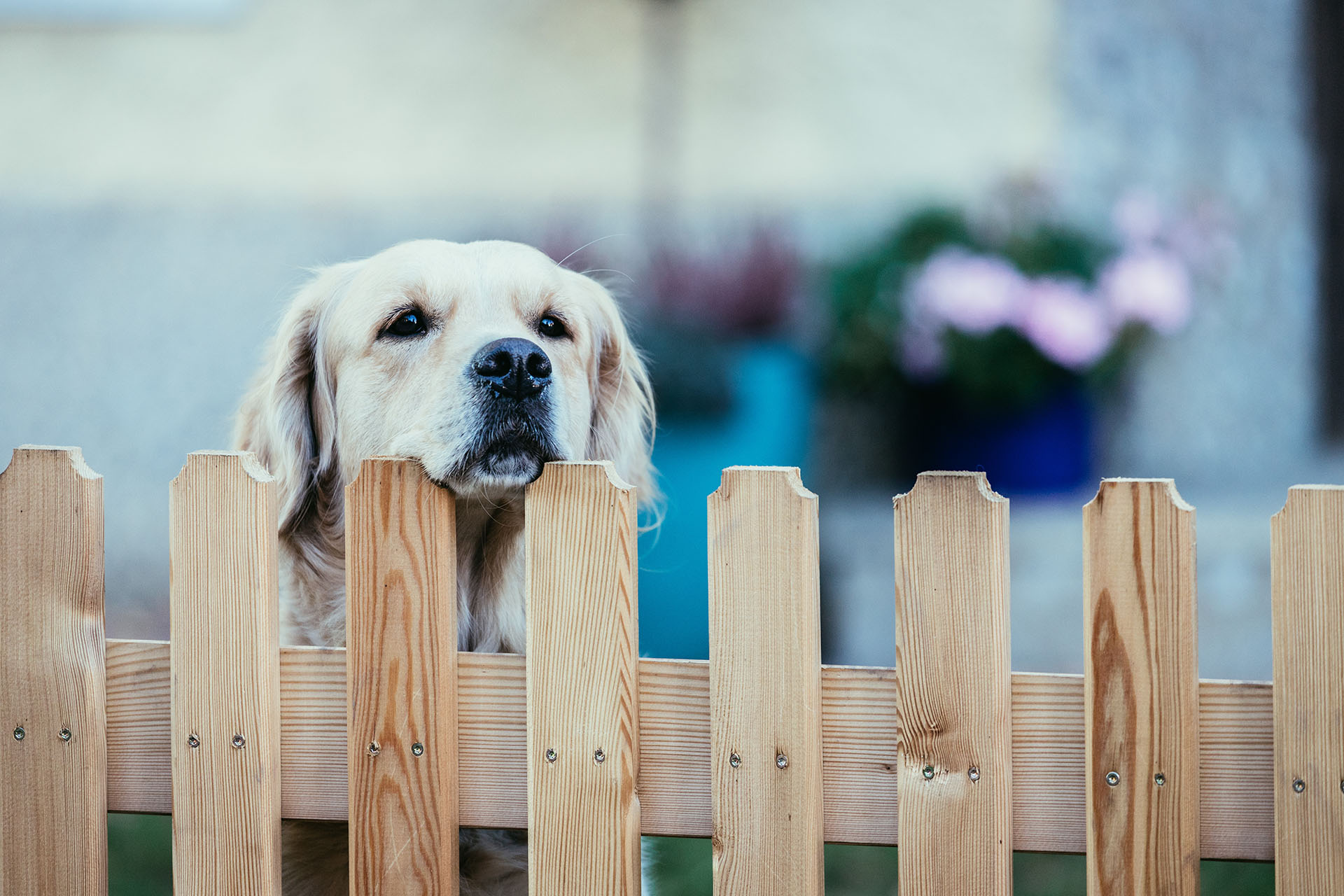
Wood fences provide strong barriers and good privacy. They look natural and fit many home styles. Dogs cannot easily climb or dig under them. Wood fences need regular care to prevent rot and damage. They can be painted or stained to last longer.
Chain Link Fences
Chain link fences are affordable and easy to install. They offer good visibility while keeping dogs contained. This type is durable but does not provide privacy. Some dogs may try to climb or dig near the base. Adding privacy slats can block views and add security.
Vinyl Fences
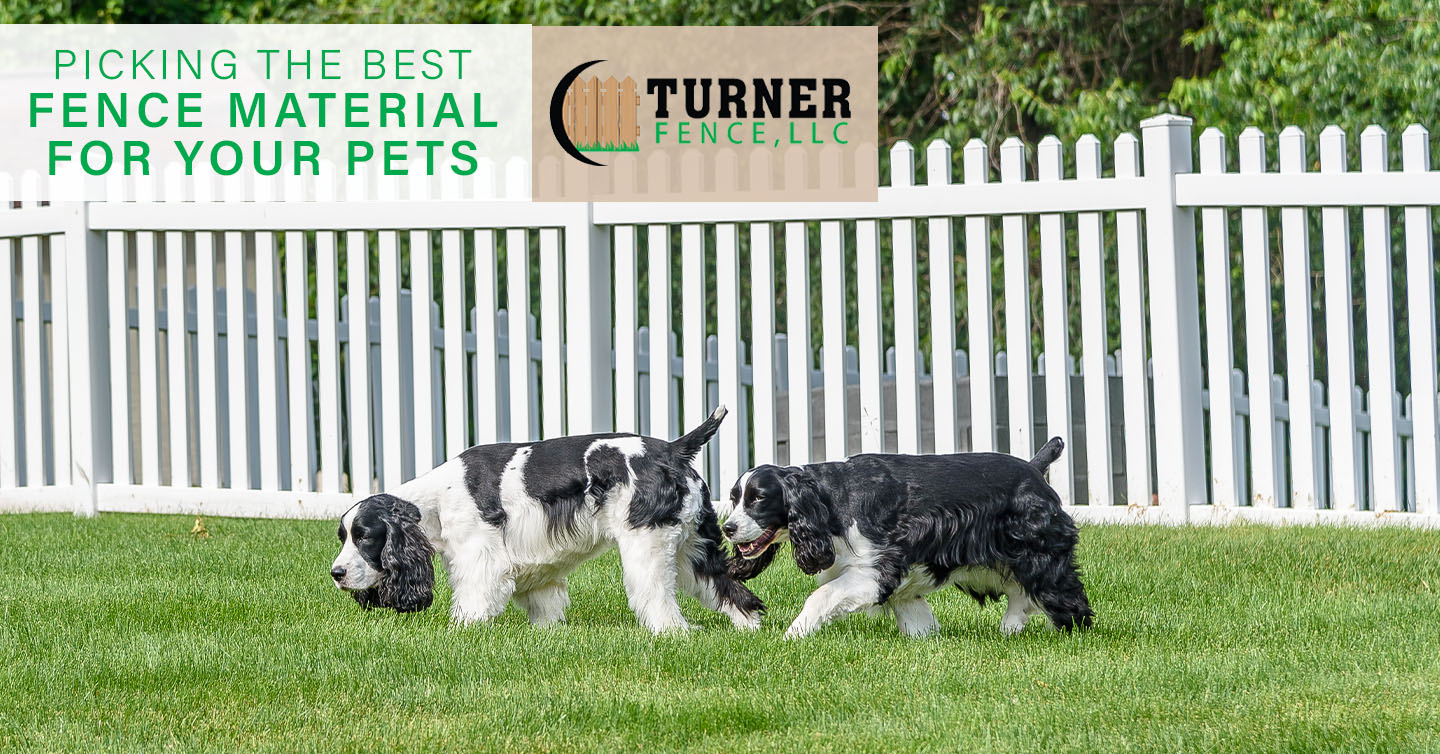
Vinyl fences are low maintenance and weather resistant. They come in many styles and colors. Vinyl does not splinter, making it safe for dogs. This material is durable but can be more expensive. It is easy to clean and stays looking new.
Metal Fences
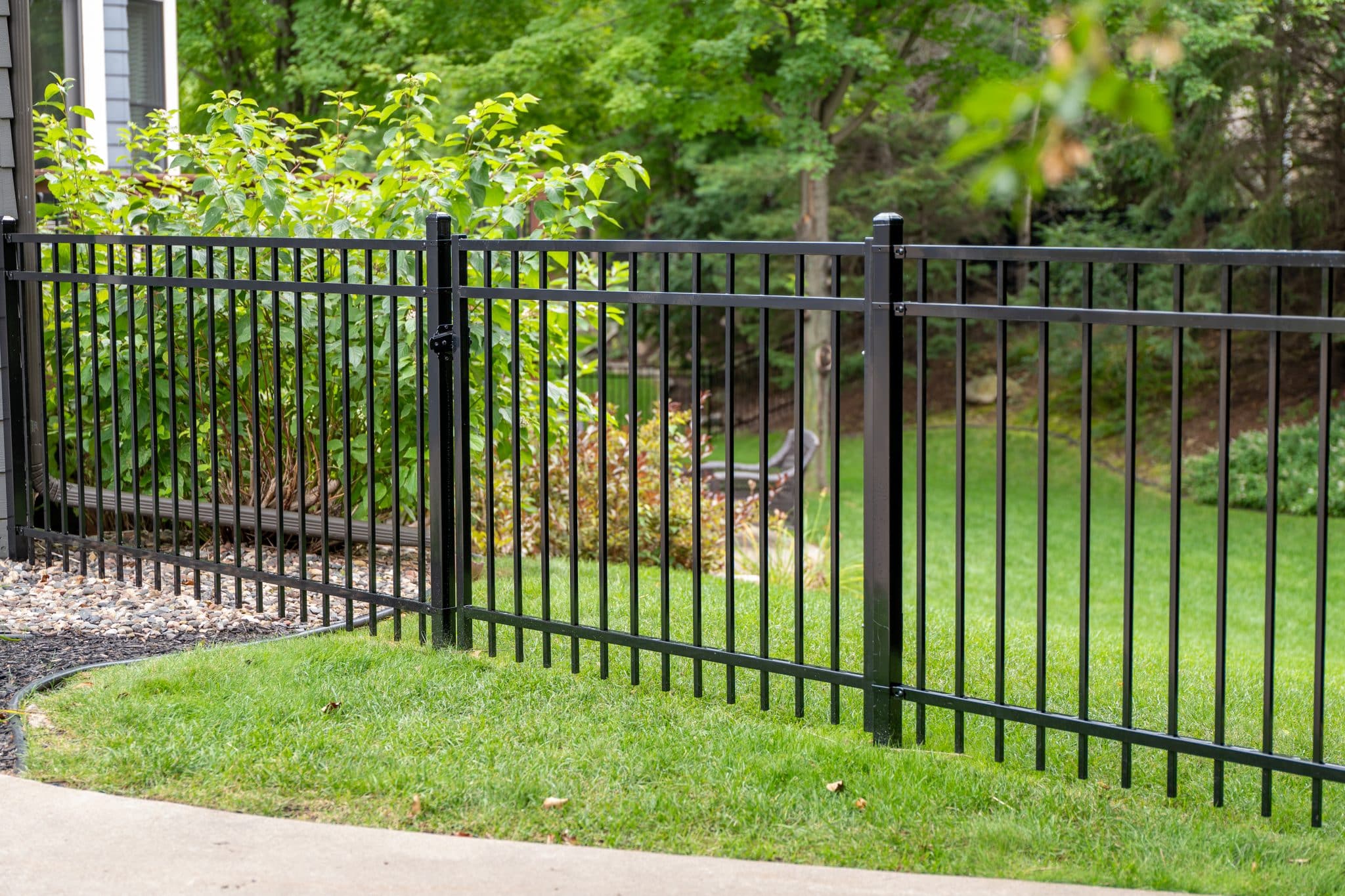
Metal fences, like wrought iron, look elegant and last long. They offer strong protection but less privacy. Metal fences need little maintenance but may rust over time. They are good for dogs that cannot jump high. Adding a secure base prevents digging.
Electric Fences
Electric fences use a mild shock to keep dogs inside. They do not block views or take up yard space. This option is less visible but needs training for dogs. Electric fences work well for large or open areas. They require regular checking to ensure safety.
Wood Fence Benefits And Drawbacks
Wood fences are a popular choice for dog owners. They offer a classic look and can keep dogs safe. Wood has both good points and some downsides. Understanding these helps in making a smart choice for your yard.
Natural Look And Privacy
Wood fences blend well with nature. Their warm, natural color suits many homes. This material gives your yard a cozy feel. Wood fences also block views, giving privacy. Your dog can play without distractions from outside. This helps your dog feel calm and secure.
Susceptibility To Chewing
Dogs like to chew on wood. This can cause damage over time. Chewed wood can become rough and unsafe. Some dog breeds are more likely to chew. You may need to watch your dog closely. Repairing chewed wood can cost money and time.
Maintenance Requirements
Wood fences need regular care. They can rot or warp from rain and sun. Staining or painting protects wood from weather. This keeps the fence strong and looking good. Checking for loose boards or nails is important. Well-maintained wood fences last many years.
Chain Link Fence Pros And Cons
Chain link fences are a popular choice for dog owners. They offer a mix of strengths and weaknesses. Understanding these helps pick the right fence for your dog’s safety and comfort.
Durability And Visibility
Chain link fences last long under harsh weather. They resist rust and damage well. Dogs can see outside clearly, which reduces anxiety. Owners can watch their pets easily. This fence type suits active dogs that like to observe their surroundings.
Limited Privacy
Chain link fences offer little privacy. People and other animals can see through easily. This might stress shy or nervous dogs. It also means neighbors can watch your yard. Adding privacy slats can help but costs extra.
Potential For Climbing Or Digging
Some dogs may try to climb chain link fences. Others dig underneath to escape. Training helps reduce these behaviors. Installing a barrier at the base stops digging. This fence needs extra care for clever or active dogs.
Vinyl Fence Advantages And Issues
Vinyl fences stand out as a popular choice for dog owners. They offer many benefits but also have some drawbacks. Understanding these can help you decide if vinyl is right for your yard and pet.
Vinyl fences look clean and modern. They do not need much care and resist damage from weather. Still, costs and dog behavior play a role in their effectiveness.
Low Maintenance And Weatherproof
Vinyl fences do not need painting or staining. Rain, snow, and sun do not harm them. They will not rot, warp, or rust. Cleaning is simple with soap and water. This saves time and effort for busy owners.
Cost Considerations
Vinyl fences cost more upfront than wood or chain link. The price depends on fence height and style. While initial costs are higher, low maintenance reduces long-term expenses. Budget carefully to avoid surprises.
Resistance To Chewing
Vinyl fences can resist dog chewing better than wood. Strong dogs may still cause damage over time. Small cracks or holes can appear from heavy biting. Regular checks help keep the fence safe and whole.
Credit: bravofencecompany.com
Metal Fence Features
Metal fences offer many benefits for dog owners. They provide strong barriers that keep dogs safe. Metal fences last long and need little care. They suit many yards and styles. Below are key metal fence features that make them great for dogs.
Strength And Security
Metal fences stand firm against strong winds and impact. They stop dogs from digging under or pushing through. The tough metal bars protect your pet well. This type of fence keeps your dog inside and strangers out. You get peace of mind with strong, secure fencing.
Rust And Corrosion Resistance
Many metal fences use coatings to fight rust. Powder coating or galvanizing helps metal resist rain and moisture. This means the fence stays strong and looks good over time. Rust-free fences last longer and need fewer repairs. They keep your yard safe without worry.
Style Options
Metal fences come in many designs and colors. You can choose classic black, white, or bold colors. Some fences have decorative tops or patterns. This lets you match the fence to your home’s look. A metal fence can be both beautiful and practical.
Electric Fence Insights
Electric fences offer a modern way to keep dogs safe and secure. They create a clear boundary without a physical barrier. Many dog owners choose electric fences to control their pets’ roaming areas. This option works well for open yards or large spaces. Understanding how electric fences work helps make a smart choice for your dog.
Effective Boundary Control
Electric fences use a mild shock to teach dogs their limits. The shock is safe but uncomfortable enough to stop crossing the boundary. These fences allow dogs to roam freely inside the set area. The boundary can be adjusted easily by moving the wire. Electric fences work well for dogs that respond to training.
Safety For Dogs
Electric fences do not harm dogs but keep them safe. The shock is brief and stops dogs from running away. Dogs learn to respect the boundary without injury. Some dogs may need time to adjust to the fence. Supervision during the training period helps dogs feel secure.
Installation And Costs
Installing an electric fence requires setting up a transmitter and wires. The wire is buried underground or laid on the ground. Professional installation is recommended for best results. Costs vary depending on yard size and fence quality. Electric fences are often cheaper than traditional fences for large areas.
Credit: turnerfences.com
Choosing The Right Height And Design
Choosing the right height and design for your dog’s fence is very important. The fence must keep your dog safe and comfortable. It should stop your dog from jumping or digging out. The fence should also let your dog see outside and feel part of the yard. The design must fit well with your outdoor space. This way, the fence will look nice and work well.
Preventing Jumps And Escapes
Dogs can jump over short fences easily. Tall fences help stop this problem. The height depends on your dog’s size and jumping skill. For strong jumpers, fences should be at least six feet tall. Some dogs can climb or dig under fences. Adding a barrier at the bottom or using solid panels can help. A good fence keeps your dog inside safely at all times.
Visibility And Interaction
Dogs like to see what is happening outside their yard. Open designs like chain link or picket fences allow this. Your dog can watch people and animals passing by. This keeps your dog entertained and less bored. Solid fences block the view but give more privacy. Choose a design that balances visibility and security. This helps your dog stay calm and happy.
Blending With Yard Layout
Your fence should match your yard’s style and shape. Curved or straight lines can create different looks. Use materials and colors that fit your home’s exterior. This makes your yard look neat and planned. Think about plants or garden beds near the fence. Some designs allow space for flowers or vines. A well-planned fence improves your yard’s beauty and function.
Installation Tips For Longevity
Installing a dog fence correctly helps it last many years. Careful steps during setup keep the fence strong and safe. Small details in installation make a big difference.
Proper Grounding And Support
Set fence posts deep in the ground for firm support. Use concrete to hold posts steady in soft soil. Make sure posts stand straight to avoid leaning or falling.
Check the soil type before digging to know the right depth. Rocky or sandy soil needs extra care for post stability. Strong posts stop your dog from pushing through or breaking the fence.
Securing Gates And Hinges
Fix gates tightly with heavy-duty hinges that hold weight well. Use locks that your dog cannot open or push. Ensure gates close smoothly and fit tightly to block gaps.
Test gate movement regularly to catch loose hinges early. Properly secured gates prevent escapes and keep your dog safe. Tight gates also protect the fence from wear and tear.
Regular Inspections
Check your fence often for loose parts or damage. Look for holes, broken boards, or rust on metal fences. Early repairs stop small problems from growing bigger.
Inspect after storms or strong winds for any new damage. Replace weak parts quickly to keep the fence strong. Regular care extends the life of your dog fence.
Budgeting For Dog Fence Projects
Planning a dog fence project means more than picking materials. Budgeting is key to avoid surprises and manage costs well. Knowing different cost factors helps make smart choices. This section breaks down the main expenses for your dog fence project.
Material Costs
Material prices vary a lot based on type and quality. Wood fences are often cheaper but may need frequent repairs. Vinyl and metal cost more but last longer. Chain link is affordable and strong but may not look great. Estimate costs by measuring your yard size and choosing the best material for your dog.
Labor Expenses
Hiring professionals adds to the total cost. Labor depends on fence size, material, and land condition. Uneven ground or obstacles raise costs. DIY saves money but requires time and tools. Get several quotes before deciding to understand fair prices.
Long-term Maintenance
Some fences need regular upkeep to stay safe and strong. Wood requires staining or painting every few years. Metal fences might rust and need treatments. Vinyl is low-maintenance but can crack in cold weather. Factor in maintenance costs to keep your fence in good shape for your dog’s safety.
Credit: www.northlandfence.com
Frequently Asked Questions
What Is The Safest Fence Material For Dogs?
The safest fence materials are vinyl, chain link, and wood. They prevent escape and protect dogs from injury. Choose materials without sharp edges for added safety. Proper installation is key to avoid gaps or weaknesses where dogs can slip through.
How Does Wood Compare To Vinyl For Dog Fences?
Wood offers a natural look and privacy but requires maintenance. Vinyl is low-maintenance, durable, and weather-resistant. Both materials are dog-friendly, but vinyl withstands chewing better. Choose based on your budget, aesthetics, and how destructive your dog is.
Can Chain Link Fences Keep Dogs Secure?
Yes, chain link fences are strong and affordable. They provide good visibility and ventilation but may lack privacy. To prevent digging, add a concrete base or bury the fence. Chain link is ideal for active dogs needing durable containment.
Are Invisible Fences Effective For Dogs?
Invisible fences can contain dogs within boundaries using a collar signal. They are less visible but don’t prevent physical entry by other animals. Training is essential for effectiveness. This option suits obedient dogs but may not work for all breeds.
Conclusion
Choosing the right fence keeps your dog safe and happy. Strong materials like wood, vinyl, or metal work well. Consider your dog’s size and behavior for the best fit. A good fence also adds beauty to your yard. Keep your dog secure without making the fence too tall or hard to see through.
Remember, a fence is part of loving care for your pet. A safe space helps your dog enjoy time outside freely. Pick a fence that lasts and suits your home style.


