
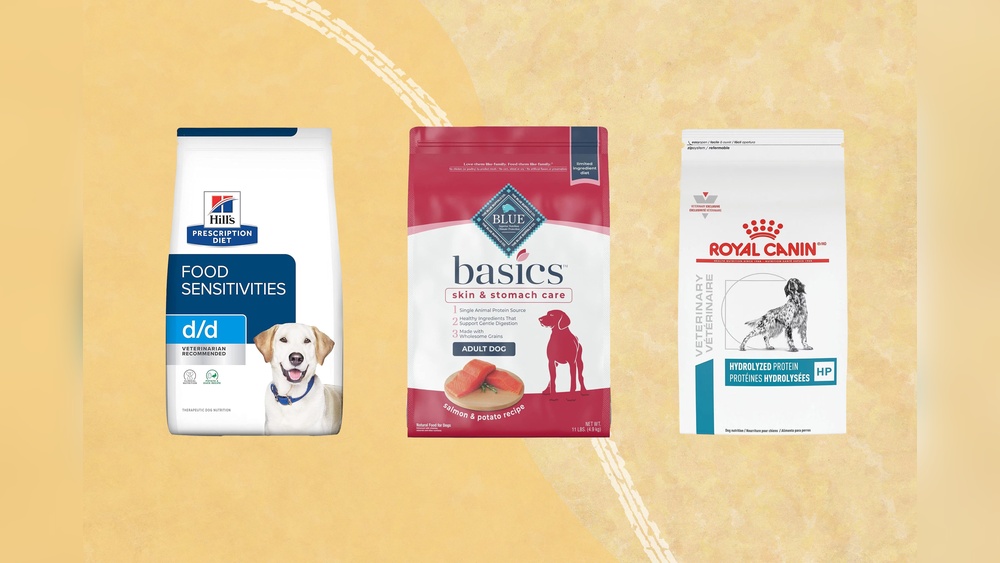
If your dog struggles with allergies, you know how hard it is to find the right food that keeps them happy and healthy. Choosing the best dry food for a dog with allergies isn’t just about nutrition—it’s about comfort, energy, and preventing those itchy, uncomfortable days.
You’ll discover simple, effective options that can make a real difference for your furry friend. Keep reading to find out how you can help your dog feel their best every day.

Credit: www.forbes.com
Causes Of Dog Allergies
Dog allergies can make mealtime and daily life hard for your pet. Allergies happen when a dog’s immune system reacts badly to certain substances. These substances, called allergens, can come from food or the environment. Understanding what causes allergies helps you choose the best dry food for your dog.
Common Allergens In Dog Food
Some ingredients in dog food often cause allergies. Beef and chicken are common triggers. Dairy products like milk and cheese can also cause problems. Wheat, soy, and corn are frequent allergens in many commercial dog foods. Fish and eggs may cause reactions in some dogs. Recognizing these helps avoid foods with these ingredients.
Symptoms To Watch For
Allergic dogs show clear signs. Itchy skin and constant scratching are common. Red, inflamed skin or hot spots may appear. Dogs might lick their paws a lot. Ear infections can happen often. Vomiting and diarrhea can also be signs of food allergies. Spotting symptoms early helps manage allergies better.
:strip_icc()/Spruce-best-dry-dog-foods-7564122-38362a90bb4c4e08954a9095955055da.jpg)
Credit: www.co2ex.com.au
Benefits Of Hypoallergenic Dog Food
Hypoallergenic dog food helps dogs with allergies feel better. It uses ingredients that rarely cause allergic reactions. This type of food supports your dog’s health by avoiding common allergens.
Dogs with allergies can suffer from itching, redness, and upset stomachs. Hypoallergenic food reduces these problems and improves their daily comfort. It is a smart choice for sensitive dogs.
Reduced Allergic Reactions
Hypoallergenic dog food limits exposure to ingredients that trigger allergies. It often contains a single protein source or novel proteins. This reduces the chance of skin rashes and itching. Dogs can enjoy meals without discomfort or irritation.
Improved Digestion And Skin Health
This food supports better digestion by using gentle ingredients. Sensitive stomachs handle it more easily. It also promotes healthy skin and shiny coats. Reduced inflammation helps dogs feel calm and relaxed.
Key Ingredients To Avoid
Choosing the right dry food for dogs with allergies starts with knowing what to avoid. Allergies can cause itching, swelling, and stomach problems. Avoiding certain ingredients helps keep your dog comfortable and healthy.
Some ingredients are common allergy triggers. These can cause reactions even if your dog has not eaten them before. Reading labels carefully helps prevent allergic responses. Understanding these key ingredients makes selecting dry food easier.
Common Protein Sources That Trigger Allergies
Protein often causes allergic reactions in dogs. Beef is one of the most common allergens. Chicken can also trigger allergies in some dogs. Lamb, once considered hypoallergenic, can cause problems too.
Fish and eggs sometimes cause allergies as well. Novel proteins like venison or duck are often safer choices. But always watch for any signs of discomfort or itching.
Grains And Additives To Skip
Many dogs are sensitive to grains such as wheat, corn, and soy. These grains can cause skin issues and digestive troubles. Some dry foods include fillers that offer little nutrition.
Artificial colors, flavors, and preservatives may worsen allergies. Avoid products with these chemical additives. Natural, simple ingredient lists often reduce allergy risks.
Top Hypoallergenic Dry Dog Foods
Choosing the right dry food for dogs with allergies can be tough. Allergies cause itching, redness, and stomach upset in dogs. Hypoallergenic dry dog foods help reduce these symptoms. These foods use special ingredients that are less likely to cause reactions.
Here are some of the best types of hypoallergenic dry dog foods. They focus on simple, safe ingredients to keep your dog healthy and happy.
Limited Ingredient Formulas
Limited ingredient formulas use fewer ingredients. This lowers the chance of allergies. These foods often contain one protein source and one carbohydrate. They avoid common allergens like soy, wheat, and corn. Dogs with sensitive stomachs digest these foods more easily. Limited ingredient diets help find the exact cause of allergies.
Novel Protein Options
Novel proteins are new or rare protein sources. Examples include kangaroo, rabbit, or duck. These proteins are less common in dog food. Dogs with allergies to beef or chicken may do well on novel proteins. These foods reduce allergic reactions and improve skin health. Novel protein options offer variety and safety for sensitive dogs.
Grain-free Choices
Grain-free dry dog foods exclude wheat, corn, and rice. Some dogs have allergies to grains. Grain-free formulas use ingredients like potatoes or peas instead. These foods help reduce itching and digestive upset. Grain-free choices support dogs with both food allergies and intolerances. They provide balanced nutrition without common allergens.
Choosing The Right Food For Your Dog
Choosing the right food for your dog with allergies is a careful process. Allergies can cause itching, digestive problems, and discomfort. Feeding the right dry food helps reduce these symptoms. It also supports your dog’s overall health and happiness.
Each dog reacts differently to ingredients. Some foods may trigger allergies, while others are safe. Learning which ingredients to avoid is key. Finding the right dry food might take some time and patience. Understanding your dog’s needs improves their quality of life.
Consulting Your Veterinarian
Your veterinarian knows your dog’s health history best. They can guide you to the right allergy-friendly foods. Vets may recommend special diets or hypoallergenic formulas. They help identify which ingredients to avoid. Regular check-ups track your dog’s response to new foods. Always ask your vet before changing your dog’s diet.
Trial And Error Approach
Finding the best dry food may need testing different brands. Start with a limited ingredient diet to spot allergies. Watch for any signs of itching or upset stomach. Change foods one at a time and wait a few weeks. Keep notes on your dog’s reactions and behavior. This method helps find the food that fits best.
Tips For Managing Dog Allergies
Managing allergies in dogs can be challenging but rewarding. Understanding key tips helps reduce discomfort. Simple actions improve your dog’s health and happiness. Here are important ways to manage dog allergies effectively.
Dietary Adjustments
Food plays a big role in dog allergies. Choose dry food with limited ingredients to avoid allergens. Select formulas with novel proteins like duck or venison. Avoid grains or artificial additives that may trigger reactions. Always introduce new food slowly to watch for any problems. Consult your vet for the best diet plan suited to your dog.
Regular Grooming And Environment Control
Keeping your dog clean reduces allergens on their skin and fur. Brush your dog often to remove dirt and loose hair. Bathe your dog with hypoallergenic shampoo to soothe irritated skin. Wash bedding and toys regularly to remove dust and pollen. Keep your home clean and use air filters to reduce airborne allergens. A clean environment supports allergy relief and overall health.

Credit: www.memphisveterinaryspecialists.com
Frequently Asked Questions
What Ingredients Should I Avoid In Dog Food For Allergies?
Avoid common allergens like wheat, soy, corn, and artificial additives. Also, steer clear of beef and dairy if your dog shows sensitivity. Choosing limited ingredient diets helps identify and reduce allergic reactions effectively.
How To Choose The Best Dry Food For Allergic Dogs?
Look for hypoallergenic or limited ingredient formulas. Check for novel protein sources like duck or venison. Ensure the food is grain-free if your dog reacts to grains. Always consult your vet before switching diets.
Can Dry Food Help Manage My Dog’s Allergies?
Yes, specially formulated dry foods can reduce allergy symptoms. They support skin health and minimize exposure to allergens. Consistent feeding of the right diet improves your dog’s comfort and overall health.
How Long To See Results After Switching Allergy Dog Food?
Improvement usually appears within 4 to 6 weeks. Some dogs may take longer to show clear signs of relief. Consistency and patience are key when managing food allergies.
Conclusion
Choosing the right dry food helps dogs with allergies feel better. Foods with limited ingredients reduce the chance of reactions. Always check the label for allergens and quality ingredients. Consult your vet for advice on the best diet. A healthy dog is a happy dog.
Care and attention make a big difference. Start with small changes and watch your dog improve. Simple steps lead to a healthier life for your pet.


