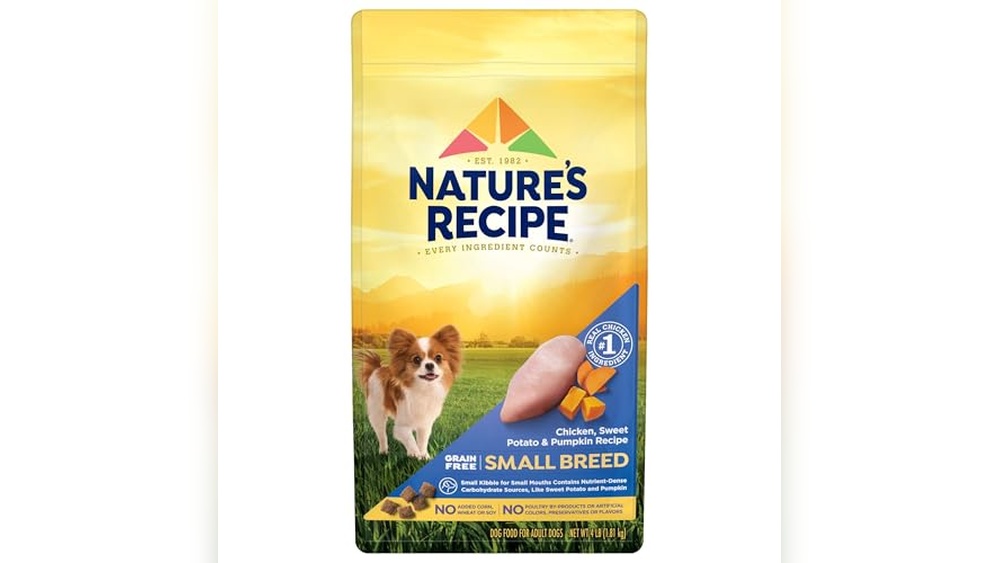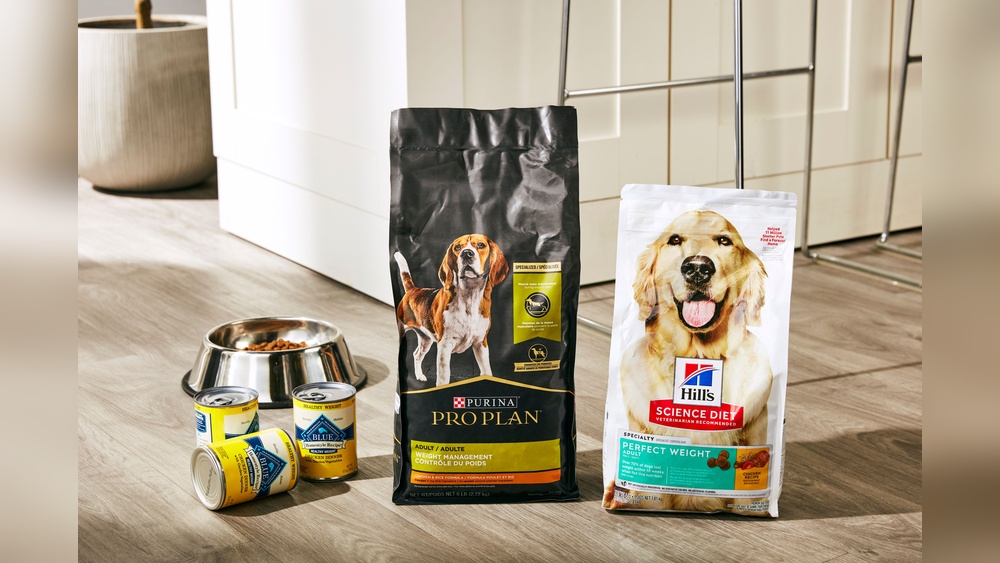
If your dog struggles with hip dysplasia, you want the best dry dog food to support their joints and keep them comfortable. Choosing the right food isn’t just about nutrition—it can make a real difference in your dog’s daily life.
You might feel overwhelmed by all the options out there, but don’t worry. This guide will help you find dry dog food that targets hip health, reduces inflammation, and boosts mobility. Keep reading to discover the top choices that can help your furry friend move with ease and feel their best every day.
Causes Of Hip Dysplasia In Dogs
Hip dysplasia is a common problem in dogs. It happens when the hip joint does not grow properly. This causes pain and difficulty moving. Understanding what causes hip dysplasia helps in managing and preventing it.
Genetic Factors
Hip dysplasia often runs in families. Dogs inherit this condition from their parents. Certain breeds have a higher risk. Large breeds like German Shepherds and Labradors are more prone.
Rapid Growth
Fast growth in puppies can cause hip problems. When bones grow too quickly, joints may not form well. This leads to loose or unstable hips. Balanced growth is important for healthy joints.
Excessive Weight
Heavy dogs put more pressure on their hips. Extra weight strains the joints and cartilage. Overweight dogs develop hip dysplasia faster. Maintaining a healthy weight reduces joint stress.
Poor Nutrition
Nutrition affects bone and joint health. Diets high in calories but low in nutrients may harm growth. Feeding the right food supports strong hips and bones. Proper nutrition helps reduce hip dysplasia risks.
Lack Of Exercise
Too little or too much exercise can cause problems. Gentle activity strengthens muscles around the hips. Strong muscles protect the joints. Avoid excessive jumping or running on hard surfaces.
Symptoms To Watch For
Hip dysplasia is a painful condition in dogs. Early signs help catch it fast. Watch your dog closely for changes in behavior or movement. Spotting symptoms early can improve care and comfort.
Difficulty Standing Or Sitting
Your dog may struggle to stand up or sit down. Movements can seem slow or stiff. Watch for hesitation or wobbling when changing positions.
Unusual Walking Or Limping
Walking with a limp shows pain in the hip joint. Your dog might favor one leg. Notice any changes in how your dog moves or runs.
Less Activity And Play
Dogs with hip pain often play less. They may avoid running or jumping. Watch for less interest in walks or toys.
Swelling Or Soreness Around Hips
Check for swelling near your dog’s hip area. Touch gently to see if your dog pulls away. Soreness can mean inflammation or joint problems.
Changes In Behavior
Pain can make your dog irritable or withdrawn. Look for signs like growling or hiding. Your dog may seem tired or sad more often.
Key Nutrients For Joint Health
Joint health is vital for dogs with hip dysplasia. Proper nutrients help reduce pain and improve mobility. Including key ingredients in dry dog food supports strong joints and healthy cartilage. These nutrients work together to ease stiffness and promote comfort.
Glucosamine And Chondroitin
Glucosamine and chondroitin protect joint cartilage. They help rebuild damaged tissues and reduce inflammation. These compounds support flexibility and reduce joint pain. Many vets recommend them for dogs with hip problems.
Omega-3 Fatty Acids
Omega-3 fatty acids reduce swelling and joint pain. They come from fish oils and help improve joint function. These fats also support healthy skin and coat. Including omega-3s can make movement easier for dogs.
Antioxidants
Antioxidants fight harmful molecules that damage cells. Vitamins C and E are common antioxidants in dog food. They help slow joint wear and tear. Antioxidants boost the immune system and support overall health.
Protein And Fat Balance
Protein helps build strong muscles to support joints. A balanced fat intake provides energy without excess weight. Maintaining a healthy weight reduces stress on hips. Quality protein and fat keep dogs active and healthy.
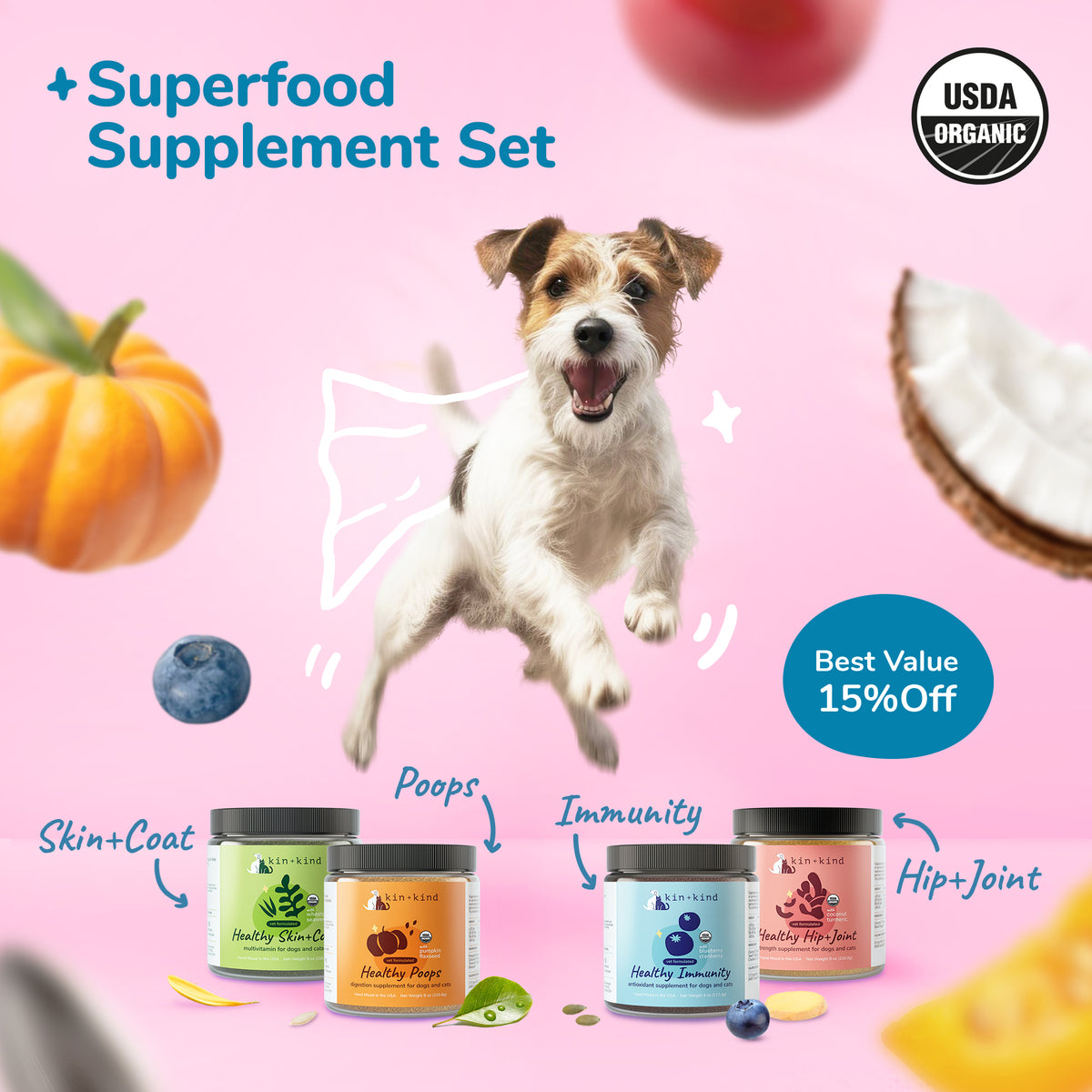
Credit: www.prakgroup.com
Benefits Of Dry Dog Food For Hip Dysplasia
Choosing the right food supports dogs with hip dysplasia. Dry dog food offers many benefits for joint health and mobility. It helps maintain a healthy weight and provides essential nutrients.
Proper nutrition eases pressure on the hips. It supports cartilage and reduces inflammation. Dry dog food is a convenient way to deliver these benefits daily.
Supports Joint Health
Dry dog food often contains glucosamine and chondroitin. These ingredients help repair cartilage and protect joints. Omega-3 fatty acids reduce joint swelling and pain.
Helps Maintain Healthy Weight
Weight control is crucial for dogs with hip dysplasia. Dry dog food is easy to measure and portion. It prevents overfeeding and reduces stress on hips.
Provides Balanced Nutrition
High-quality dry dog food offers vitamins and minerals. These nutrients support bone strength and muscle health. A balanced diet improves overall well-being and energy.
Convenient And Long-lasting
Dry dog food stores well without spoiling. It is simple to serve and clean up. This makes feeding time less stressful for owners and dogs.
Top Dry Dog Food Brands For Hip Dysplasia
Choosing the right dry dog food can ease hip dysplasia symptoms. Some brands make formulas that support joint health. These foods contain nutrients to reduce inflammation and improve mobility. Here are top dry dog food brands designed for dogs with hip issues.
Brand A: Features And Benefits
Brand A uses high-quality protein to maintain muscle strength. It has glucosamine and chondroitin to support joint repair. Omega-3 fatty acids reduce joint inflammation. The formula includes antioxidants to boost the immune system. It is free from fillers and artificial additives.
Brand B: Features And Benefits
Brand B offers a balanced diet with vitamins and minerals. It includes green-lipped mussel, a natural joint support ingredient. The food has a moderate calorie count to prevent weight gain. This helps reduce stress on hips and joints. It is easy to digest and suitable for sensitive stomachs.
Brand C: Features And Benefits
Brand C focuses on large breed dogs prone to hip problems. It contains high levels of DHA for brain and joint health. The recipe uses real meat as the first ingredient. It avoids corn, wheat, and soy to lower allergy risks. The kibble size is designed for easy chewing and digestion.
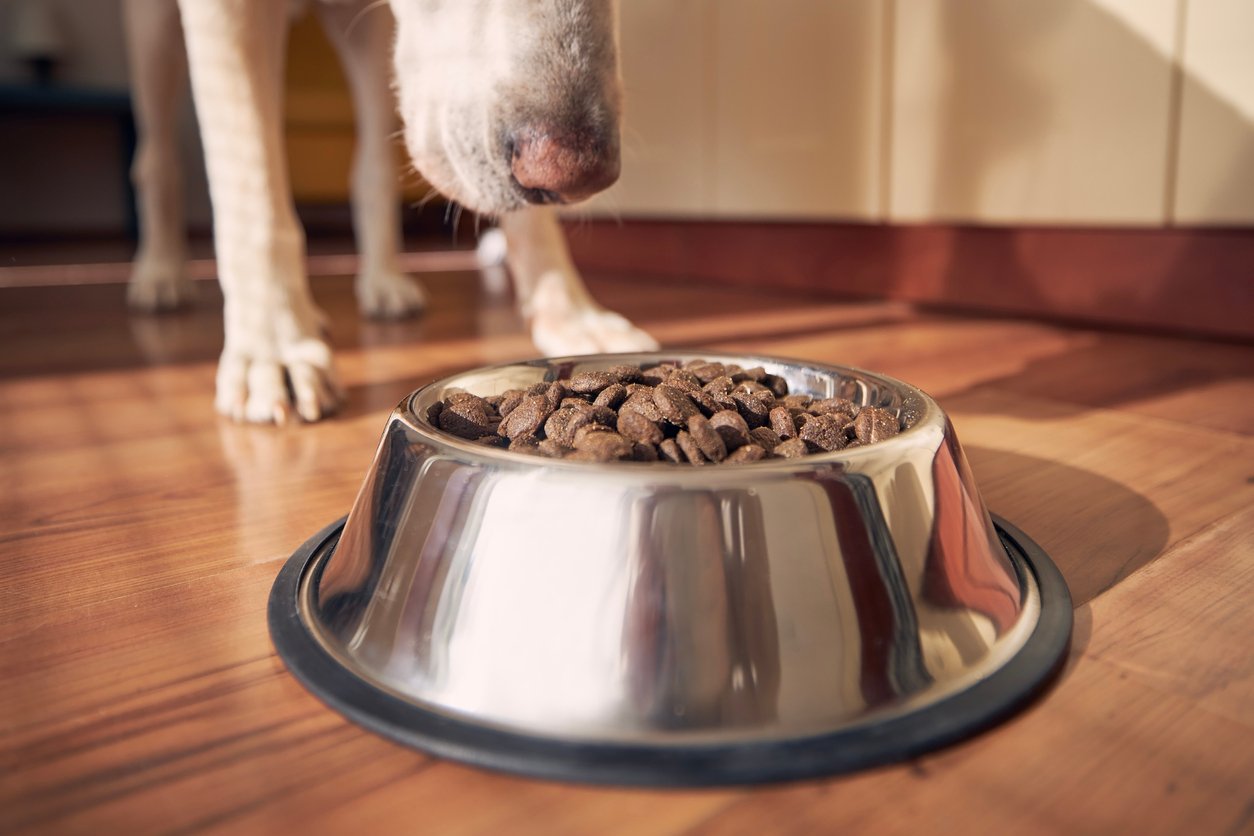
Credit: www.prakgroup.com
Choosing The Right Food For Your Dog
Choosing the right food for your dog with hip dysplasia is very important. The right diet can help reduce joint pain and improve mobility. Not all dog foods are the same. You need to pick one that supports joint health and overall well-being. Understanding your dog’s needs makes feeding easier and more effective.
Age And Size Considerations
Different ages need different nutrients. Puppies, adults, and senior dogs have unique needs. Senior dogs with hip dysplasia need extra joint support. Large breed dogs often face more joint stress. They need food with specific nutrients for strong bones and joints. Choose a dry dog food made for your dog’s size and age group.
Ingredient Quality
High-quality ingredients help your dog feel better. Look for foods with real meat as the first ingredient. Avoid foods with fillers like corn or soy. Omega-3 fatty acids reduce inflammation and improve joint health. Ingredients like glucosamine and chondroitin support cartilage repair. Natural antioxidants help protect cells from damage.
Consulting Your Veterinarian
Your vet knows your dog’s health best. They can recommend the best food for hip dysplasia. Share your dog’s symptoms and medical history. Your vet may suggest supplements or special diets. Follow their advice to improve your dog’s quality of life. Regular check-ups help track your dog’s progress with new food.
Tips For Managing Hip Dysplasia Alongside Diet
Managing hip dysplasia in dogs requires more than just a good diet. It needs a full plan to help ease pain and improve movement. Combining diet with exercise, supplements, and weight control can make a big difference. These tips support your dog’s health and comfort every day.
Exercise And Physical Therapy
Regular, gentle exercise keeps joints moving and muscles strong. Short walks and swimming work well for dogs with hip problems. Avoid hard running or jumping that may cause pain. Physical therapy helps improve flexibility and reduce stiffness. A vet or therapist can guide specific exercises for your dog.
Supplements And Medications
Supplements like glucosamine and chondroitin support joint health. Omega-3 fatty acids reduce inflammation and ease discomfort. Your vet may suggest pain relievers or anti-inflammatory drugs. Always follow the vet’s advice on dosage and type. These aids work best combined with diet and exercise.
Weight Management
Extra weight puts stress on hips and joints. Keeping your dog at a healthy weight reduces pain and improves mobility. Measure food portions carefully and avoid table scraps. Regular weigh-ins help track progress. A balanced diet with controlled calories supports weight control and joint health.

Credit: www.prakgroup.com
Frequently Asked Questions
What Ingredients Help Dogs With Hip Dysplasia?
Glucosamine, chondroitin, omega-3 fatty acids, and antioxidants support joint health. These ingredients reduce inflammation and improve mobility in dogs with hip dysplasia.
How To Choose Dry Dog Food For Hip Dysplasia?
Look for joint-supporting nutrients, high-quality protein, and balanced fats. Avoid fillers and artificial additives to promote overall health and weight management.
Can Diet Improve My Dog’s Hip Dysplasia Symptoms?
Yes, a diet rich in joint-supporting nutrients can reduce pain and inflammation. Proper nutrition helps maintain a healthy weight, easing joint stress and improving mobility.
Is Grain-free Dry Dog Food Better For Hip Dysplasia?
Grain-free food isn’t necessarily better for hip dysplasia. Focus on nutrient quality and joint support rather than just grain content for optimal results.
Conclusion
Choosing the best dry dog food supports your pet’s joint health. Foods rich in nutrients help ease hip dysplasia symptoms. A balanced diet can improve your dog’s comfort and movement. Always check ingredients and consult your vet for guidance. Healthy food makes a big difference in your dog’s life.
Care and good nutrition keep your dog happy and active. Small changes lead to better days for your furry friend. Keep your dog’s needs in mind while feeding daily. Quality food means a stronger, healthier companion by your side.