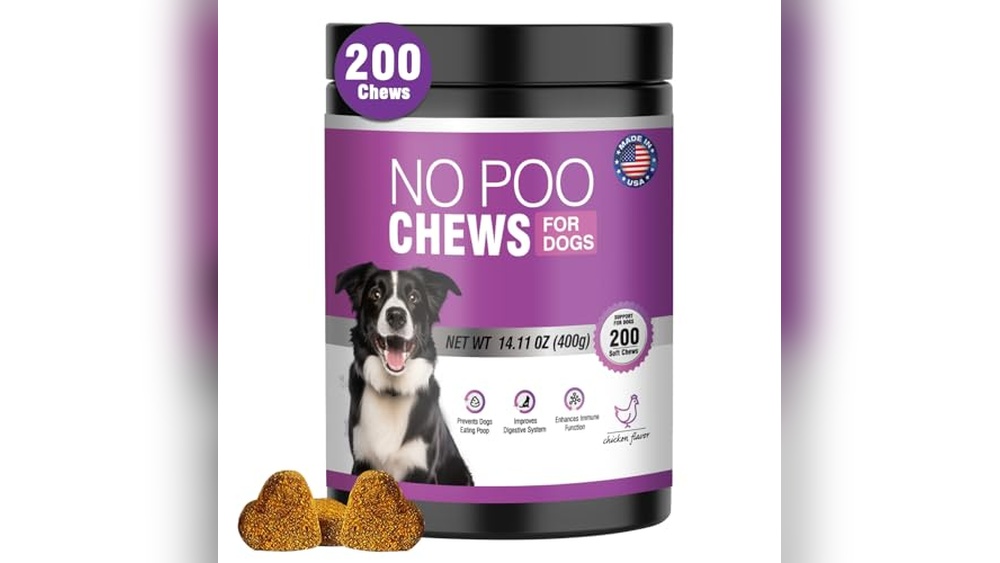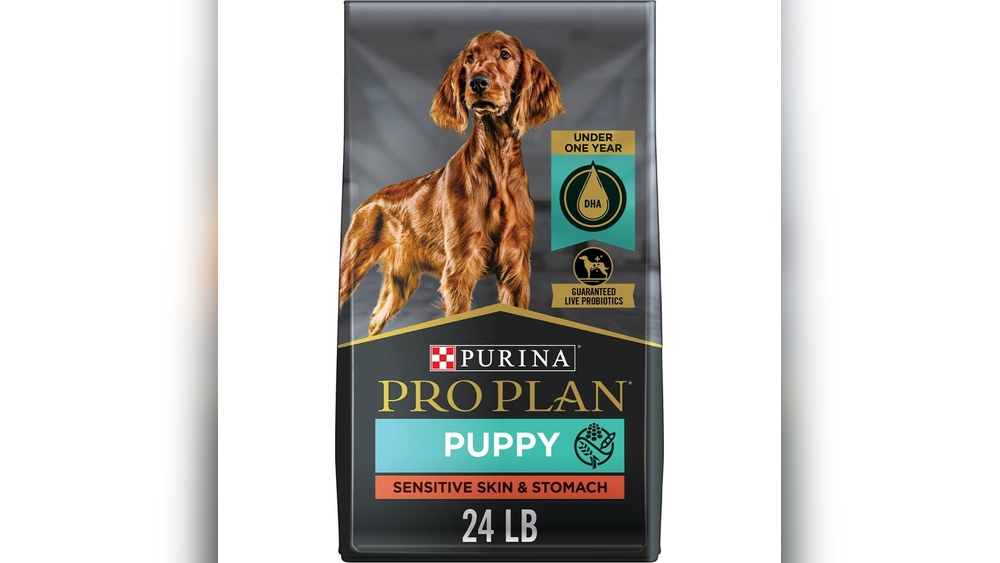
If your dog struggles with a sensitive stomach, you know how hard it can be to find the right food. You want something that’s gentle, nutritious, and tasty enough to keep your furry friend happy.
Choosing the best dry dog food for dogs with sensitive stomachs isn’t just about avoiding upset tummies—it’s about helping your dog feel their best every day. In this guide, you’ll discover top options that soothe digestion and support overall health.
Keep reading to find the perfect match for your dog’s unique needs.
Causes Of Sensitive Stomachs In Dogs
Sensitive stomachs in dogs can cause discomfort and digestive problems. Understanding the causes helps in choosing the best dry dog food. Several factors can lead to stomach issues, from diet to breed traits.
Common Triggers
Sudden diet changes often upset a dog’s stomach. Spoiled food or eating too fast can cause digestive trouble. Stress and anxiety also affect digestion. Parasites and infections may lead to stomach sensitivity. Poor quality ingredients can trigger tummy issues.
Breed And Age Factors
Some breeds are more prone to sensitive stomachs. Small breeds like Yorkshire Terriers often have delicate digestion. Older dogs may develop weaker digestion over time. Puppies have immature digestive systems. Age and breed play a key role in stomach health.
Food Allergies And Intolerances
Dogs can be allergic to certain proteins or grains. Common allergens include beef, dairy, and wheat. Food intolerance causes slow digestion and discomfort. Identifying allergens helps avoid stomach upsets. Limited ingredient foods reduce allergic reactions.
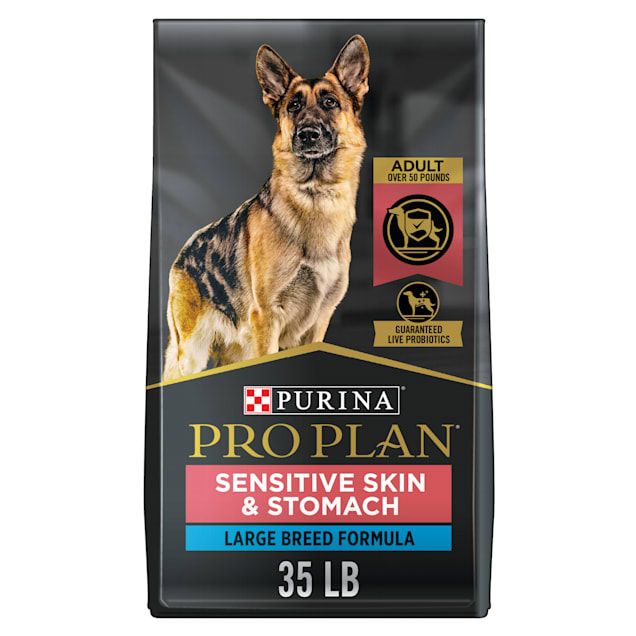
Credit: training.unitedats.com
Key Ingredients For Gentle Digestion
Choosing the right dry dog food for dogs with sensitive stomachs means focusing on gentle ingredients. These key ingredients support easy digestion and help prevent upset tummies. They work together to keep your dog’s digestive system calm and healthy.
Understanding these ingredients helps you pick the best food. Each one plays a special role in soothing your dog’s stomach and improving nutrient absorption.
Easily Digestible Proteins
Proteins are vital for your dog’s health. Some proteins digest easier than others. Chicken, turkey, and fish are common gentle protein sources. These proteins cause less strain on the stomach. They help your dog absorb nutrients without discomfort.
Fiber Sources That Soothe
Fiber supports healthy digestion and regular bowel movements. Gentle fibers like pumpkin, sweet potatoes, and rice calm the stomach. They help reduce gas and bloating. These fibers also add bulk to stools, making digestion smoother.
Probiotics And Prebiotics Benefits
Probiotics are good bacteria that balance the gut. They improve digestion and boost the immune system. Prebiotics feed these good bacteria. Together, they support a healthy gut environment. This reduces stomach issues and promotes overall wellness.
Top Dry Dog Foods For Sensitive Stomachs
Choosing the right dry dog food is key for dogs with sensitive stomachs. These foods help reduce tummy troubles and improve digestion. The right formula supports your dog’s health and comfort every day.
Here are some top dry dog food types designed for sensitive stomachs. Each type focuses on gentle ingredients and easy digestion.
Limited Ingredient Diets
Limited ingredient diets have fewer components. They reduce the chance of upsetting your dog’s stomach. These foods often use one protein source and simple carbs. This makes it easier to spot allergies or sensitivities. Many dogs with sensitive stomachs do well on these diets.
Grain-free Options
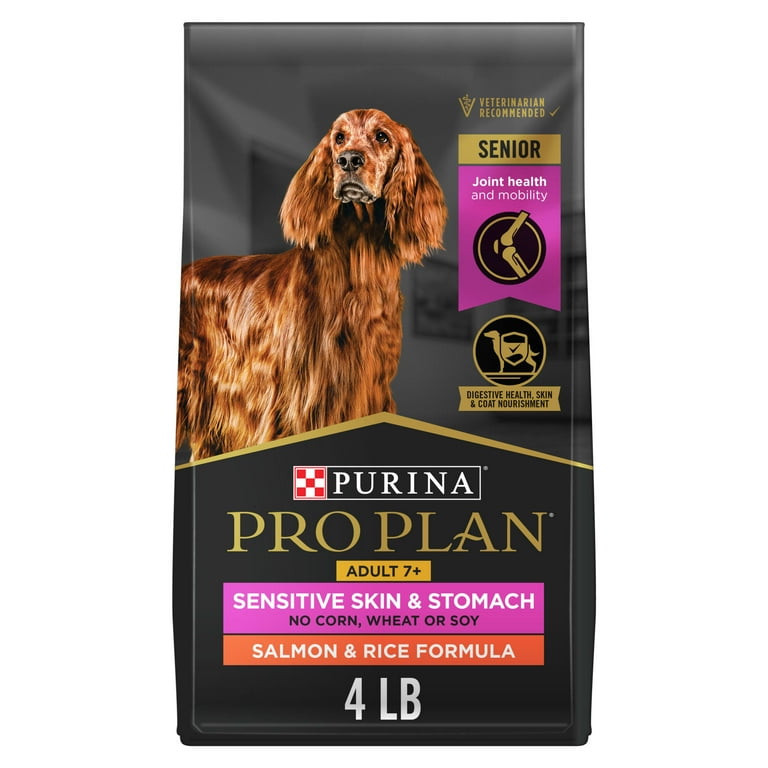
Grain-free dog foods skip wheat, corn, and soy. Some dogs find grains hard to digest. Grain-free foods use potatoes, peas, or lentils instead. These ingredients are gentle on the stomach. Grain-free options may ease digestive issues and improve stool quality.
Hypoallergenic Formulas
Hypoallergenic dog foods avoid common allergens. They use novel proteins like duck or venison. These proteins are less likely to cause reactions. Hypoallergenic formulas often include added fiber and probiotics. These help balance the gut and boost digestion.
How To Transition To New Dog Food
Changing your dog’s food needs care, especially for sensitive stomachs. Sudden changes can upset digestion and cause discomfort. A slow, steady transition helps your dog adjust well. Watch for any signs of trouble during the change.
Gradual Switching Tips
Start by mixing 25% new food with 75% old food. Feed this mix for three days. Next, switch to half new and half old food for another three days. Then, offer 75% new food and 25% old food. After about 10 days, your dog should eat only the new food. This slow change helps avoid stomach problems.
Monitoring Your Dog’s Reaction
Look for changes in stool, appetite, or energy levels. Soft stools or vomiting can signal trouble. Your dog might scratch more or seem restless. Keep a close eye on their behavior and digestion. Note any new symptoms and how often they occur.
When To Consult A Vet
If your dog shows constant vomiting or diarrhea, stop the new food. Seek advice from your veterinarian quickly. Severe signs like lethargy, weight loss, or dehydration need urgent care. A vet can recommend the best diet for sensitive stomachs. Early help avoids bigger health issues.
Additional Tips For Sensitive Dogs
Dogs with sensitive stomachs need more than just the right food. Proper care and attention help keep their digestion calm. Small changes in feeding and lifestyle can make a big difference. Here are some helpful tips to support your sensitive dog’s health.
Feeding Schedules And Portions
Feed your dog smaller meals more often. This reduces stress on the stomach. Avoid large portions that can cause discomfort or bloating. Keep feeding times consistent every day. This helps your dog’s digestive system stay regular. Measure food carefully to prevent overfeeding. Use a kitchen scale or measuring cup for accuracy.
Avoiding Common Food Additives
Many additives can upset sensitive stomachs. Avoid foods with artificial colors, flavors, and preservatives. These ingredients often cause allergies or irritation. Choose dog food with natural ingredients only. Look for labels that list simple, whole foods. Avoid fillers like corn, wheat, and soy. These can be hard to digest and cause gas.
Lifestyle And Environmental Factors
Stress can affect your dog’s digestion. Keep your dog calm and relaxed. Create a quiet, safe feeding area. Exercise helps digestion but avoid intense activity right after meals. Regular walks are best. Watch for signs of anxiety or stress. Reduce exposure to harsh chemicals and strong smells. These can trigger stomach upset in sensitive dogs.
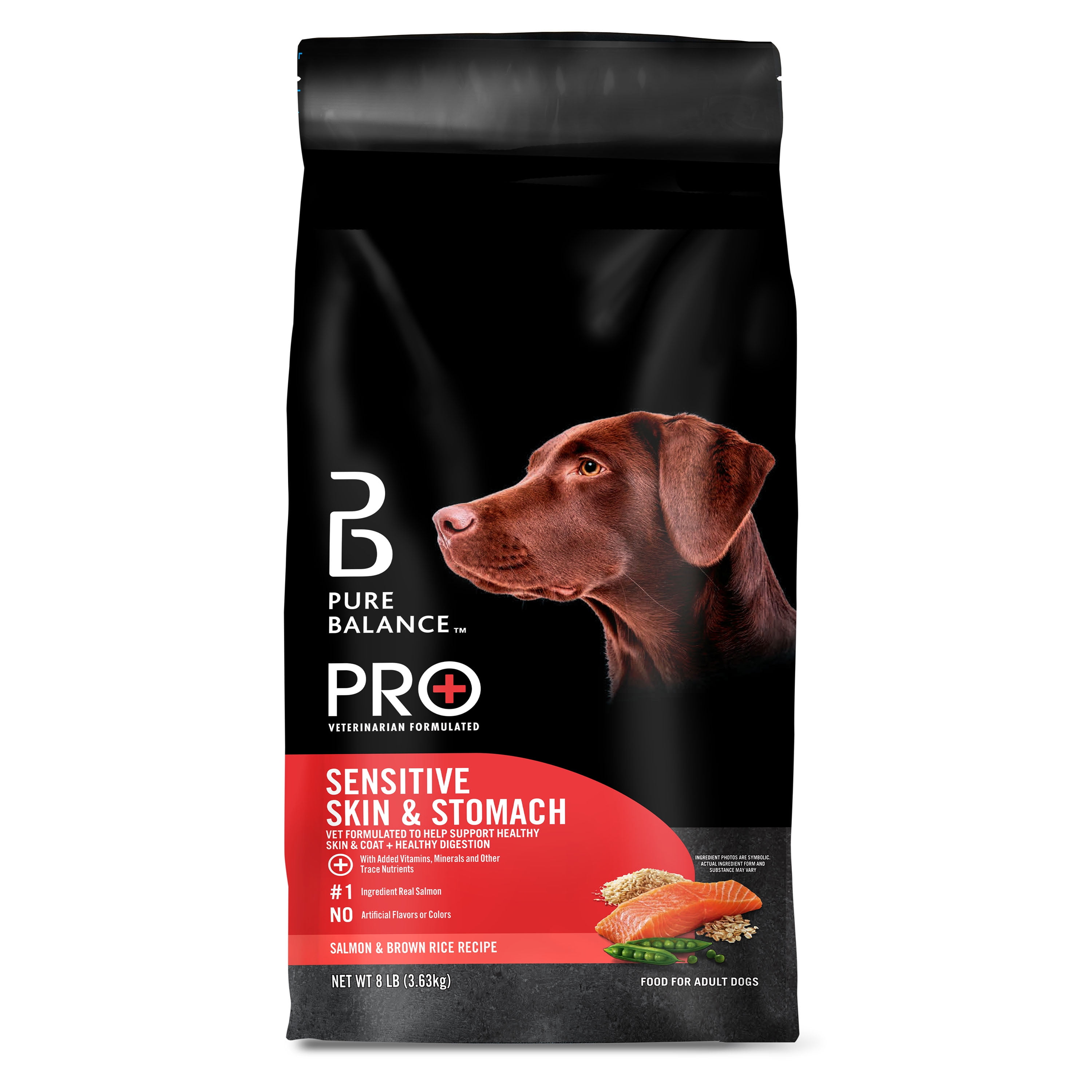
Credit: www.visco-foam.com
Credit: www.walmart.com
Frequently Asked Questions
What Ingredients Help Dogs With Sensitive Stomachs?
Ingredients like rice, chicken, and sweet potatoes are gentle. Avoid fillers, artificial additives, and common allergens to reduce stomach upset.
How To Choose The Best Dry Dog Food For Sensitive Stomachs?
Look for limited ingredients, high digestibility, and hypoallergenic formulas. Check for added probiotics to support digestion and overall gut health.
Can Dry Dog Food Improve Digestive Issues In Sensitive Dogs?
Yes, specially formulated dry foods with gentle ingredients and probiotics can ease digestion. Consistent feeding helps maintain a healthy gut balance.
How Often Should I Feed My Sensitive Stomach Dog Dry Food?
Feed small, frequent meals to avoid overloading the stomach. Typically, 2-3 meals per day work best for digestion and comfort.
Conclusion
Choosing the right dry dog food helps ease sensitive stomach issues. Dogs feel better with gentle, simple ingredients. Always check labels for allergens or irritants. Feeding small, regular meals supports good digestion. Watch your dog’s reaction to new foods closely.
Healthy digestion means a happier, more active pet. Trust your instincts and consult your vet if needed. Careful food choices make a big difference daily. Keep your dog comfortable and thriving with the best options.