Finding the best dried dog food for your small dog can feel overwhelming. You want to give your furry friend the right nutrition, but with so many options, where do you start?
Choosing the perfect food affects your dog’s energy, health, and happiness every day. In this guide, you’ll discover top picks that meet your small dog’s unique needs—helping you make a confident choice. Keep reading to find the best dry dog food that keeps your little companion thriving and tail-wagging!
Why Choose Dried Food For Small Dogs
Dried dog food offers many advantages for small dogs. It suits their unique needs and makes feeding easy. Small dogs have delicate stomachs and specific dietary requirements. Dried food is made to support their health and energy.
Choosing dried food helps owners provide balanced nutrition without hassle. It keeps well and fits small portions perfectly. This type of food often contains the right mix of proteins and fats for tiny dogs.
Benefits For Tiny Tummies
Small dogs need food that is gentle on their stomachs. Dried dog food often has ingredients that are easy to digest. It helps prevent stomach upset and keeps digestion smooth. The kibble size is usually small, making it easy to chew. This reduces choking risks and helps with proper nutrient absorption.
Convenience And Storage
Dried dog food is simple to store and handle. It stays fresh longer without refrigeration. This saves space and reduces waste. Owners can buy in bulk, saving time and money. Portion control is easier with dried food, ensuring dogs eat the right amount daily.
:strip_icc()/Spruce-best-dry-dog-foods-7564122-38362a90bb4c4e08954a9095955055da.jpg)
Credit: reunite.com.ar
Key Nutritional Needs For Small Breeds
Small dog breeds have unique nutritional needs. Their fast metabolism and high energy levels require special care. Choosing the right dried dog food helps keep them healthy and active. Understanding these key nutrients ensures your small dog gets balanced nutrition every day.
Small dogs need food that supports their growth, energy, and overall health. The right balance of protein, fat, vitamins, and minerals plays a big role. This section explains the main nutritional needs for small breeds.
Protein And Fat Requirements
Protein is vital for muscle strength and body repair. Small dogs need a higher protein amount compared to larger breeds. Look for dog food with at least 22% protein content.
Fat provides energy and helps keep the coat shiny. Small breeds burn energy fast, so their food must have enough fat. A fat content between 8% and 12% works well for them.
Essential Vitamins And Minerals
Vitamins support many body functions like vision, skin health, and immunity. Vitamins A, D, and E are especially important for small dogs.
Minerals like calcium and phosphorus build strong bones and teeth. Small breeds need balanced minerals to avoid health problems. A good dried dog food includes these essential vitamins and minerals in the right amounts.
Top Ingredients To Look For
Choosing the best dried dog food for small dogs means focusing on key ingredients. These ingredients support health, energy, and digestion. Small dogs have unique needs, so quality matters a lot.
High-quality Proteins
Proteins help build strong muscles and keep your dog active. Look for named meat sources like chicken, beef, or fish. Avoid vague terms like “meat meal” or “animal by-products.” High-quality proteins digest easily and provide essential amino acids.
Small dogs need enough protein but not too much. Balanced protein supports healthy skin and a shiny coat. Fresh and natural meat ingredients are best for overall health.
Grain-free Vs. Grain-inclusive Options
Grain-free diets avoid wheat, corn, and soy. They use alternatives like peas, lentils, or potatoes. Some dogs digest grain-free food better. Others do well with grains included.
Grain-inclusive dog food often has rice or oats. These grains add fiber and nutrients. They also help with digestion and energy. Choose based on your dog’s tolerance and any allergies.
Natural Additives And Supplements
Natural additives improve health and digestion. Ingredients like omega-3 fatty acids support brain and joint health. Probiotics help keep the stomach balanced.
Look for vitamins and minerals that boost immunity. Ingredients such as cranberry or turmeric offer extra benefits. Avoid artificial colors, flavors, or preservatives. Natural supplements keep your dog feeling good and active.
Credit: www.walmart.com
Best Dry Dog Food Brands For Small Dogs
Choosing the right dry dog food brand for small dogs matters a lot. Small dogs need food that fits their size and energy needs. Some brands make food with small kibbles. Others focus on special nutrition for tiny breeds. This guide covers top brands that offer quality dry dog food for small dogs. It helps you find options that match your budget and your dog’s health needs.
Premium Choices
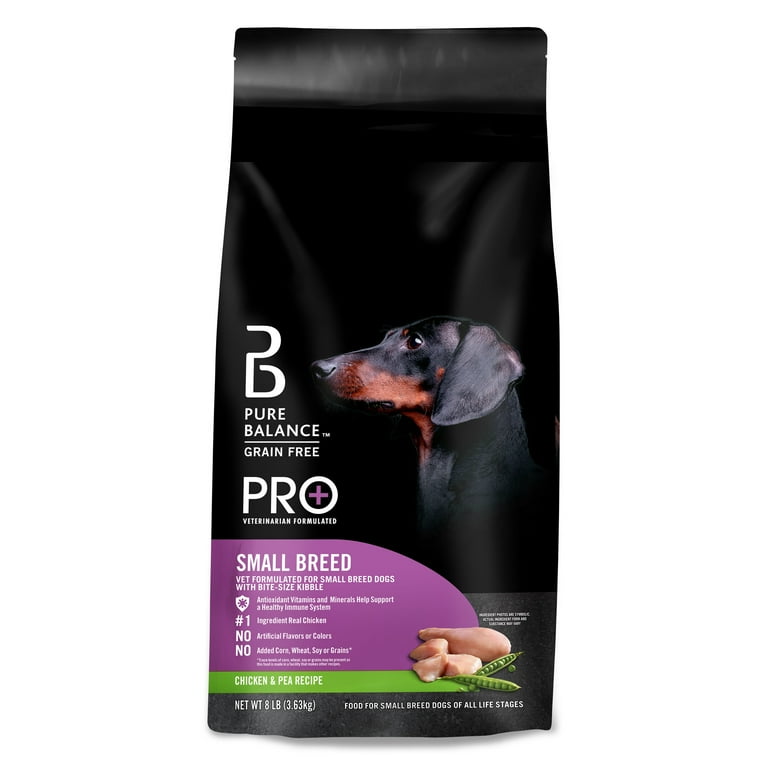
Premium dry dog foods use high-quality ingredients. They often include real meat as the first ingredient. These brands avoid fillers like corn and wheat. Many add vitamins and minerals for small dogs. They support healthy skin, teeth, and digestion. Brands like Blue Buffalo, Wellness, and Orijen fall here. They cost more but offer better nutrition.
Budget-friendly Options
Budget-friendly brands provide good nutrition without high cost. They balance protein, fat, and carbs well. Many small dog formulas have smaller kibble size. These brands use some grains but keep quality in mind. Examples include Taste of the Wild and Nutro. They suit pet owners who want value and decent quality.
Specialty Formulas
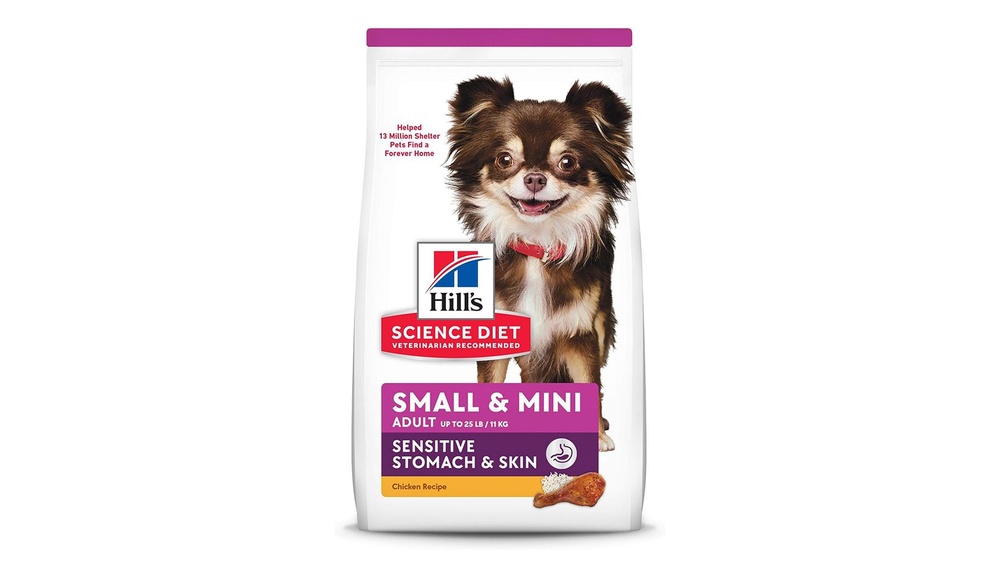
Specialty dry dog foods target specific needs. Some focus on weight control for small dogs. Others help dogs with allergies or sensitive stomachs. Grain-free and limited ingredient diets are common here. Brands like Hill’s Science Diet and Natural Balance offer these formulas. They help manage health issues with tailored nutrition.
How To Transition To New Dog Food
Changing your small dog’s food needs care and patience. Sudden changes can upset their stomach. A smooth transition helps your dog adjust well.
This section explains how to switch to new dried dog food safely. Follow these steps to keep your dog healthy and happy.
Gradual Introduction Tips
Start by mixing 25% new food with 75% old food. Feed this mix for three days. Then, increase new food to 50% for the next three days.
Next, feed 75% new food and 25% old food for three days. Finally, give only the new food. This slow change helps your dog’s digestion.
Monitoring Your Dog’s Reaction
Watch your dog closely during the transition. Check for signs like vomiting, diarrhea, or loss of appetite. These might mean the new food does not agree with your dog.
Also, observe their energy and mood. A happy and active dog shows good tolerance. Contact your vet if problems continue for more than three days.
Credit: www.ralphs.com
Common Allergies And Sensitivities In Small Dogs
Small dogs often face allergies and sensitivities that affect their health. These can cause discomfort and lead to other problems. Understanding common allergies helps in choosing the right dried dog food. This keeps your pet happy and healthy.
Identifying Symptoms
Watch for signs like itching, redness, and hair loss. Digestive issues such as vomiting or diarrhea also appear. Small dogs may scratch their ears or shake their heads. These symptoms suggest a food allergy or sensitivity. Early detection helps manage the condition better.
Selecting Hypoallergenic Foods
Choose foods with limited ingredients to reduce allergy risks. Look for novel proteins like duck or venison. Grain-free options may help sensitive dogs. Hypoallergenic dog food avoids common allergens such as wheat, soy, and corn. Always check the label for safe ingredients.
Feeding Tips For Small Dog Owners
Feeding small dogs the right way helps them stay healthy and happy. Small dogs have fast metabolisms and different needs than larger dogs. Paying attention to their food portions and meal times is very important. This section shares easy tips for small dog owners to feed their pets well.
Portion Control
Small dogs need smaller food portions to avoid weight gain. Overfeeding can cause health problems. Use a measuring cup to give the exact amount of dried dog food. Check the package for portion guidelines based on your dog’s weight. Adjust portions as your dog ages or changes activity level. Watch your dog’s weight and body shape to keep portions right.
Meal Frequency And Timing
Small dogs do better with several small meals daily. Divide their daily food amount into two or three meals. Feeding at the same times each day helps with digestion and routine. Avoid leaving food out all day to prevent overeating. Consistent meal times support good energy levels and reduce begging behavior.
Storing Dried Dog Food Properly
Storing dried dog food properly is key to keeping it safe and tasty for your small dog. The right storage stops the food from going bad and losing nutrients. It also helps keep pests away. Simple steps can make a big difference in the food’s quality over time.
Avoiding Spoilage
Keep dried dog food in a cool, dry place. Heat and moisture cause spoilage fast. Use airtight containers to block air and humidity. Avoid storing food near sunlight or heat sources. Check food regularly for signs of mold or bad smell. Throw away any spoiled food immediately.
Maintaining Freshness
Seal the bag tightly after each use. Use containers with lids that close well. Store food in small amounts to use quickly. Avoid buying large bags that take too long to finish. Keep the storage area clean and free of insects. Fresh food tastes better and is healthier for your dog.
Frequently Asked Questions
What Makes Dried Dog Food Ideal For Small Dogs?
Dried dog food is nutrient-dense and easy to store. It suits small dogs’ smaller mouths and digestion. It often contains balanced proteins, fats, and vitamins tailored for small breeds’ energy needs.
How To Choose The Best Dried Dog Food For Small Dogs?
Look for high-quality protein, grain-free options, and added vitamins. Check for small kibble size, digestibility, and no artificial additives. Reviews and vet recommendations help identify the best brands for small dogs.
Is Dried Dog Food Better Than Wet Food For Small Dogs?
Dried food is more convenient, cost-effective, and longer-lasting. It supports dental health by reducing tartar buildup. However, wet food offers hydration benefits. The best choice depends on your dog’s preferences and health needs.
Can Small Dogs Eat Adult Dried Dog Food Safely?
Yes, but it’s best to choose formulas made specifically for small adult dogs. These contain appropriate nutrient levels and kibble sizes. Puppies and seniors need specialized food to support their unique health requirements.
Conclusion
Choosing the best dried dog food helps your small dog stay healthy and happy. Quality ingredients support energy and growth every day. Small dogs need food that fits their size and taste. Always check labels to avoid unwanted additives or fillers.
Feeding the right food keeps your pet active and strong. Try a few brands to see what your dog likes best. Healthy meals lead to a longer, joyful life for your furry friend. Keep your dog’s needs in mind and enjoy every meal together.