Choosing the best dried dog food for your small dog can feel overwhelming. You want to give your furry friend food that keeps them healthy, happy, and full of energy.
But with so many options on the market, how do you know which one is truly right for your little companion? You’ll discover the top choices that meet the unique needs of small dogs. By the end, you’ll feel confident picking a dried dog food that supports your pet’s well-being and makes mealtime something they look forward to every day.
Keep reading to find the perfect match for your beloved small dog.
Benefits Of Dried Dog Food
Dried dog food offers many benefits for small dogs and their owners. It is a practical choice that meets the dietary needs of tiny breeds. This type of food supports their health and makes feeding easy and efficient.
Convenience And Shelf Life
Dried dog food is simple to store and handle. It does not spoil quickly, lasting for months when kept sealed. This long shelf life means fewer trips to the store and less worry about food going bad. Small dog owners find it easy to keep a steady supply at home.
Nutrient Density
Small dogs need packed nutrients in small portions. Dried dog food contains concentrated vitamins and minerals. This concentration supports their energy and overall health. It helps maintain their shiny coat, strong teeth, and healthy skin.
Portion Control
Managing food portions is easy with dried dog food. Small dogs require precise amounts to avoid overeating. The dry kibble size helps measure the right portions quickly. This control supports healthy weight and prevents digestive issues.
:strip_icc()/Spruce-best-dry-dog-foods-7564122-38362a90bb4c4e08954a9095955055da.jpg)
Credit: reunite.com.ar
Nutritional Needs Of Small Dogs
Small dogs have unique nutritional needs that differ from larger breeds. Their fast metabolism and smaller size require a diet that supports energy and health. Choosing the right dried dog food helps keep small dogs active and strong.
Understanding these needs is key to selecting the best food. Nutrients, calories, and possible allergies all play a role in their diet. Proper nutrition supports their growth, immunity, and overall well-being.
Calorie Requirements
Small dogs burn calories quickly due to their fast metabolism. They need more calories per pound than big dogs. Feeding the right amount prevents weight gain or energy loss. Too few calories can cause weakness and slow growth.
Calorie needs vary by activity level, age, and breed. Active dogs need more energy, while older dogs require fewer calories. Always check food labels for calorie content suited to small dogs.
Essential Nutrients
Protein is vital for muscle maintenance and repair. Small dogs need high-quality protein sources like chicken or fish. Healthy fats provide energy and keep skin and coat shiny. Omega-3 and Omega-6 fatty acids are important.
Vitamins and minerals support bone health and immune function. Calcium and phosphorus help strong teeth and bones. Antioxidants protect cells and reduce illness risks. Balanced nutrition ensures small dogs stay healthy.
Common Allergies
Small dogs may have allergies to certain ingredients. Common allergens include beef, dairy, wheat, and soy. Allergies can cause itching, digestive issues, and ear infections. Choosing hypoallergenic or limited-ingredient foods helps reduce reactions.
Always watch for signs of allergies and consult a vet. Switching to a new food gradually helps prevent stomach upset. Safe ingredient choices keep small dogs comfortable and happy.
Top Ingredients To Look For
Choosing the best dried dog food for small dogs means focusing on key ingredients. These ingredients support their health, energy, and overall well-being. Small dogs have unique needs that require special nutrition.
Good dog food should contain quality ingredients that help your pet thrive. Here are the top ingredients to look for in dried dog food.
High-quality Proteins
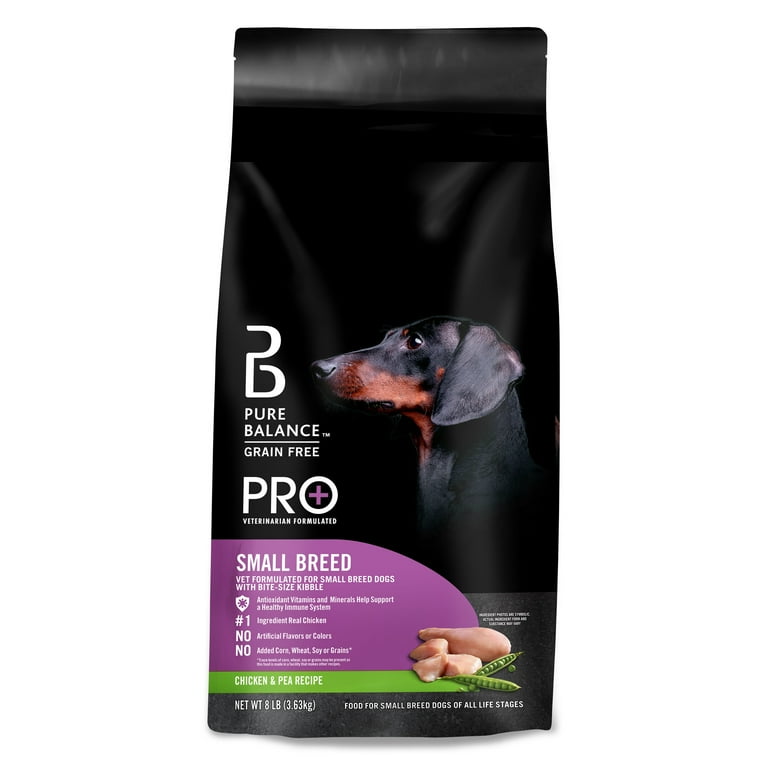
Proteins build strong muscles and keep your dog active. Look for real meat like chicken, beef, or fish as the first ingredient. Avoid foods with fillers like corn or soy as the main protein source. High-quality proteins are easier to digest and provide essential amino acids.
Healthy Fats
Fats give energy and keep your dog’s skin and coat shiny. Sources like fish oil, flaxseed, and chicken fat are excellent. These fats also support brain function and reduce inflammation. Avoid artificial fats or too much saturated fat in the food.
Vitamins And Minerals
Vitamins and minerals keep your dog’s body working well. Important ones include vitamin A, E, calcium, and zinc. These support bones, teeth, immune system, and overall health. Balanced vitamins and minerals help small dogs stay strong and active.
Credit: www.walmart.com
Avoiding Harmful Additives
Choosing the best dried dog food for small dogs means avoiding harmful additives. These additives can affect your pet’s health and energy. Small dogs need clean, safe food to stay happy and strong. Reading labels helps find food without these bad ingredients.
Artificial Preservatives
Artificial preservatives keep dog food fresh longer. But some can cause allergies or stomach problems. Common ones include BHA, BHT, and ethoxyquin. These chemicals may harm your dog’s immune system. Look for foods with natural preservatives like vitamin E or rosemary extract.
Fillers And Byproducts
Fillers add bulk but offer little nutrition. Ingredients like corn, wheat, and soy are common fillers. Byproducts are leftovers from meat processing. They may contain parts dogs don’t need. These ingredients can cause digestive issues and allergies. Choose foods with real meat and whole ingredients instead.
Excessive Sugars And Salts
Too much sugar and salt can harm small dogs. Sugar can lead to weight gain and dental problems. Salt in high amounts affects kidney and heart health. Check labels to avoid foods with added sugars or salt. Healthy dog food uses natural flavors without extra sugar or salt.
Best Dried Dog Food Brands For Small Dogs 2025
Finding the best dried dog food for small dogs in 2025 is easier with trusted brands. Small dogs need food that fits their size and energy levels. The right brand offers balanced nutrition and tasty ingredients. Quality matters to keep your pet healthy and happy.
Several brands stand out for their quality and care for small breeds. Some focus on premium ingredients, while others offer budget-friendly options. Grain-free recipes are also popular for dogs with sensitivities. Each category has top choices worth knowing about.
Premium Choices
Premium dried dog foods use high-quality meats and natural ingredients. Brands like Blue Buffalo and Wellness offer meals with real chicken or fish. These foods include vitamins and minerals for small dogs’ unique needs. They support healthy skin, shiny coats, and good digestion. Many pet owners trust these brands for their pets’ well-being.
Budget-friendly Options
Affordable dried dog food brands provide good nutrition without a high price. Purina ONE and Diamond Naturals deliver solid ingredient blends for small dogs. These options balance cost and quality effectively. They often include essential nutrients and tasty flavors. Budget-friendly does not mean low quality here.
Grain-free Alternatives
Grain-free dried dog foods avoid wheat, corn, and soy. These are great for dogs with allergies or sensitive stomachs. Brands like Merrick and Taste of the Wild create grain-free recipes rich in protein. They focus on natural ingredients and easy digestion. Choosing grain-free can help reduce allergies and improve energy.
Feeding Tips For Small Dogs
Feeding small dogs the right way helps keep them healthy and happy. Small dogs have different needs than bigger dogs. Their food portions, how you change their food, and how you keep the food fresh all matter. Follow these simple tips to make feeding easier and better for your small pet.
Proper Portion Sizes
Small dogs need smaller meals than large dogs. Too much food can cause weight gain. Too little food can lead to low energy and poor health. Check the food package for daily serving sizes. Divide the daily amount into two or three meals. Watch your dog’s weight and energy. Adjust portions if your dog gains or loses weight.
Transitioning Foods Safely
Switch your dog’s food slowly. Sudden changes can upset their stomach. Mix a small amount of new food with the old food. Gradually add more new food over a week. Watch for any signs of stomach upset. Diarrhea or vomiting means slow down the switch. This helps your dog’s digestion adjust smoothly.
Storage And Freshness
Keep dried dog food fresh to keep it tasty and safe. Store food in a cool, dry place. Use airtight containers to stop moisture and bugs. Avoid keeping food in direct sunlight. Check expiration dates before feeding. Fresh food helps your dog enjoy every meal and stay healthy.
Customer Reviews And Ratings
Customer reviews and ratings offer real insights into dried dog food for small dogs. They show how well the food works in everyday life. These opinions help new buyers choose the best option. Reading both praise and complaints gives a clear picture.
Popular Picks
Many small dog owners praise brands like Blue Buffalo and Wellness. These foods get high marks for taste and nutrition. Buyers say their dogs enjoy the flavor and stay healthy. The small kibble size suits tiny mouths well. Many reviews mention improved coat shine and energy.
Common Complaints
Some customers report upset stomachs or allergies after switching foods. Packaging issues like broken bags or stale kibble appear in reviews. A few find the price too high for their budget. Others mention difficulty in finding the food in local stores. These complaints highlight issues to consider before buying.
Veterinarian Recommendations
Vets often suggest foods rich in protein and low in fillers. Many recommend brands with natural ingredients and added vitamins. They advise avoiding foods with artificial colors or preservatives. Reviews from pet owners following vet advice usually show positive results. Choosing vet-approved food helps small dogs stay fit and active.
Credit: www.ralphs.com
Frequently Asked Questions
What Makes Dried Dog Food Best For Small Dogs?
Best dried dog food for small dogs has balanced nutrients, smaller kibble size, and high digestibility. It supports their energy needs and sensitive digestion.
How Often Should Small Dogs Eat Dried Dog Food?
Small dogs typically eat dried dog food 2 to 3 times daily. Portion size depends on their weight, age, and activity level.
Are Grain-free Dried Dog Foods Better For Small Dogs?
Grain-free dried dog foods can help dogs with allergies. However, consult your vet to ensure it meets your dog’s nutritional needs.
Can Dried Dog Food Help With Small Dog Dental Health?
Yes, some dried dog foods have kibble designed to reduce plaque. Chewing crunchy kibble helps maintain small dogs’ dental health.
Conclusion
Choosing the best dried dog food helps keep small dogs healthy. Good food supports their energy and growth. Check ingredients for quality and nutrition. Small dogs need food made just for them. Always watch how your dog reacts to new food.
Happy dogs mean happy owners. Start with a small amount and see how they do. Your small dog deserves the best care every day. Quality food makes a big difference in their life. Keep your dog’s needs in mind when picking food.