
If you have a farm, you know how important it is to have the right dog by your side. The best dogs for the farm do more than just look good—they help protect your animals, keep pests away, and even lend a hand with herding.
But with so many breeds out there, how do you choose the perfect one for your needs? You’ll discover which dogs thrive in farm life, what makes them special, and how they can make your daily work easier and more enjoyable.
Keep reading, and find the perfect furry partner for your farm!
Credit: grow.ifa.coop
Farm Dog Traits
Farm dogs need special traits to help with daily tasks. These dogs work hard and live close to animals and people. Their traits make them good helpers on farms. Understanding these traits helps choose the best dog for farm life.
Loyalty And Temperament
Farm dogs must be loyal to their owners. They protect the farm and animals with care. Calm and friendly temperaments keep peace among animals. These dogs trust their owners and follow commands well. Loyalty makes them reliable for farm duties.
Work Ethic And Intelligence
Good farm dogs work without needing much help. They learn tasks quickly and solve problems smartly. Strong work ethic means they stay active all day. Intelligence helps them manage livestock and guard the property. These dogs enjoy having a job to do.
Adaptability To Farm Life
Farm life changes with seasons and tasks. Dogs must adjust to weather and new animals. Adaptable dogs handle noise, mud, and long hours outside. They feel comfortable in busy or quiet farm settings. This trait keeps them happy and healthy on the farm.
Top Farm Dog Breeds
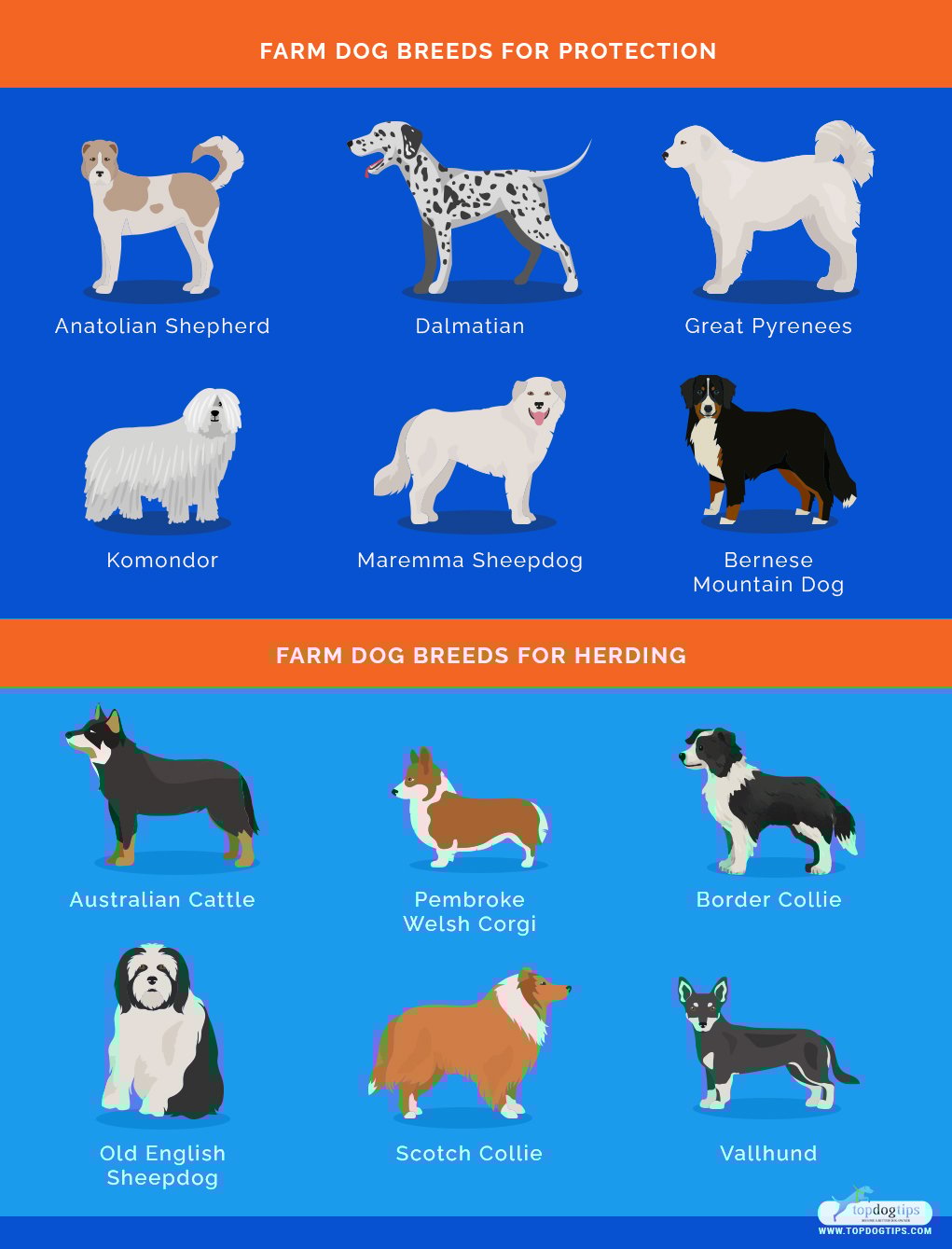
Farm dogs are more than pets. They help with daily chores and protect animals. Choosing the right breed matters. Some dogs work better on farms due to their skills and nature. Below are some top breeds known for their farm abilities.
Border Collie
Border Collies are smart and fast learners. They excel in herding sheep and cattle. Their energy levels stay high all day. These dogs need tasks to stay happy. They respond well to training and commands.
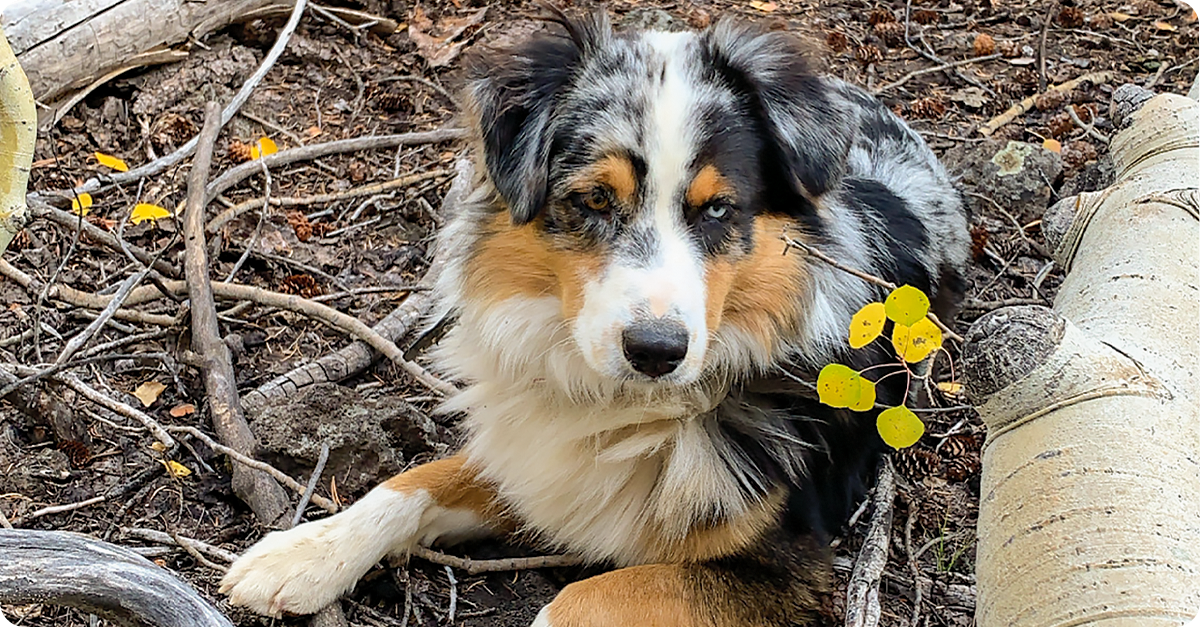
Australian Shepherd
Australian Shepherds are strong and agile. They work well with many animals. Their loyalty to the farm is unmatched. These dogs enjoy running and playing outdoors. They also have great problem-solving skills.
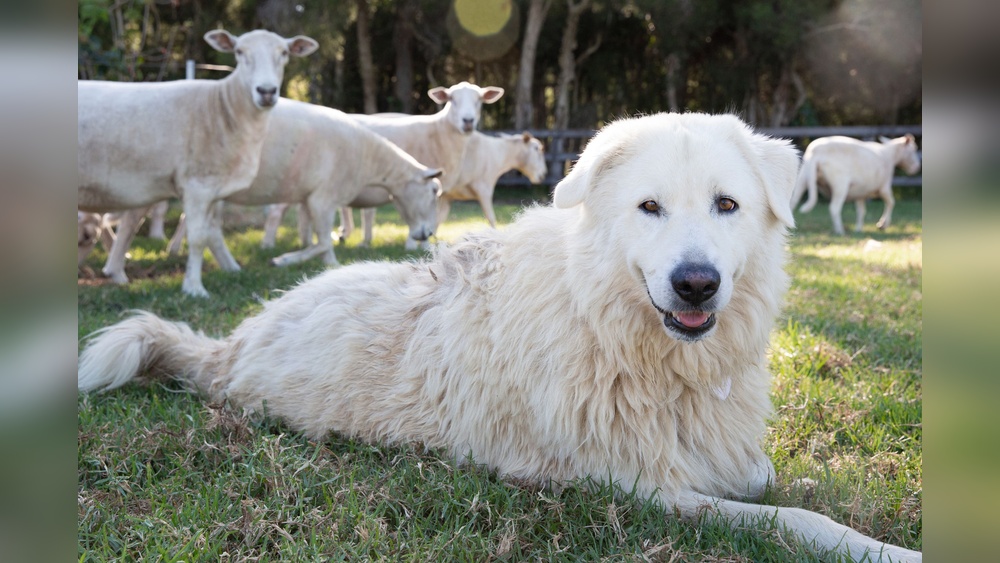
Great Pyrenees
Great Pyrenees are large and calm protectors. They guard livestock from wild animals. Their thick coat suits cold weather. These dogs are gentle but alert. They bond closely with farm animals.
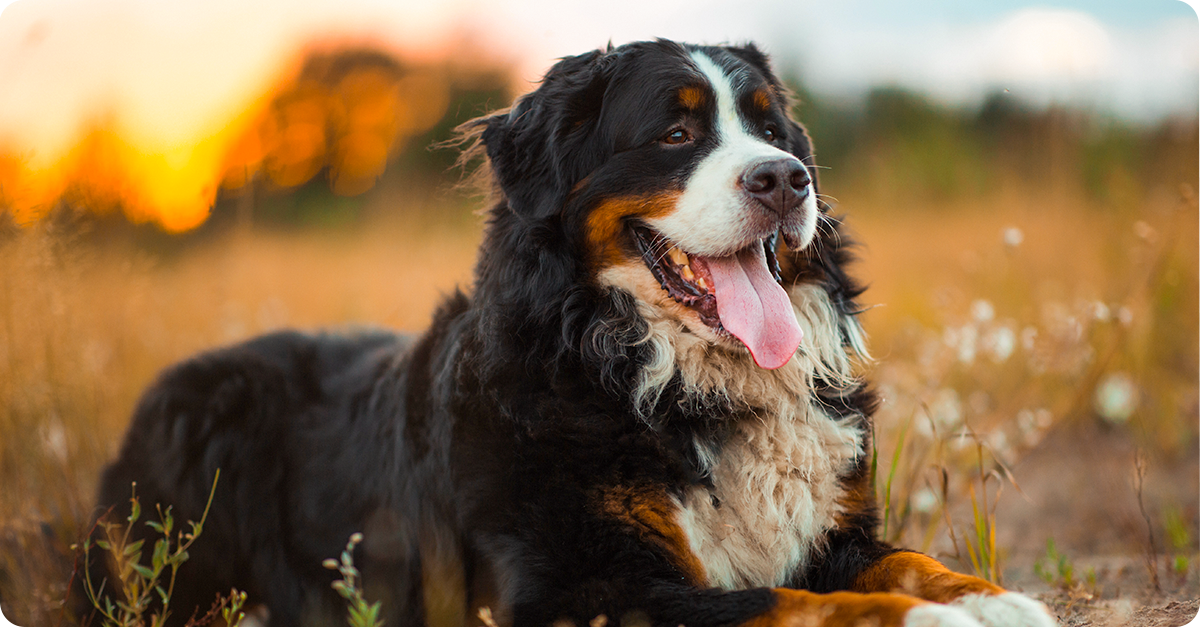
Bernese Mountain Dog
Bernese Mountain Dogs are powerful and steady. They help with heavy farm tasks. Their friendly nature makes them good family dogs. These dogs adapt well to farm life. They enjoy working and being around people.
Anatolian Shepherd
Anatolian Shepherds are tough and independent. They protect flocks from predators at night. Their stamina is excellent for long hours. These dogs are loyal and confident. They need space to roam and guard.
Breed Strengths For Farm Work
Farm dogs must have special skills to help with daily chores. Different breeds bring unique strengths. These strengths make farm work easier and more efficient. Understanding these traits helps in choosing the right dog for your farm.
Herding Abilities
Herding dogs control and move animals like sheep and cattle. They use their natural instincts to gather and guide livestock. These dogs are quick, alert, and able to work long hours. Their skills reduce the farmer’s effort and protect animals from harm.
Guarding And Protection
Farm dogs often guard property and livestock from intruders. They alert farmers to danger with loud barks. Many breeds are naturally protective and brave. This strength keeps predators and strangers away from the farm.
Companionship And Family Fit
Farm dogs also offer great companionship. They enjoy spending time with people and children. Friendly breeds balance work with play and relaxation. A good farm dog fits well into family life and farm duties.
Training Tips For Farm Dogs
Training farm dogs requires patience and clear methods. These dogs need to follow rules and work well with people and animals. Good training helps dogs stay safe and do their jobs better. Start training early and keep it simple. Use clear signals and rewards to guide your dog.
Early Socialization
Introduce your dog to different animals and people early. This helps reduce fear and aggression. Let your dog meet farm animals calmly and often. Early socialization builds confidence and good behavior. It prepares dogs for daily farm life and its challenges.
Consistent Commands
Use the same words for commands every time. Dogs learn faster with clear, simple instructions. Avoid changing commands or using many words. Consistency helps dogs understand what you want. Teach basic commands like “sit,” “stay,” and “come.” These keep your dog safe and focused.
Exercise And Mental Stimulation
Farm dogs need plenty of physical activity to stay healthy. Walk, run, and play with your dog daily. Mental exercises, like puzzle toys or training drills, keep their mind sharp. A tired dog is a well-behaved dog. Regular exercise reduces bad behavior and improves focus.
Caring For Farm Dogs
Farm dogs play an important role on the farm. They work hard every day and need proper care. Caring for farm dogs means meeting their basic needs. This keeps them healthy and happy. Good care helps dogs do their best work and live longer.
Nutrition Needs
Farm dogs need a balanced diet to stay strong. High-quality dog food with protein is essential. Protein helps build muscles and gives energy. Fresh water should always be available. Avoid feeding dogs spoiled or harmful food. Treats can be given but in small amounts only. Regular feeding times help maintain good health.
Health And Vet Care
Regular vet visits keep farm dogs healthy. Vaccinations protect them from common diseases. Deworming is important to prevent parasites. Check dogs often for ticks and fleas. Healthy dogs work better and live longer. Watch for signs of illness like coughing or limping. Early care can prevent serious problems.
Shelter And Living Conditions
Farm dogs need a safe, clean shelter. The shelter should protect from rain, wind, and cold. Use dry bedding to keep them warm. The area must be free from harmful objects. Dogs should have space to move and rest. Good shelter helps prevent sickness and stress. Clean the shelter regularly to keep it fresh.
Credit: grow.ifa.coop
Matching Dogs To Farm Types
Choosing the right dog for your farm depends on the farm’s size and type. Different farms need different skills from their dogs. Matching the dog to the farm’s work makes life easier. It also keeps the dog happy and healthy. Below are types of farms and the best dogs for each.
Small Farms And Homesteads
Small farms need dogs that can handle many jobs. These dogs should be smart and easy to train. They help with guarding the property and herding small animals. Breeds like Border Collies and Australian Shepherds work well. They are active and good with children. Small farms benefit from dogs that are friendly and protective.
Large Livestock Operations
Large farms with many animals need strong, hardworking dogs. These dogs move large herds and keep animals safe. Breeds such as Great Pyrenees and Anatolian Shepherds fit this role. They guard livestock from predators all day long. These dogs are calm but very alert. Their size and strength make them excellent protectors.
Mixed Crop And Animal Farms
Farms with both crops and animals need versatile dogs. These dogs work with animals and protect crops from pests. Breeds like Belgian Malinois and German Shepherds are smart and fast. They can herd sheep and guard the farm. These dogs adapt well to varied tasks. They keep the farm running smoothly.
Credit: opencontabilidade.com
Frequently Asked Questions
What Are The Best Dog Breeds For Farm Work?
The best farm dogs include Border Collies, Australian Shepherds, and Great Pyrenees. They herd, guard, and manage livestock effectively. These breeds are intelligent, loyal, and adaptable, making them ideal for farm tasks.
How Do Farm Dogs Help With Livestock Management?
Farm dogs herd animals, protect livestock from predators, and assist with daily chores. Their natural instincts and training improve farm efficiency and safety. They reduce stress on animals and farmers alike.
Which Dog Breed Is Best For Guarding A Farm?
Great Pyrenees and Anatolian Shepherds are top guarding breeds. They are protective, alert, and calm around livestock. Their size and instincts deter predators and intruders, securing the farm environment.
Are Small Dogs Suitable For Farm Life?
Small dogs can be good companions but are less effective for herding or guarding. They may struggle with large animals and farm tasks. Larger breeds are generally preferred for farm work.
Conclusion
Choosing the right dog can help your farm run smoothly. These dogs work hard and protect your animals. They are loyal, smart, and ready to help you. Think about your farm’s needs before picking a breed. Each dog has its own special skills.
A good farm dog becomes a trusted friend. Spend time training and caring for your dog. Enjoy the company of a hardworking farm dog every day.


