Imagine the perfect day at the beach with your furry friend by your side. The sun is shining, the waves are calling, and your dog is having the time of their life.
But not every dog loves the beach or handles sand and water well. You want a companion who can enjoy the surf, run freely on the shore, and stay safe in the sun. Choosing the best dog for the beach means finding a breed that matches your lifestyle and makes every beach trip unforgettable.
Keep reading to discover which dogs are happiest by the water and how to make your seaside adventures the best they can be.

Credit: www.sheknows.com
Traits For Beach Dogs
Choosing the best dog for the beach means knowing the traits that help them enjoy the sand and water. Some dogs love swimming, while others enjoy running along the shore. The right dog can handle sun, heat, and saltwater with ease. Understanding these traits helps you find a dog that thrives at the beach.
Water-loving Breeds
Dogs that love water enjoy swimming and playing in the waves. Breeds like Retrievers and Spaniels have natural instincts to swim. They feel happy and confident in water. These dogs often have webbed feet to help them swim faster. Their love for water makes beach trips fun and exciting.
Energy And Playfulness
Beach dogs need lots of energy to run and play. Playful dogs enjoy chasing balls and digging in the sand. High-energy breeds can spend hours on the beach without getting tired. They stay active and enjoy games with their owners. Energy keeps them happy and healthy during beach visits.
Coat Types Suitable For Sand
Coat type affects how a dog handles sand and salt. Short or water-resistant coats are easier to clean. Thick, long fur can trap sand and cause discomfort. Dogs with smooth coats dry faster after swimming. A suitable coat helps dogs stay comfortable on the beach.
Adaptability To Heat And Sun
Beach dogs must handle heat and direct sunlight. Breeds with short noses breathe better in warm weather. Dogs with lighter coats reflect sunlight and stay cooler. Staying hydrated is important for all dogs. Adaptable dogs can enjoy the beach without overheating or stress.
Top Breeds For Beach Fun
Choosing the right dog breed can make beach days more fun and safe. Some breeds love water and sand. They enjoy running, swimming, and playing fetch. These dogs handle heat well and have friendly, energetic personalities. Here are top breeds perfect for beach fun.
Labrador Retriever
Labradors are strong swimmers and love water. Their thick, water-resistant coat helps them stay warm. They have a gentle nature and get along with people. Labs enjoy playing fetch on the sand. They are smart and easy to train for beach games.
Golden Retriever
Golden Retrievers are friendly and love water activities. Their dense coat protects them from cold water. They swim well and enjoy chasing balls. These dogs are patient with kids and other pets. Goldens are great companions for long beach walks.
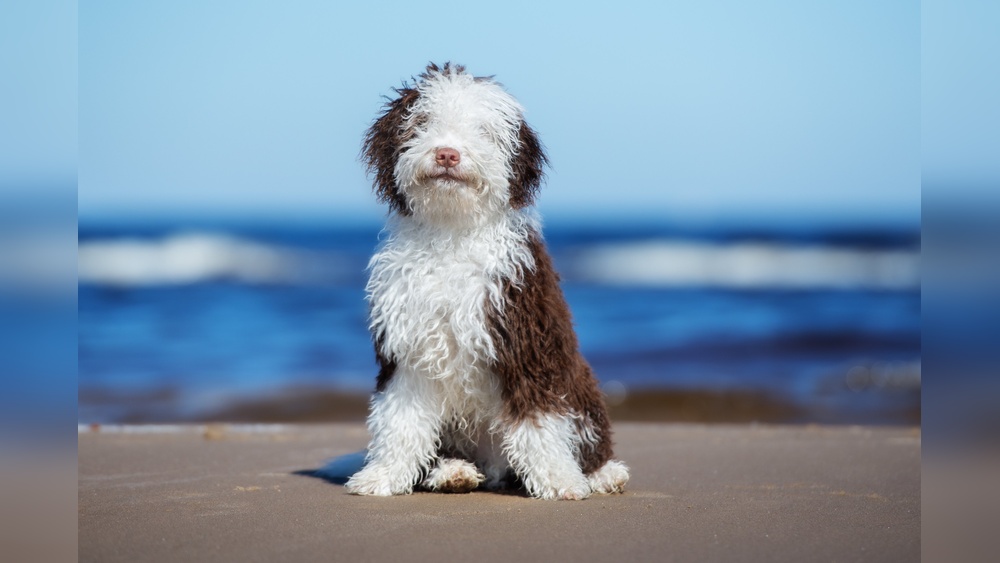
Portuguese Water Dog
Portuguese Water Dogs are natural swimmers. Their curly coat resists water and keeps them warm. They love to dive and retrieve toys. These dogs are energetic and playful. They enjoy exploring shorelines and playing in waves.
Australian Shepherd
Australian Shepherds are active and intelligent dogs. They enjoy running on the beach and playing frisbee. Though not natural swimmers, they can learn with training. Their thick coat offers some protection from sun and sand. Aussies love to stay busy outdoors.
Jack Russell Terrier
Jack Russell Terriers are small but full of energy. They love digging in sand and chasing small animals. These dogs are brave and curious explorers. Their short coat is easy to clean after beach trips. Jack Russells bring fun and excitement to the beach.
Training Tips For Beach Safety
Taking your dog to the beach can be fun and relaxing. Training your dog for beach safety helps keep them happy and protected. Teaching important skills before your trip can prevent accidents and stress.
Practice commands and safety tips on dry land first. This builds good habits and confidence. Use positive rewards to encourage your dog’s good behavior.
Recall And Commands
Strong recall is key at the beach. Your dog must come back when called, even with distractions. Practice “come,” “stay,” and “leave it” regularly. Use a long leash during early training sessions. Reward your dog with treats or praise for obeying. This control prevents your dog from running off or into danger.
Avoiding Heatstroke
Heat can harm dogs quickly. Watch for heavy panting or drooling. Bring fresh water and offer it often. Take breaks in the shade to cool down. Avoid the hottest hours of the day. Dogs with thick fur or short noses need extra care. Never leave your dog in a hot car or direct sun alone.
Safe Swimming Practices
Not all dogs swim well. Introduce water slowly and stay close. Use a dog life jacket if needed. Teach your dog to exit the water safely. Avoid strong currents and big waves. Rinse off salt water after swimming to protect skin. Never force your dog to swim if scared.
Dealing With Wildlife
Be aware of local beach wildlife. Seagulls, crabs, and jellyfish can cause trouble. Teach your dog to ignore wildlife with commands. Keep your dog on a leash in protected areas. Avoid letting your dog chase birds or other animals. This keeps your dog safe and protects nature.

Credit: spotonfence.com
Essential Beach Gear For Dogs
Taking your dog to the beach is fun and exciting. Dogs love running on sand and playing in the water. To keep them safe and happy, bring the right gear. Beach trips need more than just toys and treats. Proper equipment helps protect your dog from heat, water, and rough surfaces.
Choosing the right gear prepares your dog for a great day outdoors. It also gives you peace of mind. Here are some essential items for your beach adventure with your dog.
Dog Life Jackets
Life jackets keep dogs safe in deep or rough water. They help dogs float and make swimming easier. Choose a jacket with bright colors for visibility. Make sure it fits well and is comfortable. Life jackets are a must for dogs who are weak swimmers or new to water.
Portable Water Bowls
Fresh water is important to keep dogs hydrated. Portable bowls are easy to carry and use. Look for lightweight, foldable, or collapsible bowls. Offer water often, especially on hot days. Avoid letting dogs drink salty seawater, which can cause sickness.
Paw Protection
Hot sand and sharp shells can hurt dog paws. Use dog boots or paw wax to protect them. Boots shield paws from heat and cuts. Paw wax creates a barrier on pads to prevent burns. Check paws after play to remove any debris or injuries.
Shade And Cooling Accessories
Dogs can get sunburned and overheated fast. Bring a beach umbrella or tent for shade. Cooling mats and vests help lower body temperature. Offer breaks in the shade often. Keep your dog cool to avoid heatstroke and discomfort.
Health Care After Beach Visits
After a fun day at the beach, dogs need special care to stay healthy. The sun, salt, and sand can affect their skin, paws, and overall health. Taking time to care for your dog after beach visits helps prevent problems. It keeps them happy and ready for the next trip.
Simple steps make a big difference. Cleaning off salt and sand, checking for parasites, giving water, and caring for skin and paws all matter. These actions protect your dog from discomfort and illness.
Rinsing Off Salt And Sand
Salt and sand can irritate your dog’s skin. Rinse your dog with fresh water soon after the beach. Use a gentle shower or hose to wash off salt and sand. Pay attention to the paws, belly, and under the tail. This helps stop itching and dryness.
Checking For Parasites
Beaches may have tiny parasites like ticks or fleas. Carefully check your dog’s fur and skin after each visit. Look behind ears, under legs, and around the neck. Remove any parasites quickly to avoid infections. Use a comb to help find them.
Hydration And Rest
Playing at the beach uses lots of energy. Offer fresh, clean water to keep your dog hydrated. Rest is important after active beach time. A quiet, cool spot helps your dog recover and feel good.
Skin And Paw Care
Saltwater and sand can dry out skin and paws. After rinsing, dry your dog well with a towel. Check paws for cuts or cracks. Apply a pet-safe balm to protect and heal the skin. Keep your dog’s skin soft and healthy.
Credit: www.outsideonline.com
Frequently Asked Questions
Which Dog Breeds Love The Beach Most?
Breeds like Labrador Retrievers, Golden Retrievers, and Portuguese Water Dogs enjoy the beach. They love water and sand play. These dogs are energetic and friendly, making them perfect beach companions.
Are All Dogs Safe To Bring To The Beach?
Not all dogs are suited for the beach. Some have thick coats or health issues. Always consider your dog’s breed, health, and temperament before beach visits. Supervise your dog to ensure safety around water and crowds.
How To Keep My Dog Safe At The Beach?
Bring fresh water and shade to prevent overheating. Use dog-friendly sunscreen on sensitive areas. Watch for strong currents and sharp shells. Clean your dog’s paws after play to avoid irritation or infection.
What Beach Activities Are Best For Dogs?
Dogs enjoy swimming, fetch, and running on the sand. Agility games and socializing with other dogs are also great. Choose activities that match your dog’s energy level and comfort with water.
Conclusion
Choosing the right dog makes beach trips fun and safe. Some breeds love water and sand more than others. These dogs enjoy swimming, running, and playing in the sun. Your dog will thank you for the exercise and fresh air.
Always keep water and shade nearby for your pet. Beach days create happy memories for both of you. Remember to check local rules about dogs on beaches. Enjoy every moment with your furry friend by the sea.