Finding the perfect dog to share your life with can feel overwhelming, especially if you have mobility challenges. But what if the right furry friend could bring you comfort, companionship, and even motivate you to move more – all without adding extra strain?
You deserve a dog that fits your lifestyle, energy level, and needs. You’ll discover the best dogs for seniors with mobility issues—breeds known for their gentle nature, manageable size, and easy care. Keep reading to find the loyal companion who will brighten your days and make life easier.
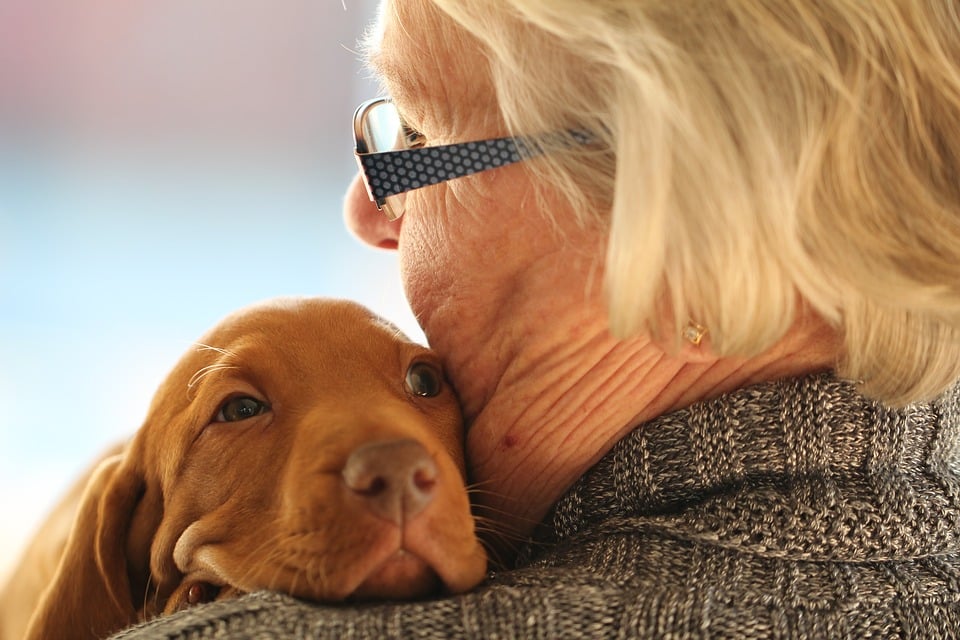
Credit: www.ezrahomecare.com
Benefits Of Dogs For Seniors
Dogs bring many benefits to seniors, especially those with mobility challenges. They offer more than just friendship. Their presence can improve physical, mental, and emotional well-being. Understanding these benefits helps seniors make a wise choice in choosing a pet.
Companionship And Emotional Support
Dogs provide constant companionship, reducing feelings of loneliness. Their loyalty and affection create a strong emotional bond. This bond helps ease sadness and promotes happiness. For seniors with limited social interaction, dogs become trusted friends.
Encouraging Gentle Activity
Even small movements with dogs can boost mobility. Walking a dog encourages light exercise and fresh air. Playing or simple grooming activities keep seniors engaged. These gentle activities help maintain flexibility and strength.
Reducing Stress And Anxiety
Pets have a calming effect on the mind and body. Petting a dog lowers blood pressure and heart rate. Their presence can ease nervousness and fear. This natural stress relief helps improve overall health and mood.
:strip_icc()/best-dog-breeds-for-seniors-4138298-hero-a02732418cd343eb89164c4230e0b574.jpg)
Credit: www.thesprucepets.com
Factors To Consider For Seniors With Mobility Issues
Choosing the right dog for seniors with mobility issues needs careful thought. Dogs can bring joy and companionship. But the right match depends on several important factors. These factors help ensure the dog fits well into the senior’s lifestyle and physical ability.
Understanding these elements can make life easier for both the senior and the dog. It also helps prevent stress or injury for seniors who have limited movement. Below are key aspects to consider when picking a dog for seniors with mobility challenges.
Size And Weight Of The Dog
Smaller dogs are easier to handle and carry. Large dogs can be hard to manage. They might pull on leashes or need more space. A dog that is too heavy can cause falls or strain. Choosing a dog with a manageable size helps keep seniors safe.
Exercise Needs
Some dogs need lots of exercise every day. Active breeds may be hard to keep up with. Low-energy dogs fit better with limited mobility. Short walks or indoor play can keep them happy. Matching exercise needs to ability keeps both safe and healthy.
Grooming And Maintenance
Dogs need regular grooming to stay clean and healthy. Long-haired dogs often require more care. Brushing and bathing can take time and effort. Short-haired dogs need less grooming. Choosing easy-care breeds reduces work for seniors.
Temperament And Energy Levels
Calm and gentle dogs are best for seniors. High-energy dogs might be too much to handle. A friendly, patient dog provides comfort and companionship. Temperament matters for a peaceful home environment. Look for dogs that match the senior’s personality.
Top Easy-care Dog Breeds For Seniors
Choosing a dog that is easy to care for makes life better for seniors with mobility challenges. These dogs need less exercise and grooming. They stay calm and love quiet time. They fit well in smaller homes or apartments. Their size and temperament make daily care simple and joyful.
Each breed on this list has unique traits that suit seniors. They offer companionship without too much work. Let’s explore some of the best easy-care dog breeds for seniors.
Cavalier King Charles Spaniel
The Cavalier is gentle and loving. It enjoys short walks and lots of cuddles. Its small size makes it easy to handle. The coat needs regular brushing but is not hard to maintain. This breed is patient and friendly with people of all ages.
French Bulldog
French Bulldogs are quiet and playful. They require minimal exercise and love resting indoors. Their short coat is easy to clean. These dogs are sturdy and adapt well to small spaces. They enjoy company and offer great companionship to seniors.
Shih Tzu
Shih Tzus are calm and sweet. They enjoy gentle play and short walks. Their long hair needs regular brushing but no heavy exercise is needed. These dogs love being close to their owners. They fit well with seniors who want a loyal friend.
Pug
Pugs are cheerful and social dogs. They like short walks and indoor play. Their short coat is easy to care for. Pugs are known for their loving and patient nature. They provide comfort and joy without high energy needs.
Maltese
The Maltese is small and affectionate. It enjoys quiet time and gentle walks. Its silky coat needs regular grooming but is manageable. This breed is lively yet calm. Maltese dogs are perfect for seniors who want a loving companion.
Chihuahua
Chihuahuas are tiny and alert dogs. They need little space and light exercise. Their coat is easy to maintain. These dogs form strong bonds with their owners. They are ideal for seniors who want a small, loving pet.
Boston Terrier
Boston Terriers are friendly and adaptable. They enjoy short walks and playtime. Their coat is short and simple to clean. These dogs are intelligent and easy to train. They make loyal companions for seniors with limited mobility.
Adapting Your Home For A Senior Dog Owner
Adapting your home for a senior dog owner requires thoughtful changes. Safety and comfort matter most. Simple adjustments can make daily life easier for both owner and dog. This section explores key ways to create a supportive environment.
Creating Safe Spaces
Clear pathways to avoid tripping hazards. Remove loose rugs and clutter. Use non-slip mats on slippery floors. Add baby gates to block stairs or dangerous areas. Soft lighting helps prevent falls at night. These steps protect both senior owners and dogs.
Accessible Feeding And Rest Areas
Place food and water bowls at a comfortable height. Use raised feeders to reduce bending. Choose a cozy dog bed with support and easy access. Keep resting spots close to the owner’s main living areas. This setup reduces strain and encourages regular feeding and rest.
Managing Outdoor Needs
Ensure easy access to the yard with ramps or low steps. Use a leash with a comfortable grip for better control. Schedule short, frequent walks to suit the owner’s stamina. Install outdoor lighting for safe nighttime bathroom trips. These changes help maintain outdoor routines safely.
Tips For Caring For Dogs With Limited Mobility
Caring for dogs with limited mobility needs extra attention and love. These dogs face challenges moving around and need special care. Proper care helps them stay happy and healthy despite their mobility issues.
Understanding how to meet their needs ensures a better life. Small changes in routine and environment make a big difference. Follow these tips to support your dog’s comfort and well-being.
Regular Vet Checkups
Regular visits to the vet catch health problems early. Mobility issues can cause pain or other concerns. The vet checks joints, muscles, and overall health. Early treatment prevents worsening conditions. Keep up with vaccinations and dental care too.
Gentle Exercise Routines
Exercise keeps muscles strong and joints flexible. Choose low-impact activities like short walks or swimming. Avoid strenuous exercises that cause pain or stress. Consistent gentle movement helps maintain mobility. Monitor your dog’s comfort and stop if they limp or tire.
Using Mobility Aids
Mobility aids improve your dog’s quality of life. Harnesses, wheelchairs, or ramps help with moving around. These tools reduce strain on weak limbs. Find the right aid with the vet’s advice. Adjust it for comfort and safety. Use aids to support, not replace, natural movement.
Maintaining Mental Stimulation
Mental activity keeps your dog happy and sharp. Use puzzle toys, scent games, or training sessions. Change toys to prevent boredom. Mental exercises reduce stress and improve mood. Combine mental and physical care for overall well-being.

Credit: baileyscbd.com
Alternatives To Dog Ownership For Seniors
Not all seniors can care for a dog due to mobility or health issues. Many find joy in other ways to connect with dogs. These alternatives offer companionship without full-time care. They suit different lifestyles and abilities.
Pet Sitting And Dog Walking Services
Pet sitting lets seniors spend time with dogs without full responsibility. A pet sitter visits and cares for the dog at home. Dog walking services provide regular exercise for dogs. Seniors can enjoy walks without the physical strain of long walks. Both options keep seniors connected to pets safely.
Adopting Older Dogs
Older dogs need homes too. They are usually calmer and need less exercise. This matches well with seniors who have limited mobility. Older dogs often have lower energy but still offer love. Adopting an older dog can be a good fit for a quiet lifestyle.
Therapy And Support Animals
Therapy dogs provide comfort and reduce stress. They visit hospitals, nursing homes, and other places. Support animals help with emotional or physical challenges. They are trained to assist with specific needs. Both types of animals bring companionship with less daily care than pets.
Frequently Asked Questions
What Dog Breeds Are Best For Seniors With Mobility Issues?
Small, low-energy breeds like French Bulldogs, Cavalier King Charles Spaniels, and Shih Tzus are ideal. They require minimal exercise and are easy to manage for seniors with mobility challenges.
How Do Dogs Help Seniors With Limited Mobility?
Dogs provide companionship, reduce loneliness, and encourage light physical activity. They improve mental health and create a daily routine, enhancing seniors’ overall well-being despite mobility limitations.
Are Service Dogs Suitable For Seniors With Mobility Problems?
Yes, service dogs can assist with tasks like retrieving items and providing balance support. They improve independence and safety for seniors facing mobility challenges at home.
What Care Considerations Exist For Senior Dogs With Mobility Issues?
Ensure easy access to food and water, use orthopedic beds, and provide gentle exercise. Regular vet checkups and pain management improve comfort for senior dogs with mobility problems.
Conclusion
Choosing the right dog helps seniors stay happy and active. Small or calm dogs suit those with mobility challenges best. They offer companionship without needing too much exercise. Dogs bring joy, comfort, and a sense of purpose daily. A well-chosen pet can improve health and mood.
Think about energy levels and care needs before deciding. The perfect dog is one that fits your lifestyle. Enjoy the bond and the gentle support your dog gives. Life feels brighter with a loyal friend by your side.