If you love hitting the road or trail for a run, having the right dog by your side can make all the difference. But not every dog is built to keep pace or enjoy the same kind of exercise you do.
Finding the best dogs for running with you means choosing a companion who matches your energy, stamina, and enthusiasm. Imagine the boost of motivation and joy you’ll feel with a furry friend who loves to run just as much as you do.
Keep reading to discover which breeds are perfect running partners and how to make your runs safer and more fun for both of you.
Credit: therunexperience.com
Benefits Of Running With Dogs
Running with dogs offers many great benefits for both you and your furry friend. It is not just exercise but a fun way to stay healthy. Dogs make running less boring and more enjoyable. They keep you motivated and active.
These benefits go beyond just physical health. Running with dogs also helps your mind and your relationship with your pet. It creates a positive experience that you both can share often.
Physical Health Boosts
Running with dogs helps you stay fit and strong. Dogs need exercise too, so they push you to run regularly. This activity improves heart health and builds endurance. It also helps control weight and lowers stress levels. Your dog’s energy encourages you to move more every day.
Mental Wellness Gains
Running with your dog eases stress and lifts your mood. The fresh air and exercise release happy chemicals in your brain. Dogs give comfort and reduce feelings of loneliness. Their presence makes running feel less like a chore. This improves your mental health steadily over time.
Strengthening Bond
Sharing runs with your dog builds a strong bond. Spending time together deepens trust and friendship. Your dog learns to follow your pace and commands better. Running together creates happy memories and strengthens your teamwork. It makes your relationship healthier and more joyful.
Key Traits Of Running Dogs
Choosing the right dog for running is more than picking a breed. Certain traits make some dogs better running partners. These traits help dogs keep up and enjoy the activity. They also make runs safer and more fun for both you and your dog.
Endurance And Stamina
Running dogs need strong endurance. They should run for long periods without getting tired. Good stamina means your dog can keep pace. This reduces the risk of injury or stress. Breeds with high energy often have better endurance. They enjoy running and recover quickly after exercise.
Temperament And Trainability
A calm and focused temperament helps running dogs stay safe. Dogs must listen well to commands on the trail. Trainable dogs learn pacing and stop signals fast. They avoid distractions like other animals or noises. A friendly and obedient dog makes running smoother and safer.
Size And Pace Compatibility
Match your dog’s size with your running speed. Small dogs may tire quickly on fast runs. Large dogs can keep up with longer and faster sessions. Pace compatibility avoids stress on your dog’s joints. It helps maintain a steady and comfortable run for both.
Top Energetic Breeds For Running
Running with a dog can make your exercise more fun and motivating. Some dog breeds are born to run. They have high energy and love to move. These dogs keep up with your pace and enjoy long runs.
Choosing the right breed matters. Active dogs need plenty of exercise to stay happy. They also help you stay fit and healthy. Here are some top energetic breeds for running.
Border Collie
Border Collies are smart and very active dogs. They have great stamina and love to run. Their agility helps them keep up during long runs. They enjoy mental and physical challenges.
Vizsla
Vizslas are strong and fast runners. They have a lean body built for speed. These dogs form strong bonds with their owners. They are loyal and love to stay close.
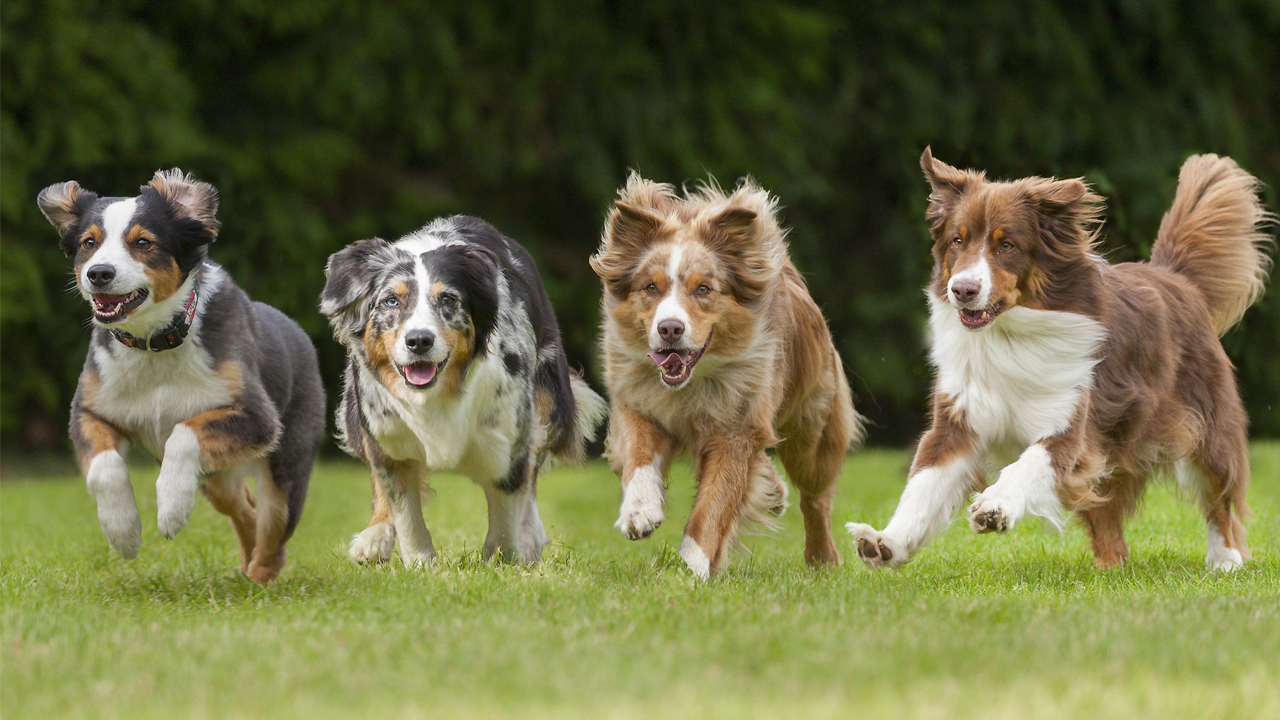
Australian Shepherd
Australian Shepherds are energetic and alert. They thrive on activity and need daily exercise. Their endurance makes them perfect running partners. They enjoy exploring new places.
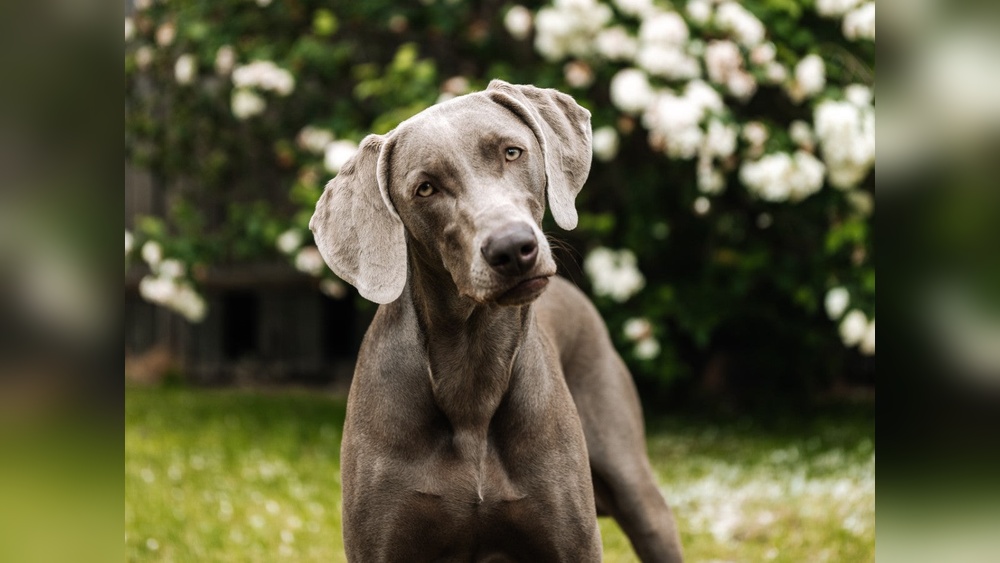
Weimaraner
Weimaraners are powerful and love to run. They have a sleek coat and long legs. These dogs need regular exercise to stay calm. They are friendly and enjoy company.
Siberian Husky
Siberian Huskies have a natural ability for running. They are bred for pulling sleds over long distances. Their thick fur keeps them cool and warm. They need plenty of space to run freely.
Dalmatian
Dalmatians are known for their speed and stamina. They enjoy running and playing outdoors. These dogs have a strong build and great endurance. They are cheerful and very active.
Jack Russell Terrier
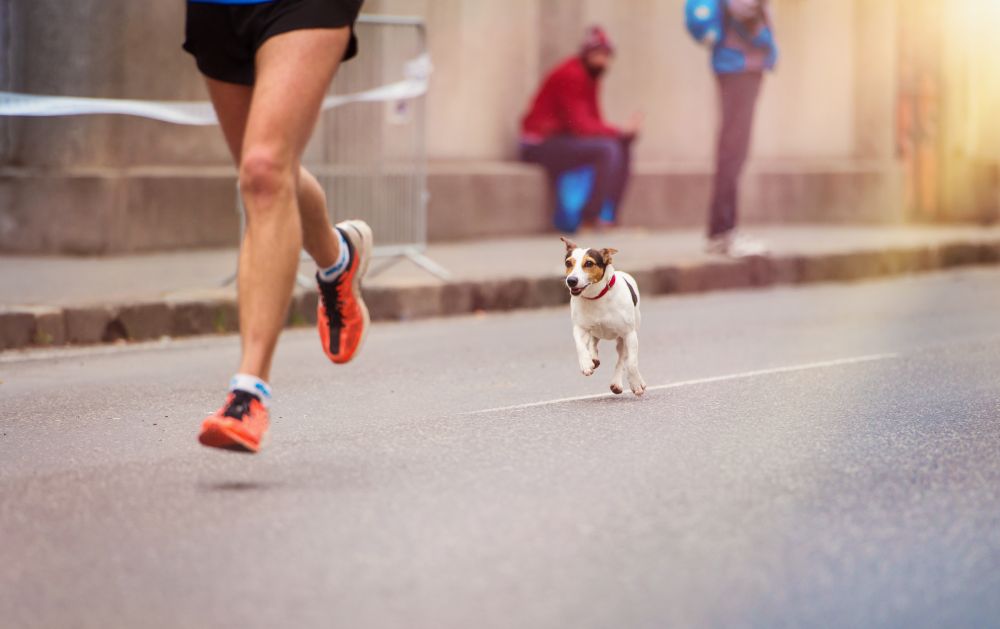
Jack Russell Terriers are small but very energetic. They have quick reflexes and love to sprint. Their size makes them good for shorter runs. They bring enthusiasm and fun to every run.
Training Tips For Running Dogs
Training your dog for running needs care and patience. Proper training keeps your dog safe and healthy. It also helps your dog enjoy running alongside you. Start slow and build up the distance and speed carefully.
Building Endurance Gradually
Begin with short runs at a slow pace. Let your dog walk or trot between running intervals. Increase running time by a few minutes each week. Watch your dog’s energy and breathing closely. Stop if your dog shows signs of tiredness or discomfort.
Proper Warm-up And Cool-down
Warm up your dog before running with a gentle walk. This prepares muscles and joints for exercise. After running, slow down to a walk for five to ten minutes. Cooling down helps prevent stiffness and soreness. Stretch your dog’s legs gently if they allow it.
Hydration And Nutrition
Keep fresh water available before, during, and after runs. Dogs can get dehydrated quickly while running. Offer small amounts of water often on hot days. Feed your dog a balanced diet to support energy needs. Avoid running right after a big meal to prevent discomfort.
Gear And Safety For Running Together
Running with your dog is fun and healthy. Safety and the right gear keep both of you comfortable. Proper equipment helps avoid injuries and makes runs more enjoyable.
Leashes And Harnesses
Choose a leash that gives control but allows some freedom. Hands-free leashes are great for running. A harness fits better than a collar. It stops neck strain and gives better control. Look for padded and adjustable harnesses for comfort.
Reflective Gear For Visibility
Running early morning or late evening needs visibility. Reflective vests or bands help drivers and others see you. Attach LED lights to your dog’s collar for extra safety. Bright colors also make your dog stand out in low light.
Paw Care And Protection
Rough surfaces can hurt your dog’s paws. Check paws after every run for cuts or cracks. Use dog booties for protection on hot or rough ground. Apply paw wax to keep pads soft and protected. Clean paws well to avoid infections.
Credit: iruntheglobe.com
Adjusting Runs For Different Dogs
Running with your dog is fun and healthy for both of you. Different dogs have different needs for running. You must adjust your runs to fit your dog’s age, health, and breed. This keeps your dog happy and safe during exercise.
Age Considerations
Puppies have growing bones and muscles. Long runs can hurt them. Short, slow walks suit them better. Older dogs may tire quickly. They need shorter, gentler runs. Watch for signs of tiredness or pain. Adjust speed and distance to their comfort.
Health Limitations
Some dogs have health problems like arthritis or breathing issues. These dogs need gentle exercise. Avoid hot weather that can stress them. Use soft surfaces to protect their joints. Regular vet checks help track their fitness. Always stop running if your dog shows pain.
Breed-specific Needs
Different breeds have different running styles. Huskies and Border Collies love long, fast runs. Bulldogs and Pugs may struggle with long distances. Small breeds might need shorter runs. Know your dog’s breed traits. Match your running routine to their natural abilities.
Credit: runningmagazine.ca
Frequently Asked Questions
Which Dog Breeds Are Best For Running Partners?
Breeds like Labrador Retrievers, Border Collies, and Vizslas excel as running partners. They have high energy, endurance, and love exercise, making them ideal for long runs and active lifestyles.
How Do I Choose A Dog For Running?
Pick a breed with high stamina, good health, and a friendly temperament. Consider size, age, and exercise needs to ensure your dog can keep up safely and enjoy running with you.
Can All Dogs Run Long Distances?
Not all dogs handle long runs well. Smaller breeds or those with respiratory issues may struggle. Always assess your dog’s health and build up running distance gradually to avoid injury.
What Precautions Should I Take When Running With My Dog?
Start with short runs and increase distance slowly. Keep your dog hydrated, avoid extreme heat, and use a leash for safety. Regular vet check-ups ensure your dog stays fit for running.
Conclusion
Running with a dog brings joy and health benefits. Choose a breed that matches your pace and energy. Some dogs love long runs, while others prefer short sprints. Remember to train your dog gradually to avoid injuries. Always bring water for both you and your pet.
Enjoy the bond that grows stronger with every run. Running together creates happy memories and a healthier lifestyle. Find the best dog for your running style and start your journey today.