
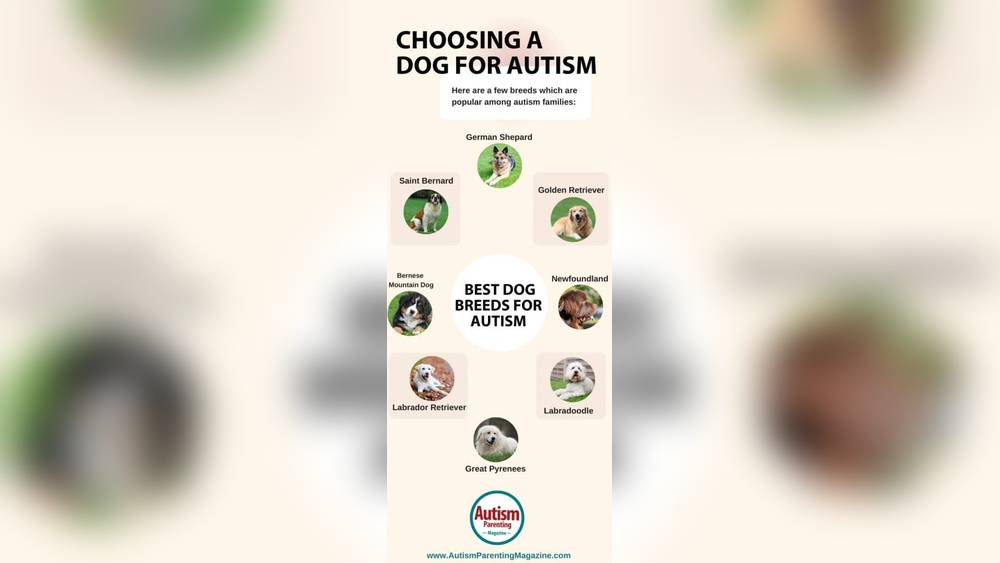
If you have an autistic child, you know how important it is to find ways to bring comfort, joy, and support into their life. One of the best companions that can make a real difference is a dog specially suited to meet your child’s unique needs.
Imagine a furry friend who can help ease anxiety, encourage communication, and offer unconditional love every day. Choosing the right dog can feel overwhelming, but don’t worry—you’re about to discover which breeds are known to be the best dogs for autistic kids.
Keep reading to find the perfect match for your family and create moments full of happiness and connection.

Credit: www.countryliving.com
Benefits Of Dogs For Autistic Kids
Dogs offer many benefits for children with autism. They provide comfort and companionship that help reduce stress. These pets create a calm and safe environment for kids. Their presence can improve mood and boost happiness. Dogs also encourage social interaction and learning new skills. Having a dog helps kids build routines and feel more secure. They become loyal friends and positive influences in daily life.
Emotional Support And Comfort
Dogs are excellent at providing emotional support. They sense when a child feels upset or anxious. Their gentle touch and presence help calm the child quickly. A dog’s unconditional love brings comfort during tough times. This support reduces feelings of loneliness and fear. Children often feel safer with a dog nearby.
Enhancing Social Skills
Dogs can improve social skills in autistic kids. They encourage communication through play and care activities. Kids learn to express feelings and understand others better. Walking or playing with a dog invites interaction with people. This helps children practice social behaviors in a natural way. Over time, social confidence and friendships can grow.
Promoting Routine And Responsibility
Dogs require daily care and attention. This helps children develop a sense of responsibility. Feeding, grooming, and walking a dog create predictable routines. These tasks teach time management and focus. Routines provide structure that many autistic kids need. Caring for a dog builds independence and self-esteem.

Credit: www.purewow.com
Traits To Look For In Supportive Breeds
Choosing the right dog breed for autistic children requires careful thought. Certain traits help dogs support and comfort kids better. These traits make daily interactions calm and positive. Understanding these qualities helps parents and caregivers select the best match. Focus on temperament, size, energy, and intelligence to find a supportive companion.
Temperament And Patience
A calm and gentle temperament is vital. Dogs must stay patient during loud noises or sudden movements. They should not get easily stressed or anxious. Friendly and affectionate dogs provide comfort and a sense of safety. A tolerant dog understands the child’s behavior without reacting negatively.
Size And Energy Levels
Smaller or medium-sized dogs fit well in most homes. Large dogs may unintentionally overwhelm or scare young kids. Low to moderate energy levels suit children who need steady companionship. Dogs with balanced energy avoid causing stress or fatigue. Matching dog energy with the child’s activity level creates harmony.
Trainability And Intelligence
Smart dogs learn commands and routines quickly. Easy training helps establish clear rules and safety. Intelligent dogs can adapt to the child’s unique needs. They respond well to consistent guidance and positive reinforcement. A well-trained dog supports daily life and builds trust.
Top Dog Breeds For Autistic Children
Choosing the right dog breed for autistic children can greatly enhance their comfort and joy. Dogs offer companionship, support, and a sense of calm for children with autism. Some breeds are known for their gentle nature and patience. These traits make them ideal for helping autistic kids feel safe and loved.
Here are some of the top dog breeds that fit well with autistic children’s needs. Each breed has special qualities that can help build a strong bond with your child.
Labrador Retriever
Labradors are friendly and patient. They enjoy playing and are very loyal. Their calm nature helps children feel secure. Labs are easy to train and love to be part of family activities.
Golden Retriever
Golden Retrievers are gentle and kind. They have a warm, loving personality. These dogs are very social and enjoy being around people. Their soft nature makes them great companions for kids.
Poodle
Poodles are smart and easy to train. They come in different sizes, which suits many homes. Poodles are gentle and often hypoallergenic, which helps children with allergies. They respond well to commands and enjoy learning tricks.
Cavalier King Charles Spaniel
This breed is small and gentle. Cavaliers love to cuddle and are very patient. They are calm dogs that form close bonds with their families. Their quiet nature helps reduce stress and anxiety in children.
Bernese Mountain Dog
Bernese Mountain Dogs are large but gentle giants. They are calm and very loyal. Their slow and steady nature makes them safe around kids. These dogs enjoy being close and offer a comforting presence.
Training Tips For Support Dogs
Training support dogs for autistic children needs special care and focus. These dogs must learn tasks that help and comfort the child daily. Training builds a strong bond and makes the dog more reliable. Understanding key training tips helps both the dog and family thrive.
Positive Reinforcement Methods
Use treats and praise to reward good behavior. Dogs learn faster when they get rewards. Avoid punishment; it can cause fear and confusion. Keep training sessions short and fun. Celebrate small wins to encourage the dog.
Socialization Techniques
Introduce the dog to different people and places slowly. This helps reduce fear and anxiety. Let the dog meet other animals gently. Use calm voices and gentle touches. Social skills make the dog more confident and safe with the child.
Consistency And Patience
Train the dog regularly with the same commands. Consistency helps the dog understand what is expected. Be patient; learning takes time for both dog and trainer. Repeat exercises often but keep sessions short. Calm and steady training leads to success.
Caring For Your Support Dog
Caring for your support dog is a big responsibility. These dogs help autistic kids feel safe and calm. They need special attention to stay healthy and happy. Taking good care of your support dog strengthens the bond between your child and the dog. It also ensures the dog can do its job well every day.
Health And Nutrition
Your support dog needs a balanced diet to stay strong. Choose high-quality dog food with the right nutrients. Avoid feeding them human food, which can be harmful. Fresh water must always be available. Good nutrition helps the dog stay active and alert.
Exercise Needs
Exercise keeps your support dog healthy and happy. Daily walks help release energy and reduce stress. Playtime also improves the dog’s mood and focus. Tailor activities to the dog’s breed and age. Regular exercise helps the dog support your child better.
Regular Vet Visits
Schedule vet visits at least twice a year. Regular check-ups catch health problems early. Vaccinations keep the dog safe from diseases. Dental care is important to prevent pain and infection. A healthy dog is a happy, reliable support partner.
Credit: autismassistancedog.com
Integrating Dogs Into Family Life
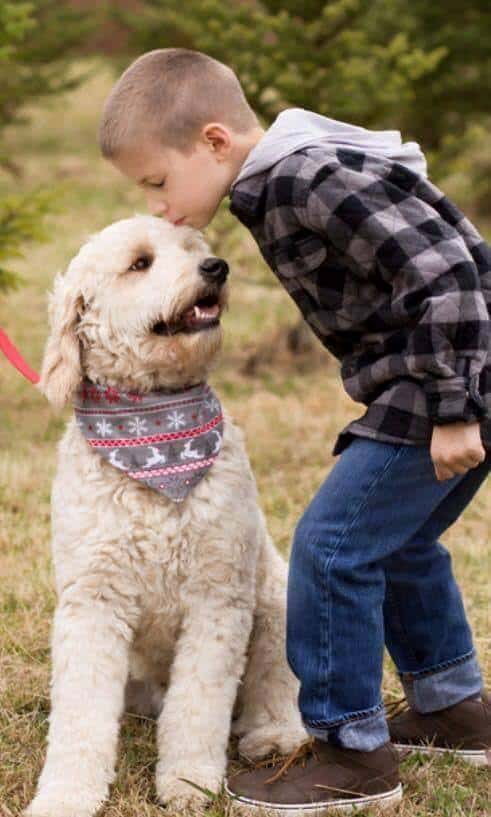
Adding a dog to a family with an autistic child can bring warmth and joy. Dogs offer comfort and help children feel safe. It is important to bring the dog into family life carefully. This helps the child and dog build a strong, healthy relationship. The family should work together to make the experience positive for everyone.
Building Bond With Your Child
Spend quiet time with your child and the dog. Let the child pet and talk to the dog gently. Use simple words to teach the child how to care for the dog. Praise your child when they show kindness to the dog. This helps the child feel proud and close to the dog.
Managing Interactions Safely
Always watch your child and dog during their time together. Teach your child to be calm around the dog. Show your child how to read the dog’s body language. Stop play if the dog seems tired or upset. Safety is key to prevent stress or accidents.
Involving The Whole Family
Let every family member help with the dog’s care. Sharing tasks like feeding or walking builds teamwork. Talk about how the dog helps the child feel better. This creates a caring environment for both the dog and child. Everyone benefits from being part of this new bond.
Frequently Asked Questions
What Are The Best Dog Breeds For Autistic Kids?
The best dog breeds for autistic kids include Labradors, Golden Retrievers, and Poodles. These breeds are gentle, patient, and highly trainable, making them excellent companions for children with autism. Their calm nature helps provide comfort and emotional support.
How Do Dogs Help Autistic Children Emotionally?
Dogs offer companionship and unconditional love, which reduces anxiety in autistic children. They help improve social skills and provide a calming effect. Interaction with dogs can boost confidence and create a sense of security for autistic kids.
Which Dog Traits Benefit Autistic Kids The Most?
Traits like calmness, patience, intelligence, and loyalty benefit autistic kids the most. Dogs with these qualities can respond well to training and adapt to the child’s needs. They help build trust and emotional bonds effectively.
Are Therapy Dogs Suitable For Autistic Children?
Yes, therapy dogs are specially trained to support autistic children. They assist in improving social interaction, reducing stress, and providing emotional stability. Therapy dogs can be a valuable part of autism therapy programs.
Conclusion
Choosing the right dog can bring joy and comfort to autistic kids. These dogs offer gentle support and help build trust. Each child’s needs are unique, so consider personality and energy levels. A calm, loving dog can become a true friend and guide.
Patience and care make this bond stronger every day. Dogs not only provide companionship but also encourage social skills and calmness. The right dog can brighten a child’s life in many ways.


