

If you want to keep your furry friend healthy and happy, choosing the best dog wormer is key. Worms can cause serious problems for your dog, from stomach issues to more dangerous health risks.
You might feel overwhelmed by all the options available, but don’t worry—we’re here to help. You’ll discover the top dog wormers on the market that work fast and safely. By the end, you’ll know exactly which product fits your dog’s needs and keeps those pesky worms far away.
Keep reading to protect your loyal companion today!
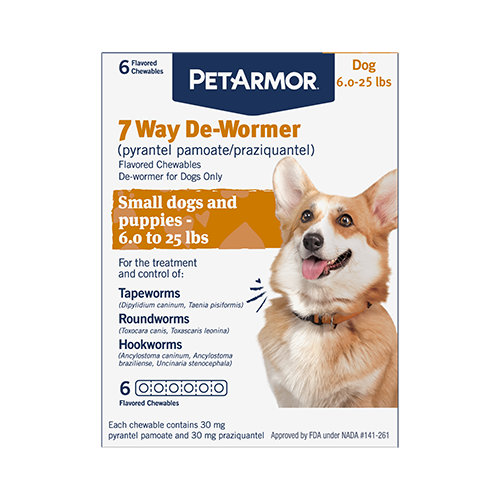
Credit: www.villageatoakwood.com
Common Types Of Dog Worms
Dogs can get different types of worms that affect their health. Knowing the common types helps pet owners protect their dogs. Worms live inside the dog’s body and can cause many problems. Some worms are easy to treat, but others need more care. Regular check-ups and worm treatments keep dogs healthy and happy.
Roundworms
Roundworms are one of the most common dog worms. They look like spaghetti and live in the dog’s intestines. Puppies often get roundworms from their mother. These worms can cause diarrhea, vomiting, and weight loss. Treating roundworms early helps avoid serious illness.
Tapeworms
Tapeworms are flat and long worms. Dogs get tapeworms by swallowing fleas during grooming. These worms attach to the intestines and release segments in the dog’s stool. Tapeworms may cause itching around the dog’s rear end. Proper flea control helps prevent tapeworm infections.
Hookworms
Hookworms are small but dangerous worms. They attach to the intestines and suck blood. Hookworms can cause anemia and weakness in dogs. Puppies are at high risk from hookworm infection. Regular worming treatments protect dogs from these worms.
Whipworms
Whipworms are thin worms that live in the large intestine. They cause diarrhea and weight loss in infected dogs. Whipworm infections may be hard to detect at first. Consistent vet visits and worm prevention reduce whipworm risks.
Signs Your Dog Needs Deworming
Worms in dogs cause many problems. They affect your dog’s health and mood. Spotting signs early helps protect your dog. Worms can hide inside without clear signs. Watch closely for changes in behavior or body. Knowing signs helps you act fast and keep your dog safe.
Behavioral Changes
Your dog may act restless or tired more than usual. They might lose interest in play or food. Sudden whining or unusual aggression can appear. Scratching or biting the rear end often happens. These changes show discomfort or pain inside.
Physical Symptoms
Look for a bloated or swollen belly. Weight loss even with normal eating is a sign. Vomiting and diarrhea may occur often. Your dog’s coat can look dull or dry. Worms may cause coughing or breathing trouble too.
When To Consult A Vet
Visit the vet if your dog shows strong signs. Persistent vomiting, diarrhea, or weight loss need quick help. If your dog acts very weak or has a swollen belly, see a vet. Regular check-ups help catch worms early. Vets can recommend the best wormer for your dog’s needs.
Criteria For Choosing Dog Wormers
Choosing the right wormer for your dog is very important. Worm infections can cause serious health problems. A good dog wormer removes worms safely and quickly. Several factors help find the best product. These criteria make the selection easier and more effective.
Effectiveness
The wormer must kill a wide range of worms. It should work against roundworms, tapeworms, and hookworms. Fast action helps stop symptoms quickly. Look for products tested by vets. Effectiveness ensures your dog stays healthy and happy.
Safety And Side Effects
Safety is the top priority. The wormer should cause no harm to your dog. Check for any side effects listed on the label. Some dogs may have allergies or sensitivities. Choose a product approved for your dog’s age and weight. Always follow dosage instructions carefully.
Ease Of Administration
The wormer should be easy to give. Tablets, chewables, or liquids are common forms. Some dogs refuse pills or liquids. Chewable treats are usually accepted well. A product that fits your dog’s preferences makes treatment stress-free.
Price And Availability
Price matters for many pet owners. Find a wormer that fits your budget. Check local stores and online shops for availability. Regular worming is necessary, so choose a product you can buy easily. Sometimes, buying in bulk saves money over time.
Top Oral Dewormers
Oral dewormers are a common choice for treating worms in dogs. These medicines are easy to give and work quickly. They target different types of worms to keep your dog healthy and happy.
Here are the top oral dewormers used by many dog owners and vets. Each one fights specific worm infections effectively.
Pyrantel Pamoate
Pyrantel Pamoate fights roundworms and hookworms in dogs. It paralyzes the worms, so they pass out of the body. This medicine is safe for puppies and adult dogs. It works fast, usually within a day. Many dog deworming products contain Pyrantel Pamoate as a main ingredient.
Fenbendazole
Fenbendazole treats a wide range of worms like roundworms, hookworms, whipworms, and some tapeworms. It is gentle on dogs and has few side effects. This dewormer often requires several days of treatment. It kills worms by stopping their energy production. Fenbendazole is a trusted choice for broad worm control.
Praziquantel
Praziquantel targets tapeworms in dogs. It causes the tapeworms to dissolve inside the intestines. This medicine works quickly and is very effective. Praziquantel is often combined with other dewormers for full protection. It is safe for most dogs and has minimal side effects.
Top Topical Dewormers
Topical dewormers are a popular choice for pet owners. They work by applying the medicine directly to your dog’s skin. This method is easy and less stressful for your dog. Many topical dewormers protect against a wide range of worms and parasites. They also kill fleas and ticks in some cases. Here are some of the best topical dewormers on the market.
Selamectin
Selamectin is a common topical dewormer. It protects dogs from heartworms, roundworms, and hookworms. It also controls fleas and ear mites. Apply it once a month on the back of your dog’s neck. Selamectin is safe for dogs of all ages. It helps keep your pet healthy and free from parasites.
Moxidectin
Moxidectin is strong against many worms. It fights heartworms, roundworms, hookworms, and whipworms. This medicine also kills some external parasites. You apply it monthly to your dog’s skin. Moxidectin works fast and lasts long. It is a good choice for dogs in high-risk areas.
Imidacloprid Combinations
Imidacloprid is often mixed with other ingredients. This combination treats worms and kills fleas and ticks. It is easy to use and effective. You put a small dose on your dog’s neck. The medicine spreads over the skin quickly. Imidacloprid combos protect your dog from many pests at once.
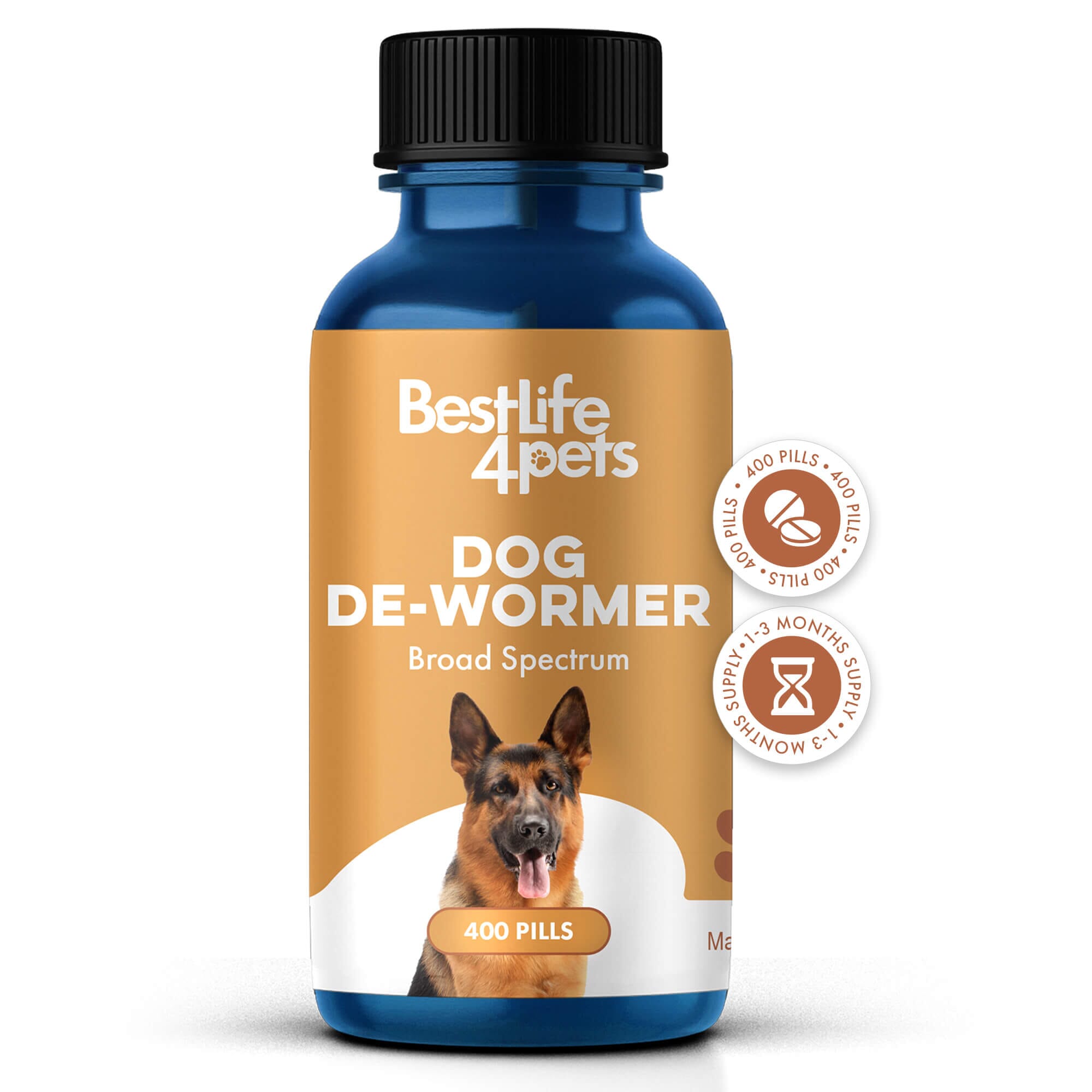
Credit: www.bestlife4pets.com
Natural Remedies And Their Effectiveness
Natural remedies have gained attention as gentle options to fight dog worms. Many pet owners prefer these treatments to avoid chemicals. Understanding how effective these natural methods are helps in making better choices for your dog’s health.
Natural options can support worm control but may not fully replace medications. It is important to know what works and what does not. This section explores popular natural remedies and their benefits and limits.
Herbal Treatments
Herbs like garlic, pumpkin seeds, and neem are common in natural wormers. They contain compounds that may repel or kill some parasites. Garlic can boost the immune system, while pumpkin seeds may paralyze worms. Neem has anti-parasitic properties but should be used carefully. These herbs can help but rarely remove all worms alone.
Dietary Approaches
Feeding dogs certain foods may reduce worm risks. Raw carrots, coconut oil, and apple cider vinegar are popular choices. These foods can improve digestion and create an environment less friendly to worms. A healthy diet strengthens the dog’s natural defenses. Diet changes support worm control but do not act as direct treatments.
Limitations Of Natural Options
Natural remedies usually work slower than conventional drugs. They may not kill all types of worms effectively. Some herbs can cause side effects or interact with other medicines. Natural treatments require consistent use and patience. Severe worm infestations need veterinary care and strong medications.
Preventing Worm Infestations
Worm infestations in dogs can cause serious health problems. Preventing these infestations keeps your dog happy and healthy. It also protects your home from contamination. Taking simple steps can stop worms from becoming a problem.
Regular Deworming Schedule
Follow a regular deworming plan based on your dog’s age and lifestyle. Puppies need more frequent treatments than adult dogs. Deworming every three to six months works well for most dogs. Use vet-approved wormers to ensure safety and effectiveness. Keep a calendar to track each dose given.
Hygiene And Environment
Clean your dog’s bedding and living area often. Dispose of dog waste quickly and safely. Wash your hands after handling your pet. Avoid letting your dog eat wild animals or feces. Clean water and food bowls daily to reduce risk.
Routine Vet Checkups
Visit your vet regularly for health checks and worm tests. Early detection helps stop infestations before they grow. Your vet can recommend the best worm prevention products. Keep all vet appointments to protect your dog’s health. Routine checks ensure your dog stays worm-free.

Credit: pawsplusvet.org
Frequently Asked Questions
What Is The Best Dog Wormer For Puppies?
The best dog wormer for puppies is gentle yet effective. It targets common worms like roundworms and hookworms. Always choose a product specifically labeled for puppies to ensure safety and proper dosage.
How Often Should I Worm My Dog?
Worming frequency depends on age and lifestyle. Puppies need worming every 2 weeks until 12 weeks old. Adult dogs typically require treatment every 3 months. Consult your vet for personalized recommendations based on your dog’s risk factors.
Are Natural Dog Wormers Effective?
Natural dog wormers may help with mild infestations but are less reliable. They often lack scientific proof and consistent results. For strong protection, vet-approved chemical wormers remain the safest and most effective choice.
Can I Use The Same Wormer For All Dog Breeds?
Yes, most wormers are safe for all breeds if dosed by weight. Always read product instructions carefully. Certain breeds with health issues may require vet guidance before use.
Conclusion
Choosing the best dog wormer keeps your pet healthy and happy. Regular treatment helps prevent worms and related problems. Always follow the instructions on the product label carefully. Talk to your vet if you notice any side effects. A good wormer supports your dog’s well-being long-term.
Keep your dog safe with proper worm care. Simple steps make a big difference in your pet’s life. Trust the right product and care for your furry friend.


