If you want to keep your dog healthy and happy, choosing the best dog wormer is one of the most important steps you can take. Worms can cause serious problems for your furry friend, but the right wormer can protect them quickly and effectively.
You might feel overwhelmed by all the options out there, but don’t worry—this guide will help you find the perfect product for your dog’s needs. Keep reading to discover how to spot the best dog wormer on the market and keep your pet safe from harmful parasites.

Credit: tarasschnauzers.com
Common Types Of Dog Worms
Dogs can get several types of worms that cause health problems. These worms live inside the dog’s body and take nutrients from it. Knowing the common types helps in choosing the best dog wormer.
Each worm type has different effects and needs specific treatments. Regular check-ups and proper worming keep dogs healthy and happy.
Roundworms
Roundworms are the most common dog worms. They look like spaghetti and live in the intestines. Puppies often get them from their mother. Roundworms can cause vomiting, diarrhea, and weight loss. They spread through contaminated soil or feces.
Hookworms
Hookworms are small but dangerous. They attach to the dog’s intestines and suck blood. This can lead to anemia and weakness. Dogs can catch hookworms by walking on infected ground or licking contaminated areas. Puppies are especially at risk.
Tapeworms
Tapeworms are long and flat. Dogs get them by swallowing fleas during grooming. Tapeworms live in the intestines and can cause itching around the tail. You might see small worm segments near your dog’s rear. This type requires special medication to treat.
Whipworms
Whipworms are thin and whip-shaped. They live in the large intestine and cause irritation. Symptoms include diarrhea, weight loss, and dehydration. Whipworm eggs are passed in feces and can survive in soil for years. Treatment is necessary to avoid serious health issues.
Symptoms Of Worm Infestation
Worm infestation in dogs is a common problem that affects their health. Early detection is important to keep your dog safe. Knowing the symptoms helps you act fast. Watch your dog closely for signs of worms.
Digestive Issues
Worms often cause stomach pain and upset. Your dog might vomit or have diarrhea. Sometimes, they may have less appetite. These signs show the digestive system is troubled.
Weight Loss
Even with a good diet, your dog may lose weight. Worms steal nutrients from the body. This makes your dog weak and thin. Keep track of any sudden weight changes.
Lethargy
Worms make your dog feel tired and weak. Your pet may sleep more than usual. Low energy and lack of play are common. These signs show your dog is not feeling well.
Visible Worms In Stool
Sometimes, you can see worms in your dog’s poop. They look like small white or brown threads. Spotting worms in stool means an active infestation. Take action quickly to treat your dog.
Criteria For Choosing A Dog Wormer
Choosing the best dog wormer needs careful thought. Worm infections can harm your dog’s health. The right wormer helps protect your pet effectively. Consider key points before picking a product. This guide covers the main criteria for selection.
Effectiveness Against Multiple Worm Types
Many wormers target only one worm type. A good wormer fights several common worms. These include roundworms, tapeworms, and hookworms. Check product labels for coverage details. Broad protection saves time and effort.
Safety And Side Effects
Safety is crucial for your dog’s well-being. Choose wormers with few or no side effects. Read reviews and vet advice carefully. Avoid products with harsh chemicals. Always follow dosage instructions strictly.
Ease Of Administration
Easy-to-give wormers reduce stress for dogs and owners. Pills, chewables, and liquids offer options. Some dogs refuse pills, so chewables may work better. Consider your dog’s preferences and habits.
Cost And Availability
Cost matters for ongoing worm control. Look for affordable options without lowering quality. Check if the product is available in local stores or online. Reliable supply ensures regular treatment on time.

Credit: pawsplusvet.org
Top Oral Dog Wormers
Oral dog wormers are a popular choice for treating worms in dogs. They are easy to give and work fast to clear infections. Many pet owners prefer oral options because dogs usually accept them well. This section covers the top types of oral wormers available.
Pyrantel Pamoate-based Products
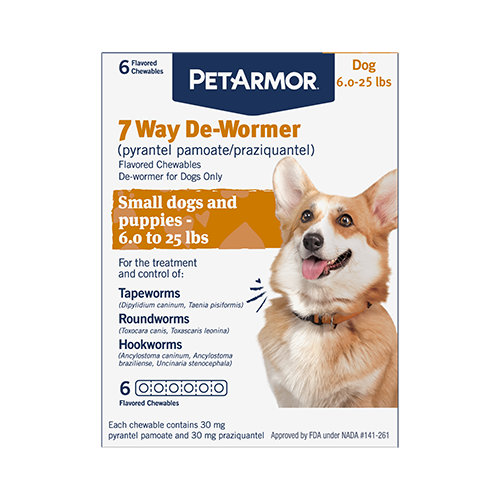
Pyrantel pamoate is effective against roundworms and hookworms. It paralyzes the worms, which then pass out of the dog’s body. These products come in liquid or tablet forms. They are safe for puppies and adult dogs. Regular use helps prevent worm infestations.
Fenbendazole Options
Fenbendazole treats a broad range of worms, including roundworms, hookworms, and whipworms. It works by stopping the worms from absorbing sugar, which kills them. This medicine is available as granules or tablets. It is gentle on the stomach and suitable for most dogs.
Praziquantel Formulations
Praziquantel targets tapeworms effectively. It causes the tapeworms to dissolve inside the dog’s intestines. Many products combine praziquantel with other wormers. Tablets are the common form, often flavored for easier swallowing. This medicine is a must-have for tapeworm control.
Top Topical Dog Wormers
Top topical dog wormers provide a simple and effective way to protect dogs from worms. These treatments are easy to apply and work quickly. They offer fast relief and long-lasting protection. Many pet owners prefer topical options for their convenience and effectiveness.
Topical wormers target different types of worms and parasites. They absorb through the skin and enter the bloodstream. This helps to kill worms inside the dog’s body. Some also protect against fleas and ticks, making them a smart choice for overall pet health.
Spot-on Treatments
Spot-on treatments are popular topical wormers. You apply the liquid directly to the dog’s skin, usually between the shoulder blades. This area prevents dogs from licking the medicine off. The treatment spreads across the skin and kills worms fast. Many spot-on products also kill fleas and ticks. They work for a month or longer, giving lasting protection. Spot-on treatments are safe for most dogs, but always check the label first.
Combination Parasite Control
Combination parasite control products treat worms and other parasites. These wormers fight roundworms, tapeworms, and hookworms. They also protect against fleas, ticks, and mites. This all-in-one approach saves time and money. Applying one product protects your dog from many threats. Combination products come in spot-on or oral forms. Choose one based on your dog’s needs and vet advice.
Natural And Home Remedies
Natural and home remedies for dog worming offer gentle alternatives to chemicals. Many dog owners seek these options to avoid harsh side effects. These remedies focus on ingredients found in nature or common household items.
They aim to support your dog’s health while fighting worms. Some methods change your dog’s diet. Others use herbs with known antiparasitic properties. Understanding these options helps you make safe choices.
Herbal Treatments
Several herbs can help reduce worms in dogs. Pumpkin seeds contain cucurbitacin, which can paralyze worms. Wormwood is another plant often used for its antiparasitic effects. Garlic in very small amounts is sometimes included, but it must be used carefully as it can be toxic in large doses.
These herbs can be given as powders, capsules, or mixed in food. Always consult your vet before starting herbal treatments. Herbs may interact with other medicines or may not suit all dogs.
Dietary Adjustments
Changing your dog’s diet can help prevent worm infestations. Raw pumpkin seeds added to meals can deter worms naturally. Adding coconut oil may improve gut health and help expel parasites.
Feeding fresh, clean food reduces the risk of worm eggs. Avoiding raw meat from unknown sources is also important. A balanced diet strengthens your dog’s immune system against infections.
Effectiveness And Risks
Natural remedies may work for mild worm problems. They often take longer to show results than chemical wormers. Not all herbs or foods are safe for every dog.
Some herbs can cause allergic reactions or toxicity if used incorrectly. Home remedies may not kill all types of worms. Regular fecal tests are necessary to check worm levels.
Consult your vet before using natural treatments. They can guide the best approach for your dog’s health.
Preventing Worm Infestations
Worm infestations in dogs cause many health problems. Preventing these infestations keeps your dog healthy and happy. Simple steps reduce the chance of worms developing. Understanding these methods helps maintain your dog’s well-being.
Regular Deworming Schedule
Set a regular deworming plan for your dog. Follow your vet’s advice for timing and products. Deworming every few months stops worms from growing. This simple step protects your dog from serious illness. Keep a record of each treatment for easy tracking.
Hygiene Practices
Clean your dog’s bedding and toys often. Wash your hands after handling your pet or cleaning up. Remove dog waste quickly from your yard or home. Good hygiene lowers the chance of worms spreading. Teach children to follow these hygiene habits too.
Environmental Control
Keep your dog’s living area dry and clean. Worm eggs survive longer in wet places. Dispose of feces in sealed bags to stop contamination. Avoid letting your dog eat wild animals or insects. Control fleas and ticks as they can spread worms.
Credit: www.villageatoakwood.com
Veterinarian Recommendations
Veterinarians play a key role in choosing the best dog wormer. Their expert advice helps keep dogs safe from worms. They know which products work well and are safe for different dogs. Trusting their guidance ensures effective worm control.
When To Consult A Vet
Consult a vet if your dog shows signs of worms. Symptoms include vomiting, diarrhea, or weight loss. Regular check-ups can catch worm problems early. A vet visit is important after your dog has been in high-risk areas.
Diagnostic Tests
Vets use tests to find out if worms are present. Stool sample tests are common and easy to do. These tests show the type of worms affecting your dog. Accurate diagnosis helps select the right wormer for treatment.
Tailored Treatment Plans
Vets create worm treatment plans based on each dog’s needs. They consider the dog’s age, weight, and health. Some dogs need special medication or dosages. Tailored plans improve results and reduce side effects.
Frequently Asked Questions
What Is The Best Dog Wormer For All Breeds?
The best dog wormer works effectively on various worm types. It is safe for all breeds and ages. Choose one with broad-spectrum coverage recommended by vets for comprehensive protection.
How Often Should I Worm My Dog?
Dogs should be wormed every 3 to 6 months. Puppies need more frequent treatments initially. Regular worming prevents infestations and protects your dog’s health.
Are Natural Dog Wormers Effective?
Natural wormers can help but often lack strong scientific support. For serious infestations, vet-recommended medications are more reliable and effective. Always consult your vet before using natural options.
Can Dog Wormers Cause Side Effects?
Some dog wormers may cause mild side effects like vomiting or diarrhea. Serious reactions are rare. Follow dosage instructions carefully and consult a vet if symptoms persist.
Conclusion
Choosing the right dog wormer keeps your pet healthy and happy. Regular treatment helps prevent worms and related health issues. Always follow the product instructions carefully for best results. Consult your vet if you notice any problems or side effects.
Protect your dog with a trusted wormer that suits their needs. Healthy dogs mean happy owners and peaceful homes. Simple steps make a big difference in pet care. Keep your dog safe from worms every season.