

Your senior dog deserves the best care as they age, and the right vitamins can make a huge difference in their health and happiness. You want to see your furry friend stay active, feel comfortable, and enjoy every moment with you.
But with so many options out there, how do you choose the best dog vitamins for senior dogs? Keep reading, because this guide will help you find the perfect supplements to support your dog’s joints, energy, and overall well-being. Don’t miss out on giving your loyal companion the boost they need to thrive in their golden years.
Signs Of Aging In Dogs
Dogs age just like people. Their bodies and minds change over time. Recognizing signs of aging helps you care for your senior dog better. It allows you to meet their needs with the right vitamins and support.
Physical Changes To Watch
Senior dogs often show changes in their bodies. Their fur may turn gray or thin. Joints might become stiff or swollen. You could notice weight gain or loss. Eyes may look cloudy or less bright. These changes can affect how your dog moves and feels.
Behavioral Shifts
Older dogs may act differently than before. They might sleep more during the day. Some dogs seem less interested in playing. Others may become more anxious or confused. Changes in bathroom habits can also appear. These shifts show how aging affects their mind and mood.
Common Health Issues
Senior dogs face health problems more often. Arthritis is common and causes pain in joints. Dental issues can lead to eating problems. Kidney and heart diseases may develop. Vision and hearing loss happen too. Knowing these issues helps you choose the best vitamins for your dog’s health.
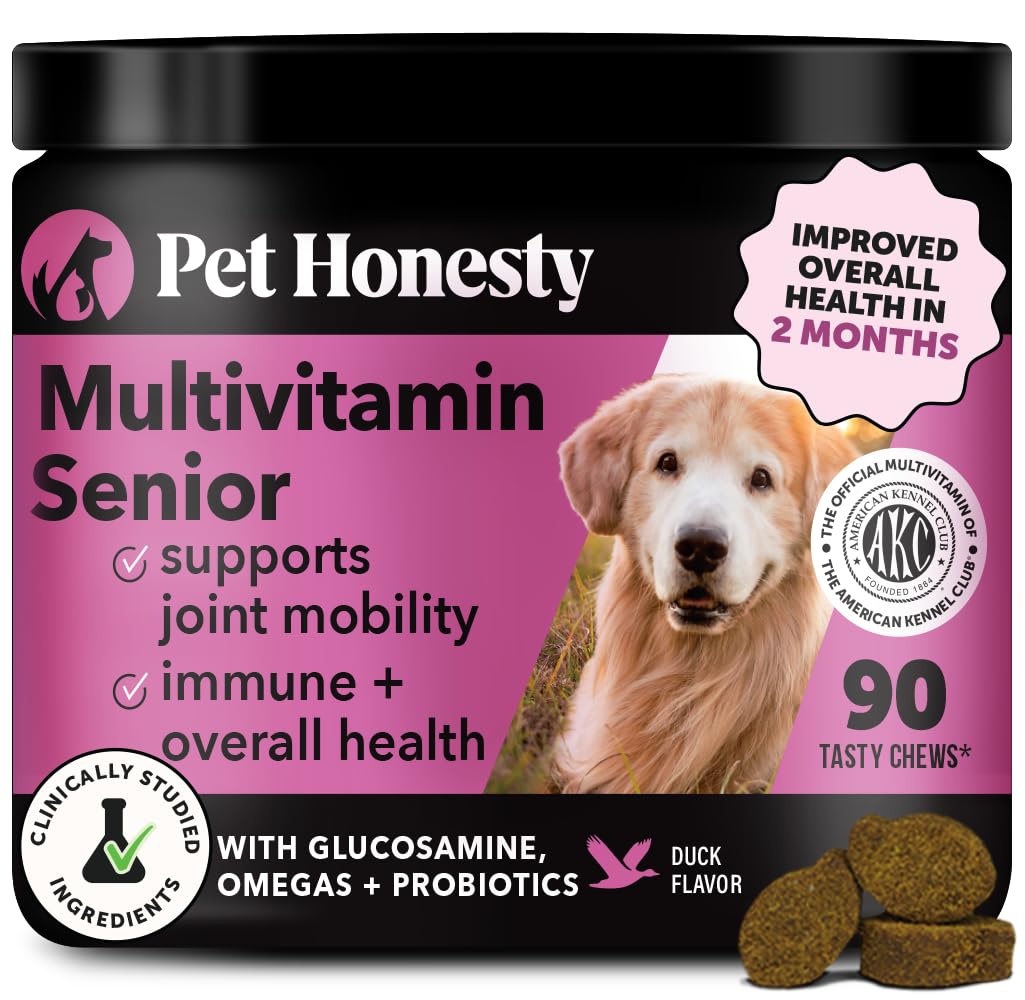
Credit: www.amazon.com
Essential Nutrients For Senior Dogs
Senior dogs need special care in their diet. Their bodies change and require different nutrients than younger dogs. Proper vitamins help keep them active and healthy. These nutrients support joints, immune system, and coat health. Understanding key vitamins helps owners choose the best supplements.
Vitamins That Support Joint Health
Glucosamine and chondroitin are vital for joint health. They help repair cartilage and reduce pain. Senior dogs often face stiffness or arthritis. These vitamins ease movement and improve comfort. Vitamin C also supports collagen production. Strong joints mean a happier, more active dog.
Antioxidants For Immune Boost
Antioxidants protect cells from damage and aging. Vitamins E and C are powerful antioxidants. They strengthen the immune system in senior dogs. A strong immune system fights infections better. These vitamins help dogs stay healthy longer. Selenium is another mineral that supports immunity.
Omega Fatty Acids Benefits
Omega-3 and Omega-6 fatty acids improve skin and coat health. They reduce inflammation in joints and organs. These fats support brain function and heart health. Senior dogs with dry skin or dull coats benefit most. Regular omega supplements keep dogs comfortable and shiny.
Top Dog Vitamins And Supplements
Senior dogs need special care, especially in their diet. Vitamins and supplements help keep them healthy and active. They support joints, skin, heart, and brain. Choosing the right vitamins can improve your dog’s quality of life.
Multivitamins Tailored For Seniors
Multivitamins made for senior dogs contain extra nutrients. These include vitamins A, C, and E, which help boost the immune system. They also have important minerals like zinc and selenium. These nutrients support aging bodies and keep dogs strong.
Glucosamine And Chondroitin
Glucosamine and chondroitin help protect joints and cartilage. They reduce stiffness and pain in older dogs. These supplements improve mobility and make walking easier. Dogs with arthritis often benefit from these ingredients.
Fish Oil And Omega Supplements
Fish oil provides omega-3 fatty acids, which reduce inflammation. Omega supplements support healthy skin and a shiny coat. They also help heart and brain health. Many senior dogs feel more energetic with these nutrients.
:strip_icc()/best-dog-supplements-7483519-10d4856eb39b431faebe6d26d07b6701.jpg)
Credit: www.visco-foam.com
Choosing The Right Vitamin
Choosing the right vitamin for your senior dog can improve their health and happiness. Older dogs have different needs than younger ones. Vitamins can support joints, heart, and immune system. Picking the correct supplement ensures your dog gets the right nutrients.
Consulting Your Veterinarian
Your vet knows your dog’s health history best. Ask about vitamin options that suit your dog’s age and condition. They can recommend safe brands and doses. Avoid giving vitamins without vet advice to prevent harm.
Reading Supplement Labels
Check labels carefully before buying vitamins. Look for clear ingredient lists and expiration dates. Choose products made for senior dogs. Avoid supplements with vague claims or unclear amounts of vitamins.
Avoiding Harmful Ingredients
Some vitamins contain fillers or artificial additives. These can upset your dog’s stomach or cause allergies. Stay away from products with sugar, artificial colors, or preservatives. Pure, natural ingredients are safer for older dogs.
Administering Vitamins To Senior Dogs
Giving vitamins to senior dogs helps keep them healthy and active. Older dogs may need extra nutrients to support joints, digestion, and immunity. Proper vitamin use can improve their quality of life. Understanding how to give these supplements safely is important for best results.
Incorporating Supplements Into Meals
Mix vitamins with your dog’s regular food. This hides the taste and makes it easier to eat. Use wet food or add a small amount of broth to help vitamins stick. Break large pills into smaller pieces if needed. Try offering vitamins at the same time every day.
Dosage And Frequency Tips
Follow the instructions on the vitamin label carefully. Giving too much can harm your dog. Start with the lowest dose and increase only if your vet suggests it. Most senior dogs need vitamins once or twice daily. Keep a schedule to avoid missing doses.
Monitoring Your Dog’s Response
Watch your dog for any changes after starting vitamins. Look for better energy, shinier coat, or improved mobility. Note any signs of upset stomach, vomiting, or unusual behavior. Contact your vet if side effects occur. Regular check-ups help track progress and adjust vitamins if needed.
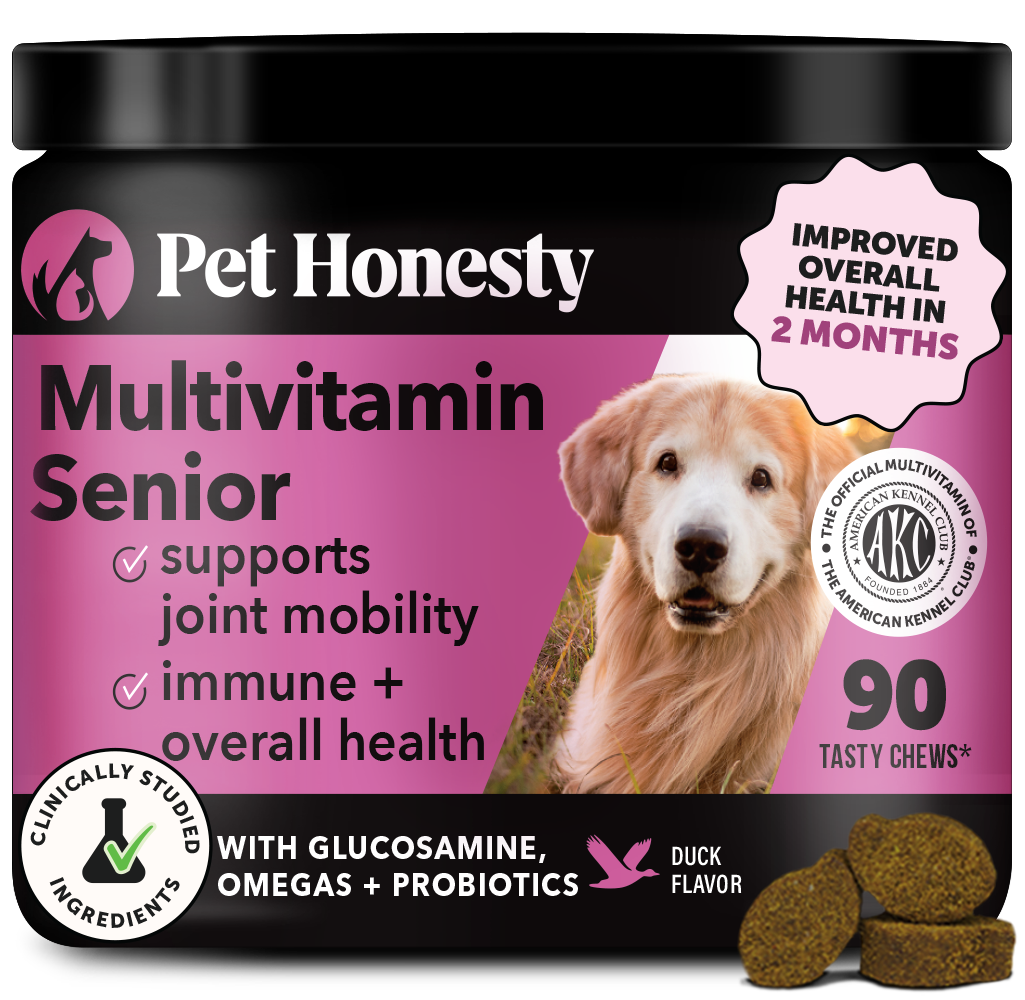
Credit: www.pethonesty.com
Lifestyle Tips For Healthy Aging
Helping senior dogs live well needs more than just vitamins. Their lifestyle plays a big role. Healthy habits support their body and mind. It helps them stay active and happy. Here are some key tips to promote healthy aging.
Balanced Diet And Hydration
Senior dogs need a diet rich in nutrients but gentle on their stomach. Choose foods with good protein, fiber, and vitamins. Avoid foods high in fat and empty calories. Fresh water must always be available. Proper hydration aids digestion and keeps joints healthy.
Regular Exercise And Mental Stimulation
Exercise keeps muscles strong and joints flexible. Short, gentle walks suit older dogs best. Play simple games to keep their mind sharp. Mental challenges reduce boredom and anxiety. Both physical and mental activity improve their quality of life.
Routine Vet Checkups
Regular vet visits catch health problems early. Senior dogs need screenings for heart, kidney, and joint health. Vaccinations and parasite control remain important. Your vet can advise on supplements and diet changes. Early care helps manage aging issues better.
Frequently Asked Questions
What Are The Best Vitamins For Senior Dogs?
The best vitamins for senior dogs include glucosamine, omega-3 fatty acids, antioxidants, and B vitamins. These support joint health, brain function, and immunity. Always choose high-quality, vet-recommended supplements tailored to your dog’s specific needs.
How Do Vitamins Help Aging Dogs Stay Healthy?
Vitamins boost senior dogs’ energy, joint mobility, and immune system. They reduce inflammation and support cognitive function. Proper supplementation can improve quality of life and slow age-related decline in dogs.
Can Vitamins Improve Joint Health In Senior Dogs?
Yes, vitamins like glucosamine and chondroitin aid joint repair and reduce arthritis pain. Omega-3 fatty acids also help by decreasing inflammation and improving mobility in older dogs.
When Should I Start Giving Vitamins To My Senior Dog?
Start supplements when your dog shows signs of aging, usually around 7 years old. Consult your vet for the best timing and type of vitamins suited to your dog’s health.
Conclusion
Senior dogs need vitamins to stay healthy and active. Choosing the right vitamins helps support joints, heart, and coat. Always check ingredients and ask your vet for advice. Good vitamins can improve your dog’s energy and comfort. Keep your pet happy with proper care and nutrition.
Small steps make a big difference in their life. Give your senior dog the support they deserve every day.


