
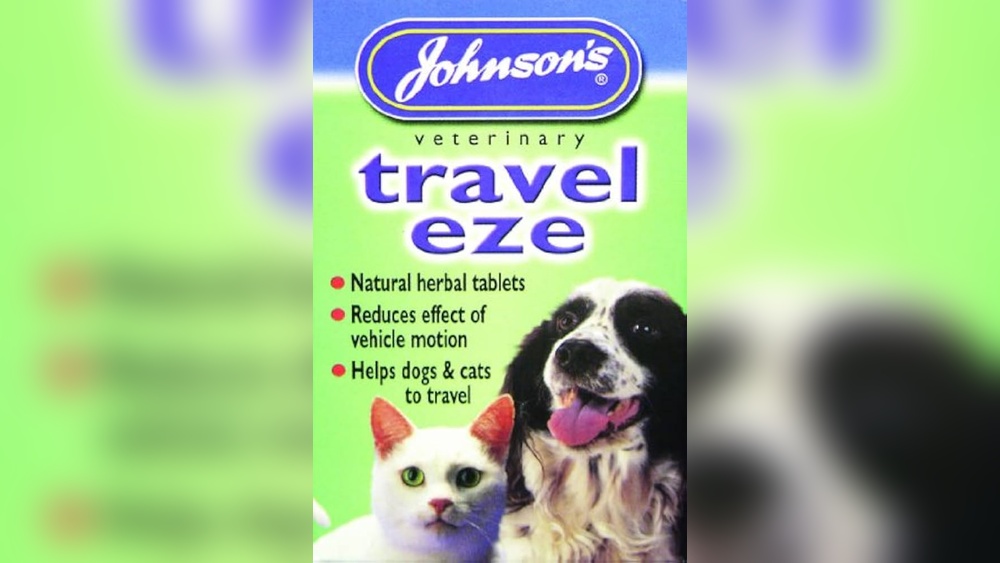
If your dog gets uneasy or nauseous during car rides, you know how stressful travel can become for both of you. Finding the best dog travel sickness tablets can make a huge difference in keeping your furry friend calm and comfortable.
You’ll discover effective options that work quickly and safely, helping your dog enjoy every trip. Keep reading to find the perfect solution that lets you focus on the adventure, not the motion sickness.
Causes Of Dog Travel Sickness
Travel sickness in dogs is a common problem that many pet owners face. It happens when dogs feel uncomfortable or sick during car rides or other travel. Understanding the causes helps in managing and preventing this condition effectively. Here are some main causes of dog travel sickness.
Motion And Vestibular Sensitivity
Dogs rely on their inner ear to keep balance. Changes in motion can confuse their balance system. This confusion causes nausea and dizziness. Not all dogs react the same way to movement. Some are more sensitive to motion than others. Fast turns, stops, or bumps increase discomfort. This sensitivity often leads to travel sickness symptoms.
Anxiety And Stress Factors
Travel can make dogs feel anxious or scared. New places, sounds, and smells add to their stress. Anxiety can upset a dog’s stomach. Stress hormones affect digestion and cause nausea. Dogs may drool, whine, or vomit when stressed. Stress is a strong trigger for travel sickness in many dogs.
Breed And Age Influences
Some breeds are more prone to travel sickness. Small breeds like Dachshunds and Terriers often get sick more. Young puppies and older dogs also face higher risks. Age affects how dogs handle motion and stress. Knowing your dog’s breed and age can help predict travel sickness chances.
Credit: homehealth-uk.com
Signs Of Travel Sickness In Dogs
Travel sickness in dogs can be hard to spot at first. Dogs cannot tell us how they feel. Watching for signs helps catch travel sickness early. This way, you can keep your dog comfortable during trips.
Signs of travel sickness vary. They show in the body and behavior. Knowing these signs makes travel easier for your dog.
Physical Symptoms
Dogs with travel sickness often drool more than usual. They may yawn a lot or lick their lips. Some dogs breathe faster or pant heavily. Vomiting is a clear sign of motion sickness. Some dogs also look tired or weak. Shaking or trembling can happen too. These signs show your dog feels sick.
Behavioral Changes
Travel sickness can change a dog’s mood. Dogs may seem restless and unable to sit still. They might hide or try to escape the car. Some dogs whine, bark, or show signs of anxiety. Others may refuse food or water. These changes show your dog is uncomfortable. Paying attention helps you act quickly.
Types Of Travel Sickness Tablets
Travel sickness in dogs can cause discomfort and stress during trips. Different types of travel sickness tablets help manage these symptoms. Choosing the right type depends on your dog’s needs and health. Understanding the options can make travel easier for both you and your dog.
Antihistamines
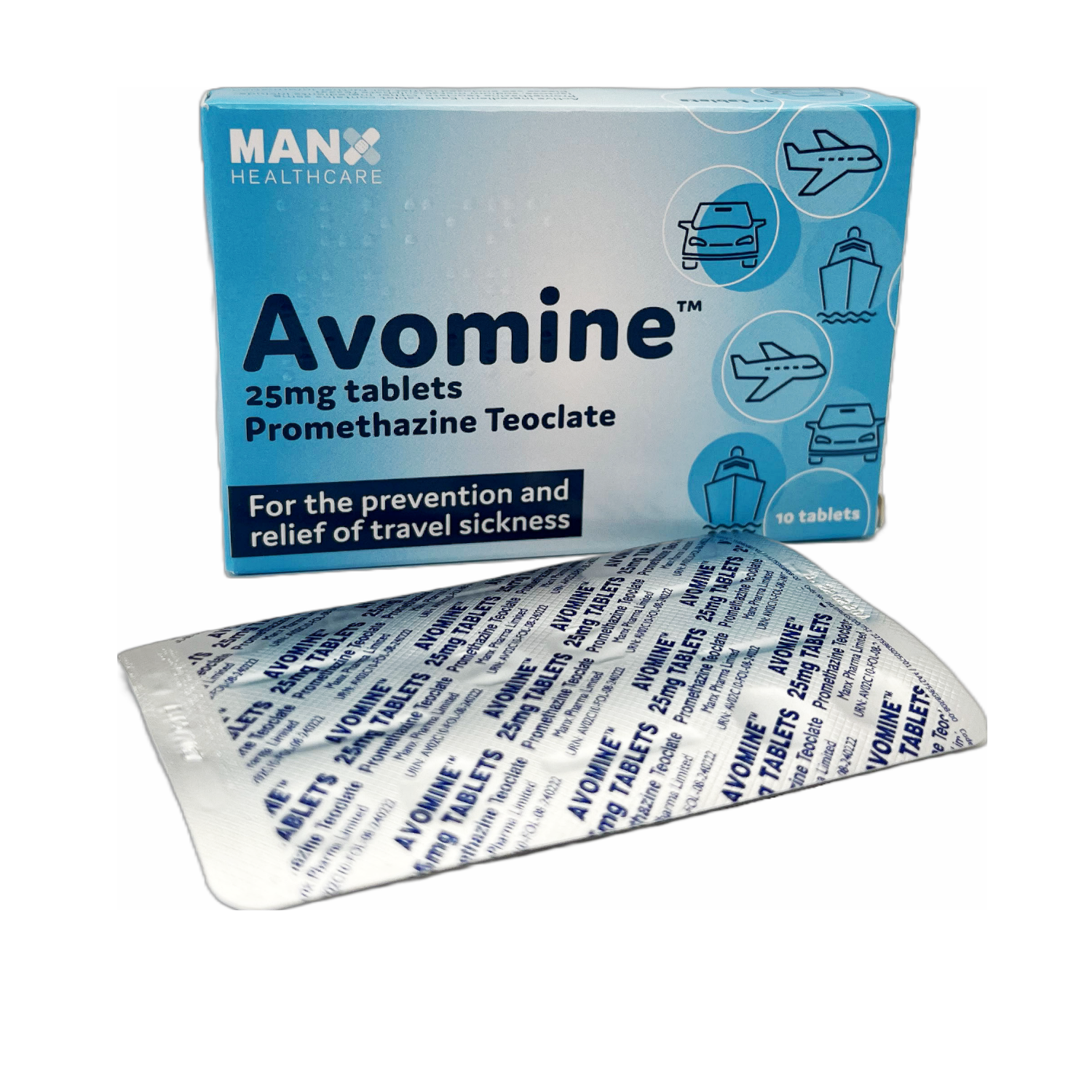
Antihistamines are common in treating dog travel sickness. They reduce nausea and calm the dog. These medicines work by blocking certain chemicals in the brain. Many antihistamines are easy to find and use. Always check the correct dosage with your vet.
Natural Remedies
Natural remedies offer a gentle way to ease travel sickness. Ingredients like ginger and chamomile help reduce nausea. These remedies usually come in chewable or liquid forms. They have fewer side effects than strong medicines. Natural options suit dogs with mild symptoms.
Prescription Medications
Prescription medications are for severe or persistent travel sickness. Vets prescribe these after a full check-up. These drugs work faster and are stronger than over-the-counter options. They may have side effects, so use them carefully. Always follow your vet’s instructions strictly.
Credit: www.walmart.com
Top Dog Travel Sickness Tablets
Travel sickness can make car rides hard for dogs. Many dogs feel uneasy, drool, or vomit during trips. Using the right travel sickness tablets helps keep your dog calm and comfortable. Tablets made for dogs reduce nausea and stop motion sickness. Here are some top choices for dog travel sickness tablets. They suit different needs and budgets.
Best Overall Options
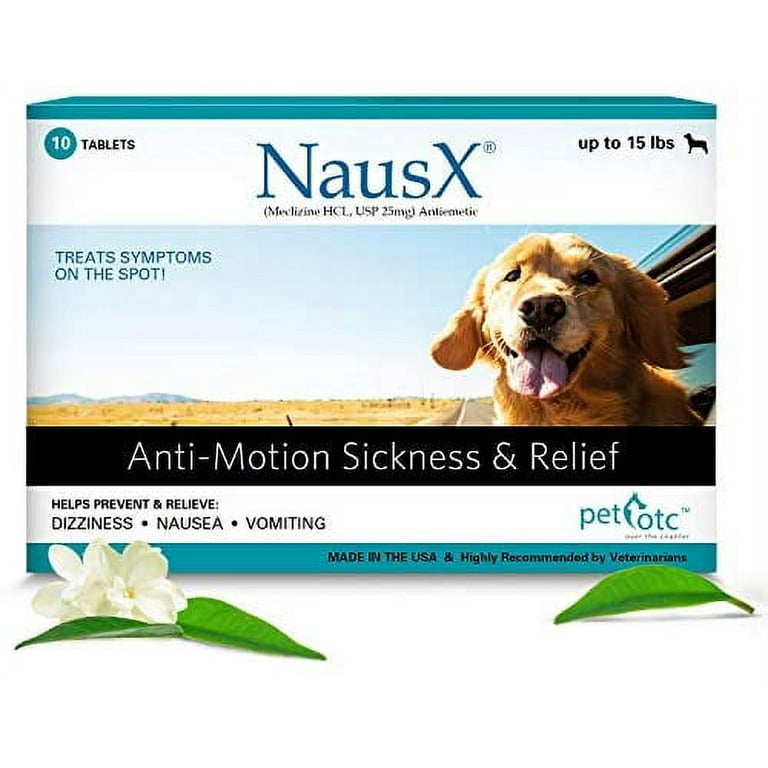
These tablets work well for most dogs. They start working fast and have few side effects. Common ingredients include dimenhydrinate and diphenhydramine. These help control nausea and dizziness. Brands like Dramamine and Benadryl are popular. Always check the dosage for your dog’s weight. These options are safe and effective for most pets.
Budget-friendly Choices
Good tablets don’t need to be expensive. Some affordable options still offer great relief. Generic versions of motion sickness medicines can work well. You can find them in pet stores or online. They provide nausea relief without breaking the bank. These tablets are perfect for occasional trips and light symptoms.
Natural And Herbal Picks
Some owners prefer natural remedies for their dogs. Herbal tablets use ingredients like ginger and chamomile. These calm the stomach gently and reduce anxiety. Natural options are mild and have fewer side effects. They work best for mild travel sickness cases. Many dogs enjoy the taste, making dosing easier.
How To Administer Tablets Effectively
Giving your dog travel sickness tablets can be tricky. Dogs may refuse pills or spit them out. Knowing how to give tablets right helps your dog feel better fast. It also keeps travel stress low for both of you.
Timing And Dosage
Follow the vet’s instructions for timing and dosage strictly. Give tablets before the journey starts to prevent sickness. Usually, 30 minutes to an hour before travel works best. Do not give more or less than the recommended dose. Extra tablets won’t help and might harm your dog.
Keep a schedule and set reminders. This helps avoid missed doses during long trips. If your trip lasts several days, ask your vet how often to repeat the dose.
Tips For Picky Eaters
Many dogs dislike taking tablets. Hide pills in soft food like cheese or peanut butter. Use small pieces to avoid choking. You can also break the tablet into smaller bits if allowed. Mix it well with wet dog food for better taste.
Try offering the tablet by hand, then follow with a treat. Praise your dog after each successful dose. Positive reinforcement makes future doses easier. If your dog spits the pill out, try again calmly.

Credit: www.amazon.com
Alternative Ways To Prevent Travel Sickness
Travel sickness can be tough for dogs and owners alike. Tablets help, but there are other ways to ease your dog’s discomfort. Using natural methods can reduce nausea and stress during trips. These approaches prepare your dog’s body and mind for travel.
Travel Training And Acclimation
Start by taking short trips with your dog. Let them get used to the car’s movement and sounds. Practice calm behavior in the car before longer trips. Use treats and praise to create positive feelings. Gradually increase travel time to build tolerance.
Comfortable Travel Environment
Keep your dog’s space cozy and secure. Use a well-ventilated crate or seatbelt harness. Soft bedding helps your dog relax during the ride. Lower noise and bright light inside the car. A calm atmosphere reduces stress and nausea.
Diet And Hydration Tips
Feed your dog a light meal a few hours before travel. Avoid heavy or greasy foods that upset the stomach. Provide fresh water to keep your dog hydrated. Avoid water right before the trip to prevent discomfort. Small sips help keep nausea away.
When To See A Vet
Knowing when to see a vet is important for your dog’s health. Travel sickness tablets help most dogs feel better. Still, some signs need professional care. Acting fast can prevent bigger problems.
Persistent Symptoms
If your dog keeps vomiting or is very tired, see a vet. Symptoms lasting more than 24 hours need attention. Loss of appetite or diarrhea that does not stop is serious. Your vet can find the cause and suggest treatment. Do not wait too long to get help.
Medication Side Effects
Watch your dog closely after giving travel sickness tablets. Some dogs may have side effects like drowsiness or dry mouth. If your dog has trouble breathing or shows swelling, visit the vet right away. Side effects can be mild or severe. A vet can advise if you should change the medicine or stop it.
Frequently Asked Questions
What Are The Best Dog Travel Sickness Tablets?
The best dog travel sickness tablets effectively reduce nausea and motion sickness. Popular options include Cerenia, Dramamine, and ginger-based supplements. Always consult your vet before administration to ensure safety and proper dosage for your dog’s size and health condition.
How Do Dog Travel Sickness Tablets Work?
Dog travel sickness tablets work by blocking signals in the brain that cause nausea. They help control vomiting, dizziness, and discomfort during travel. These tablets often contain antihistamines or antiemetic ingredients that calm your dog’s stomach and nervous system.
Are Travel Sickness Tablets Safe For All Dogs?
Most travel sickness tablets are safe for dogs when used correctly. However, some dogs may have allergies or health conditions that contraindicate use. Always consult your veterinarian before giving any medication to ensure it suits your dog’s specific needs and health status.
When Should I Give My Dog Travel Sickness Tablets?
Administer travel sickness tablets about 30 to 60 minutes before travel. This timing helps the medication take effect before symptoms start. Follow your vet’s instructions on dosage and frequency for the best results and minimal side effects.
Conclusion
Choosing the right travel sickness tablets helps your dog stay calm and happy. Tablets ease nausea and reduce stress during trips. Always check the ingredients and dosage before use. Talk to your vet for the safest option. A comfortable journey means more fun for both you and your dog.
Safe travels start with proper care and preparation. Keep your dog’s health a top priority on every trip. Enjoy the ride without worries or discomfort.


