Dealing with an aggressive dog can be tough and stressful for you and everyone around you. You want your furry friend to be calm, friendly, and well-behaved, but sometimes aggression feels like a wall you just can’t break through.
The good news? The right training can change everything. You’ll discover the best dog training techniques specifically designed to help aggressive dogs become more relaxed and obedient. Keep reading to learn how you can transform your dog’s behavior and enjoy a happier, safer home.

Credit: www.amazon.com
Causes Of Aggression In Dogs
Aggression in dogs can be confusing and worrying. Understanding the causes helps to manage it better. Several factors contribute to aggressive behavior in dogs. These include genetics, environment, fear, and health issues. Each factor plays a role in how a dog reacts to people or other animals.
Genetic Factors
Some dogs inherit aggressive traits from their parents. Certain breeds have a higher chance of aggression. This does not mean all dogs of these breeds are aggressive. Genetics can make a dog more sensitive or protective. Early socialization can reduce genetic risks.
Environmental Triggers
Environment shapes a dog’s behavior greatly. Rough handling or neglect can cause aggression. Loud noises or chaotic places may stress a dog. Lack of social interaction makes dogs fearful and defensive. A calm, safe space helps reduce aggressive reactions.
Fear And Anxiety
Fear is a common cause of aggression. Dogs often growl or snap when scared. Anxiety builds from past bad experiences. A fearful dog tries to protect itself. Training that builds trust and confidence is key.
Medical Issues
Health problems can lead to sudden aggression. Pain makes dogs irritable and defensive. Conditions like brain injury or hormonal imbalance affect behavior. Always check with a vet before starting training. Treating medical issues can reduce aggressive acts.
Signs Of Aggression To Watch For
Recognizing signs of aggression in dogs is vital for safe training. Aggression can show in many ways. Knowing these signs helps prevent problems and protects everyone. Watch your dog closely. Early detection makes training easier and more effective.
Body Language Cues
Body language is the first clue to aggression. Look for stiff posture and raised hackles. A dog may lower its head and stare directly. Lips pulled back to show teeth is a clear warning. Tail position matters too—rigid or raised tails can signal tension. Watch for ears pinned back or forward. These signs mean your dog feels threatened or ready to act.
Vocalizations
Sounds can reveal how your dog feels. Growling is a common sign of aggression. It warns others to stay away. Barking can also show anger or fear. A low, deep bark often means a threat. Snarling mixes growling with showing teeth. Whining or yelping may mean stress, not aggression. Pay attention to changes in your dog’s usual sounds.
Behavioral Patterns
Behavior changes often come with aggression. Some dogs snap or lunge at people or animals. Others may freeze and stare intensely. Avoidance can also indicate fear-based aggression. Watch for repeated aggressive acts in certain situations. Guarding toys, food, or space is a red flag. Early signs may include sudden irritability or restlessness. Tracking these behaviors guides proper training steps.
Preparing For Training
Preparing for training an aggressive dog is key to success. It helps both you and your dog stay calm and focused. Good preparation sets the stage for better behavior and trust. This part explains how to get ready for the training process.
Choosing The Right Trainer
Not all trainers handle aggression well. Find a trainer with experience in aggressive dog behavior. Check their methods. Positive, reward-based training works best. Avoid trainers who use punishment or fear. The right trainer guides you and your dog safely.
Setting Realistic Goals
Aggression does not disappear overnight. Set small, clear goals for your dog. Focus on reducing aggressive reactions step by step. Celebrate small wins. Realistic goals keep you motivated and reduce frustration. Patience is essential for lasting change.
Creating A Safe Environment
Safety protects your dog, family, and trainer during sessions. Remove distractions and hazards. Use barriers like gates if needed. Keep other pets and people away. A calm, quiet space helps your dog focus. Safety builds trust and reduces stress.
Effective Training Techniques
Effective training techniques help manage aggressive behavior in dogs. These methods focus on teaching dogs calm and positive responses. They build trust between the dog and owner. Training should be consistent and patient. Small steps lead to big improvements.
Positive Reinforcement
Positive reinforcement rewards good behavior immediately. Treats, praise, or toys motivate dogs to repeat calm actions. Avoid punishment as it increases fear or aggression. Rewarding helps dogs learn what is right. This technique strengthens the bond with your dog.
Desensitization And Counter-conditioning
Desensitization exposes dogs to triggers slowly and safely. Start with low levels that do not cause aggression. Increase exposure step-by-step as the dog stays calm. Counter-conditioning pairs triggers with something pleasant. Over time, the dog changes its emotional response. This reduces fear and aggressive reactions.
Obedience Training Basics
Basic obedience commands create structure and control. Teach sit, stay, come, and leave it. These commands help manage your dog’s behavior in tense moments. Practice daily in short sessions. Clear commands help dogs understand expectations and reduce confusion.
Impulse Control Exercises
Impulse control exercises teach dogs patience and self-control. Techniques like waiting at doors or for food work well. These exercises reduce impulsive reactions that lead to aggression. Regular practice improves focus and calmness. A patient dog is less likely to react aggressively.
Managing Aggression During Training
Managing aggression during dog training requires patience and careful attention. Aggressive behavior can be dangerous. It needs clear steps to keep both the dog and owner safe. Understanding how to handle aggression helps improve training results. It builds trust between you and your dog.
Recognizing Warning Signs
Recognizing early signs of aggression is key. Look for growling, snarling, or baring teeth. Stiff body posture and intense staring also show aggression. These signals mean your dog feels threatened or scared. Catch these signs before the aggression grows stronger. Early recognition helps avoid serious problems.
Handling Aggressive Episodes
Stay calm during aggressive outbursts. Do not shout or punish harshly. Use firm but gentle commands to redirect your dog. Give them space to calm down. Avoid physical confrontation. Consistent training and positive reinforcement reduce aggression over time. Patience is essential in these moments.
Safety Measures For Owners
Always prioritize safety for you and others. Use a leash and muzzle if needed. Train in a quiet, controlled environment. Keep training sessions short and focused. Have a plan to separate your dog if aggression spikes. Protect yourself with calm, confident behavior.

Credit: www.youtube.com
Tools And Equipment That Help
Training aggressive dogs needs more than just patience. The right tools and equipment help keep control and ensure safety. Using proper gear supports both the dog and the trainer during sessions. It makes the training process smoother and less stressful.
Harnesses And Muzzles
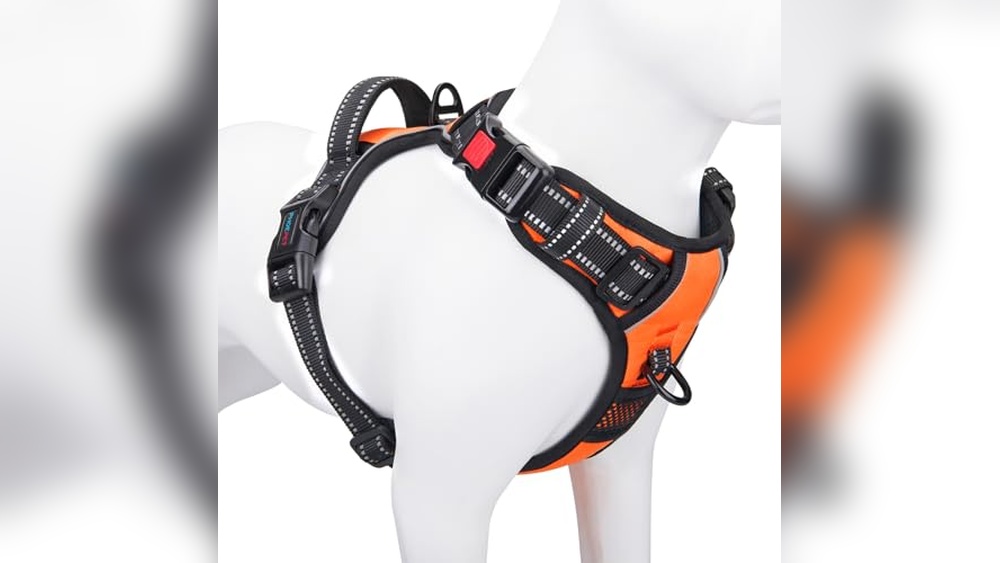
Harnesses give better control without hurting the dog’s neck. They spread pressure evenly across the chest and back. Muzzles stop biting or snapping during training. They keep other dogs and people safe. Using a comfortable muzzle helps the dog stay calm.
Leashes And Collars
Strong leashes prevent sudden lunges or escapes. A good leash should be long enough for movement but short enough for control. Collars come in many types, like flat, martingale, and prong. Choosing the right collar depends on the dog’s size and behavior. Proper fit and comfort are key.
Training Aids
Training aids include clickers, treats, and target sticks. Clickers mark good behavior clearly and quickly. Treats motivate dogs to learn new skills. Target sticks guide dogs to focus and follow commands. These aids help build positive habits fast.
Role Of Socialization
Socialization plays a key role in training aggressive dogs. It helps dogs learn how to behave around people and other animals. Proper socialization can reduce fear and aggression. It teaches dogs to stay calm in different situations. This process requires patience and careful planning. It creates a safer and happier environment for the dog and everyone around.
Introducing Controlled Interactions
Start socialization with controlled interactions. These are safe meetings with calm dogs or people. Keep the dog on a leash. Watch their body language closely. Stop the interaction if the dog shows signs of stress. Controlled interactions help dogs learn good behaviors slowly. They build trust and reduce fear during social encounters.
Gradual Exposure To Stimuli
Expose the dog to new sights and sounds step by step. Begin with quiet places and gentle noises. Gradually add more people, animals, and busy environments. Avoid overwhelming the dog with too much at once. Gradual exposure helps the dog adjust without getting scared. It teaches the dog that new things are not threats.
Building Confidence
Confidence is key for aggressive dogs to improve. Use positive reinforcement during socialization sessions. Praise and reward calm and friendly behavior. Confidence grows when dogs feel safe and successful. Confident dogs show less aggression and fear. Socialization helps build this confidence over time.
When To Seek Professional Help
Knowing when to seek professional help for an aggressive dog is very important. Some signs show that training at home is not enough. Aggression can be dangerous for your dog and others. It is best to get expert advice early to keep everyone safe.
Recognizing Limits
Every dog owner has limits in handling aggression. If your dog bites or growls often, it may be beyond your control. Simple commands might not work. Watch for signs like stiff body, lunging, or snapping. These signs mean you need outside help fast.
Choosing A Behaviorist
Pick a certified animal behaviorist with experience in aggression. They understand dog psychology and can create safe plans. Avoid trainers who only use force or punishment. A good behaviorist uses gentle, proven methods. They teach you how to manage your dog daily.
Therapeutic Options
Professional help often includes therapy beyond training. Some dogs need medication to calm their nerves. Therapy may involve controlled exposure to triggers. The goal is to reduce fear and stress in your dog. Follow the expert’s plan closely for best results.
Maintaining Progress Long-term
Maintaining progress with aggressive dog training is key for lasting success. Training does not end after initial results. Consistency keeps your dog calm and well-behaved over time. Regular efforts help prevent old habits from returning. Staying attentive to your dog’s needs supports steady improvement.
Consistent Practice
Daily practice strengthens good behavior. Short, regular training sessions work best. Repetition helps your dog remember commands and rules. Practice in different places to build confidence. Consistency builds trust between you and your dog.
Monitoring Behavior Changes
Watch your dog closely for signs of stress or aggression. Note any sudden changes in mood or actions. Early detection helps you act before problems grow. Keep a journal of behaviors to track progress. Share concerns with a professional trainer when needed.
Adjusting Training As Needed
Training should evolve as your dog improves. Add new challenges to keep your dog engaged. Lower rewards gradually to encourage good habits without treats. Change techniques if your dog stops responding well. Flexibility in training ensures long-term success.

Credit: canineperspectivechicago.com
Frequently Asked Questions
What Is The Best Training For Aggressive Dogs?
The best training for aggressive dogs involves positive reinforcement and behavior modification. Consistency and patience are key. Professional trainers often use controlled exposure to triggers to reduce aggression safely.
How Long Does Aggressive Dog Training Take?
Aggressive dog training duration varies by dog and aggression level. Typically, it takes weeks to months. Regular sessions and owner commitment speed up progress. Continuous reinforcement is essential for lasting results.
Can Aggressive Dog Behavior Be Fully Corrected?
Yes, aggressive behavior can often be managed effectively. Full correction depends on the dog’s history and triggers. Early intervention and consistent training improve success rates significantly.
Should I Train An Aggressive Dog Myself Or Hire A Professional?
Hiring a professional is recommended for aggressive dogs. Experts ensure safety and use effective techniques. However, owners must participate and reinforce training at home for best outcomes.
Conclusion
Training aggressive dogs takes time, patience, and the right methods. Consistency helps your dog learn good behavior faster. Positive reinforcement builds trust and encourages calm actions. Avoid punishment; it can make aggression worse. Seek professional help if needed to stay safe.
Every dog is different; tailor training to their needs. With care and effort, you can improve your dog’s behavior. A peaceful home is possible with the best dog training. Keep trying, stay calm, and enjoy the progress.