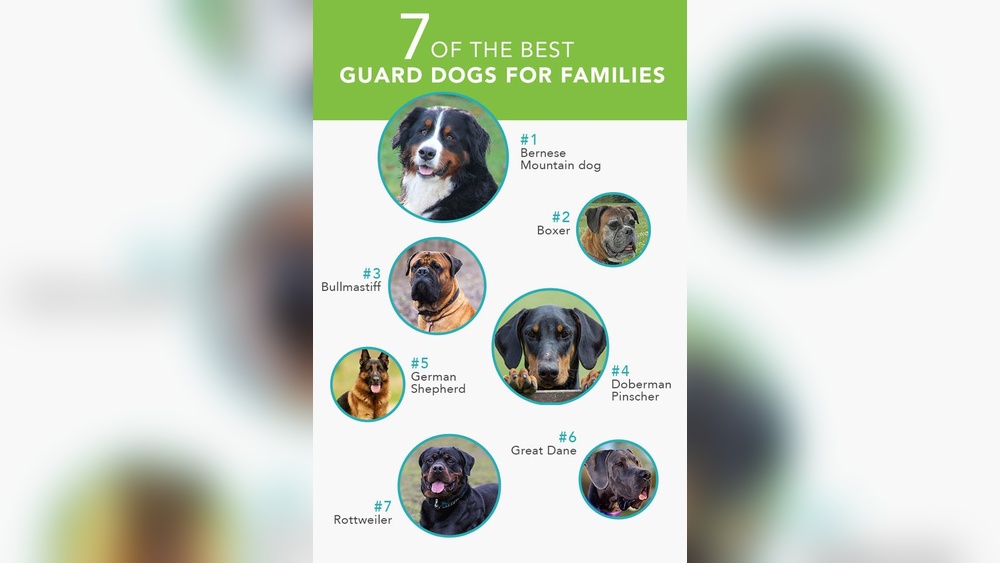
Are you looking for the best dog to protect your family? Choosing the right dog is more than just picking a breed—it’s about finding a loyal friend who can keep your loved ones safe.
Imagine coming home knowing your dog is always alert, ready to guard your home, and loving every member of your family. You’ll discover which dogs are top protectors and why they make the perfect family guardians. Keep reading to find the dog that fits your home and gives you peace of mind every day.
Credit: www.countryliving.com
Traits Of Protective Dogs
Protective dogs have special traits that help keep families safe. These dogs watch over their homes with care. They form strong bonds with their owners. Their actions often prevent danger before it happens.
Understanding these traits helps in choosing the right dog for protection. Each protective dog shows loyalty, alertness, and a willingness to learn. These qualities make them great family guardians.
Loyalty And Bonding
Protective dogs deeply love their families. They stay close and guard their loved ones. This strong bond makes them trust their family members. They feel a duty to protect those they care about. Loyalty helps dogs sense danger quickly and act fast.
Alertness And Vigilance
Protective dogs stay alert at all times. They notice strange sounds and movements easily. Their sharp senses keep the family safe. Vigilance means they watch over the home without rest. This trait helps dogs warn families about threats early.
Trainability And Obedience
Protective dogs learn commands quickly. They listen well to their owners. Good training helps them follow rules strictly. Obedient dogs respond fast in emergencies. This makes them reliable protectors in any situation.
Top Protective Dog Breeds
Protective dog breeds are known for their loyalty and strong guarding instincts. They keep families safe with alertness and courage. Choosing the right breed means finding a dog that fits your home and lifestyle. These dogs are great companions and reliable protectors.
German Shepherd
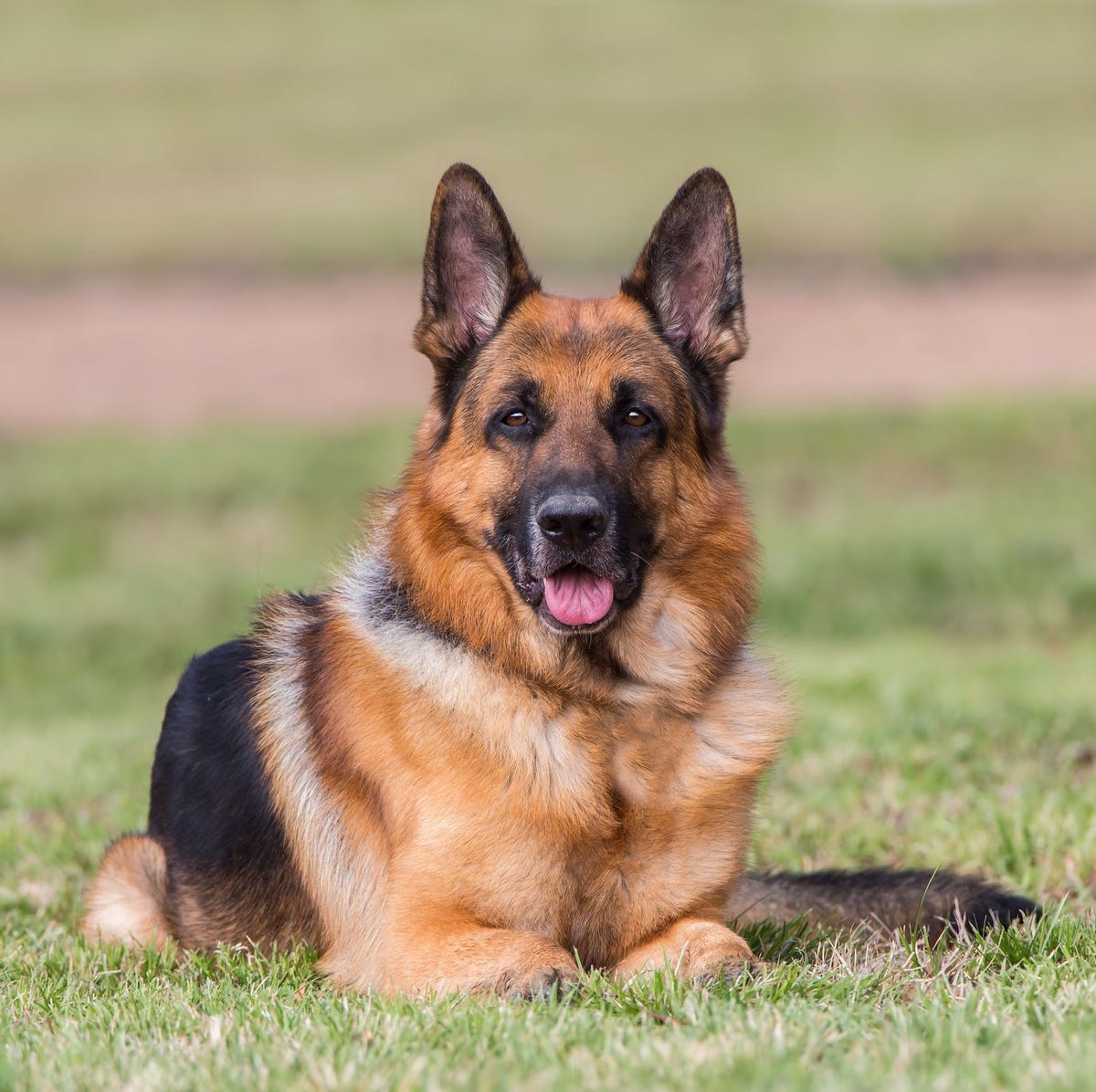
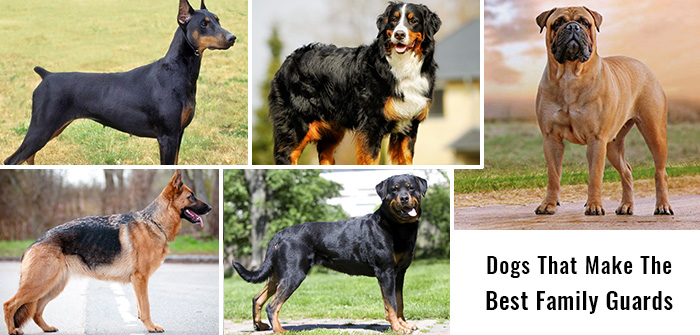
German Shepherds are smart and highly trainable. They learn commands quickly and respond well. These dogs are brave and watchful. They protect family members with great loyalty. Their strong build helps them guard well. German Shepherds also enjoy family activities and play.
Rottweiler
Rottweilers are powerful and confident dogs. They have a natural instinct to guard. Rottweilers are calm but alert to danger. They bond deeply with their families. Proper training is important for their behavior. These dogs need space to stay happy.
Doberman Pinscher
Dobermans are fast and intelligent protectors. They stay close to their family at all times. Dobermans are fearless and make excellent watchdogs. They require regular exercise to stay healthy. These dogs respond well to consistent training. Their sleek appearance matches their strong nature.
Bullmastiff
Bullmastiffs are large and powerful guardians. They are gentle with family but firm with strangers. Bullmastiffs have a calm and steady temperament. They protect without needing much noise. These dogs need space and regular walks. Their loyalty makes them great family dogs.
Belgian Malinois
Belgian Malinois are energetic and smart protectors. They excel in obedience and police work. These dogs are alert and quick to react. Belgian Malinois need mental and physical challenges daily. They form strong bonds with their owners. Their agility helps them guard effectively.
Choosing The Right Breed For Your Family
Choosing the right dog breed is important for family safety and happiness. Each breed has unique traits. Some are protective, others gentle and calm. Matching a dog’s nature with your family’s needs creates a strong bond. Careful thought helps find a dog that fits your life well.
Family Size And Lifestyle
Consider how many people live in your home. Large families may need a dog that is patient and social. Small families might choose a breed that bonds closely with fewer people. Active families benefit from energetic dogs that enjoy play and exercise. Quiet families may prefer calm breeds that relax indoors. The dog should fit your daily routines and energy levels.
Living Environment
Think about where you live. A big yard suits larger, active dogs well. Apartments call for smaller breeds with moderate energy. Dogs need space to move and play. Noise and neighbors also matter. Some dogs bark more, which can cause issues in close communities. Choose a dog that fits your home and surroundings comfortably.
Experience With Dogs
Your experience with dogs affects your choice. First-time owners might prefer breeds that are easy to train and gentle. Experienced owners can handle strong-willed or protective breeds. Knowing dog care basics helps prevent problems. Some dogs need consistent training and socialization. Pick a breed that matches your skill level for a happy family life.
:strip_icc()/GettyImages-93440349-3eaa4bfe54e24565bac54b54e6f255e3.jpg)
Credit: www.thesprucepets.com
Training Tips For Protective Dogs
Training a protective dog takes patience and care. These dogs have strong instincts. Proper training helps them protect without causing problems. Teaching clear rules keeps your family safe. It also makes your dog happy and confident.
Early Socialization
Start socializing your dog as early as possible. Introduce them to different people and places. This helps them know who is friend or stranger. Social dogs stay calm in new situations. Early socialization reduces fear and aggression.
Consistent Commands
Use the same commands every time. Dogs learn best with clear and steady rules. Keep your words short and simple. Consistency helps your dog understand what you want. This builds trust and good behavior.
Positive Reinforcement
Reward your dog for good actions. Use treats, praise, or playtime as rewards. Positive reinforcement teaches dogs to repeat good behavior. Avoid punishment; it can cause fear or aggression. Good training creates a strong bond with your dog.
Safety And Responsibility
Choosing the best dog to protect your family involves more than just size or breed. Safety and responsibility are key to a happy home. A protective dog needs care, training, and attention. This keeps both your family and dog safe. Understanding what it takes helps you provide a safe environment for everyone.
Proper Exercise And Care
Protective dogs need daily exercise to stay healthy and alert. Walks, playtime, and mental challenges keep them strong. Regular grooming and vet visits prevent health problems. A tired dog is less likely to act aggressively without reason. Proper care also builds a strong bond between you and your dog.
Understanding Dog Behavior
Knowing how dogs show emotions helps prevent misunderstandings. Watch for signs of stress or fear. These can lead to unwanted aggression. Training teaches your dog how to behave around strangers. Socializing your dog from a young age helps it feel calm in new places. Understanding behavior keeps your family and dog safe.
Legal Considerations
Owning a protective dog comes with legal duties. Some breeds have restrictions in certain areas. Learn about local laws before choosing a dog. Proper training reduces risks of legal problems. Always keep your dog under control in public. Respecting laws protects your family and your dog’s future.
Credit: therapieeck-lienz.at
Frequently Asked Questions
Which Dog Breeds Are Best For Family Protection?
Popular protective dog breeds include German Shepherds, Rottweilers, and Doberman Pinschers. These dogs are loyal, alert, and easy to train. They provide excellent guard instincts while being loving family companions.
How Do Protective Dogs Safeguard Families?
Protective dogs alert owners to danger through barking and body language. They can deter intruders with their presence. Many are trained to respond to threats, offering both emotional and physical security.
Are Protective Dogs Good With Children?
Yes, many protective breeds are gentle and patient with kids. Proper training and socialization ensure they behave well around family members. Choosing a breed with a calm temperament is key.
What Training Is Needed For Family Protection Dogs?
Protective dogs require obedience and socialization training. Specialized guard training enhances their ability to protect without being aggressive. Consistent, positive reinforcement builds trust and control.
Conclusion
Choosing the best dog to protect your family means finding a loyal friend. These dogs offer safety and love together. Training and care help them stay strong and alert. Remember, every family is different. Pick a dog that fits your home and lifestyle.
A well-chosen dog brings peace and comfort every day. Trust grows with time and attention. Your family’s safety is worth the effort. Keep your dog happy, healthy, and well-trained. This bond makes your home a safer place.