
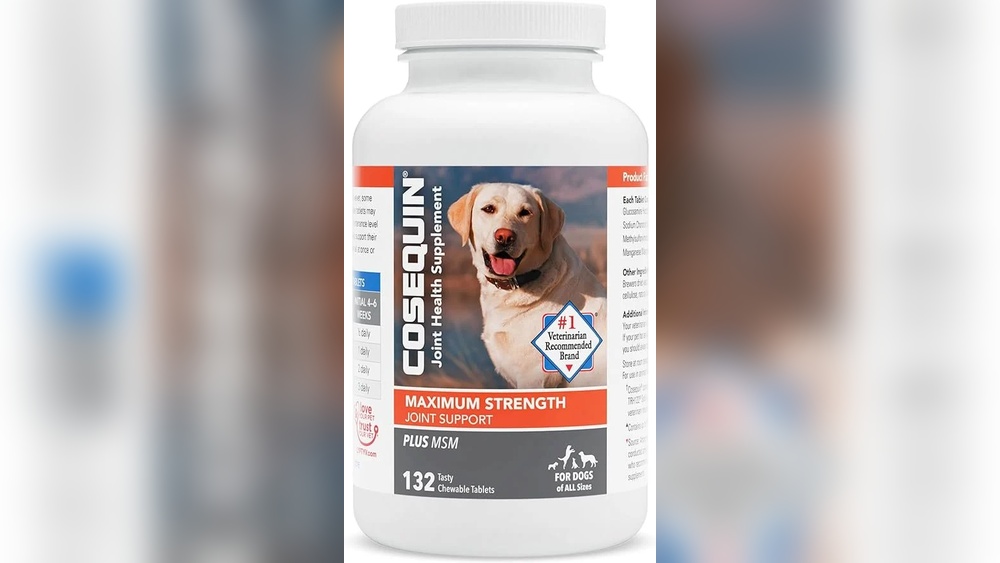
If your dog struggles with hip dysplasia, you know how heartbreaking it can be to see them in pain or discomfort. You want to do everything possible to help your furry friend move more easily and enjoy life again.
The right supplements can make a real difference in supporting joint health and easing those stiff, achy hips. You’ll discover the best dog supplements designed specifically for hip dysplasia. Keep reading to learn how you can improve your dog’s quality of life and help them feel their best every day.
Credit: www.simonvetsurgical.com
Causes And Symptoms Of Hip Dysplasia
Hip dysplasia is a common joint problem in dogs. It affects the hip joint and causes pain and difficulty moving. Understanding the causes and symptoms helps in early detection and treatment. This can improve your dog’s quality of life.
Genetic Factors
Hip dysplasia often runs in certain dog breeds. Large breeds like German Shepherds and Labradors have a higher risk. Genes passed from parents can weaken the hip joint. This makes the joint loose and unstable. Poor breeding practices increase the chance of hip problems.
Signs To Watch For
Watch for limping or stiffness in your dog’s back legs. Your dog may struggle to stand up or jump. Notice if your dog is less active or reluctant to exercise. Sometimes, a “bunny hop” gait appears when running. These signs can indicate hip dysplasia.
Impact On Mobility
Hip dysplasia causes pain and reduces movement. Dogs may have trouble walking or climbing stairs. Over time, the joint can become arthritic and very painful. This limits your dog’s ability to play and exercise. Proper care and supplements can support joint health and ease discomfort.
Key Nutrients For Joint Health
Good joint health is vital for dogs with hip dysplasia. The right nutrients support cartilage repair and reduce pain. Supplements with key ingredients help keep joints flexible and strong. Understanding these nutrients helps you choose the best supplements for your dog.
Glucosamine And Chondroitin
Glucosamine supports cartilage health and slows joint damage. It helps produce the substances needed to repair cartilage. Chondroitin works alongside glucosamine to prevent cartilage breakdown. Together, they reduce inflammation and improve joint function. These two nutrients are common in joint supplements for dogs.
Omega-3 Fatty Acids
Omega-3 fatty acids reduce inflammation in the joints. They come mainly from fish oil and flaxseed oil. These fats help ease pain and stiffness in dogs with hip dysplasia. Omega-3 also supports overall heart and skin health. Regular intake can improve mobility and comfort in affected dogs.
Antioxidants And Vitamins
Antioxidants protect joint cells from damage caused by stress. Vitamins like C and E fight free radicals that worsen joint problems. These nutrients support the immune system and help tissue repair. They also reduce swelling and improve joint health over time. Including antioxidants and vitamins in supplements aids recovery.
Top Supplements For Hip Dysplasia
Hip dysplasia can cause pain and stiffness in dogs. Supplements help support joint health and ease discomfort. Choosing the right supplement can improve your dog’s mobility and quality of life. Below are some top options to consider for hip dysplasia care.
Joint Support Formulas
These supplements often contain glucosamine and chondroitin. They help rebuild cartilage and reduce joint pain. Many formulas include MSM, which lowers inflammation. Regular use can improve joint flexibility and movement. These are widely available and safe for most dogs.
Natural Remedies
Natural supplements use ingredients like turmeric and omega-3 fatty acids. Turmeric has anti-inflammatory properties that soothe joints. Omega-3s support healthy cartilage and reduce swelling. These options are gentle and can be combined with other treatments. They work well for mild to moderate hip dysplasia symptoms.
Prescription Options
Some dogs need stronger supplements prescribed by vets. These may include specific doses of pain relievers or joint protectors. Prescription supplements target severe inflammation and pain. Your vet will recommend the best choice based on your dog’s condition. Always follow veterinary advice for prescription use.

Credit: bullybeds.com
Choosing The Right Supplement
Choosing the right supplement for your dog’s hip dysplasia is very important. The right supplement can help reduce pain and improve joint health. Not all supplements are the same. It is essential to find one that fits your dog’s specific needs. Pay attention to dosage, ingredients, and safety. Always talk to your vet before starting any new supplement.
Dosage And Safety
Follow the recommended dosage on the label carefully. Giving too much can harm your dog. Too little may not work well. Watch for any side effects like vomiting or diarrhea. Stop the supplement if your dog shows any problems. Keep supplements out of reach of children and pets. Safety is the top priority when treating hip dysplasia.
Quality And Ingredients
Choose supplements with high-quality ingredients. Look for natural components like glucosamine, chondroitin, and omega-3 fatty acids. These help support joint health and reduce inflammation. Avoid supplements with fillers or artificial additives. Check for third-party testing or certifications. High-quality products usually have better results and fewer risks.
Consulting Your Veterinarian
Your vet knows your dog’s health history best. Ask for advice before buying any supplement. They can recommend products based on your dog’s condition. Your vet can also monitor your dog’s progress. Regular check-ups help adjust treatment if needed. Trust your vet’s guidance to keep your dog safe and comfortable.
Additional Care Tips
Managing hip dysplasia in dogs needs more than just supplements. Proper care helps reduce pain and improve joint health. These tips support your dog’s mobility and comfort daily.
Exercise And Weight Management
Regular, gentle exercise keeps joints flexible and muscles strong. Short walks and swimming work well. Avoid high-impact activities that stress the hips.
Keeping your dog at a healthy weight reduces pressure on joints. Excess weight makes hip problems worse. Feed balanced meals and monitor food intake carefully.
Physical Therapy Options
Physical therapy helps improve joint function and reduce pain. Techniques like massage, hydrotherapy, and stretching support recovery. Consult a vet or a certified animal therapist for guidance.
Therapy sessions can increase mobility and slow disease progression. Consistency is key to seeing benefits from physical therapy.
Dietary Considerations
Nutritious food supports joint health and overall well-being. Diets rich in omega-3 fatty acids reduce inflammation. Include fish oil or flaxseed supplements if recommended by your vet.
Antioxidants found in fruits and vegetables protect joint tissues. Choose high-quality dog food with balanced nutrients to aid healing.

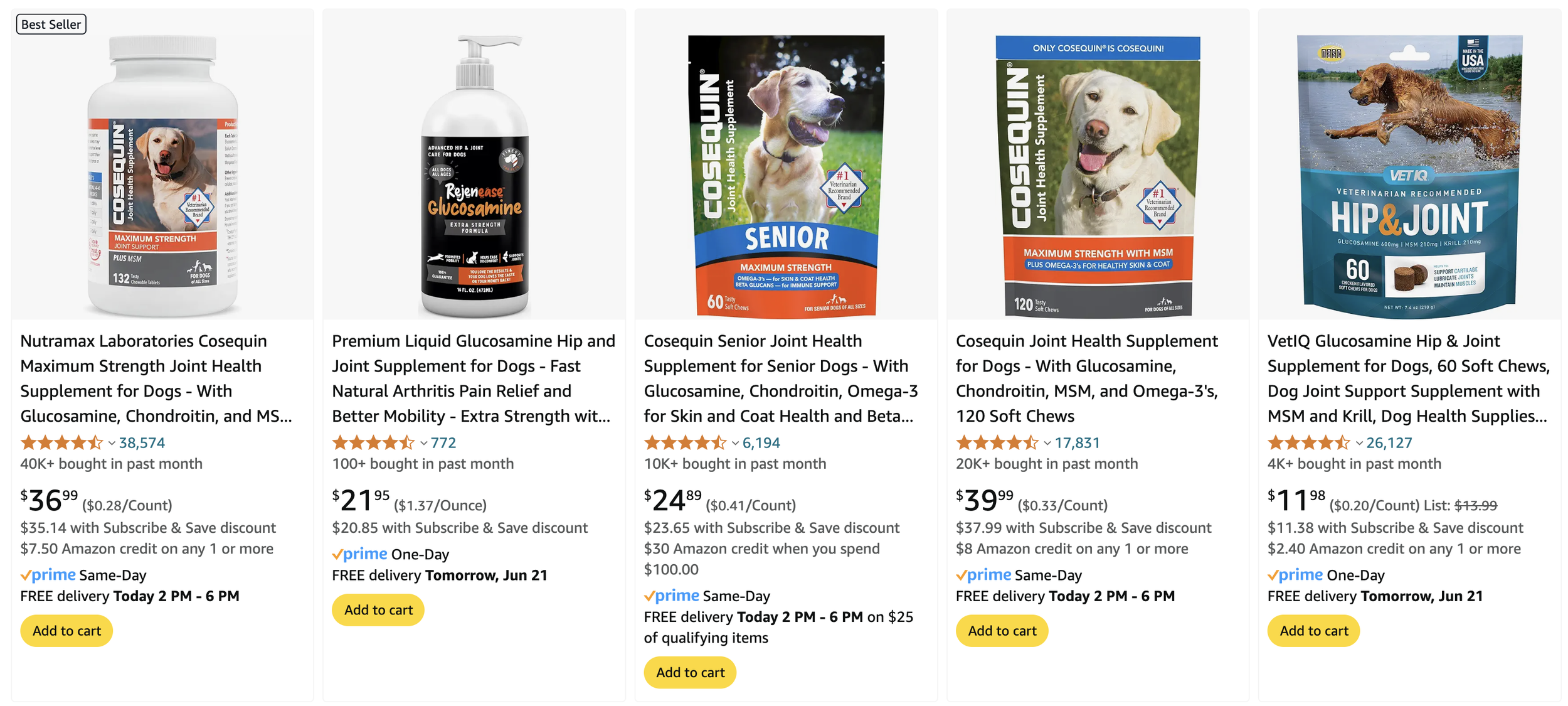
Credit: www.amazon.com
Frequently Asked Questions
What Are The Best Supplements For Dog Hip Dysplasia?
Glucosamine, chondroitin, and omega-3 fatty acids are top supplements. They support joint health, reduce inflammation, and improve mobility in dogs with hip dysplasia.
How Do Glucosamine Supplements Help Dogs?
Glucosamine promotes cartilage repair and slows joint damage. It helps reduce pain and stiffness in dogs suffering from hip dysplasia.
Can Omega-3 Fatty Acids Improve Hip Dysplasia Symptoms?
Yes, omega-3s reduce joint inflammation and improve flexibility. They support overall joint health and help ease discomfort in affected dogs.
Are Natural Supplements Effective For Hip Dysplasia In Dogs?
Natural supplements like turmeric and green-lipped mussel have anti-inflammatory properties. They can complement traditional treatments to enhance joint function and comfort.
Conclusion
Choosing the right supplements can help ease your dog’s hip pain. Supplements support joint health and improve mobility. Consistency matters; give them as directed by your vet. Watch your dog’s comfort and energy levels closely. Good care and proper supplements can make a big difference.
Keep learning about new options and stay in touch with your vet. Your dog deserves a happy and active life. Small steps lead to better days for your furry friend.


