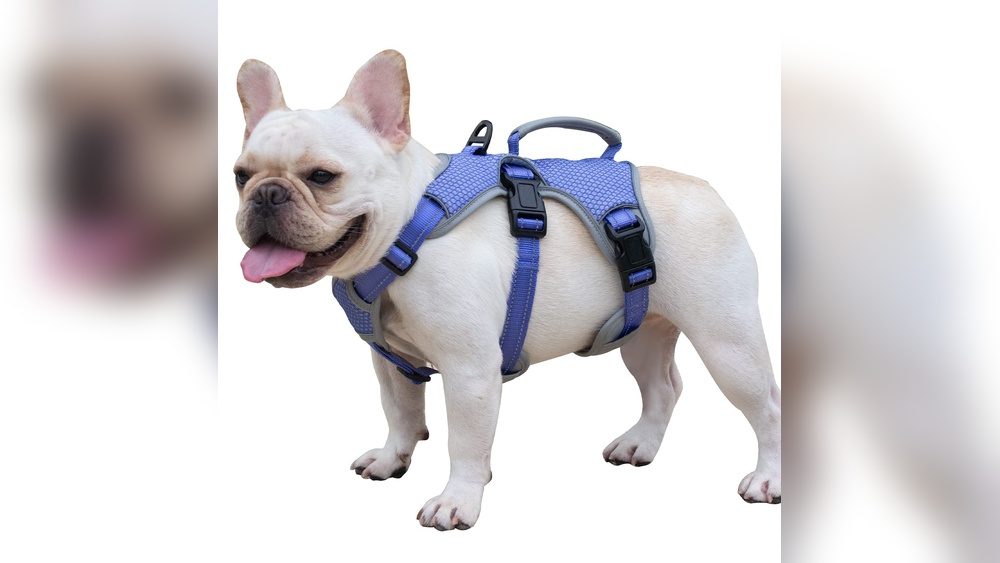
If your dog has a knack for slipping out of collars and running off, you know how stressful it can be. You want to keep your furry friend safe without causing discomfort or restricting their movement.
Finding the best dog harness for an escape artist is key to giving you peace of mind during every walk or outing. You’ll discover proven harnesses designed to stay secure even with the cleverest escape artists. Keep reading to find the perfect fit that will keep your dog safe and you worry-free.
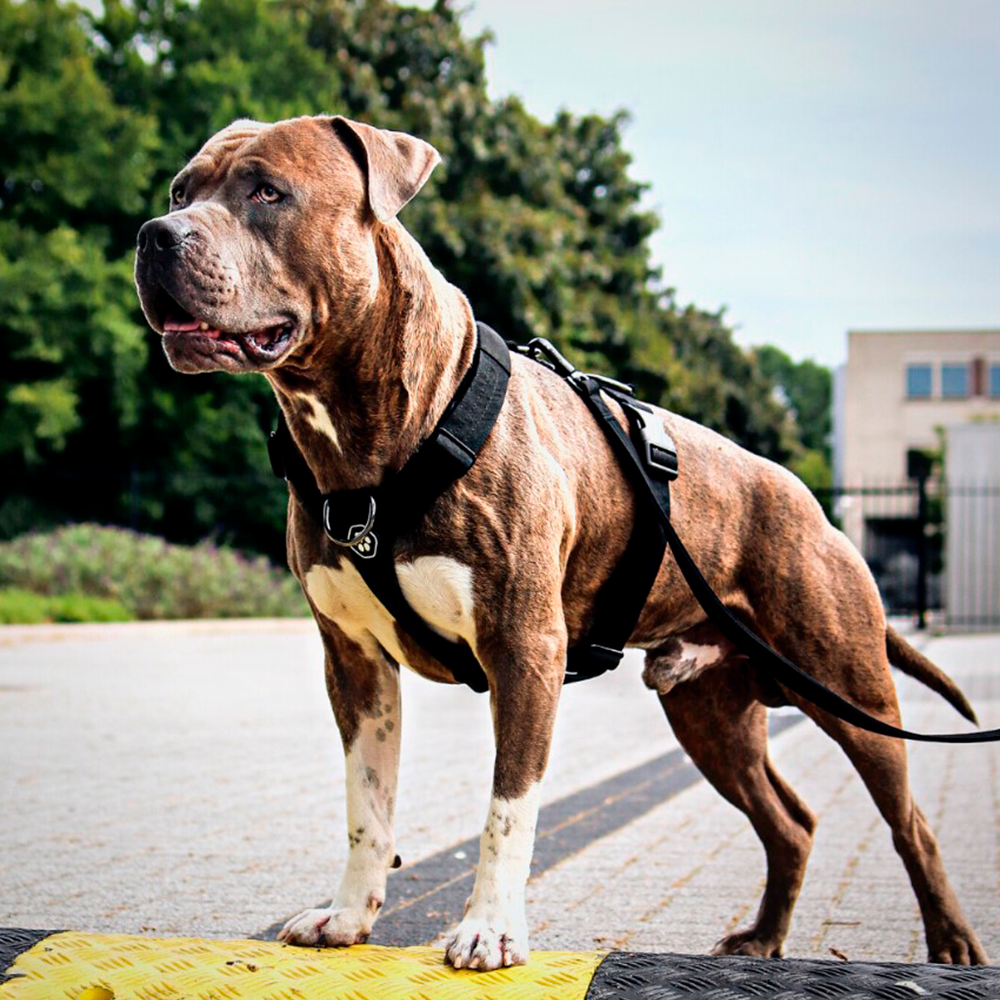
Credit: www.sparkpaws.com
Why Dogs Escape Harnesses
Many dog owners face the challenge of dogs slipping out of their harnesses. Escape artists are dogs that find ways to break free. They may wiggle, twist, or back out of the harness. This behavior makes walks unsafe and stressful for owners. Understanding why dogs escape helps choose the right harness. The right harness keeps dogs secure and comfortable.
Common Escape Behaviors
Dogs try different moves to escape. They pull hard and twist their bodies. Some dogs back out by stepping backward. Others use their heads to push through openings. Chewing on the harness is another trick. These actions show how clever escape artists can be.
Traits Of Escape Artists
Escape artists often have high energy levels. They are curious and want to explore everywhere. These dogs may feel anxious or scared. They want to run away from things that bother them. Small or slim dogs can slip out more easily. Strong and smart dogs find weak spots in harnesses fast.
Risks Of Insecure Harnesses
An insecure harness puts dogs in danger. They can run into traffic or get lost. Escape may cause injuries or accidents. Owners feel worried and helpless. Losing a dog can cause big emotional pain. Using a secure harness lowers these risks a lot.
Key Features Of Secure Harnesses
Secure harnesses are essential for dogs that try to escape. They keep your dog safe and comfortable. Good harnesses stop dogs from slipping out. They also allow you to control your dog easily. Key features make these harnesses reliable and strong. Understanding these features helps you pick the best harness for your escape artist.
Adjustable Straps And Fit
Adjustable straps help the harness fit your dog perfectly. A good fit stops the dog from slipping out. Straps should be easy to tighten or loosen. They must fit snugly but not too tight. This keeps your dog comfy during walks. Proper adjustment means the harness grows with your dog.
Durable Materials
Durable materials ensure the harness lasts long. Strong fabrics resist chewing and pulling. Stitching should be tough and well-done. Metal or heavy-duty plastic buckles hold better than cheap ones. Materials that dry fast help keep your dog clean. A strong harness stands up to active dogs.
Multiple Points Of Control
Multiple points of control give you better handling. You can attach the leash in more than one place. Front and back leash attachments help guide your dog. These points reduce pulling and improve control. They help manage escape artists during walks. More control means fewer chances to slip away.
Top Harness Styles For Escape Artists
Escape artist dogs need harnesses that keep them safe and secure. Choosing the right style helps stop slipping out. The best harnesses fit well and control pulling.
Different harness styles work better for different dogs. Here are the top styles that help catch escape artists.
No-pull Harnesses
No-pull harnesses reduce pulling and make walks calmer. They often have a front clip to steer your dog. This design helps control strong pullers and keeps dogs close. No-pull harnesses fit snugly and lower the chance of escape. They are great for dogs who try to run away when pulling.
Vest Harnesses
Vest harnesses cover more of the dog’s body than regular harnesses. They are soft and comfortable, like wearing a jacket. The wide design stops dogs from slipping out easily. Vest harnesses spread pressure over the chest and back. They suit escape artists who are small or thin. Many vest styles have extra straps to tighten the fit.
Front Clip Harnesses
Front clip harnesses have a leash ring on the chest. This helps guide your dog’s head and reduce pulling. It gives more control during walks and stops sudden lunges. Front clip harnesses help dogs feel less free to run off. They work well for dogs who pull and try to break free. The front clip encourages better walking behavior.
How To Choose The Right Harness
Choosing the right harness for your escape artist dog is very important. The right fit keeps your dog safe and comfortable. It also stops them from slipping out and running away. Many dogs try to escape harnesses that do not fit well or are weak. This guide will help you pick the best harness for your dog’s needs.
Measuring Your Dog
Start by measuring your dog’s chest and neck. Use a soft tape measure for accuracy. Measure the widest part of the chest, just behind the front legs. Measure around the neck where the collar usually sits. These measurements help find a harness that fits snugly but not tight. A good fit reduces slipping and escapes.
Considering Activity Level
Think about your dog’s daily activities. Active dogs need strong, durable harnesses. Hiking or running dogs benefit from padded and breathable materials. Less active dogs may do well with simple, lightweight harnesses. Choose a harness that matches your dog’s energy and movement.
Material Preferences
Choose a material that suits your dog’s comfort and your needs. Nylon harnesses are light and easy to clean. Leather harnesses are strong but may be heavier. Mesh harnesses offer breathability for hot weather. Check for smooth edges to avoid skin irritation. The right material helps your dog feel good and stay secure.
Tips To Prevent Harness Escape
Preventing your dog from escaping the harness is key to safe walks. Escape artists need special care and attention. Small mistakes can let them slip out easily. Follow these tips to keep your dog secure and comfortable.
Proper Harness Adjustment
A well-fitted harness stops your dog from slipping out. Check the straps around the chest and neck. They should be snug but not tight. You must be able to fit two fingers under the strap. Loose harnesses give dogs room to wiggle free. Adjust the harness each time before walks.
Training And Behavior Management
Train your dog to accept the harness calmly. Use treats and praise to create good habits. Teach commands like “stay” and “wait” near the door. Practice wearing the harness indoors first. Avoid pulling or jerking on the leash. Calm dogs are less likely to panic and escape.
Routine Harness Checks
Inspect the harness regularly for wear and tear. Broken clips or frayed straps can fail unexpectedly. Replace damaged parts or the whole harness as needed. Check the fit often, especially with growing puppies. Clean the harness to prevent skin irritation. A well-maintained harness keeps your dog safe.
Recommended Harness Brands
Choosing the right harness is key for dogs that try to escape. Some brands focus on safety and durability. Others balance quality with price. Many dog owners trust specific brands for their escape artist pets. Below are recommended harness brands sorted by type and preference.
High-security Options
Brands like Ruffwear and Kurgo offer strong, escape-proof harnesses. They use tough materials and secure buckles. Their designs prevent dogs from slipping out easily. These harnesses often have extra straps for better control. Ideal for dogs that slip out of regular harnesses.
Budget-friendly Choices
Brands such as Voyager and PetSafe provide good quality at lower prices. These harnesses use durable nylon and solid clips. They may not have all the features but keep dogs safe. Perfect for owners on a budget who want reliable protection.
Customer Favorites
Many dog owners praise the Puppia and Blue-9 brands. These harnesses fit well and limit movement to stop escapes. They have soft padding for comfort and strong hardware. Positive reviews highlight their effectiveness and ease of use.
Harness Maintenance And Care
Proper harness maintenance and care keeps your dog safe and comfortable. A well-kept harness lasts longer and works better. This is important for dogs who try to escape. Regular care stops damage and wear.
Cleaning Guidelines
Clean the harness after every few uses. Use mild soap and warm water. Avoid harsh chemicals that can harm the material. Hand wash is best to keep straps strong. Let the harness air dry fully before reuse. Avoid machine drying to prevent shrinking or damage.
Inspecting For Wear
Check the harness before each walk. Look for frayed edges, torn fabric, or loose stitching. Inspect buckles and clips for cracks or breaks. Test all parts to ensure they work well. A damaged harness can let your dog escape. Replace or repair worn parts immediately.
When To Replace
Replace the harness if it shows major wear. Broken buckles or torn straps mean it is unsafe. Also, change the harness if it no longer fits your dog. A loose harness lets your dog slip out easily. Regularly updating the harness keeps your dog secure and happy.

Credit: www.thedogoutdoors.com
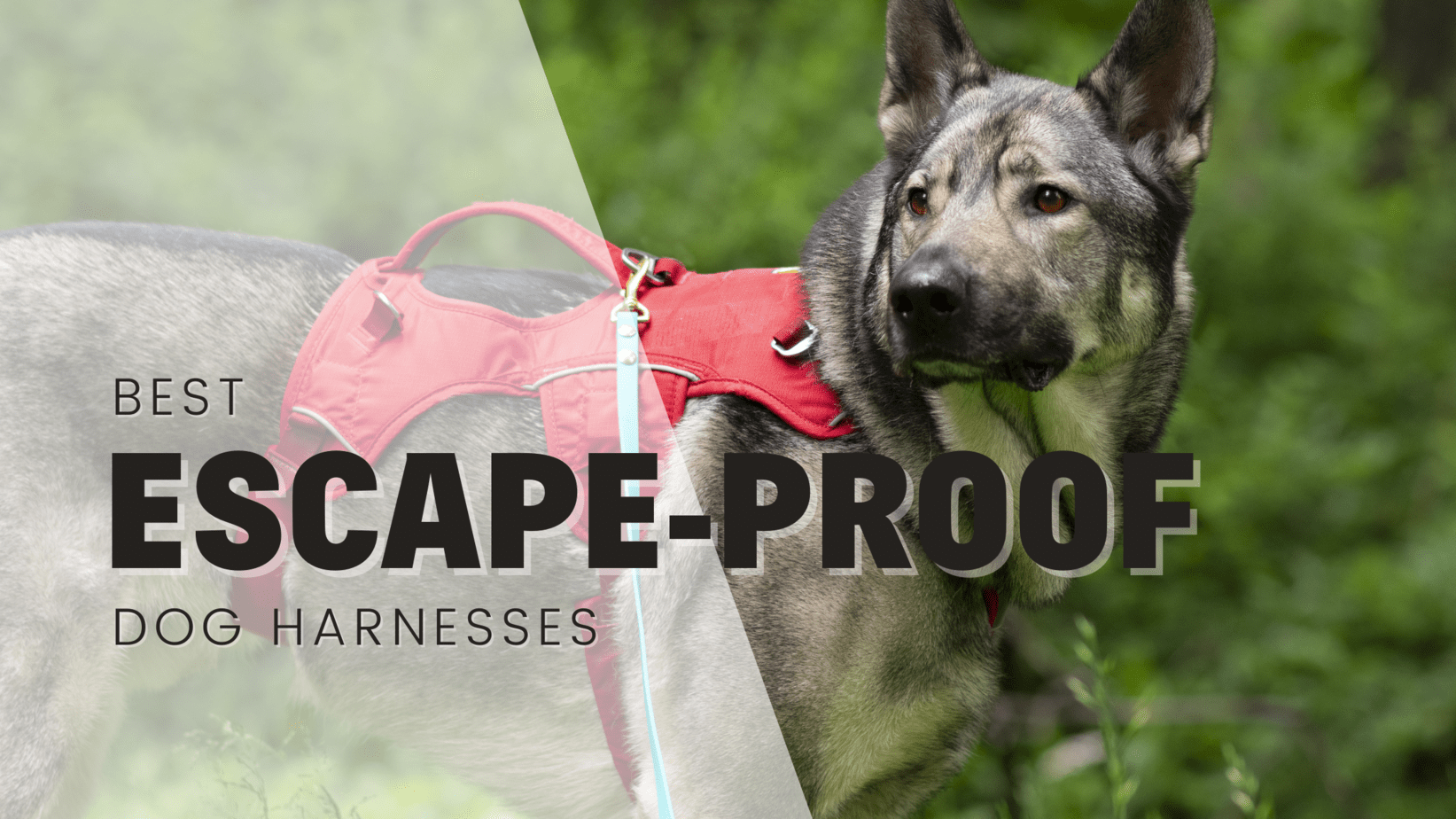
Credit: rebarkable.com
Frequently Asked Questions
What Makes A Dog Harness Escape-proof?
An escape-proof dog harness has secure straps and strong buckles. It fits snugly without causing discomfort. Durable materials prevent chewing or tearing. Proper design limits dog’s ability to slip out, providing better control and safety during walks.
Which Harness Style Is Best For Escape Artists?
Front-clip harnesses with padded chest plates work well. They reduce pulling and improve control. Step-in harnesses with multiple adjustment points also prevent escapes. Look for models designed specifically for strong or sneaky dogs.
How To Measure My Dog For The Perfect Harness?
Measure around your dog’s chest, just behind the front legs. Also measure the neck circumference where the collar normally sits. Use a flexible tape for accuracy. Check the manufacturer’s sizing chart to find the best fit.
Can Escape-proof Harnesses Prevent Leash Pulling?
Yes, many escape-proof harnesses help reduce pulling. Front-clip designs redirect the dog’s motion towards you. This discourages pulling and improves walk control. Combining harness use with training enhances results.
Conclusion
Choosing the right dog harness keeps your escape artist safe. A good harness fits well and stays secure. It helps you control your dog easily. Comfort matters so your dog enjoys walks more. Durable materials prevent quick wear and tear.
Try different styles to find the best fit. Trust your choice and enjoy stress-free outings. Happy walks start with the perfect harness. Keep your dog safe, happy, and close.