
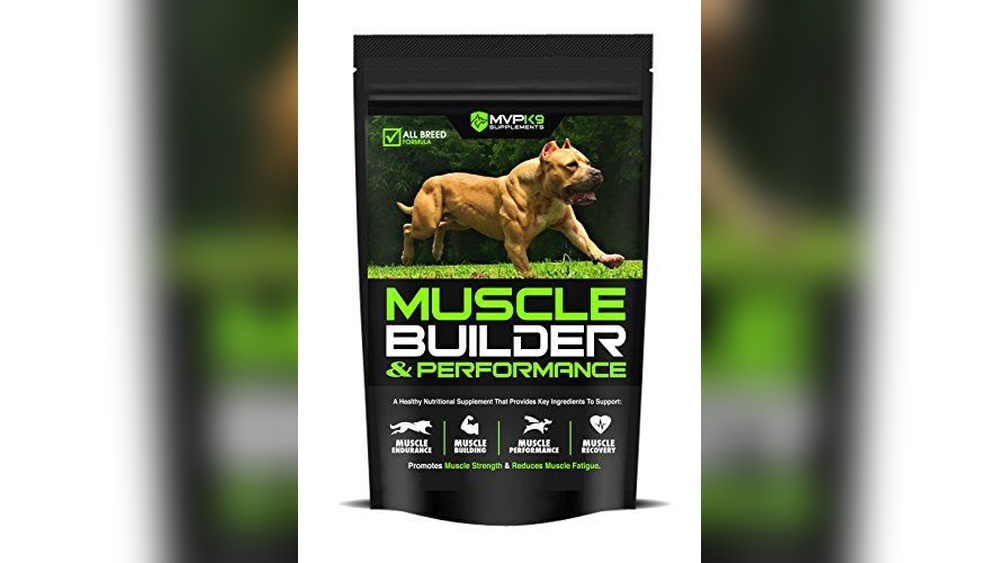
Are you worried that your Pit Bull isn’t gaining the weight it should? You want your dog to be strong, healthy, and full of energy, but finding the right food can feel overwhelming.
Choosing the best dog food to help your Pit Bull put on weight doesn’t have to be confusing. You’ll discover simple, effective options that support your dog’s muscle growth and overall health. Keep reading to learn how to give your Pit Bull the nutrition it needs to thrive.
Credit: www.sancrimea.ru
Why Pit Bulls Need Weight Gain
Pit Bulls are strong and muscular dogs. They need good body weight to stay healthy and active. Some Pit Bulls may struggle to gain weight because of their fast metabolism or health problems.
Maintaining a healthy weight helps them build muscle and have more energy. It also supports their immune system and overall well-being. Feeding the right dog food can help Pit Bulls gain weight safely and steadily.
Common Causes Of Low Weight
Several reasons can make a Pit Bull underweight. Poor diet or not eating enough food is one cause. Some dogs have a high metabolism that burns calories quickly.
Health issues like parasites, infections, or digestive problems can stop weight gain. Stress and anxiety also reduce appetite in Pit Bulls. Understanding the cause is key to helping them gain weight.
Health Risks Of Underweight Pit Bulls
Underweight Pit Bulls face many health problems. They can have weak muscles and low energy. Their bones may become fragile and prone to injury.
Low weight weakens the immune system. This makes them more likely to get sick. It can also affect their skin and coat health. Gaining weight improves their strength and life quality.
Key Nutrients For Weight Gain
Gaining weight for Pit Bulls needs the right nutrients. These nutrients help build muscle and store healthy fat. A good diet with these key elements supports safe and steady weight gain. Each nutrient plays a special role in your dog’s health and energy.
High-quality Proteins
Protein is the building block of muscles. High-quality proteins help repair and grow muscle tissue. Choose meats like chicken, beef, or fish. These provide essential amino acids your Pit Bull needs. Protein also helps keep your dog strong and active.
Healthy Fats
Fats are a dense source of energy. Healthy fats help your dog gain weight without extra volume. Look for fats from fish oil, flaxseed, or chicken fat. These fats support skin and coat health. They also improve brain function and energy levels.
Essential Carbohydrates
Carbohydrates give your dog quick energy. Good carbs come from brown rice, sweet potatoes, and oats. These provide fiber to keep digestion smooth. Carbs help maintain energy during play and exercise. Avoid fillers like corn and wheat, which offer little nutrition.
Vitamins And Minerals
Vitamins and minerals support overall health. Calcium and phosphorus build strong bones and teeth. Vitamins A, C, and E boost immunity and skin health. A balanced supply of these nutrients keeps your Pit Bull healthy and happy. They also aid in muscle recovery and growth.
Top Dog Foods For Weight Gain
Choosing the right food helps Pit Bulls gain healthy weight. Foods rich in protein and fats support muscle growth and energy. Balanced nutrition keeps your dog strong and active. Here are some top dog food options for weight gain.
Dry Kibble Options
Dry kibble with high protein and fat works well. Look for formulas designed for active or working dogs. These contain more calories per cup than regular dog food. Kibble is easy to store and measure for feeding. It also helps keep teeth clean by reducing plaque buildup.
Wet And Canned Foods
Wet foods have higher moisture and rich flavors. They are often more appealing to picky eaters. Canned foods usually contain more fat and protein. Mixing wet food with dry kibble can increase calorie intake. Wet food also helps keep your Pit Bull hydrated.
Raw And Homemade Diets
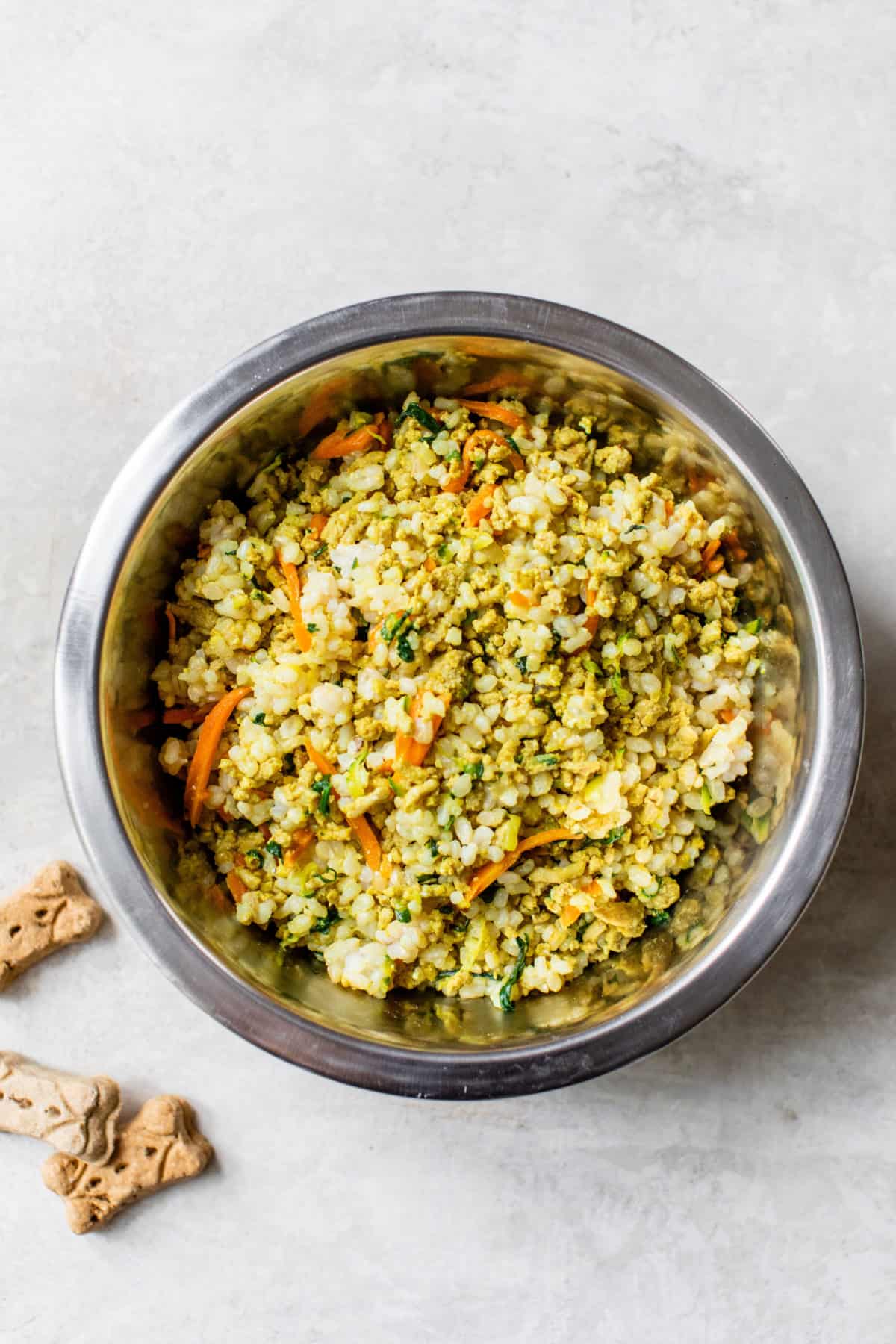
Raw diets include fresh meat, bones, and vegetables. They offer natural nutrients and healthy fats for weight gain. Homemade meals let you control ingredients and quality. Use lean meats, healthy oils, and carbs like rice or sweet potatoes. Consult a vet to ensure balanced nutrition and safety.

Credit: www.youtube.com
Homemade Additives To Boost Calories
Boosting your Pit Bull’s weight at home can be simple with the right additives. Homemade calorie boosters help increase energy intake without unhealthy fillers. These additives support muscle growth and overall health. Small changes in meals can make a big difference.
Healthy Oils And Fats
Oils are a rich calorie source for Pit Bulls. Coconut oil and olive oil add healthy fats and shine to the coat. Fish oil contains omega-3s that reduce inflammation and support joints. Add a teaspoon of oil to meals for extra calories and nutrients.
Protein-rich Supplements
Protein helps build muscle and repair tissue. Adding cooked eggs or plain Greek yogurt can increase protein intake. Cottage cheese is another good option, high in protein and easy to digest. Avoid processed meats or anything with added salt.
Safe Carbohydrate Sources
Carbohydrates provide energy to active Pit Bulls. Sweet potatoes and pumpkin are gentle on the stomach and full of fiber. Brown rice offers steady energy and important nutrients. These carbs improve digestion and help maintain a healthy weight.
Feeding Tips For Gaining Weight
Feeding a Pit Bull to gain weight needs care and attention. Proper feeding helps your dog build muscle and stay healthy. Small changes in meal habits can make a big difference in weight gain. Let’s explore tips to feed your Pit Bull for steady weight gain without harm.
Meal Frequency And Portion Size
Feed your Pit Bull multiple small meals a day. Three to four meals work best for steady energy and weight gain. Smaller meals are easier to digest and reduce stomach upset.
Increase portion size gradually. Add a little more food each day until your dog gains weight. Use high-quality dog food with good protein and fat content. Avoid sudden large meals to prevent digestive issues.
Monitoring Progress
Weigh your Pit Bull weekly to track weight changes. Note energy levels and coat condition as health signs. Keep a feeding journal to record food amounts and reactions.
Adjust food amounts based on weight and activity. Consult a vet if weight gain stops or if health problems appear. Regular monitoring helps avoid overfeeding or underfeeding.
Avoiding Overfeeding Risks
Overfeeding can cause obesity and health problems. Avoid giving too many treats or human food. Stick to the recommended portion sizes and meal frequency.
Watch for signs of discomfort or bloating. Stop feeding extra food if your dog shows these signs. Balanced feeding ensures safe and healthy weight gain for your Pit Bull.
:strip_icc()/sps-tier-3-primary-best-dog-food-weight-loss-ahuang-037-ce3edd322a1345f4b574389ec94f28b1.jpeg)
Credit: www.thesprucepets.com
When To Consult A Veterinarian
Knowing when to consult a veterinarian is important for your Pit Bull’s health. Weight gain issues can signal hidden problems. A vet can help find the cause. They offer guidance on safe ways to increase weight. Do not guess or wait too long. Early action keeps your dog healthy and strong.
Identifying Underlying Health Issues
Sudden weight loss or trouble gaining weight needs a vet check. Illnesses like parasites, infections, or metabolic problems affect weight. A vet will do tests to find health issues. Treating these problems is the first step in weight gain. Ignoring signs can make conditions worse.
Tailoring Diet Plans
A vet creates a diet plan for your Pit Bull’s needs. They consider age, activity level, and health conditions. Custom diets help gain weight safely and steadily. Vets recommend quality dog food with proper nutrients. They also suggest feeding schedules and portions. Following a vet’s plan improves your dog’s health and weight.
Frequently Asked Questions
What Is The Best Dog Food To Help Pit Bulls Gain Weight?
High-protein, calorie-dense dog foods with healthy fats are ideal for weight gain. Look for formulas with real meat, omega fatty acids, and essential nutrients to support muscle growth and overall health.
How Much Should I Feed My Pit Bull To Gain Weight?
Feed your Pit Bull 10-15% more calories than their maintenance level. Divide meals into two or three portions daily to promote steady, healthy weight gain without digestive upset.
Are Grain-free Dog Foods Good For Pit Bulls Gaining Weight?
Grain-free foods can be beneficial if your Pit Bull has allergies. However, high-quality grains provide energy and nutrients important for healthy weight gain in most dogs.
Can Supplements Help My Pit Bull Gain Weight Faster?
Certain supplements like fish oil, probiotics, and digestive enzymes support weight gain by improving nutrient absorption and overall health. Always consult a vet before adding supplements.
Conclusion
Choosing the right food helps your Pit Bull gain healthy weight. Focus on meals rich in protein and fats. Regular feeding schedules keep their energy strong. Always watch for signs of allergies or upset stomach. Combine good food with regular exercise and vet check-ups.
Small changes can make a big difference in their health. Feed with care and patience for best results. Your Pit Bull will grow stronger and happier every day.


