If you want your dog to have a shiny coat, healthy skin, and strong joints, choosing the right food is key. Omega-3 and Omega-6 fatty acids play a big role in keeping your furry friend happy and active.
But with so many options out there, how do you find the best dog food rich in these important nutrients? You’ll discover top picks that support your dog’s health and well-being. Keep reading to learn what makes these foods stand out and how they can benefit your loyal companion every day.
Credit: www.sunshinepetstore.com
Benefits Of Omega-3 And Omega-6 For Dogs
Omega-3 and Omega-6 fatty acids play a vital role in keeping dogs healthy. These fats support many body functions. They help maintain a strong immune system and healthy skin. They also support brain health and joint movement. Including these fats in dog food can improve overall well-being.
Improved Skin And Coat Health
Omega-3 and Omega-6 keep a dog’s skin soft and hydrated. They reduce itching and dryness. Dogs with shiny coats often get enough of these fats. These fatty acids help heal skin irritations faster. A healthy coat means a happy dog.
Enhanced Brain Function
These fats are essential for brain development and function. Puppies especially benefit from Omega-3 and Omega-6. They help improve memory and learning skills. Older dogs can maintain mental sharpness with these fats. Brain health means better focus and mood.
Joint Support And Mobility
Omega-3 reduces inflammation in joints. This helps dogs move without pain. Dogs with arthritis find relief from these fats. Maintaining joint health supports an active lifestyle. Mobility means more playtime and less discomfort.
Boosted Immune System
Omega-3 and Omega-6 strengthen the immune system. They help fight infections and diseases. These fats support faster healing of wounds. A strong immune system keeps dogs healthy longer. Good defense means fewer visits to the vet.
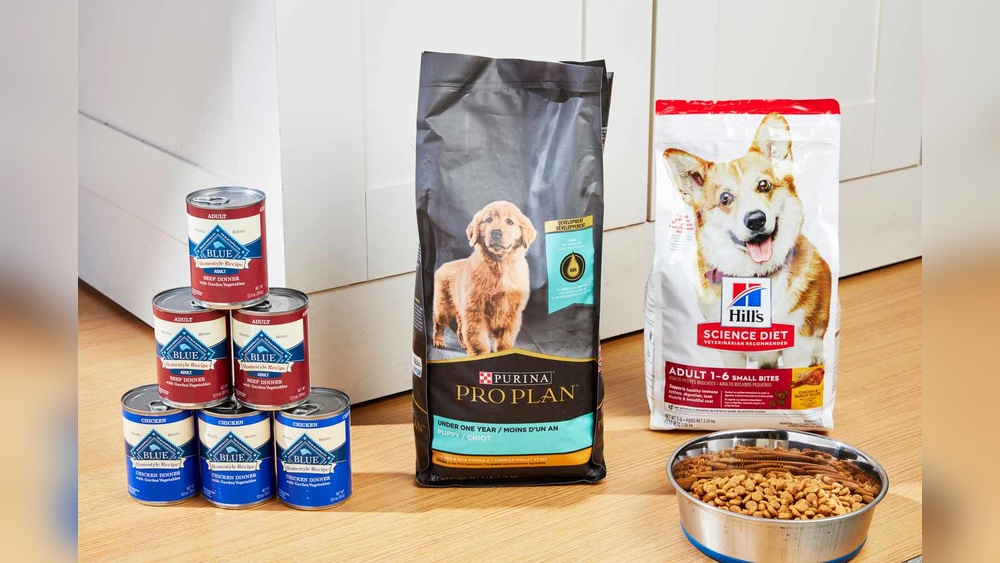
:strip_icc()/sps-tier-3-primary-best-dog-foods-ahuang-019-a2d580d08b3448919fb068d26edfc8e8.jpeg)
Credit: www.thesprucepets.com
Key Ingredients Rich In Omega-3 And Omega-6
Omega-3 and Omega-6 fatty acids play a vital role in your dog’s health. These fats support the skin, coat, brain, and joints. Choosing dog food with key ingredients rich in these fatty acids helps keep your pet healthy and happy.
Natural sources provide the best balance of Omega-3 and Omega-6. These ingredients nourish dogs without artificial additives. Knowing which ingredients are rich in these fats can guide you to better dog food choices.
Fish Oils And Fatty Fish
Fish oils are among the richest sources of Omega-3 fatty acids. Salmon, sardines, and mackerel contain high levels of EPA and DHA. These fats reduce inflammation and improve skin health. Fish oils also support heart and brain function in dogs.
Flaxseed And Chia Seeds
Flaxseed and chia seeds are plant-based sources of Omega-3s. They provide alpha-linolenic acid (ALA), a type of Omega-3. These seeds also offer fiber and antioxidants. Adding them to dog food helps improve digestion and coat shine.
Eggs And Poultry
Eggs and poultry contain balanced amounts of Omega-3 and Omega-6. Eggs are especially rich in essential fatty acids and proteins. Poultry like chicken provides linoleic acid, a type of Omega-6. Both support muscle health and energy levels.
Plant-based Oils
Plant-based oils such as sunflower, safflower, and canola oil supply Omega-6 fatty acids. These oils help maintain healthy skin and coat. They also play a role in cell function and growth. Including these oils in dog food ensures a good fatty acid balance.
Types Of Dog Food High In Omega Fatty Acids
Omega-3 and Omega-6 fatty acids support your dog’s skin, coat, and overall health. Different dog food types provide these essential fats in various forms. Understanding these options helps choose the best food for your pet.
Dry Kibble Options
Dry kibble is a popular and convenient choice. Many brands add fish oil or flaxseed for Omega-3 and 6. Kibble is easy to store and lasts longer. It also helps keep teeth clean by reducing tartar buildup.
Wet And Canned Foods
Wet foods have higher moisture content, which aids hydration. They often contain fish, chicken, or eggs rich in Omega fatty acids. Wet food is tasty and easier to chew for older dogs. It offers a different texture and flavor to keep dogs interested.
Raw And Freeze-dried Choices
Raw diets include fresh meat and fish, naturally rich in Omega-3 and 6. Freeze-dried foods lock in nutrients while offering a longer shelf life. These options provide a more natural diet that some dogs prefer. They require careful handling to maintain freshness and safety.
Homemade Diets
Homemade meals let you control ingredients and Omega levels. Fish like salmon or sardines are great sources of Omega fats. Add flaxseed oil or chia seeds for extra benefits. Always consult a vet to ensure a balanced diet for your dog.
Top Dog Food Brands With Omega-3 And Omega-6
Choosing the right dog food rich in Omega-3 and Omega-6 supports your dog’s health. These fatty acids help with skin, coat, and joint health. Several top brands focus on adding these nutrients to their recipes. This guide highlights trusted options for every need and budget.
Premium Commercial Brands
Premium brands offer balanced formulas with high-quality ingredients. They often use fish oils, flaxseed, and other natural sources for Omega-3 and Omega-6. These foods provide complete nutrition for active and growing dogs. Look for brands that list these fatty acids clearly on the label. Many premium options support overall wellness and promote a shiny coat.
Grain-free And Limited Ingredient Options
Grain-free dog foods reduce allergies and digestion problems. Limited ingredient diets focus on fewer ingredients to avoid reactions. These types often include rich sources of Omega-3 and Omega-6 like salmon or chia seeds. They suit dogs with sensitive stomachs or food allergies. You can find formulas that combine both grain-free and high fatty acid content.
Budget-friendly Picks
Affordable dog foods can still provide good Omega-3 and Omega-6 levels. Many brands add fish oil or flaxseed to keep costs low. These options help maintain your dog’s skin and coat health without overspending. Check the ingredient list for natural sources of these fats. Budget-friendly does not mean low quality if you choose wisely.
Specialty Formulas For Sensitive Dogs
Specialty formulas target dogs with specific health needs. These may include skin conditions or joint problems. Omega-3 and Omega-6 fatty acids help reduce inflammation and support healing. Look for recipes made with limited allergens and enhanced with these fats. Such foods help sensitive dogs feel better and stay active.
How To Choose The Right Omega-rich Dog Food
Choosing the right dog food rich in omega-3 and omega-6 fatty acids is important for your pet’s health. These nutrients help keep your dog’s skin shiny and coat soft. They also support brain function and reduce inflammation. Picking the best food means understanding labels, considering your dog’s needs, and checking nutrient balance.
Reading Nutrition Labels
Check the ingredient list first. Look for fish oils, flaxseed, or chia seeds. These are good omega-3 sources. Note the amount of omega-6 from ingredients like chicken fat or sunflower oil. Avoid foods that list vague oils without clear sources. Labels should show omega fatty acid amounts in milligrams or percentages.
Considering Your Dog’s Age And Health
Puppies need more omega-3 for brain growth. Older dogs benefit from omega-3 for joint support. Dogs with allergies or skin issues also need higher omega fatty acids. Choose formulas made for your dog’s life stage and health condition. This helps provide the right amount of nutrients.
Balancing Omega-3 And Omega-6 Ratios
Both omega-3 and omega-6 are essential, but balance matters. Too much omega-6 can cause inflammation. A good ratio is about 1:5 or lower of omega-3 to omega-6. Check the label or ask the manufacturer for this info. Balanced ratios help keep your dog’s body healthy.
Consulting Your Veterinarian
Your vet knows your dog’s health best. Ask about omega-rich diets suitable for your pet. They can recommend brands or supplements if needed. Regular check-ups ensure your dog gets the right nutrients. Trust professional advice to keep your dog strong and happy.
Supplementing Omega Fatty Acids Safely
Supplementing omega fatty acids for dogs can boost their health significantly. These fats support skin, coat, and joint health. Feeding the right amount is important to avoid problems. Safe supplementation helps your dog get benefits without risks.
Fish Oil Supplements
Fish oil is a popular source of omega-3 and omega-6 fatty acids. It comes in liquid or capsule form. Choose high-quality, purified fish oil to avoid toxins. Check labels for EPA and DHA content. These are the key omega-3 fats that help dogs.
Dosage Guidelines
Start with the dose recommended on the product label. The amount depends on your dog’s weight and health. Too much can cause stomach upset or bleeding. Consult a vet to find the right dose for your dog. Adjust slowly if needed, watching for any changes.
Potential Side Effects
Some dogs may get diarrhea or loose stools. Fishy breath or bad smell can occur with high doses. Allergic reactions are rare but possible. Watch for itching or swelling. Stop supplements and see a vet if side effects appear.
Combining Food And Supplements
Many dog foods already have omega fatty acids added. Adding supplements on top may cause overdose. Balance food and supplements carefully. Track total omega intake to keep it safe. Your vet can help create a balanced plan.

Credit: wearethecure.org
Frequently Asked Questions
What Are The Benefits Of Omega-3 And Omega-6 For Dogs?
Omega-3 and omega-6 support healthy skin, shiny coats, and reduce inflammation. They also boost brain function and joint health in dogs.
Which Dog Foods Have The Highest Omega-3 And Omega-6?
Look for dog foods with fish oil, flaxseed, or chia seeds. These ingredients are rich in omega-3 and omega-6 fatty acids.
How Can Omega-3 And Omega-6 Improve My Dog’s Coat?
These fatty acids nourish skin cells and reduce dryness. They help prevent itching, dandruff, and promote a soft, glossy coat.
Can Omega-3 And Omega-6 Reduce Dog Allergies?
Yes, omega fatty acids reduce inflammation linked to allergies. They can ease symptoms like itching, redness, and skin irritation in dogs.
Conclusion
Choosing dog food rich in Omega-3 and 6 supports your pet’s health. These fats help keep skin soft and coat shiny. They also support brain and heart health. Always check ingredient labels for quality sources. Fresh fish and flaxseed are good examples.
Feeding your dog these nutrients can improve overall well-being. Small changes make a big difference. Healthy food means a happy dog. Keep your furry friend active and strong with the right nutrition.