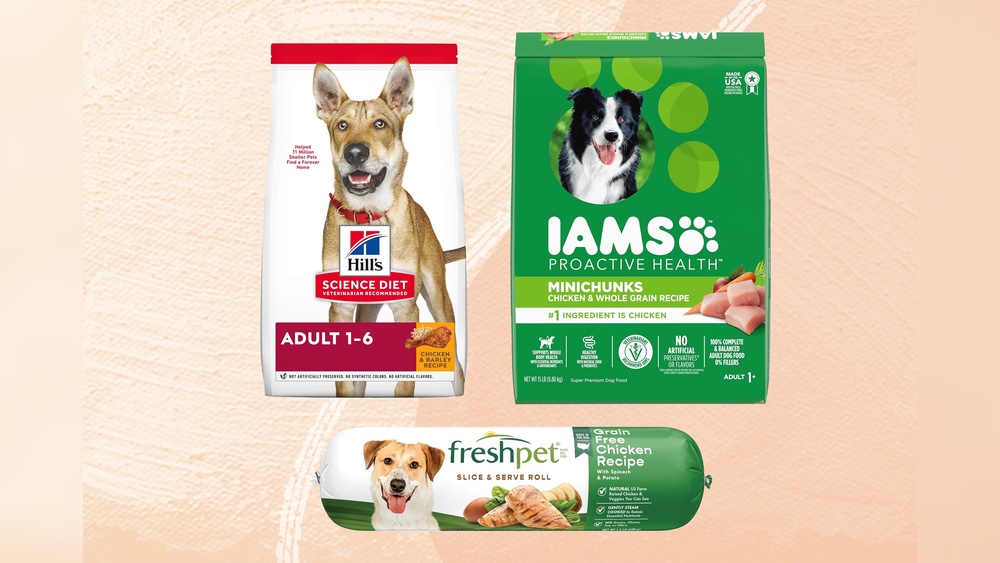
If your dog is scratching nonstop or losing patches of fur, you know how heartbreaking it can be to watch. Skin allergies and hair loss don’t just affect your dog’s looks—they can make them uncomfortable and unhappy.
But the right food can make a real difference. Imagine giving your furry friend meals that soothe their skin and help their coat shine again. You’ll discover the best dog food options designed specifically to fight skin allergies and hair loss.
Keep reading to find out how to help your dog feel better from the inside out.

Credit: simplynakedpetfood.com
Causes Of Skin Allergies In Dogs
Skin allergies in dogs cause itching, redness, and hair loss. These symptoms make dogs uncomfortable and restless. Understanding the causes helps manage and prevent flare-ups. Different triggers can affect your dog’s skin health. Here are the main causes of skin allergies in dogs.
Common Allergens
Common allergens include pollen, dust mites, and mold spores. Dogs may react to these substances in the air or on surfaces. These allergens cause inflammation and itching. Some dogs develop allergies to flea saliva. Flea bites can trigger intense allergic reactions and hair loss.
Environmental Factors
Environmental factors like humidity and temperature changes affect skin health. Dry air can cause flaky and itchy skin. Chemicals in cleaning products or lawn treatments also irritate dogs’ skin. Rough surfaces and constant moisture can worsen skin problems. Avoiding harsh environments helps reduce allergic reactions.
Food Sensitivities
Food sensitivities cause skin allergies and hair loss in some dogs. Common triggers include beef, dairy, chicken, and grains. These foods can cause inflammation under the skin. Symptoms often appear as itching, redness, and rashes. A vet can help identify and manage food allergies.
)
Credit: lyka.com.au
How Diet Affects Skin And Coat Health
The health of a dog’s skin and coat starts with its diet. Food provides the building blocks for strong skin and shiny fur. Poor nutrition can lead to itching, dryness, and hair loss. Feeding the right food supports healing and keeps the coat vibrant. Understanding which nutrients help is key for dogs with skin allergies and hair problems.
Essential Nutrients For Skin Repair
Proteins are vital for skin repair and growth. Amino acids in protein build new skin cells. Vitamins like A, E, and C protect skin from damage. Minerals such as zinc and copper help maintain skin strength. Without these nutrients, skin can become weak and prone to infections.
Role Of Fatty Acids
Fatty acids, especially omega-3 and omega-6, improve skin health. They reduce inflammation and soothe itchy skin. These fats help keep the skin moist and prevent dryness. A balanced ratio of fatty acids supports a shiny and healthy coat. Dogs with allergies often benefit from extra omega-3 in their diet.
Impact Of Allergens In Dog Food
Certain ingredients in dog food can trigger allergies. Common allergens include beef, dairy, wheat, and soy. These can cause skin irritation and hair loss. Avoiding these allergens helps reduce allergic reactions. Choosing hypoallergenic or limited-ingredient diets often improves skin condition.
Key Ingredients To Look For
Choosing the best dog food for skin allergies and hair loss depends on the ingredients. Some ingredients help calm itching and improve skin health. Others support strong, shiny fur. Knowing which ingredients to pick can make a big difference for your dog’s comfort and appearance.
Omega-3 And Omega-6 Fatty Acids
Omega-3 and omega-6 fatty acids help reduce inflammation. They soothe itchy, irritated skin. These fats also keep the skin soft and hydrated. Good sources include fish oil and flaxseed. Balanced omega fatty acids improve coat shine and reduce hair loss.
Hypoallergenic Proteins
Hypoallergenic proteins lower the chance of allergic reactions. Common allergens are beef, chicken, and dairy. Alternatives like duck, lamb, or fish are gentler on sensitive dogs. Using these proteins helps reduce skin rashes and itching.
Vitamins And Minerals
Vitamins A, E, and B-complex support healthy skin and fur growth. Minerals like zinc and selenium boost the immune system. These nutrients repair damaged skin and prevent hair loss. They keep your dog’s coat strong and healthy.
Top Dog Foods For Skin Allergies
Dogs with skin allergies need special care through their diet. Choosing the right dog food helps reduce itching and hair loss. Certain foods contain ingredients that calm allergic reactions. These dog foods support healthy skin and a shiny coat.
Here are top dog food types that help with skin allergies.
Limited Ingredient Diets
Limited ingredient diets have fewer components. They reduce the chance of allergic reactions. These foods use a single protein source like lamb or fish. They avoid common allergens such as beef or chicken. Simple recipes help identify what causes allergies. These diets often include added vitamins and omega fatty acids. They support skin repair and reduce inflammation.
Grain-free Options
Grain-free dog foods remove wheat, corn, and soy. Some dogs react to grains with skin problems. These foods use potatoes, peas, or lentils instead. They are rich in protein and easy to digest. Grain-free options also contain omega-3 and omega-6 fats. These fats improve skin health and reduce dryness. Choose grain-free if your dog shows grain intolerance signs.
Prescription Diets
Prescription diets are made for dogs with severe allergies. Veterinarians recommend these foods. They contain hydrolyzed proteins that are less likely to cause reactions. These diets also have balanced nutrients for skin healing. Prescription foods help control itching and hair loss. Always consult your vet before starting prescription food. This ensures safety and proper treatment for your dog.
Foods That Help Reduce Hair Loss
Hair loss in dogs with skin allergies can be frustrating. Choosing the right food supports healthy skin and fur. Certain foods reduce shedding and improve coat strength. These foods provide essential nutrients that help repair damaged hair follicles. Feeding your dog with care can make a big difference in their coat health.
Protein-rich Formulas
Protein is vital for hair growth and repair. Dog food with high-quality protein supplies amino acids needed for strong hair. Look for formulas containing chicken, fish, or lamb. These proteins help rebuild skin and hair cells. Avoid low-protein diets that may worsen hair loss.
Natural Supplements
Supplements like omega-3 and omega-6 fatty acids improve coat shine and reduce inflammation. These fats calm irritated skin and promote hair regrowth. Ingredients such as fish oil, flaxseed, and sunflower oil are good sources. Vitamins E and biotin also support healthy fur and skin health.
Hydration And Coat Health
Water keeps skin hydrated and flexible. Dry skin leads to itching and hair loss. Wet dog food or adding water to dry food increases fluid intake. Proper hydration helps maintain the natural oils that protect your dog’s coat. Moisturized skin means less shedding and stronger hair.

Credit: healthyandhappydog.com
Homemade Diets And Supplements
Homemade diets and supplements offer a natural way to support dogs with skin allergies and hair loss. Preparing food at home lets you control ingredients and avoid allergens. Supplements can add nutrients that promote healthy skin and fur. Both approaches require care and knowledge to be safe and effective.
Safe Homemade Recipes
Choose fresh, simple ingredients for your dog’s meals. Lean meats like chicken or turkey provide protein without fat. Rice and sweet potatoes serve as gentle carbohydrate sources. Vegetables such as carrots and green beans add vitamins and fiber. Avoid common allergens like wheat, corn, and soy. Cook all ingredients thoroughly to aid digestion. Keep spices and seasonings out of homemade recipes. Portion meals to match your dog’s size and activity level.
Adding Supplements For Skin Health
Omega-3 fatty acids are essential for skin and coat health. Fish oil capsules or liquid can boost these fats. Vitamin E helps reduce inflammation and promotes healing. Zinc supports skin repair and immune function. Probiotics improve gut health, which can affect skin condition. Start supplements slowly and monitor for any reactions. Use the correct dosage based on your dog’s weight.
Consulting Your Vet
Always talk to your veterinarian before changing diets or adding supplements. Vets can identify allergies and recommend tests if needed. They offer guidance on safe ingredients and balanced nutrition. Regular check-ups help track your dog’s progress. Your vet can adjust treatment plans as needed. Professional advice reduces risks of nutrient imbalances or side effects.
Tips For Managing Skin Allergies Through Diet
Skin allergies in dogs cause itching, redness, and hair loss. Diet plays a key role in reducing these symptoms. Choosing the right food helps calm the skin and improve coat health.
Some dogs react to certain ingredients. Identifying and avoiding these allergens can ease their discomfort. Careful diet management supports overall skin healing.
Elimination Diet Trials
Start with a simple diet that has few ingredients. Use novel protein sources like duck or venison. Avoid common allergens like beef, chicken, and dairy.
Feed this diet for 8-12 weeks. Watch for signs of improvement in your dog’s skin and coat. If symptoms lessen, the allergen is likely in the old food.
Slowly reintroduce other ingredients one at a time. Monitor for any return of symptoms. This method helps pinpoint the exact cause of allergies.
Monitoring And Adjusting Food Choices
Keep a food diary to track what your dog eats and their skin condition. Note any changes in itching or hair loss. Regular observation helps catch problems early.
Adjust the diet based on your dog’s response. Switch proteins or try limited-ingredient foods if needed. Consistency is important but flexibility can improve results.
Consult your vet for advice on supplements like omega-3 fatty acids. These nutrients support skin repair and reduce inflammation naturally.
Combining Diet With Other Treatments
Diet alone may not solve severe allergies. Combine food changes with vet-prescribed treatments like medicated shampoos or antihistamines. This approach provides faster relief.
Regular grooming helps remove allergens from the skin surface. Use gentle, hypoallergenic products to avoid irritation. Clean skin heals better and reduces itching.
Stay patient. Skin allergies take time to improve. A steady diet and care plan protect your dog’s health and comfort.
Frequently Asked Questions
What Ingredients Help With Dog Skin Allergies?
Ingredients like omega-3 fatty acids, zinc, and antioxidants help reduce inflammation. They improve skin health and soothe allergic reactions. Look for foods with salmon, flaxseed, and sweet potatoes for better results.
Can Dog Food Reduce Hair Loss In Dogs?
Yes, dog food rich in protein, vitamins, and fatty acids supports hair growth. Balanced nutrition strengthens hair follicles, reduces shedding, and promotes a shiny coat. Choose formulas designed for skin and coat health.
How To Choose The Best Dog Food For Allergies?
Select limited-ingredient diets with hypoallergenic proteins like duck or venison. Avoid common allergens such as wheat, soy, and corn. Consult your vet for tailored recommendations to manage your dog’s specific allergies.
Are Grain-free Diets Better For Dogs With Skin Issues?
Grain-free diets may help some dogs with allergies, but not all. They reduce exposure to common allergens like wheat and corn. However, always check with your vet before switching diets.
Conclusion
Choosing the right dog food helps ease skin allergies and hair loss. Good nutrition supports healthy skin and shiny fur. Focus on foods with natural ingredients and no fillers. Omega fatty acids and vitamins boost your dog’s coat health. Watch your pet’s reaction to new foods closely.
Consistency matters for long-term improvement. A happy dog shows in its skin and fur. Keep your dog comfortable and itch-free every day. Small changes can make a big difference. Healthy food equals a healthier, happier dog.