Are you worried your Pitbull isn’t gaining enough weight? You want your dog to be strong, healthy, and full of energy.
Choosing the right food can make all the difference. But with so many options out there, how do you know which one will help your Pitbull pack on healthy pounds? You’ll discover the best dog food choices designed specifically to help your Pitbull gain weight safely and effectively.
Keep reading, and give your furry friend the nutrition they truly deserve.
Nutrition Needs For Pitbulls
Pitbulls need special nutrition to gain weight safely and stay healthy. Their diet must support muscle growth and boost energy. Proper food helps them build strength and maintain a shiny coat. Understanding their nutrition needs is key to choosing the right dog food.
Calories And Protein Requirements
Pitbulls require more calories than many other breeds. High calories fuel their active lifestyle and muscle gain. Protein is crucial for building strong muscles. Look for dog food with at least 25% protein content. Quality protein sources include chicken, beef, and fish.
Essential Fats For Weight Gain
Fats provide concentrated energy to help Pitbulls gain weight. Omega-3 and Omega-6 fats improve skin and coat health. Healthy fats come from fish oil, flaxseed, and animal fats. Avoid foods with too many unhealthy fats or fillers.
Vitamins And Minerals To Support Health
Vitamins and minerals keep Pitbulls strong and active. Calcium and phosphorus support bone growth and muscle function. Antioxidants like vitamins E and C boost the immune system. Balanced minerals ensure overall health and proper metabolism.

Credit: omshanti.cat
Signs Your Pitbull Needs To Gain Weight
Recognizing the signs that your Pitbull needs to gain weight is crucial. A healthy weight helps your dog stay strong and active. Pitbulls that are too thin may face health challenges. Spotting these signs early helps you take action quickly. Watch your dog’s body and behavior closely.
Identifying Underweight Pitbulls
Look at your Pitbull from the side and above. You should see a waist behind the ribs. If ribs, spine, or hip bones show sharply, your dog is underweight. Feeling the ribs should not be too easy or painful. A healthy Pitbull has a layer of fat covering bones. Notice if your dog seems weak or tired more than usual.
Health Risks Of Being Underweight
Underweight Pitbulls may have weak immune systems. They get sick more often and recover slower. Thin dogs can lose muscle mass and energy. Their skin and coat may look dull or dry. Digestive problems can occur, causing poor nutrient absorption. Being too thin also affects your dog’s bones and joints. Early weight gain improves overall health and vitality.
Top Ingredients For Weight Gain
Choosing the right ingredients is key to helping Pitbulls gain healthy weight. The food must provide nutrients that support muscle growth and energy. Quality ingredients improve digestion and keep your dog strong. Focus on proteins, fats, and carbohydrates for balanced nutrition.
High-quality Proteins
Proteins build muscle and repair tissues. Look for meats like chicken, beef, or fish listed first. These proteins are easier to digest and rich in amino acids. Avoid fillers like soy or corn protein. Real meat helps Pitbulls gain lean muscle mass effectively.
Healthy Fats And Oils
Fats provide concentrated energy needed for weight gain. Good sources include fish oil, flaxseed, and chicken fat. These fats also support skin and coat health. Avoid foods with too many unhealthy fats or artificial oils. Healthy fats fuel your Pitbull and improve overall wellness.
Carbohydrates For Energy
Carbohydrates supply energy for daily activities. Whole grains like brown rice, oatmeal, and barley digest slowly. This helps maintain steady energy levels. Sweet potatoes and peas are good carb sources too. Avoid excessive fillers that offer little nutrition. Balanced carbs keep your Pitbull active and strong.
Best Commercial Dog Foods For Weight Gain
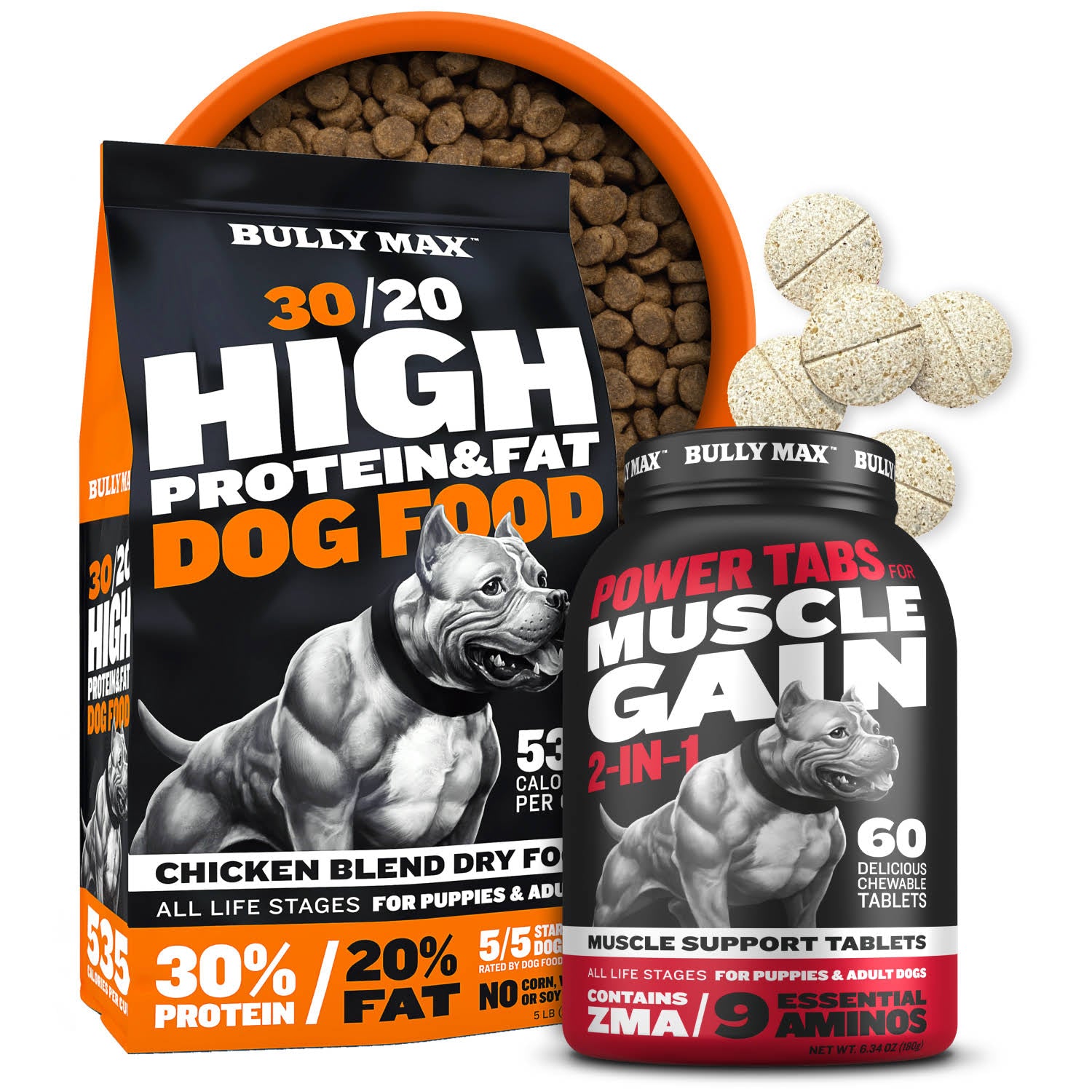
Choosing the right commercial dog food can help your Pitbull gain healthy weight. Foods rich in protein and fat support muscle growth and energy. Quality ingredients ensure your dog stays strong and active. Here are some top options to consider for weight gain.
Dry Kibble Options
Dry kibble is easy to store and serve. Look for formulas with high protein and fat content. Brands with chicken, beef, or fish as the first ingredient work well. Kibble with added vitamins and minerals supports overall health. Choose options designed specifically for active or underweight dogs.
Wet Food Choices
Wet food is moist and tasty, which helps picky eaters. It often contains more fat and protein than dry food. Look for wet food with real meat and no fillers. Canned meals with gravy or broth add extra calories. Mixing wet food with dry kibble can improve flavor and nutrition.
Grain-free And Limited Ingredient Diets
Grain-free diets avoid common allergens like wheat and corn. They focus on meat and vegetables instead. Limited ingredient diets use fewer ingredients to reduce stomach upset. Both types can help dogs with allergies or sensitivities. Choose formulas with high protein and added fats for weight gain.
Homemade Meals And Supplements
Feeding your Pitbull homemade meals and supplements can help them gain healthy weight. Homemade food gives full control over ingredients. You know exactly what your dog eats. This helps avoid fillers and unhealthy additives found in some commercial foods.
Supplements can boost calorie intake safely. They support muscle growth and energy. Using natural ingredients and safe supplements ensures your Pitbull stays strong and healthy.
Diy Nutritious Recipes
Cook lean meats like chicken or turkey. These provide high-quality protein for muscle growth. Add cooked brown rice or sweet potatoes for energy. Mix in steamed vegetables like carrots or peas for vitamins. Use olive oil or fish oil for healthy fats. These fats help with weight gain and coat health. Avoid onions, garlic, and excessive salt. Serve meals at room temperature for better digestion.
Safe Supplements To Add Calories
Fish oil capsules add omega-3 fatty acids for a shiny coat. Coconut oil improves digestion and adds calories. Plain pumpkin helps with digestion and nutrients. Use powdered eggs for extra protein without fat. Peanut butter can be a tasty calorie booster, but choose unsweetened types. Always check with your vet before adding new supplements. Proper use ensures your Pitbull gains weight safely and steadily.
Credit: shop.bullymax.com
Feeding Tips To Encourage Weight Gain
Helping your Pitbull gain weight needs careful feeding plans. The right habits make a big difference. Proper feeding supports muscle growth and overall health. Small changes in how you feed can boost your dog’s weight safely.
Feeding Frequency And Portions
Feed your Pitbull more often during the day. Try giving three to four small meals instead of one or two big ones. This keeps energy levels steady and supports weight gain. Watch portion sizes carefully. Increase portions slowly to avoid upset stomachs. Balance is key for healthy growth.
Combining Wet And Dry Food
Mix wet and dry food for better nutrition and taste. Wet food adds moisture and makes meals more appealing. Dry food helps clean teeth and provides crunch. Combining both can encourage your dog to eat more. It also offers a variety of textures and flavors.
Treats That Support Healthy Weight
Choose treats that add calories and nutrients. Look for high-protein or high-fat options made for dogs. Use treats to reward good behavior and boost calorie intake. Avoid giving too many treats to keep meals balanced. Healthy treats can help gain weight without harming health.
Monitoring Progress And Adjusting Diet
Monitoring your Pitbull’s progress while changing their diet is important. It helps you see if your dog is gaining weight in a healthy way. Adjusting the diet based on results keeps your dog strong and happy. Careful tracking lets you avoid feeding too much or too little. This step-by-step approach supports steady and safe weight gain.
Tracking Weight And Body Condition
Weigh your Pitbull once a week at the same time of day. Use a reliable scale and record the numbers. Look for steady weight gain of about half a pound per week. Check your dog’s body condition too. Feel the ribs without pressing hard. You should feel ribs with a thin layer of fat covering them.
Observe your dog’s energy and coat health as well. A shiny coat and playful attitude show good progress. If weight gain is too fast or slow, change the food amount. Keeping notes helps spot trends and adjust feeding easily.
When To Consult A Veterinarian
Visit a vet if your Pitbull does not gain weight after several weeks. Sudden weight loss or poor appetite also needs medical attention. The vet can check for health issues affecting weight gain. They may suggest special diets or supplements.
Regular vet visits help keep your dog’s health on track. Professionals give advice tailored to your dog’s needs. Never ignore signs of illness during the weight gain process.
Credit: www.dogfoodadvisor.com
Frequently Asked Questions
What Is The Best Dog Food For Pitbull Weight Gain?
High-protein, calorie-dense dog food is best for Pitbull weight gain. Look for formulas rich in meat, fats, and essential nutrients. Avoid fillers and low-quality ingredients to support healthy muscle growth and overall vitality.
How Often Should I Feed My Pitbull To Gain Weight?
Feed your Pitbull 3 to 4 small meals daily to promote steady weight gain. Consistent feeding helps improve metabolism and nutrient absorption. Avoid overfeeding to prevent digestive issues or obesity.
Can Supplements Help Pitbulls Gain Weight Faster?
Yes, supplements like fish oil, probiotics, and multivitamins can aid Pitbull weight gain. They improve digestion, boost appetite, and enhance nutrient absorption. Always consult a vet before adding supplements to your dog’s diet.
What Ingredients Should I Avoid In Pitbull Weight Gain Food?
Avoid foods with fillers like corn, soy, and wheat. Also, steer clear of artificial preservatives, colors, and low-quality by-products. These ingredients offer little nutrition and can hinder healthy weight gain.
Conclusion
Choosing the right dog food helps your Pitbull gain healthy weight. Focus on foods rich in protein and good fats. Consistent feeding and proper portion sizes matter most. Watch your dog’s progress and adjust the diet as needed. Healthy weight gain improves energy and overall well-being.
Always offer fresh water alongside meals. Consult your vet to ensure the diet fits your dog’s needs. Feeding your Pitbull well supports a happy, active life. Simple steps lead to strong, healthy Pitbulls.