

Is your Lab carrying a little extra weight? You want the best for your furry friend, but choosing the right food can feel overwhelming.
The right dog food can make a huge difference in helping your Lab shed pounds safely and stay healthy. You’ll discover the best dog food options designed specifically for overweight Labs. By the end, you’ll feel confident about making the best choice to support your dog’s weight loss and overall well-being.
Let’s dive in and find the perfect food to keep your Lab happy and healthy!
:strip_icc()/sps-tier-3-product-hills-science-diet-perfect-weight-adult-dog-food-ahuang-086-2297c2254e834607925497383a3dc8b6.jpeg)
Credit: www.thesprucepets.com
Why Labs Gain Weight
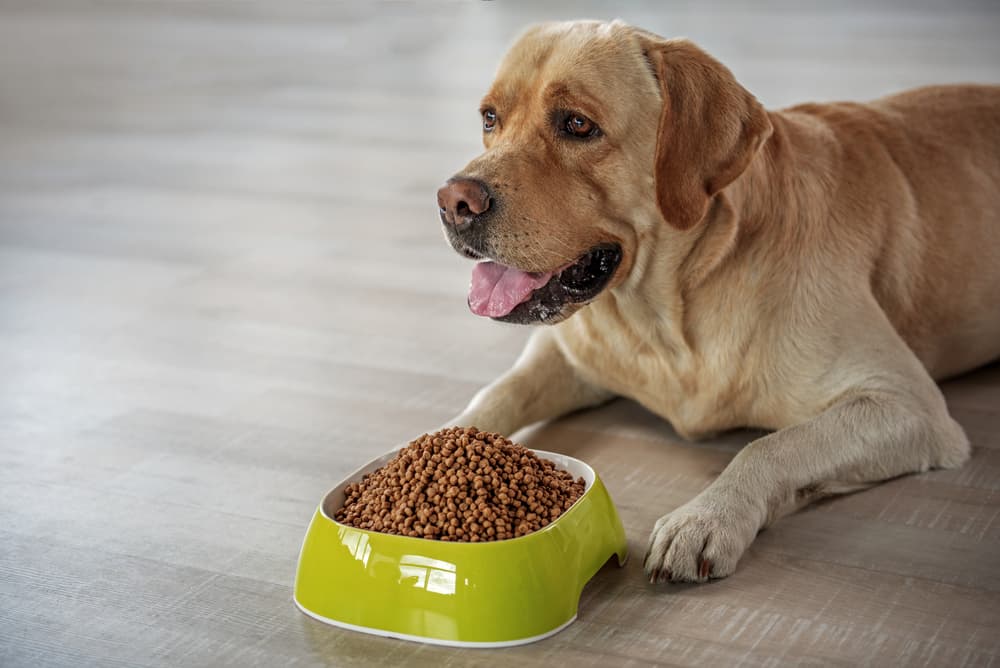
Labrador Retrievers are prone to gaining weight easily. Many owners notice their Labs becoming heavier over time. Understanding why Labs gain weight helps prevent health problems.
Common Causes
Labs love food and often eat too much. Overfeeding is a major cause of weight gain. Treats and table scraps add extra calories. Lack of exercise also leads to weight gain. Labs need regular walks and playtime. Some Labs have slower metabolisms. Age can slow their ability to burn calories. Certain health conditions may cause weight gain too.
Health Risks
Excess weight puts stress on joints and bones. Overweight Labs may suffer from arthritis. Heart disease risk increases with extra weight. Diabetes can develop in obese dogs. Breathing problems and low energy are common. Overweight Labs often have shorter lifespans. Maintaining a healthy weight improves quality of life.
Credit: amerivet.com
Key Features Of Weight Loss Dog Food
Choosing the right food is key to helping your overweight Lab lose weight safely. Weight loss dog food has special features that support fat burning and keep your dog healthy. These foods focus on controlling calories, improving digestion, and maintaining muscle strength.
Understanding these features helps you pick the best option for your Lab’s weight loss journey.
Low-calorie Ingredients
Weight loss dog food uses low-calorie ingredients to reduce daily energy intake. These foods limit fats and simple sugars that add extra calories. Instead, they include healthy fats and complex carbs to keep your dog full longer. Low-calorie meals help create a calorie deficit, which is necessary for weight loss.
High Fiber Content
Fiber plays a big role in weight loss dog food. It slows digestion and makes your dog feel full with less food. High fiber also supports healthy digestion and reduces hunger cravings. Foods rich in fiber help control your Lab’s appetite and avoid overeating during meals.
Balanced Protein Levels
Protein is important to maintain muscle mass while losing fat. Weight loss dog food has balanced protein levels to support muscle strength. It prevents muscle loss, which can happen during weight loss. Good protein sources also keep your Lab satisfied and help repair body tissues.
Top Dog Food Brands For Overweight Labs
Choosing the right dog food helps manage your overweight Labrador’s health. The best brands offer formulas that support weight loss and maintain energy. These foods contain fewer calories but keep your Lab full and satisfied. Here are some top dog food brands known for helping overweight Labs stay fit and healthy.
Premium Options
Premium dog foods use high-quality ingredients to support weight control. These brands often include lean proteins and fiber to aid digestion. They avoid fillers that add unnecessary calories. Some premium choices also add vitamins and minerals for overall health. These foods may cost more but provide balanced nutrition for your Lab.
Affordable Choices
Affordable dog foods can still offer good support for overweight Labs. They focus on reducing fat and calories while including essential nutrients. Many of these brands use simple recipes with limited ingredients. This helps keep costs down without sacrificing quality. These choices are great for dog owners on a budget.
Grain-free Formulas
Grain-free dog foods are popular for dogs with food sensitivities. These formulas replace grains with vegetables and legumes. They often have fewer carbohydrates, which can help weight loss. Grain-free options also reduce inflammation and improve digestion. These foods suit Labs needing special diets for weight management.
Homemade Meals For Weight Control
Preparing homemade meals can help control your overweight Lab’s weight effectively. You know exactly what goes into each meal. This control helps avoid excess calories and unhealthy ingredients.
Homemade food supports balanced nutrition tailored to your Lab’s needs. It allows you to include fresh, wholesome ingredients that promote healthy weight loss. Plus, it helps prevent fillers and additives found in some commercial dog foods.
Healthy Ingredients
Choose lean proteins like chicken, turkey, or fish. These provide essential nutrients without extra fat. Add vegetables such as carrots, green beans, or pumpkin. They add fiber and help digestion. Use brown rice or sweet potatoes for energy, but in small amounts. Avoid ingredients high in fat or sugar. Fresh water should always be available.
Portion Guidelines
Measure your Lab’s food carefully. Serving too much can cause weight gain. Split meals into two or three servings per day. Monitor your dog’s weight regularly. Adjust portions based on activity level and weight changes. Consult your vet for exact calorie needs. Consistency is key to managing weight well.
Tips For Feeding Overweight Labs
Feeding an overweight Labrador requires careful planning and discipline. The goal is to help your dog lose weight safely without feeling hungry or stressed. Good feeding habits improve health and energy levels.
Simple changes in feeding routines can make a big difference. Understanding how often to feed and how to handle treats helps control calorie intake. Watching your dog’s progress keeps the diet on track.
Meal Frequency
Feed your Lab smaller meals more often each day. Two to three meals a day work well. This helps control hunger and prevents overeating. Avoid free-feeding or leaving food out all day. Set specific meal times to build routine.
Avoiding Treat Overuse
Treats can add many extra calories quickly. Use treats sparingly and choose low-calorie options. Replace high-fat treats with healthy snacks like carrot sticks. Treats should not be more than ten percent of daily calories. Reward with praise or play instead.
Monitoring Progress
Keep track of your Lab’s weight regularly. Weigh your dog once every two weeks. Note changes in body shape and energy. Adjust food portions based on progress. Consult your vet if weight loss stalls or health issues arise.
Exercise To Support Weight Loss
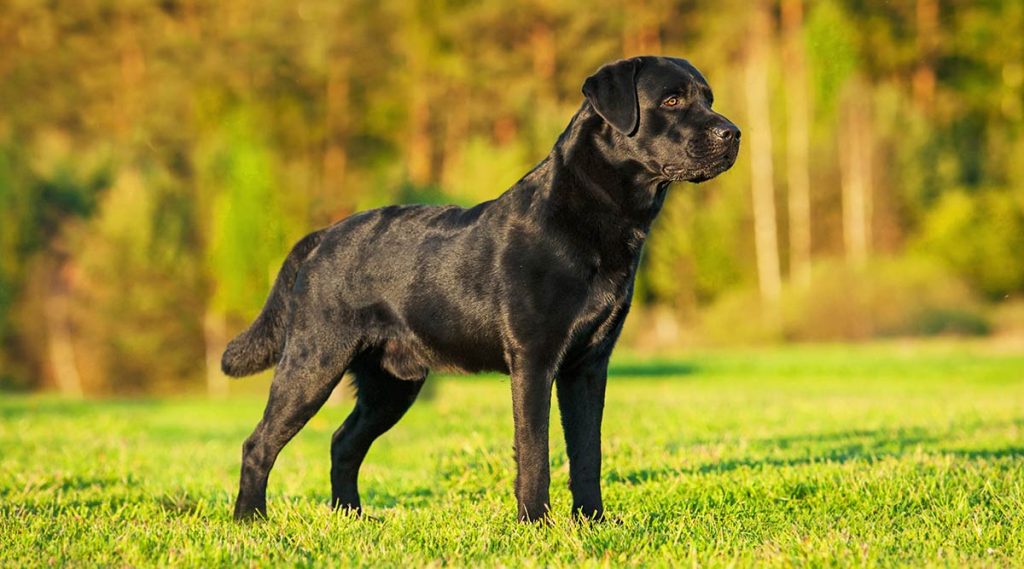
Exercise plays a key role in helping an overweight Labrador lose weight. It burns calories and builds muscle. Regular activity improves your Lab’s health and mood. A good exercise plan supports weight loss alongside the right diet.
Effective Activities
Walking is simple and effective. Short, frequent walks work best at first. Swimming is gentle on joints and burns many calories. Playing fetch encourages movement and keeps your Lab interested. Tug-of-war helps build strength without strain. Mixing activities prevents boredom and keeps your dog active.
Safety Considerations
Start slowly to avoid injury. Watch for signs of tiredness or discomfort. Avoid hot weather to prevent heatstroke. Use a harness to protect your dog’s neck. Keep sessions short and increase time gradually. Consult a vet before starting any new exercise plan.
Credit: www.thelabradorsite.com
Frequently Asked Questions
What Is The Best Dog Food For Overweight Labs?
The best dog food for overweight Labs is low in calories and high in fiber. It should contain lean protein to support muscle mass while promoting fat loss. Look for foods labeled “weight management” or “light” to help control calorie intake effectively.
How Can I Help My Lab Lose Weight Through Diet?
Feed your Lab portion-controlled meals using weight management dog food. Avoid high-fat treats and table scraps. Include regular exercise to boost metabolism. Consult your vet for a tailored feeding plan that balances nutrition and calorie reduction for safe weight loss.
Are Grain-free Diets Good For Overweight Labradors?
Grain-free diets are not necessarily better for overweight Labs. Weight loss depends more on calorie control than grain content. Some dogs may benefit from grain-free food due to allergies, but always choose a balanced, vet-approved weight management formula.
How Often Should I Feed My Overweight Lab?
Feed your overweight Lab two to three small meals daily. This helps regulate metabolism and prevents overeating. Avoid free-feeding to control calorie intake. Consistent feeding times support weight loss and overall health. Always follow your vet’s feeding recommendations.
Conclusion
Choosing the right food helps your Lab stay healthy and fit. Balanced meals with fewer calories support weight loss safely. Regular exercise also plays a big role in managing weight. Always check labels for nutrients that suit overweight Labs. Consult your vet to create the best diet plan.
Healthy weight means a happier, more active dog. Small changes make a big difference over time. Keep your Lab’s well-being as your top priority.


