If you have a nursing mom at home, you know how important her diet is right now. The right dog food can make all the difference in her health and the growth of her puppies.
You want to give her the best nutrition to keep her strong and full of energy. But with so many options out there, how do you choose the best dog food for nursing moms? Keep reading, and you’ll discover the key ingredients and top picks that can help your dog thrive during this crucial time.
Your furry family deserves nothing less than the best.
Nutritional Needs Of Nursing Dogs
Nursing dogs have special nutritional needs. Their bodies work hard to feed their puppies. Proper nutrition helps them stay strong and healthy. It also supports the growth of their puppies. Meeting these needs is very important for both mom and pups.
Good food gives the energy and nutrients nursing dogs need. It helps with milk production and recovery after birth. Knowing these needs helps you choose the best dog food for nursing moms.
Increased Calorie Requirements
Nursing dogs need more calories than usual. Their bodies burn extra energy to make milk. This can be two to four times more calories. Feeding high-calorie food helps keep their energy up. Low-calorie food may cause weight loss and fatigue.
Essential Vitamins And Minerals
Vitamins and minerals support health and milk quality. Calcium and phosphorus are key for strong bones. Vitamin A helps with immune system and skin health. B vitamins give energy and support metabolism. Proper minerals and vitamins prevent deficiencies and keep mom healthy.
Hydration Importance
Water is crucial for nursing dogs. Milk is mostly water, so moms need extra fluids. Lack of water can lower milk supply. Always provide fresh, clean water nearby. Hydration helps digestion and body functions during nursing.
Credit: kulenrevealed.org
Key Ingredients To Look For
Nursing moms need special nutrition. Their bodies work hard to feed puppies. Choosing dog food with the right ingredients helps keep them strong and healthy. These key nutrients support milk production and energy levels. Here are the most important ingredients to find in dog food for nursing moms.
High-quality Protein Sources
Protein builds and repairs body tissues. Nursing dogs need more protein than usual. Look for foods with chicken, turkey, fish, or beef listed first. These meats provide essential amino acids. Avoid foods with vague protein sources like “meat meal” or “by-products.”
Healthy Fats For Energy
Fats give energy and support milk production. Omega-3 and Omega-6 fatty acids keep skin and coat shiny. Sources include fish oil, flaxseed, and chicken fat. These fats also help reduce inflammation and support brain health.
Digestible Carbohydrates
Carbohydrates supply energy and fiber. Choose dog foods with whole grains like brown rice or oats. Sweet potatoes and peas are good grain-free options. These carbs digest easily and provide steady energy release.
Added Supplements And Probiotics
Supplements like calcium and vitamins support bone strength and overall health. Probiotics improve digestion and help keep the gut healthy. Look for dog food with added probiotics or consider adding a probiotic supplement.
Top Commercial Dog Foods For Nursing Moms
Nursing moms need food that supports their health and milk production. Commercial dog foods offer many options made with balanced nutrients. These foods help maintain energy and provide essential vitamins and minerals. Choosing the right food supports both mom and her puppies during this demanding time.
Premium Dry Kibble Options
Dry kibble is easy to store and serve. Premium options have higher protein and fat content. These nutrients help nursing dogs keep their strength. Look for kibble with added vitamins and minerals. Brands often include omega fatty acids for healthy skin and coat. Dry food also supports dental health by reducing plaque build-up.
Wet Food Choices
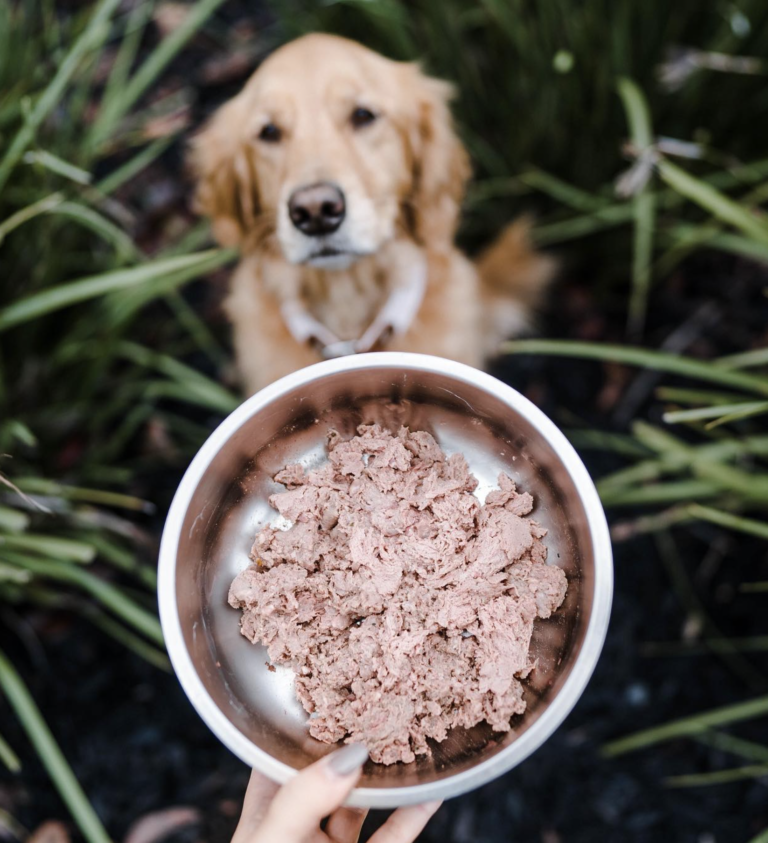
Wet food offers extra moisture, which helps nursing moms stay hydrated. It tends to be more palatable and soft, which some dogs prefer. Wet food contains rich proteins and fats needed for milk production. It also contains essential nutrients like calcium. Feeding wet food can be a good way to add variety to a dog’s diet.
Grain-free Alternatives
Grain-free dog foods exclude wheat, corn, and soy. These options suit dogs with allergies or sensitive stomachs. They usually use potatoes, peas, or other vegetables for carbohydrates. Grain-free formulas focus on high protein and fat levels. They support energy needs and reduce digestive issues. Choosing grain-free food can aid dogs with specific dietary needs.
Homemade Meal Ideas
Feeding a nursing dog requires extra care and nutrition. Homemade meals can give control over ingredients and quality. These meals help meet the high energy and nutrient needs of lactating dogs. Preparing food at home ensures freshness and safety. It also supports the dog’s health and milk production.
Balanced Recipes For Lactating Dogs
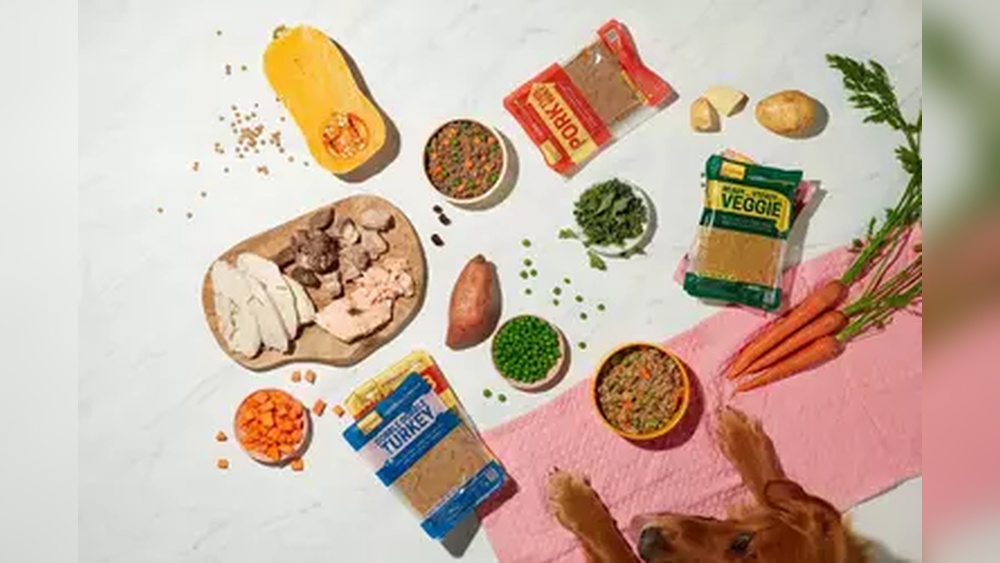
Meals should include protein, fats, and carbohydrates in the right amounts. Cooked lean meats like chicken or turkey provide essential protein. Brown rice or sweet potatoes offer healthy carbohydrates. Add vegetables such as carrots or green beans for vitamins and fiber. A small amount of fish oil can supply omega-3 fatty acids. Always ensure meals are well-cooked and easy to digest.
Safe Ingredients To Include
Lean meats, eggs, and cottage cheese are excellent protein sources. Vegetables like pumpkin, peas, and zucchini add nutrients and fiber. Cooked oats and quinoa provide energy and fiber. Fish oil and flaxseed oil give healthy fats. Plain yogurt supports digestion. Fresh water must be available at all times to keep your dog hydrated.
Foods To Avoid
Never feed onions, garlic, or chives. These can harm your dog’s blood cells. Avoid grapes, raisins, and chocolate as they are toxic. Raw dough and caffeine should be kept away. High-fat or salty foods can cause stomach upset. Avoid bones that can splinter and cause injury. Always check with your vet before introducing new foods.
Feeding Tips For Nursing Mothers
Nursing mother dogs need special care in their diet. Their bodies work hard to feed the puppies. Proper feeding helps keep both mother and puppies healthy. Follow clear feeding tips to support their needs during this time.
Good nutrition aids milk production and energy levels. Watch the mother’s eating habits closely. Adjust food and portions based on her condition and puppy growth.
Meal Frequency And Portions
Feed nursing mothers more often than usual. Smaller, frequent meals help digestion and energy. Aim for three to four meals daily. Increase portion size to meet higher calorie needs. Avoid overfeeding; balance is key to healthy weight.
Monitoring Weight And Health
Check the mother’s weight weekly. Sudden weight loss or gain can signal problems. Look for signs like lethargy or poor coat condition. Regular vet visits keep health on track. Early action prevents complications for mother and puppies.
Adjusting Diet As Puppies Grow
As puppies grow, mother’s milk changes. She may need fewer calories over time. Gradually reduce food portions after weaning starts. Shift to regular adult dog food when puppies stop nursing. Monitor mother’s health and adjust diet as needed.
Common Health Issues And Dietary Solutions
Nursing moms face unique health challenges that affect their diet needs. Proper nutrition supports milk production and overall health. Understanding common health issues helps in choosing the best dog food. This section covers key concerns and diet solutions for nursing dogs.
Managing Lactation-related Weight Loss
Nursing causes high energy use, leading to weight loss. Dogs need more calories to keep up milk supply. Feeding high-calorie food helps maintain healthy weight. Frequent, small meals improve digestion and energy levels. Monitor weight regularly to avoid excessive loss.
Preventing Nutrient Deficiencies
Nursing dogs require more vitamins and minerals. Deficiencies can cause weakness and poor milk quality. Foods rich in calcium, protein, and essential fats are vital. Supplements may be necessary if diet lacks nutrients. Balanced food supports both mother and puppies’ growth.
Supporting Immune Health
Strong immunity protects nursing dogs from infections. Antioxidants like vitamins E and C boost immune defenses. Probiotics improve gut health and nutrient absorption. Feeding immune-supportive food reduces illness risk. Healthy moms produce healthier puppies with better resistance.
Choosing The Right Food Brand
Choosing the right food brand for nursing moms is important. Good nutrition supports milk production and helps puppies grow strong. Select a brand that offers balanced nutrients and high-quality ingredients. Quality and safety should always come first. Reliable brands often have clear labels and transparent sourcing. This makes feeding easier and safer for your dog and her pups.
Evaluating Quality And Safety
Start by checking the ingredient list. Choose foods with real meat, not fillers. Avoid artificial colors, flavors, and preservatives. Look for brands that meet AAFCO standards. These ensure the food is complete and balanced. Also, check if the brand tests for contaminants. Safety checks protect your dog from harmful substances. Freshness matters too. Packaging should keep the food fresh and free from moisture.
Customer Reviews And Recommendations
Read reviews from other dog owners. Their experiences give insight into taste and digestion. Positive feedback shows the brand works well for nursing moms. Watch for any reports of allergies or stomach issues. Recommendations from breeders and trainers can help too. Real stories from real users guide you toward trustworthy brands. Avoid brands with many complaints or recalls.
Consulting Your Veterinarian
Your vet knows your dog’s health history. Ask for food brand suggestions tailored to nursing moms. Vets recommend diets that support energy and milk supply. They can spot ingredients that might cause problems. Follow their advice for the best results. A vet’s guidance helps keep your dog and puppies healthy. Regular check-ups ensure the diet continues to meet needs.

Credit: www.thehonestkitchen.com
Credit: remipoulin.ca
Frequently Asked Questions
What Nutrients Are Essential In Dog Food For Nursing Moms?
Nursing moms need high protein, fat, calcium, and vitamins. These nutrients support milk production and energy. Quality dog food with balanced nutrition ensures the mom’s health and puppies’ growth during nursing.
How Often Should Nursing Dogs Be Fed Daily?
Nursing dogs require frequent meals, usually 3 to 4 times daily. Smaller, frequent meals help maintain energy and nutrient levels. This feeding schedule supports milk production and keeps the mom comfortable.
Can Puppy Food Be Suitable For Nursing Mothers?
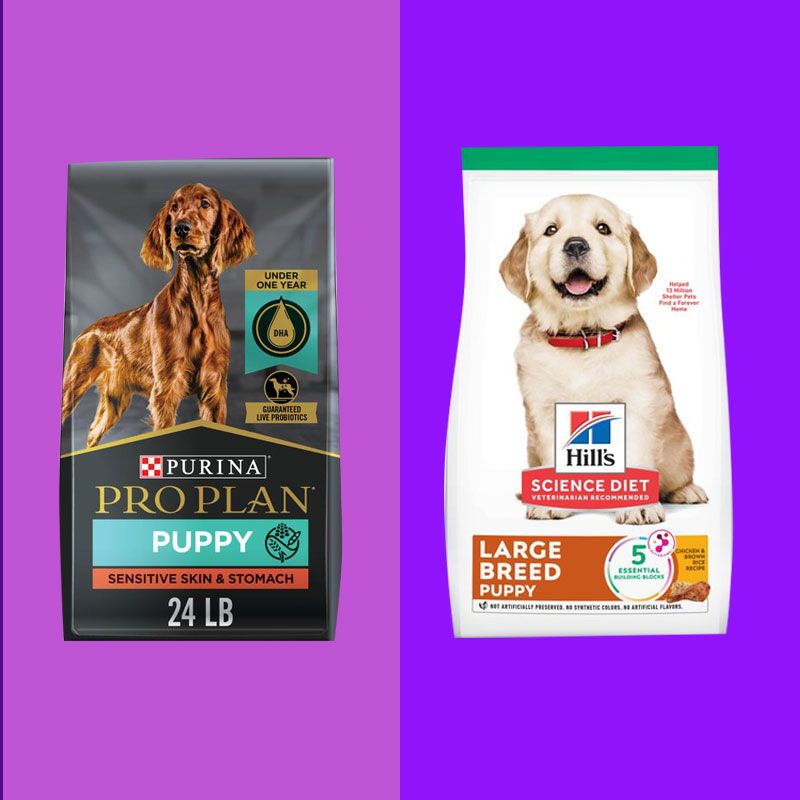
Yes, puppy food is often ideal for nursing moms. It is nutrient-dense with higher protein and fat content. This supports the increased energy needs during lactation and promotes healthy milk supply.
Should Nursing Dogs Have Increased Calorie Intake?
Absolutely, nursing dogs need 2 to 3 times more calories. Increased calories meet the high energy demands of milk production. Proper caloric intake helps maintain the mom’s weight and health.
Conclusion
Choosing the best dog food helps nursing moms stay healthy and strong. Good nutrition supports milk production for growing puppies. Balanced meals give energy and promote recovery after birth. Always check ingredients for quality proteins and essential nutrients. Fresh water is just as important for hydration.
Feeding the right food makes a big difference in care. Your nursing dog deserves the best to thrive and nurture pups well. Simple steps lead to happy moms and healthy babies. Trust your choice and watch them grow together.