

If your dog has been diagnosed with a mast cell tumor, you want to do everything you can to support their health and comfort. One of the most powerful tools you have is the food you give them every day.
Choosing the best dog food for mast cell tumor isn’t just about nutrition—it can help manage inflammation, boost the immune system, and improve your dog’s quality of life. You’ll discover simple, effective options that can make a real difference. Keep reading to find out how the right diet can help your furry friend feel their best.
Mast Cell Tumors In Dogs
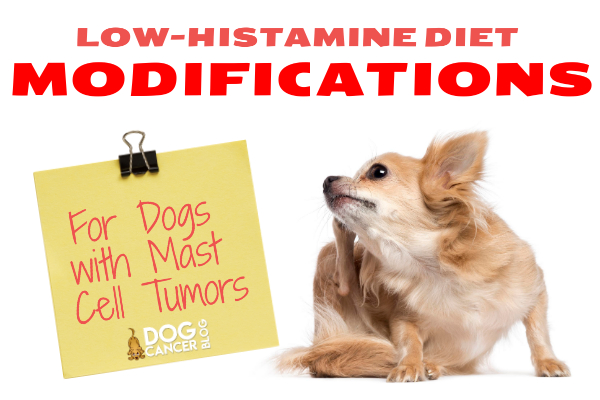
Mast cell tumors are a common type of skin cancer in dogs. They can appear as lumps or bumps on the skin. These tumors vary in size and can grow quickly. Early detection is important for better treatment outcomes. Understanding mast cell tumors helps dog owners care for their pets better.
Causes And Symptoms
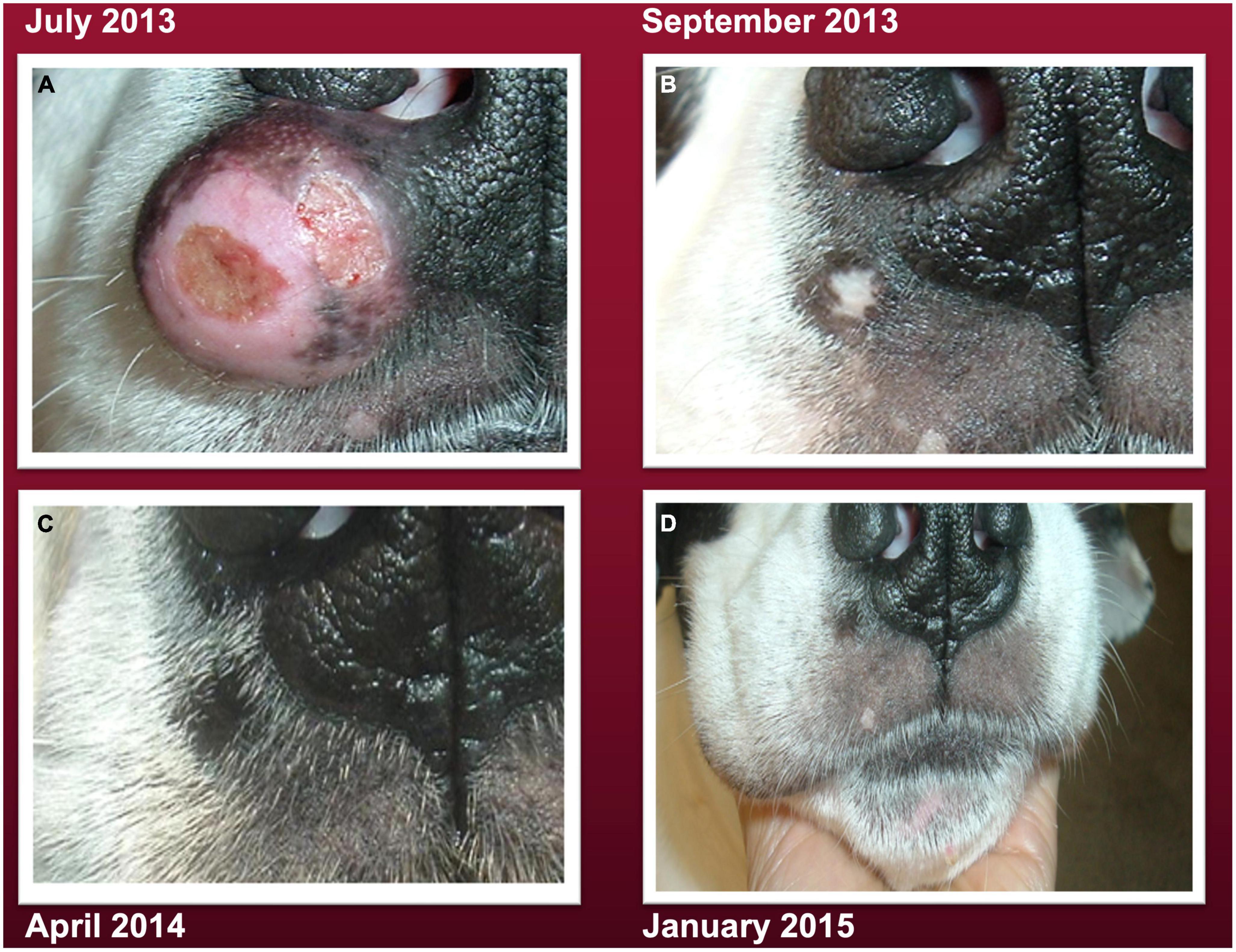
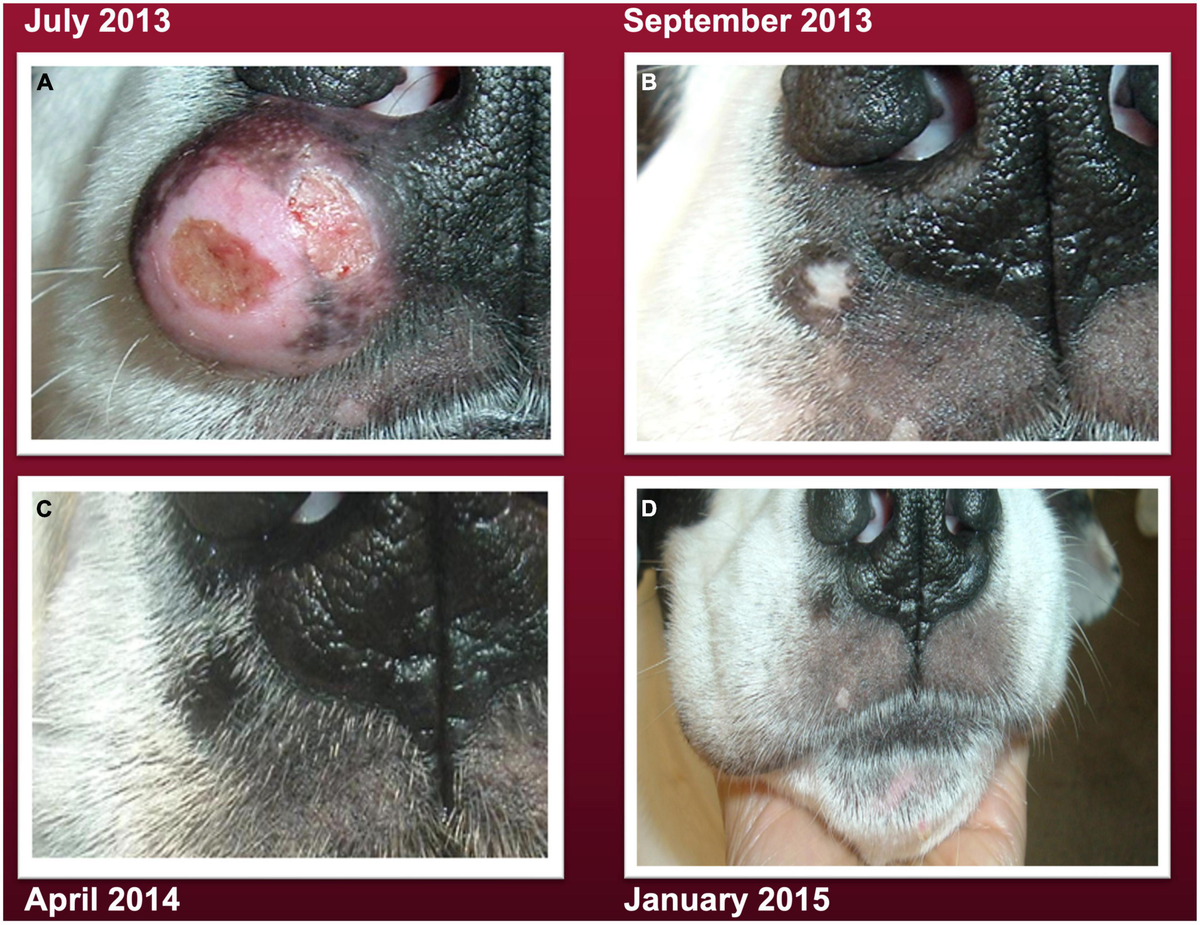
Mast cell tumors form from mast cells, a type of immune cell. The exact cause is unknown but genetics may play a role. Exposure to certain chemicals or toxins might increase risk. Symptoms include raised lumps, redness, swelling, and itching. Tumors can be firm or soft and may bleed or ulcerate.
Impact On Dog Health
These tumors can affect a dog’s health in many ways. They can release chemicals causing inflammation and allergic reactions. Some tumors spread to other organs, leading to serious illness. Dogs may show signs of pain, loss of appetite, or lethargy. Timely veterinary care is essential to manage the condition effectively.
Credit: www.dogcancerblog.com
Role Of Nutrition In Healing
Nutrition plays an important role in healing dogs with mast cell tumors. A good diet helps the body fight illness and supports recovery. Feeding the right food can improve your dog’s strength and comfort during treatment.
Choosing the best dog food for mast cell tumor means focusing on ingredients that help reduce inflammation and support the immune system. Proper nutrition may also slow tumor growth and improve quality of life.
How Diet Supports Recovery
A balanced diet provides energy needed for healing. It helps repair tissues and maintain muscle strength. Dogs with mast cell tumors often lose weight or appetite. Nutritious food encourages eating and keeps their body strong.
Diet can reduce inflammation around tumors. This lessens pain and swelling. Some foods contain antioxidants that protect cells from damage. These foods support the immune system to fight cancer cells.
Key Nutrients For Tumor Management
Omega-3 fatty acids reduce inflammation and support cell health. Fish oils are a good source of omega-3s. Protein helps rebuild damaged tissues and maintain muscle mass. Choose high-quality, easily digestible protein sources.
Antioxidants like vitamins E and C protect cells and boost immunity. Fiber improves digestion and helps remove toxins from the body. Low carbohydrate content may slow tumor growth by reducing sugar available to cancer cells.
Top Ingredients For Mast Cell Tumor Diets
Choosing the right ingredients plays a big role in managing mast cell tumors in dogs. Certain foods can support health and ease symptoms. These ingredients help reduce inflammation and support the immune system. They also avoid common allergens that might cause issues.
Anti-inflammatory Components
Inflammation can worsen mast cell tumors. Foods rich in omega-3 fatty acids help calm inflammation. Fish oil, flaxseed, and chia seeds are good sources. Turmeric also has natural anti-inflammatory properties. Including these in your dog’s diet can ease swelling and discomfort.
Immune-boosting Foods
A strong immune system helps fight tumors. Antioxidants protect cells and support immunity. Blueberries, spinach, and carrots are rich in antioxidants. Vitamins like E and C boost immune health. Mushrooms such as shiitake and maitake also help strengthen defenses.
Low-allergen Protein Sources
Proteins that rarely cause allergies reduce skin reactions. Novel proteins like duck, venison, or rabbit are good choices. These proteins lower the chance of triggering mast cell flare-ups. Avoid common proteins like beef and chicken if allergies appear. Limited-ingredient diets help identify safe protein sources.
Best Commercial Dog Foods For Mast Cell Tumors
Homemade diets offer control over every ingredient in your dog’s food. This control is important for dogs with mast cell tumors. You can avoid additives and harmful chemicals. Fresh ingredients can support your dog’s health and recovery. Making meals at home allows you to adjust recipes as needed.
Preparing food at home means you know exactly what your dog eats. You can choose foods that reduce inflammation and boost the immune system. Careful planning ensures your dog gets all nutrients without extra fillers or preservatives.
Balanced Meal Ideas
Start with a good protein source like chicken, turkey, or fish. Add cooked vegetables such as carrots, green beans, or sweet potatoes. Include complex carbs like brown rice or quinoa for energy. Use healthy fats like olive oil or fish oil. Keep portions small and frequent to help digestion.
A sample meal could be boiled chicken with steamed carrots and brown rice. Mix in a little olive oil for healthy fats. Avoid onions, garlic, and other toxic foods. Simple and fresh ingredients work best for sensitive dogs.
Supplements To Include
Supplements can support healing and immune function. Omega-3 fatty acids reduce inflammation and improve skin health. Probiotics help balance gut bacteria and digestion. Antioxidants like vitamin E and selenium protect cells from damage.
Adding turmeric or ginger in small amounts may help reduce tumor growth. Always check with your vet before starting supplements. Quality and dosage matter for safety and effectiveness.
Homemade Diets And Recipes
Feeding dogs with mast cell tumors needs special care. The right diet can support their health and comfort. Paying attention to how and what they eat helps manage symptoms and improve quality of life.
Simple changes in feeding habits make a big difference. Focus on portion size and meal timing. Watch how your dog reacts to different foods. These steps keep your dog safe and well-nourished.
Portion Control And Meal Frequency
Feed smaller meals more often during the day. This helps prevent stomach upset and keeps energy steady. Large meals can cause discomfort and worsen symptoms.
Use a measuring cup to control portion size. Avoid free feeding or unlimited food. Controlled portions reduce the risk of obesity, which stresses the body.
Monitoring Food Reactions
Watch for any changes after feeding. Signs like itching, swelling, or vomiting need quick attention. These can be reactions to ingredients or worsening tumor symptoms.
Keep a food diary. Note what your dog eats and any reactions. This record helps spot patterns and avoid problem foods. Consult your vet if you see any issues.
Credit: www.frontiersin.org
Feeding Tips For Dogs With Mast Cell Tumors
Consulting your vet is essential for choosing the best diet for a dog with mast cell tumors. Each dog’s health needs are unique. A professional can guide you to provide the right nutrition that supports your dog’s treatment and well-being. This ensures your dog gets safe and effective food options.
Customizing Nutrition For Your Dog
Your vet can help create a diet plan based on your dog’s specific condition. They consider the tumor type, stage, and your dog’s overall health. This personalized approach helps manage symptoms and supports the immune system. Your vet may recommend foods rich in antioxidants and low in allergens.
They can also suggest supplements or special ingredients that may aid healing. Customizing nutrition helps reduce inflammation and provides energy for recovery. A tailored diet works better than generic dog food for dogs with mast cell tumors.
When To Adjust The Diet
Diet changes may be needed during different treatment phases. Your vet will monitor your dog’s response to food and treatment. If side effects like vomiting or loss of appetite occur, the diet might require adjustments. Changes in the tumor or overall health also call for diet updates.
Regular check-ups help spot these needs early. Adjusting the diet keeps your dog comfortable and nourished. Following your vet’s advice ensures the diet always supports your dog’s health journey.
Credit: www.frontiersin.org
Frequently Asked Questions
What Is The Best Diet For Dogs With Mast Cell Tumors?
A low-inflammatory, high-protein diet is best. Avoid grains and fillers. Include antioxidants and omega-3 fatty acids to support immune health and reduce tumor growth.
Can Certain Foods Worsen Mast Cell Tumors In Dogs?
Yes, foods high in histamines or artificial additives can worsen symptoms. Avoid processed foods, dairy, and certain meats that may trigger allergic reactions.
How Do Omega-3 Fatty Acids Help Dogs With Mast Cell Tumors?
Omega-3 fatty acids reduce inflammation and support immune function. They may slow tumor progression and improve overall skin health in affected dogs.
Should I Consult A Vet Before Changing My Dog’s Diet?
Absolutely. A vet can tailor dietary recommendations based on your dog’s health, tumor stage, and treatment plan for optimal results.
Conclusion
Choosing the right food helps support dogs with mast cell tumors. A balanced diet can improve their strength and comfort. Nutrients like antioxidants and omega-3s may reduce inflammation. Always check ingredients for quality and avoid fillers. Consult your vet before making diet changes.
Small steps can make a big difference in your dog’s health. Keep watching your dog’s response to new food. Caring for your pet means feeding them well every day.


