

If your large breed dog struggles with a sensitive stomach, you know how tough it can be to find the right food. You want to keep your dog healthy, happy, and full of energy, but digestive issues can make that a real challenge.
Choosing the best dog food designed specifically for large breeds with sensitive stomachs can make all the difference. You’ll discover top options that soothe digestion, support joint health, and provide balanced nutrition. Keep reading to find the perfect meal that keeps your loyal friend feeling great every day.
Large Breed Digestive Needs
Large breed dogs have unique digestive needs compared to smaller dogs. Their stomachs work differently and can be more sensitive. This means they need special care in their diet. Choosing the right food can help keep their digestion healthy and avoid problems. Understanding these needs helps owners make better food choices for their pets.
Large dogs also have slower digestion. This can cause discomfort if their food is hard to digest. Foods with the right balance of nutrients and gentle ingredients support their stomachs. Proper feeding supports their overall health and comfort.
Common Stomach Issues
Large breed dogs often face stomach problems like gas, diarrhea, and bloating. These issues happen because their digestion is slower and more sensitive. Some dogs may have food allergies or intolerances that worsen their symptoms. Stomach pain and upset can make dogs less active and unhappy.
Some breeds are more prone to serious conditions like gastric dilatation-volvulus (bloat). This is a dangerous swelling of the stomach that needs quick care. Feeding smaller, frequent meals and avoiding certain foods can lower the risk. Knowing these problems helps in choosing safer dog food.
Nutritional Requirements
Large breed dogs need food with balanced nutrients to support digestion. Protein should be high quality and easy to digest. Too much fat can cause stomach upset. Fiber helps regulate digestion and keeps stools firm. Prebiotics and probiotics support good gut bacteria.
Calcium and phosphorus levels must be balanced to support bone health. Large dogs grow fast, so food must support strong muscles and joints. Avoid fillers like corn or wheat, which can irritate the stomach. A good dog food meets these needs and protects sensitive stomachs.
Ingredients To Avoid
Choosing the right dog food for large breed dogs with sensitive stomachs means avoiding certain ingredients. Some ingredients can cause allergies or upset the stomach. Knowing which to avoid helps keep your dog healthy and happy.
Common Allergens
Many dogs react badly to common allergens in dog food. Wheat, corn, and soy often cause stomach problems. Dairy products can upset digestion too. Eggs may trigger allergic reactions in some dogs. Avoid these ingredients to reduce stomach issues.
Harmful Additives
Artificial colors and flavors can irritate sensitive stomachs. Preservatives like BHA, BHT, and ethoxyquin may harm your dog’s health. Fillers such as by-products and unnamed meat sources offer little nutrition. Avoid foods with these additives for better digestion and overall health.
Key Ingredients For Sensitive Stomachs
Choosing the right ingredients is vital for dogs with sensitive stomachs. The right food supports digestion and reduces discomfort. Large breeds need special care because their digestion can be more delicate.
Key ingredients help soothe the stomach and improve nutrient absorption. These ingredients work together to keep your dog healthy and happy.
Easily Digestible Proteins
Proteins should be gentle on the stomach. Common sources include chicken, turkey, and fish. These proteins break down quickly and cause less irritation. Avoid complex proteins that may cause allergies or stomach upset.
Gentle Carbohydrates
Carbohydrates provide energy without upsetting digestion. Options like rice, sweet potatoes, and oats are easy to digest. These carbs help maintain steady energy levels and reduce digestive stress.
Probiotics And Fiber
Probiotics support healthy gut bacteria. They improve digestion and boost the immune system. Fiber helps move food smoothly through the digestive tract. Together, they reduce bloating and stomach discomfort.
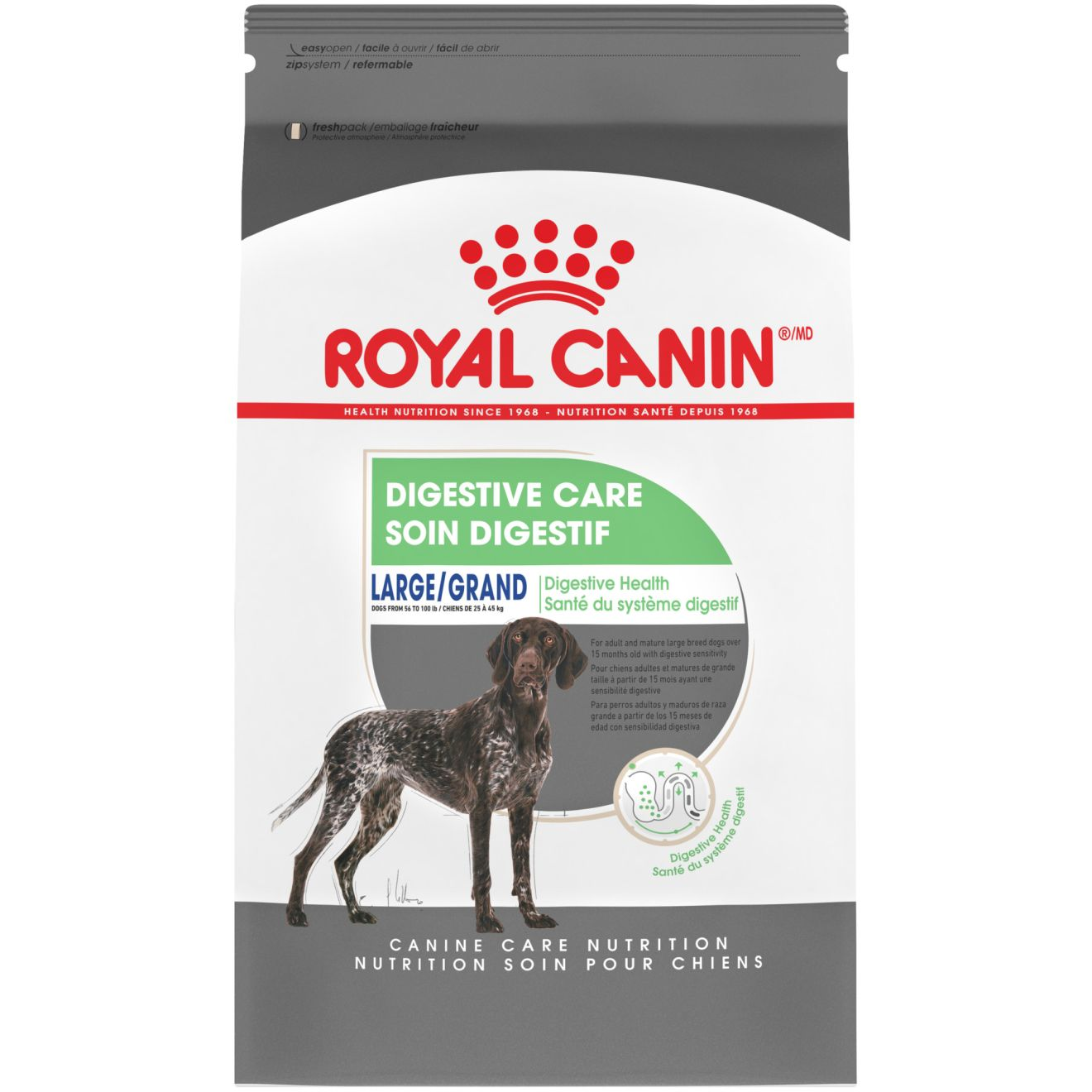
Credit: www.royalcanin.com
Top Dog Food Brands
Choosing the right dog food brand matters a lot for large breeds with sensitive stomachs. Quality ingredients support digestion and overall health. Some brands focus on natural, gentle recipes. Others offer budget-friendly options without harsh additives. Both types have strong choices to keep your dog happy and healthy.
Premium Options
Premium dog food brands use high-quality ingredients. They include real meat, grains that digest well, and added vitamins. These foods avoid artificial colors and preservatives. Brands like Blue Buffalo, Wellness, and Natural Balance offer formulas for sensitive stomachs. Their recipes often contain probiotics to aid digestion. Large breed formulas have the right balance of nutrients. This supports joints and muscle health for bigger dogs.
Affordable Choices
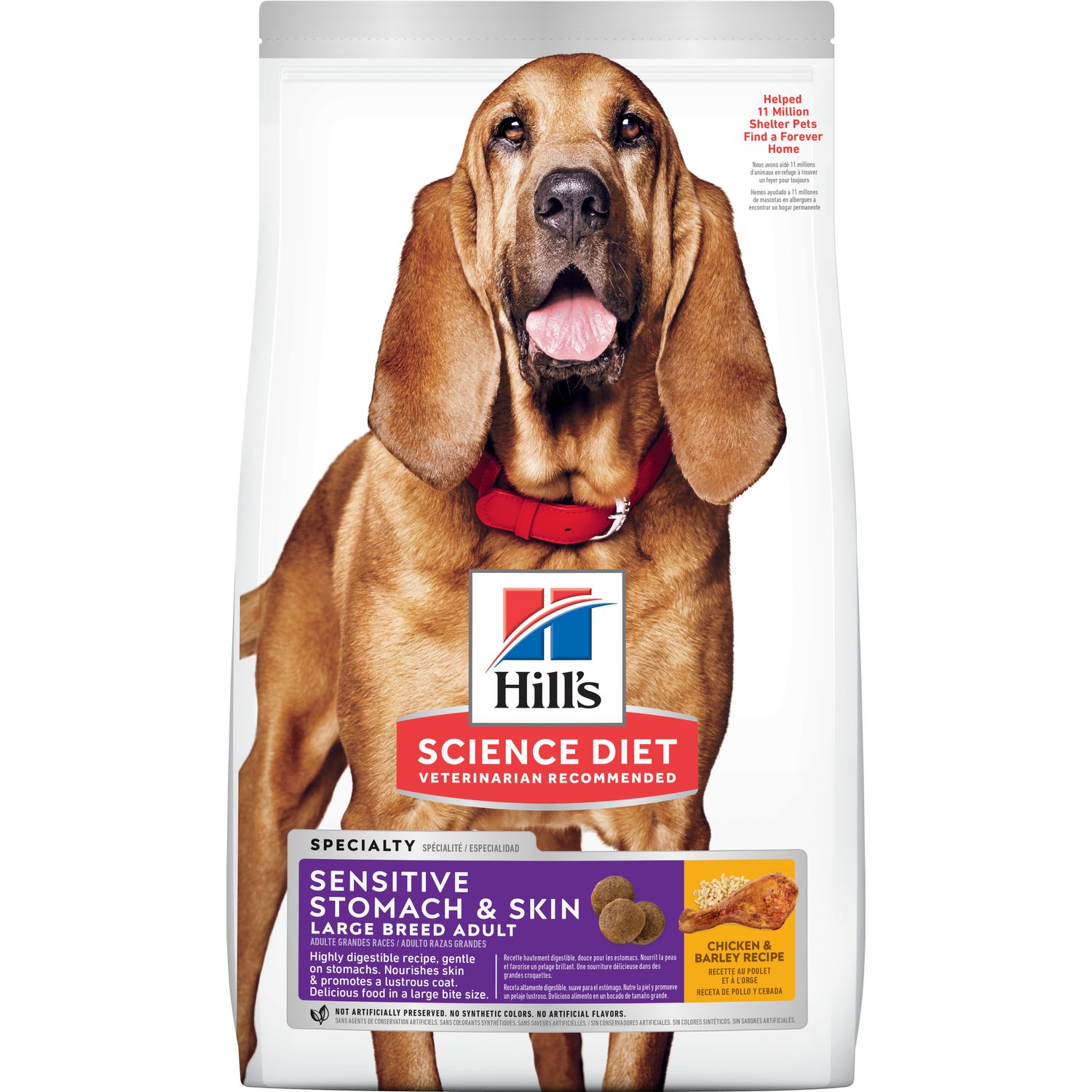
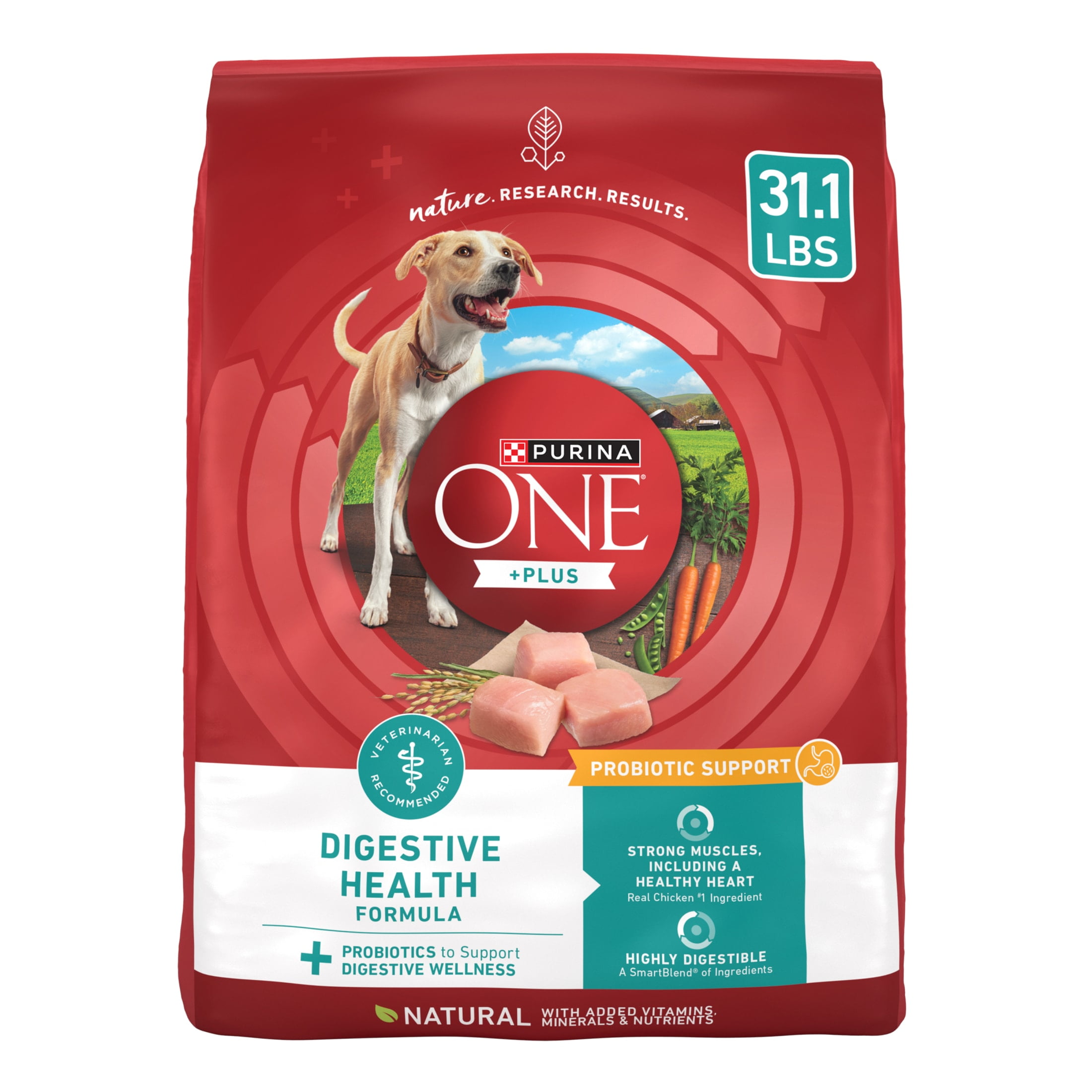
Affordable dog food brands also provide good nutrition. They use simpler ingredients but avoid common irritants. Brands like Nutro, Hill’s Science Diet, and Purina Pro Plan have sensitive stomach options. These foods focus on easy-to-digest proteins and limited ingredients. They help reduce stomach upset without costing too much. Many vets recommend these as a good starting point for sensitive dogs.
Homemade Diet Tips
Preparing homemade food for large breed dogs with sensitive stomachs can be very helpful. It lets you control every ingredient and avoid common allergens. A simple, balanced meal supports digestion and overall health. Understanding safe ingredients and proper meal preparation is key. This guide helps you create meals that your dog will enjoy and tolerate well.
Safe Ingredients
Choose lean meats like chicken, turkey, or lean beef. These are easy to digest and rich in protein. Include cooked vegetables like carrots, green beans, or pumpkin. They add fiber and nutrients without upsetting the stomach. Avoid onions, garlic, and spicy foods, as they can be harmful. Rice and sweet potatoes are good carbohydrate sources that are gentle on digestion. Always use fresh, high-quality ingredients to ensure safety and nutrition.
Meal Preparation
Cook all meats thoroughly to kill bacteria. Boil or steam vegetables to make them soft and easy to digest. Avoid adding salt, spices, or sauces. These can irritate your dog’s stomach. Prepare small portions to avoid waste and spoilage. Store leftovers in the fridge for up to three days. Serve meals at room temperature to prevent stomach upset. Consistency in meal times helps your dog’s digestive system stay regular.
Feeding Guidelines
Feeding large breed dogs with sensitive stomachs needs care and attention. Proper feeding helps avoid digestion problems and keeps your dog healthy. Follow simple guidelines to make mealtime safe and comfortable.
Choose the right portion and feeding times. These steps support digestion and energy levels. Careful feeding can prevent upset stomachs and improve your dog’s quality of life.
Portion Control
Measure food based on your dog’s weight and activity. Overfeeding can cause stomach upset and weight gain. Too little food leads to low energy and poor health. Use a measuring cup to keep portions accurate. Adjust portions if your dog gains or loses weight. Consistent portion sizes help maintain a healthy stomach.
Feeding Frequency
Feed your large breed dog two to three times daily. Smaller meals reduce the risk of bloating and stomach issues. Split the daily food amount into even portions. Regular feeding times help your dog’s digestion and routine. Avoid free feeding to control intake and monitor health. Consistent schedules make your dog feel secure and comfortable.
Signs Of Improvement
Noticing signs of improvement in your large breed dog’s sensitive stomach shows the food is working. These signs help you know if your dog is feeling better and digesting food well. Pay close attention to their digestion and behavior for clues.
Healthy Digestion Indicators
Look for softer, well-formed stools without diarrhea or constipation. Your dog should have regular bowel movements without straining. Less gas and bloating mean the stomach is calming down. Appetite should return to normal or improve. Vomiting and nausea should happen less or stop. A shiny coat can also show better nutrient absorption.
Behavioral Changes
Your dog will seem more energetic and happy. Less whining or restlessness after meals is a good sign. They may want to play more and be active. Sleeping peacefully without discomfort shows stomach relief. Overall mood will improve as pain and discomfort decrease. These changes mean your dog feels healthier inside.
Credit: realendpoints.com
When To Consult A Vet
Knowing when to consult a vet is important for your large breed dog’s sensitive stomach. Some signs need quick action to keep your dog healthy. Early care can prevent serious problems and ease your pet’s discomfort.
Persistent Symptoms
Watch for symptoms that last more than a few days. Vomiting, diarrhea, or loss of appetite should not be ignored. If your dog seems weak or stops drinking water, act fast. Ongoing stomach issues may signal allergies or infections. Timely help can stop these problems from getting worse.
Professional Advice
Vets can give the right diagnosis and treatment for sensitive stomachs. They may suggest special diets or tests to find the cause. Follow their advice closely for best results. Regular check-ups help catch new issues early. Trusting a professional keeps your large breed dog safe and comfortable.
Credit: www.walmart.com
Frequently Asked Questions
What Ingredients Are Best For Large Breed Sensitive Stomachs?
Ingredients like easily digestible proteins, fiber, and probiotics support sensitive stomachs in large breeds. Avoid fillers and artificial additives to reduce digestive upset and improve nutrient absorption.
How To Choose Dog Food For Sensitive Stomach Large Breeds?
Look for formulas with limited ingredients, gentle proteins, and added digestive enzymes. Check for grain-free or hypoallergenic options tailored to large breed dietary needs and sensitivities.
Can Sensitive Stomach Dog Food Help With Diarrhea?
Yes, specially formulated foods stabilize digestion and reduce diarrhea. They contain prebiotics and probiotics to promote healthy gut flora and improve stool consistency.
How Often Should I Feed Large Breeds With Sensitive Stomachs?
Feed smaller, frequent meals two to three times daily. This helps prevent overeating, reduces digestive stress, and supports consistent nutrient absorption for sensitive stomachs.
Conclusion
Choosing the right food helps your large dog feel better every day. Sensitive stomachs need gentle ingredients that support digestion. Quality dog food reduces tummy troubles and boosts energy. Feeding with care shows you love your pet. Watch your dog’s health improve with the best diet.
A happy dog means a happy home. Keep learning and adjusting to meet your dog’s needs. Trust your instincts and give your dog the best care.


