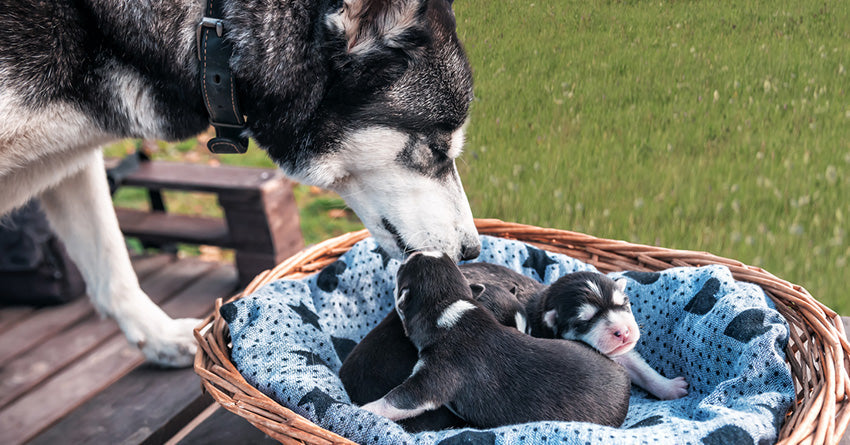
If you have a lactating dog, you know how important it is to give her the right nutrition. Your dog’s body works overtime to feed her puppies, and what she eats directly affects her health and her puppies’ growth.
Choosing the best dog food for lactating dogs isn’t just about filling a bowl—it’s about supporting her energy, milk supply, and overall well-being. You’ll discover exactly what nutrients to look for and which foods can make this demanding time easier for both you and your furry friend.
Keep reading to make sure your dog gets the care she truly deserves.
Credit: www.thehonestkitchen.com
Nutritional Needs Of Lactating Dogs
Lactating dogs have unique nutritional needs that differ from other dogs. Their bodies work hard to produce milk for their puppies. This process requires more energy and nutrients than usual. Providing the right food supports the mother’s health and her puppies’ growth. Understanding these needs helps ensure the dog stays strong and healthy during this demanding time.
Increased Caloric Requirements
Lactating dogs need more calories than normal. Milk production burns a lot of energy. Their calorie needs can double or even triple. Feeding enough calories prevents weight loss and keeps energy high. High-quality dog food with extra calories is essential. Meals should be frequent to support constant energy demands.
Essential Nutrients For Milk Production
Certain nutrients are vital for making good milk. Protein helps build strong muscles and tissues. Fat supplies energy and supports milk quality. Calcium and phosphorus keep bones healthy and support milk. Vitamins like A and E protect cells and boost immunity. Balanced nutrition ensures both mother and puppies thrive.
Hydration Importance
Water is crucial for milk production. Lactating dogs drink more water than usual. Dehydration lowers milk supply and can harm health. Fresh, clean water must always be available. Wet food can also help increase fluid intake. Keeping the dog well-hydrated supports healthy puppies and mother.

Credit: www.dogfoodadvisor.com
Key Ingredients To Look For
Lactating dogs need special nutrition to support their health and their puppies’ growth. The right dog food must have key ingredients that provide energy and nutrients. These ingredients help the mother produce enough milk and stay strong. Understanding which ingredients matter helps you choose the best food for her.
High-quality Proteins
Proteins build and repair body tissues. They are essential for milk production. Look for dog food with real meat, like chicken or beef. These provide complete proteins with all amino acids. Avoid foods with too many fillers or by-products. High-quality proteins support muscle strength and overall health during lactation.
Healthy Fats And Omega Fatty Acids
Fats give energy and keep skin and coat healthy. Omega-3 and Omega-6 fatty acids reduce inflammation and boost immunity. Fish oil and flaxseed are good sources. These fats help the mother produce rich, nutritious milk. Healthy fats also improve brain development in puppies through the milk.
Vitamins And Minerals
Vitamins and minerals support many body functions. Calcium is crucial for strong bones and milk quality. Vitamin A helps maintain healthy skin and vision. Iron supports red blood cells and energy levels. Look for dog food with balanced vitamins and minerals. They keep the mother and her puppies healthy during nursing.
Top Dog Food Brands In 2025
Choosing the right food for lactating dogs is essential for their health and their puppies’ growth. In 2025, many dog food brands focus on nutrition that supports nursing mothers. These brands offer balanced meals full of vitamins, minerals, and energy. The quality of ingredients and formula variety help meet the unique needs of lactating dogs.
Premium Wet Food Options
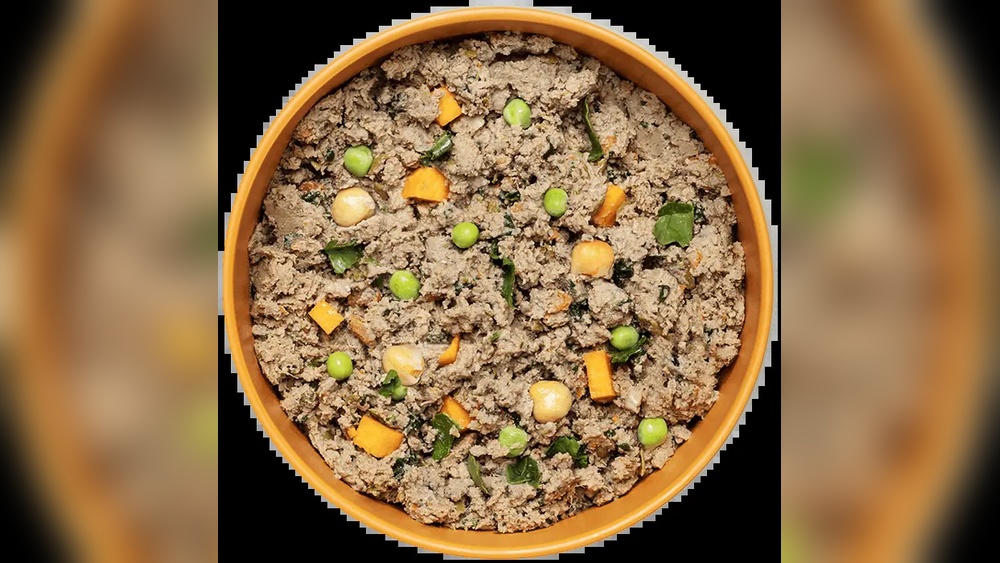
Wet dog food provides extra moisture and is easy to digest. Top brands include nutrient-rich recipes with high protein and fat levels. These options support milk production and keep dogs hydrated. Many use natural ingredients without fillers or artificial additives. Wet food is ideal for picky eaters and those needing extra calories.
Best Dry Food Choices
Dry food offers convenience and dental benefits for lactating dogs. Leading brands create formulas with balanced nutrients and added vitamins. These foods contain higher calories to fuel nursing dogs. They often include omega fatty acids for healthy skin and coat. Dry kibble is easy to store and helps maintain oral health.
Specialized Lactation Formulas
Some brands develop special formulas just for lactating dogs. These foods have extra calcium, protein, and energy to support milk production. They also contain ingredients to boost immune health and recovery. Specialized formulas help meet the increased nutritional demands of nursing mothers. They ensure both mother and puppies stay strong and healthy.
.jpeg)
Credit: butternutbox.com
Homemade Vs. Commercial Dog Food
Choosing the best food for lactating dogs is important for their health and their puppies. Homemade and commercial dog foods both offer benefits. Understanding the differences helps you make a better choice. Each option has its strengths and weaknesses.
Benefits Of Homemade Meals
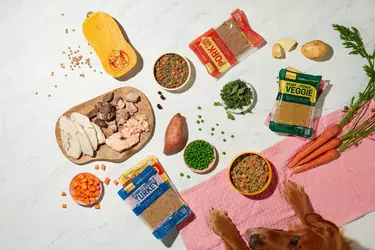
Homemade meals allow you to control ingredients. You can use fresh, natural foods that suit your dog’s taste. This helps avoid additives and preservatives found in many commercial brands. Homemade food can be richer in protein and nutrients. It supports the high energy needs of lactating dogs. You also know exactly what your dog eats.
Risks And Challenges
Homemade diets can lack important vitamins and minerals. Balancing nutrients is difficult without expert advice. Mistakes can lead to health problems for mother and puppies. Preparing meals takes time and effort every day. Food safety is also a concern. Poor handling can cause bacterial infections. Careful planning is essential to avoid these risks.
When To Choose Commercial Food
Commercial dog food offers convenience and balanced nutrition. It is made to meet the needs of lactating dogs. Many brands include extra vitamins and minerals. This supports milk production and puppy growth. Commercial food saves time and reduces stress. It is a reliable choice when you cannot prepare meals daily. Always choose high-quality brands with clear ingredient labels.
Feeding Tips For Lactating Dogs
Lactating dogs need special care in feeding to stay healthy. Their bodies work hard to produce milk for puppies. Proper feeding supports energy, milk quality, and overall health. This section shares important tips to feed lactating dogs well.
Meal Frequency And Portion Sizes
Feed lactating dogs small meals often. Aim for four to six meals daily. This helps maintain energy levels and digestion. Increase portion sizes compared to normal adult feeding. The dog needs more calories to produce milk. Use high-quality dog food with balanced nutrients. Avoid overfeeding to prevent weight gain.
Monitoring Weight And Health
Check your dog’s weight regularly during lactation. Weight loss may signal a need for more food. Rapid weight gain can cause health problems. Watch for signs of dehydration or fatigue. Healthy skin and coat reflect good nutrition. Consult a vet if you notice unusual changes.
Adjusting Diet Post-lactation
After weaning, reduce food portions gradually. The dog’s energy needs decrease after lactation ends. Switch to a maintenance diet suitable for adult dogs. Continue monitoring weight to avoid obesity. Balanced nutrition supports recovery and long-term health.
Common Mistakes To Avoid
Lactating dogs need special care in their diet. Feeding mistakes can harm both mother and puppies. Knowing common errors helps provide the best nutrition. Avoid these mistakes to keep your dog healthy and strong during this critical time.
Overfeeding And Underfeeding
Too much food can cause weight gain and health issues. Too little food can make milk production weak. Find the right amount based on your dog’s size and energy needs. Watch her weight and adjust feeding amounts regularly.
Ignoring Nutrient Balance
Lactating dogs need a balance of protein, fat, and vitamins. Skipping key nutrients can reduce milk quality. Use dog food made for nursing mothers or add supplements if needed. Balanced nutrition supports the mother’s health and puppy growth.
Neglecting Hydration
Water is vital for milk production and overall health. Without enough water, your dog can become dehydrated quickly. Always provide fresh, clean water nearby. Encourage her to drink often throughout the day.
Frequently Asked Questions
What Nutrients Are Essential In Dog Food For Lactating Dogs?
Lactating dogs need high protein, fat, calcium, and vitamins. These nutrients support milk production and energy needs. Balanced food ensures healthy puppies and mother.
How Often Should Lactating Dogs Be Fed Daily?
Lactating dogs should be fed 3 to 4 smaller meals daily. Frequent feeding supports their increased energy requirements and prevents digestive upset.
Can I Feed Regular Dog Food To A Lactating Dog?
Regular dog food may lack necessary nutrients for lactating dogs. Special formulas provide extra calories, protein, and calcium needed during nursing.
When Should I Switch Back To Normal Dog Food?
Switch to normal dog food gradually after weaning, usually 6 to 8 weeks postpartum. Transition helps avoid digestive issues and maintains health.
Conclusion
Feeding lactating dogs the right food supports their health and milk supply. Nutrient-rich meals help puppies grow strong and healthy. Choose dog food with high protein, fat, and essential vitamins. Fresh water is just as important for nursing mothers. Monitor your dog’s weight and energy levels every day.
A well-fed mom means happy, thriving puppies. Always consult your vet for the best feeding plan. Care and good nutrition make a big difference. Give your dog the best chance to care for her pups. Simple steps lead to great results.