

Choosing the best dog food for your Labrador or Golden Retriever can feel overwhelming. You want your furry friend to stay healthy, full of energy, and happy for years to come.
But with so many options out there, how do you know which one truly meets their unique needs? This guide will help you find the perfect nutrition that supports your dog’s active lifestyle and keeps their coat shiny and strong.
Keep reading to discover the key ingredients and top picks that will make your loyal companion thrive.
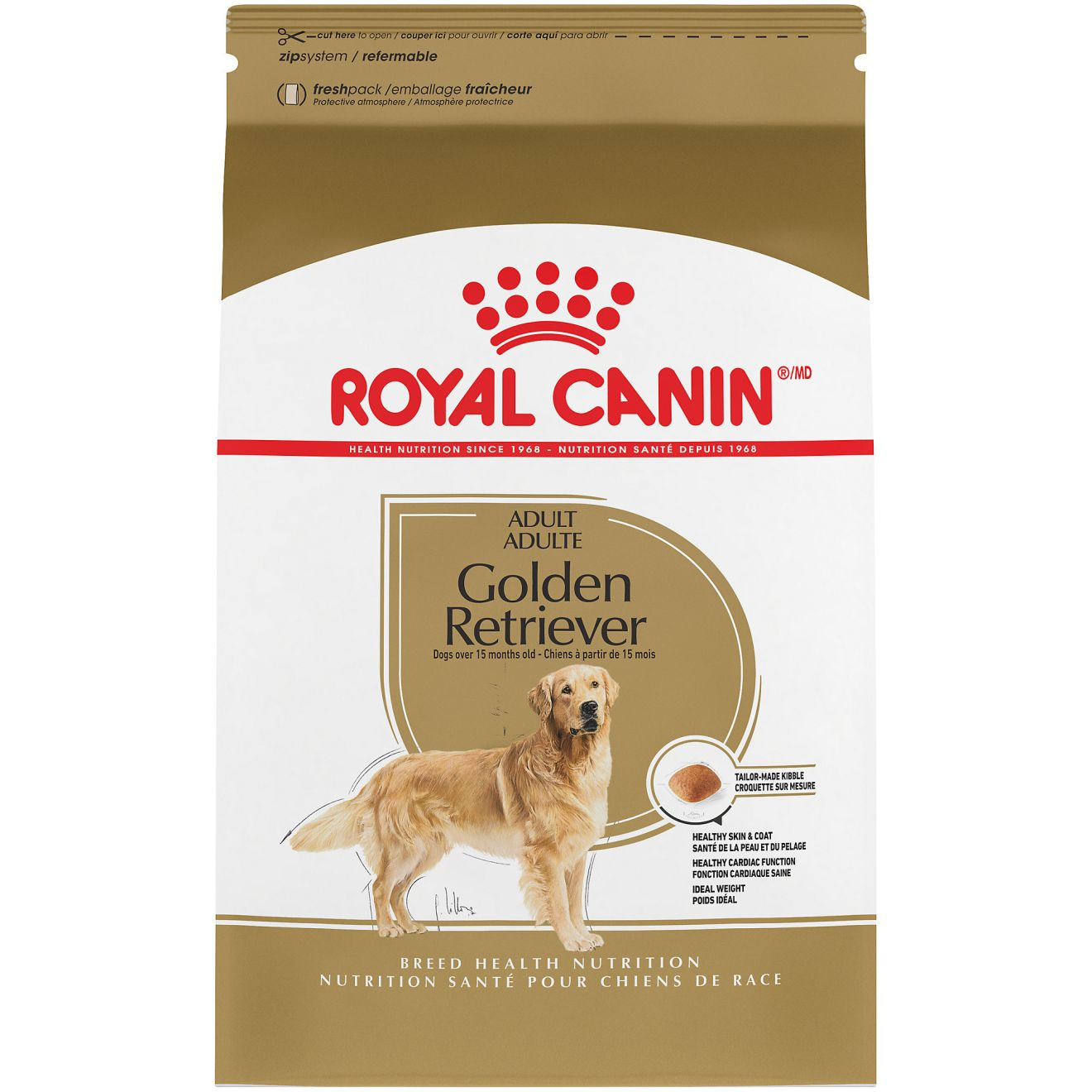
Credit: www.royalcanin.com
Nutrition Needs For Labs And Goldens
Labrador Retrievers and Golden Retrievers need special nutrition to stay healthy. Their active nature and size demand a balanced diet. Proper food helps them grow strong and keeps their energy high. Choosing the right dog food supports their well-being throughout life.
Key Nutrients For Energy And Growth
Proteins build muscles and support growth in Labs and Goldens. Healthy fats provide energy for their active days. Carbohydrates give a steady source of fuel. Vitamins and minerals keep their body systems working well. Balanced nutrition helps puppies develop and adult dogs maintain strength.
Joint Health Ingredients
Labs and Goldens often face joint problems as they age. Glucosamine and chondroitin help protect their joints. Omega-3 fatty acids reduce inflammation and support cartilage health. These ingredients improve mobility and comfort. Feeding food with joint support can prevent future issues.
Weight Management Tips
Labs and Goldens easily gain weight without proper care. Excess weight stresses their joints and heart. Measure food portions carefully to avoid overfeeding. Choose foods with fiber to keep dogs full longer. Regular exercise combined with diet control maintains a healthy weight.
Types Of Dog Food
Choosing the right food type for Labs and Golden Retrievers helps keep them healthy. Different dog foods offer various benefits for energy, coat, and digestion. Understanding types makes feeding easier and more effective.
Each type fits different needs and lifestyles. Some owners prefer convenience, while others focus on natural ingredients. Let’s explore the main dog food types for these breeds.
Dry Kibble Benefits
Dry kibble is the most common dog food. It stores well and lasts longer than other types. Kibble helps keep teeth clean by reducing plaque buildup. It is easy to measure and serve. Most brands offer formulas for large breeds like Labs and Golden Retrievers. Kibble also supports healthy digestion with added fiber.
Wet Food Advantages
Wet food has a soft texture and strong aroma. Dogs often find it more tasty and appealing. It contains more moisture, which helps keep dogs hydrated. Wet food can be easier to chew, good for older dogs. It usually has fewer preservatives than dry kibble. Wet food can be mixed with dry food to improve flavor.
Raw And Homemade Diets
Raw and homemade diets focus on natural ingredients. They include fresh meat, vegetables, and grains. Owners control every ingredient, avoiding fillers and additives. These diets may improve coat shine and energy levels. Preparing food at home takes time and care. Always consult a vet to ensure balanced nutrition for your dog.
Top Dog Food Brands
Choosing the right dog food brand is key for Labs and Golden Retrievers. Quality food supports their health, energy, and coat. Many brands offer formulas tailored to these breeds. Some focus on premium ingredients while others provide budget-friendly options. Finding the best fit depends on your dog’s needs and your budget.
Premium Choices For Labs
Labs need food rich in protein and healthy fats. Brands like Blue Buffalo and Orijen offer high-quality recipes. These foods include real meat and limited fillers. They support muscle strength and maintain a shiny coat. Many premium options also add joint supplements. This helps Labs stay active and pain-free.
Best Options For Golden Retrievers
Golden Retrievers benefit from foods with balanced nutrients. Wellness and Nutro provide formulas designed for their skin and coat. These brands use natural ingredients and avoid artificial additives. They include omega fatty acids for healthy fur. Golden Retrievers also need antioxidants to boost immunity. These foods cover those needs well.
Budget-friendly Picks
Affordable dog food can still offer good nutrition. Brands like Taste of the Wild and Diamond Naturals provide value. These foods use quality proteins and essential vitamins. They avoid cheap fillers like corn or soy. Budget options can support growth and energy. Always check the ingredient list to ensure quality.
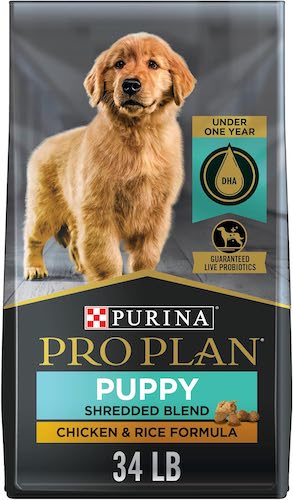
Credit: www.rover.com
Choosing Food By Life Stage
Choosing the right food for your Lab or Golden Retriever depends on their life stage. Dogs have different needs as they grow. Feeding them the right diet keeps them healthy and active. Each stage requires special nutrients and care.
Puppy Formulas
Puppies need food that supports fast growth. They require more protein and fat than adult dogs. Puppy formulas help build strong bones and muscles. These foods also support brain and eye development. Feeding puppies the right food sets a foundation for good health.
Adult Dog Foods
Adult Labs and Golden Retrievers need balanced nutrition. Their energy levels stabilize, so food should match their activity. Protein helps maintain muscle mass. Healthy fats support skin and coat. Adult dog foods keep your dog fit and energetic.
Senior Dog Nutrition
Older dogs need gentle care through their diet. Senior formulas have fewer calories to prevent weight gain. They include ingredients that support joint health. Antioxidants help protect cells from aging. Proper nutrition helps seniors stay comfortable and lively.
Allergy And Sensitivity Considerations
Allergies and food sensitivities can affect Labs and Golden Retrievers. These issues impact their digestion and skin health. Choosing the right food is vital to keep them happy and healthy. Understanding allergens and signs helps pick the best dog food.
Common Allergens In Dog Food
Many dogs react to certain ingredients in their food. Chicken and beef are common culprits. Wheat, corn, and soy also cause allergies. Dairy products sometimes lead to sensitivity. Artificial colors and preservatives may trigger reactions too.
Hypoallergenic Food Options
Hypoallergenic foods reduce the risk of allergic reactions. They use novel proteins like duck or venison. Grain-free options avoid wheat and corn. Limited ingredient diets focus on fewer components. These foods help sensitive dogs feel better.
Signs Of Food Allergies
Watch for itching and constant scratching. Red, inflamed skin may appear. Hair loss and hot spots are common. Digestive problems like vomiting or diarrhea can happen. If these signs show, consider a vet visit.
Tips For Switching Dog Food
Switching your dog’s food needs care and patience. Sudden changes can upset their stomach. A smooth change helps your dog adjust well. Watch for signs that show how they react. Knowing when to ask a vet is important. Follow these tips to make the switch easy and safe.
Gradual Transition Plan
Start by mixing 25% new food with 75% old food. Do this for three days. Then mix half new and half old for the next three days. Finally, give 100% new food. This slow change helps your dog’s tummy adjust. It reduces the chance of diarrhea or vomiting.
Monitoring Your Dog’s Reaction
Check your dog’s stool daily. Look for soft or runny poop. Watch for vomiting or loss of appetite. Notice any changes in energy or mood. If your dog seems uncomfortable, slow down the switch. Keep water available at all times. This helps keep your dog hydrated.
When To Consult A Vet
Seek help if your dog has constant diarrhea or vomiting. Contact a vet if your dog refuses to eat for more than two days. Sudden weight loss or lethargy is a warning sign. Your vet can suggest the best food choice. They can also check for allergies or other health issues.

Credit: www.goldenretrieverlife.com
Frequently Asked Questions
What Ingredients Are Best For Labs And Golden Retrievers?
High-quality protein like chicken or fish is essential. Include healthy fats such as omega-3 for coat health. Whole grains and vegetables add fiber and nutrients. Avoid fillers, artificial additives, and by-products for better digestion and overall health.
How Much Should I Feed My Lab Or Golden Retriever?
Feed based on age, weight, and activity level. Puppies need more frequent, smaller meals. Adult dogs typically eat twice daily. Consult feeding guidelines on dog food packaging or a vet for personalized portions.
Can Labs And Goldens Eat Grain-free Dog Food?
Grain-free diets can benefit dogs with allergies or sensitivities. However, they aren’t necessary for all Labs or Goldens. Always choose balanced formulas with essential nutrients. Consult your vet before switching to grain-free options.
What Are Common Food Allergies In Labs And Goldens?
Common allergies include beef, dairy, wheat, and chicken. Symptoms include itching, digestive upset, and ear infections. Elimination diets can identify allergens. Choose hypoallergenic or limited-ingredient diets if needed.
Conclusion
Choosing the right food keeps Labs and Golden Retrievers healthy. Quality ingredients support their energy and strong muscles. Balanced nutrition helps maintain a shiny coat and good digestion. Regular feeding with suitable dog food boosts their happiness and lifespan. Always watch how your dog reacts to new food.
Healthy dogs mean happy families. Care and good choices make a big difference. Keep your furry friend active and full of life. Simple steps lead to better health and joy.


