
If your dog suffers from allergies or yeast infections, you know how tough it can be to find the right food that helps without making things worse. You want the best for your furry friend, but with so many options out there, it’s easy to feel overwhelmed.
What if the food you choose could actually ease their discomfort and support their health? You’ll discover the best dog food options designed specifically for dogs with allergies and yeast infections. Keep reading to learn how to make smart choices that will help your dog feel happier and healthier every day.
Causes Of Allergies And Yeast Infections In Dogs
Allergies and yeast infections are common health problems in dogs. These conditions often cause discomfort and affect a dog’s quality of life. Understanding what causes these issues helps in choosing the right dog food and care. Allergies arise when a dog’s immune system reacts to certain substances. Yeast infections happen when the natural balance of microbes on the skin is disturbed. Both can lead to itching, redness, and other skin problems.
Common Allergens In Dog Food
Many dog foods contain ingredients that trigger allergies. Common allergens include beef, chicken, dairy, eggs, and wheat. Some dogs also react to soy or corn. These allergens cause immune reactions that affect the skin and digestive system. Choosing a dog food free from these ingredients may reduce allergic reactions.
Role Of Yeast In Skin Infections
Yeast is a type of fungus that normally lives on a dog’s skin. It usually causes no harm. Problems start when yeast grows too much. This overgrowth leads to infections and skin irritation. Moist and warm areas like ears and paws are common places for yeast infections. Proper diet and hygiene help keep yeast levels balanced.
Symptoms To Watch For
Watch for signs like constant scratching, licking, or biting. Red, inflamed, or smelly skin also signals trouble. Hair loss and scaly patches can appear too. Yeast infections often cause a musty odor. Early detection helps manage allergies and infections better.
:strip_icc()/Spruce-best-dog-food-for-allergies-4173781-024027f06d344cd8acf7267d38694fa3.jpg)
Credit: www.thesprucepets.com
Key Ingredients To Avoid
Choosing the right food for dogs with allergies and yeast infections requires careful attention. Some ingredients can worsen symptoms or cause new problems. Avoiding certain components helps keep your dog comfortable and healthy.
Grains And Fillers
Many dog foods contain grains like wheat, corn, and soy. These often cause allergic reactions. Fillers such as rice and barley add little nutrition but may trigger sensitivities. Grain-free diets can reduce allergy risks and improve digestion.
Artificial Additives And Preservatives
Artificial colors, flavors, and preservatives can irritate sensitive dogs. These chemicals may cause skin problems or worsen yeast infections. Natural ingredients and preservatives like vitamin E are safer choices for allergic dogs.
Common Protein Sources That Trigger Allergies
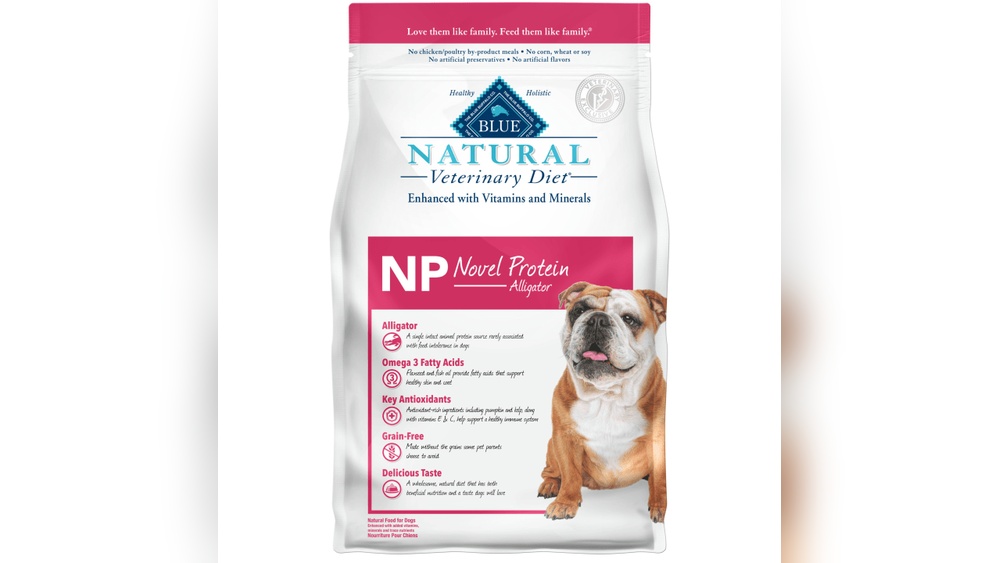
Proteins like beef, chicken, and dairy often cause allergies in dogs. Fish and lamb can also be problematic for some. Novel proteins, such as duck or venison, may reduce allergic reactions and help your dog feel better.
Essential Nutrients For Sensitive Dogs
Sensitive dogs need special care in their diet. Their bodies react to certain ingredients, causing allergies or yeast infections. Feeding the right nutrients helps reduce these problems and keeps dogs healthy. The food should support skin health, digestion, and avoid common allergens. Here are key nutrients every sensitive dog’s diet should include.
Omega Fatty Acids For Skin Health
Omega fatty acids, especially Omega-3 and Omega-6, improve skin condition. They reduce itching, redness, and inflammation. These fats help repair the skin barrier. A strong skin barrier stops allergens and yeast from causing problems. Fish oil and flaxseed are good sources of omega fatty acids. Including these in dog food supports smooth, healthy skin.
Probiotics And Digestive Support
Probiotics balance the gut bacteria in sensitive dogs. A healthy gut helps digest food better and reduces allergy symptoms. Probiotics fight harmful yeast growth in the digestive system. They also boost the immune system. Yogurt, kefir, and specially formulated dog foods contain probiotics. Feeding probiotics helps sensitive dogs feel better and stay active.
Novel Protein Sources
Novel proteins come from uncommon animal or plant sources. Examples include duck, venison, or lentils. These proteins reduce allergy risks because dogs rarely eat them. Many allergic reactions happen due to common proteins like chicken or beef. Using novel proteins in dog food helps avoid these triggers. This keeps dogs safe and nourished.

Credit: www.amazon.com
Top Dog Food Brands For Allergies And Yeast
Finding the right dog food helps manage allergies and yeast infections. Certain brands focus on gentle ingredients that reduce irritation and support skin health. Choosing the best dog food can ease discomfort and improve your dog’s quality of life.
Several top dog food brands offer special formulas for sensitive dogs. These options include limited ingredient diets, grain-free recipes, and prescription diets. Each type targets specific needs related to allergies and yeast problems.
Limited Ingredient Diets
Limited ingredient diets use fewer ingredients to lower allergy risks. These foods often contain a single protein source and simple carbohydrates. Brands like Natural Balance and Blue Buffalo offer these diets. They help identify and avoid allergens triggering reactions.
Grain-free Options
Grain-free dog foods exclude wheat, corn, and soy. These ingredients sometimes cause allergies or worsen yeast infections. Brands such as Merrick and Taste of the Wild provide grain-free formulas. These recipes focus on meat and vegetables for better digestion.
Prescription Diets
Prescription diets come from veterinarians for severe allergies and infections. They contain special nutrients to support healing and immune function. Hill’s Prescription Diet and Royal Canin are trusted names in this category. These diets require vet approval and monitoring.
Homemade Diets And Supplements
Homemade diets and supplements can help dogs with allergies and yeast infections feel better. Preparing food at home gives control over ingredients. This control helps avoid allergens and supports healing. Adding supplements can reduce yeast growth and boost immunity. Both diet and supplements play key roles in managing symptoms naturally.
Diy Recipes For Sensitive Dogs
Simple recipes with limited ingredients work best for sensitive dogs. Use lean meats like chicken or turkey. Add easy-to-digest vegetables such as carrots or green beans. Avoid grains that often trigger allergies, like wheat or corn. Cook all ingredients thoroughly to aid digestion. Small, frequent meals help maintain energy and reduce stomach upset.
Supplements To Combat Yeast Overgrowth
Probiotics support healthy gut bacteria and fight yeast. Omega-3 fatty acids reduce inflammation and soothe skin. Coconut oil has natural antifungal properties. Add it in small amounts to food. Zinc and vitamin E help repair damaged skin. Use supplements carefully and follow recommended doses.
Consulting A Veterinarian
Always ask a vet before changing diet or adding supplements. Vets can identify allergies through tests. They suggest safe and effective homemade diets. They also recommend the right supplements for yeast control. Regular check-ups track your dog’s progress and health. Professional advice ensures the best care for your pet.
Credit: www.poochandmutt.co.uk
Tips For Transitioning To New Dog Food
Switching your dog to new food needs care and patience. Dogs with allergies and yeast infections need gentle changes. Sudden food changes can cause upset stomachs or worsen allergies. Follow these tips to make the switch smooth and safe for your dog.
Gradual Introduction
Start by mixing a small amount of new food with the old. Use about 25% new food and 75% old food for three days. Then increase the new food to 50% for the next three days. After that, use 75% new food and 25% old food for three more days. Finally, feed only the new food. This slow change helps your dog’s stomach adjust.
Monitoring For Reactions
Watch your dog closely during the transition. Check for itching, redness, or skin irritation. Notice any changes in stool or digestion. If your dog shows any signs of discomfort, stop the new food. Consult your vet to avoid worsening allergies or yeast problems. Early detection keeps your dog safe.
Adjusting Portions And Frequency
Feed your dog the right amount based on the new food’s guidelines. Some foods have different calorie levels. Adjust portion sizes to keep your dog healthy and active. Split meals into smaller portions if your dog has a sensitive stomach. Feeding smaller meals more often can reduce digestive upset.
Frequently Asked Questions
What Ingredients Help Dogs With Allergies And Yeast Infections?
Limited ingredients like novel proteins and hypoallergenic grains reduce allergic reactions. Natural antifungals like coconut oil can fight yeast infections. Avoid common allergens like wheat, soy, and corn for better results.
Can Grain-free Dog Food Reduce Yeast Infections?
Yes, grain-free dog food helps by eliminating common allergens that trigger yeast overgrowth. It often contains healthier carbs like sweet potatoes. This supports balanced gut flora and reduces yeast infection risks.
How Do Probiotics Improve Dogs’ Allergy Symptoms?
Probiotics boost good bacteria in the gut, improving immune response. They help reduce inflammation linked to allergies and fight yeast growth. Regular probiotic intake supports healthier skin and digestion for allergic dogs.
Are Homemade Diets Better For Allergic Dogs?
Homemade diets allow control over allergens and ingredient quality. They can be tailored to avoid triggers and include antifungal foods. Always consult a vet to ensure balanced nutrition and effectiveness.
Conclusion
Choosing the right dog food helps ease allergies and yeast infections. Quality ingredients support your dog’s health and comfort. Avoid foods with common allergens that trigger reactions. Grain-free and limited-ingredient diets often work best. Always watch how your dog responds to new foods.
Consult your vet for personalized advice and care. Healthy eating leads to a happier, itch-free dog. Small changes make a big difference in your pet’s life. Keep your dog’s needs in mind every mealtime.


