If your dog struggles with allergies and yeast infections, you know how hard it is to find the right food. You want something that not only soothes their sensitive skin but also keeps yeast under control.
Choosing the best dog food can make a huge difference in your dog’s comfort and health. You’ll discover the top options that can help your furry friend feel better and enjoy mealtime again. Keep reading to find the perfect food that supports your dog’s unique needs.
:strip_icc()/oneplus_sensitive-c831eb0f80914383989f1ccf8b2bd528.jpeg)
Credit: www.thesprucepets.com
Causes Of Allergies And Yeast In Dogs
Dogs can suffer from allergies and yeast problems that cause discomfort. These issues often start with what they eat or their environment. Understanding the causes helps in choosing the right food and care. Allergies and yeast infections can affect a dog’s skin, ears, and overall health.
Some foods can trigger allergic reactions. Yeast grows quickly if conditions are right. Both problems need careful attention to keep dogs healthy and happy.
Common Allergens In Dog Food
Many dog foods contain ingredients that cause allergies. Beef, chicken, and dairy products are common triggers. Wheat, corn, and soy can also cause reactions. Dogs may show itching, redness, or digestive issues from these allergens. Identifying and avoiding these ingredients can reduce allergic symptoms. Limited ingredient diets often help dogs with food allergies.
How Yeast Overgrowth Occurs
Yeast naturally lives on a dog’s skin and ears. Problems start when yeast grows too much. Warm, moist areas are perfect for yeast to multiply. Poor diet or allergies can upset the balance of bacteria and yeast. This imbalance leads to infections and itching. Controlling yeast means managing diet and keeping skin clean and dry.
Symptoms To Watch For
Dogs with allergies and yeast infections show clear signs. Watching for symptoms helps you act fast. Early detection can ease your dog’s discomfort. Knowing what to look for is important. This section explains key symptoms to watch for.
Signs Of Allergic Reactions
Allergic dogs often scratch and bite their skin. Redness and swelling are common in affected areas. You may see hair loss or dry patches. Some dogs develop rashes or bumps on the skin. Ear infections with odor and redness can occur. Sneezing and watery eyes may also appear. Changes in appetite or behavior might happen. Track these signs closely for early care.
Detecting Yeast Infections
Yeast infections cause itchiness and discomfort. Look for thick, smelly discharge around ears or paws. The skin may look red and inflamed. Dogs might lick paws or ears often. A musty odor can come from infected spots. Yeast infections can cause flaky, greasy skin. Check your dog regularly to spot these signs. Early treatment helps prevent worsening conditions.
Key Ingredients For Sensitive Dogs
Choosing the right ingredients is key for dogs with allergies and yeast issues. Sensitive dogs need food that calms their stomach and skin. Ingredients should reduce irritation and support health.
Good dog food avoids common allergens and uses gentle, natural components. It helps control yeast growth and keeps dogs comfortable.
Hypoallergenic Proteins
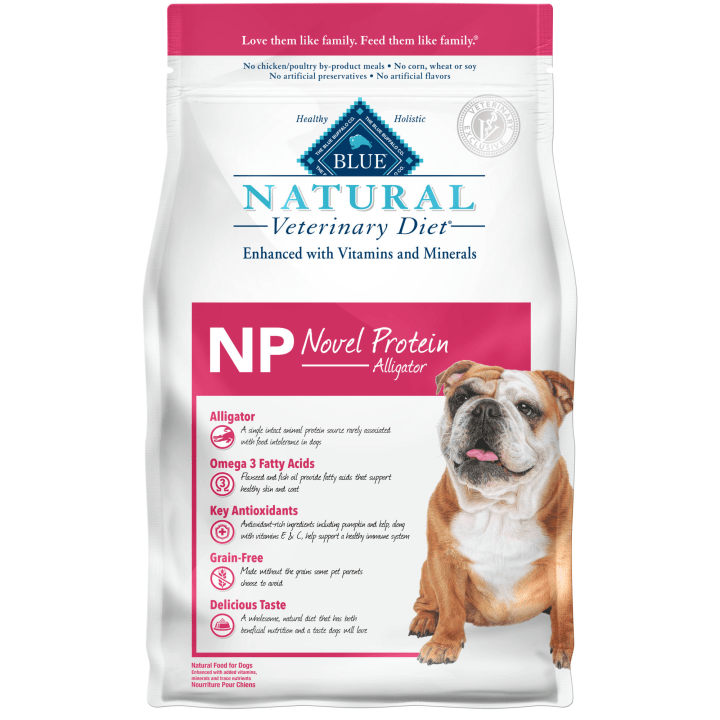
Hypoallergenic proteins reduce the chance of allergic reactions. These proteins come from sources like duck, venison, or fish. They are less common than chicken or beef. This lowers the risk of allergies. These proteins are easy to digest. They help keep the immune system calm.
Grain-free And Limited Ingredient Options
Grain-free foods remove wheat, corn, and soy. These grains often cause allergies or upset stomachs. Limited ingredient diets use fewer components. This helps identify and avoid allergens. They focus on simple recipes with few ingredients. This reduces the chance of reactions and supports sensitive digestion.
Probiotics And Prebiotics Benefits
Probiotics add good bacteria to the gut. They improve digestion and boost immunity. Prebiotics feed these good bacteria. This balance helps fight yeast overgrowth. A healthy gut reduces skin problems and itching. These ingredients support long-term health for sensitive dogs.
Credit: iwaki-hasedera.or.jp
Top Dog Food Brands For Allergies And Yeast
Choosing the right dog food for dogs with allergies and yeast issues is crucial. The right food helps reduce itching, inflammation, and discomfort. Many brands offer special formulas to support sensitive dogs. These foods avoid common allergens and use ingredients that fight yeast overgrowth. Below are top dog food brands that suit these needs.
Best Overall Hypoallergenic Dog Foods
These dog foods use limited ingredients to reduce allergic reactions. They often avoid grains, dairy, and common proteins like chicken or beef. Brands like Hill’s Prescription Diet and Royal Canin offer hypoallergenic options. These foods help calm skin and improve coat health. Many vets recommend these for dogs with severe allergies.
Budget-friendly Choices
Affordable dog foods can still support allergic and yeast-prone dogs. Look for brands like Natural Balance and Blue Buffalo Basics. These products use simple recipes with one protein source. They avoid fillers and artificial additives. These options provide good nutrition without high costs.
Premium Options With Natural Ingredients
Premium brands focus on natural, high-quality ingredients. Wellness Simple and Canidae PURE use whole foods and avoid artificial preservatives. They include probiotics and omega fatty acids to support skin health. These foods help maintain a balanced immune system and reduce yeast problems. They suit owners who want natural care for their pets.
Homemade Diets And Supplements
Homemade diets and supplements offer control over what your dog eats. This control helps reduce allergy and yeast flare-ups. Preparing meals at home lets you avoid common triggers. You also ensure fresh, quality ingredients for your dog’s health.
Supplements can support your dog’s immune system and skin health. They help fight yeast infections naturally. Combining homemade food with the right supplements gives your dog a better chance at comfort.
Safe Homemade Recipes
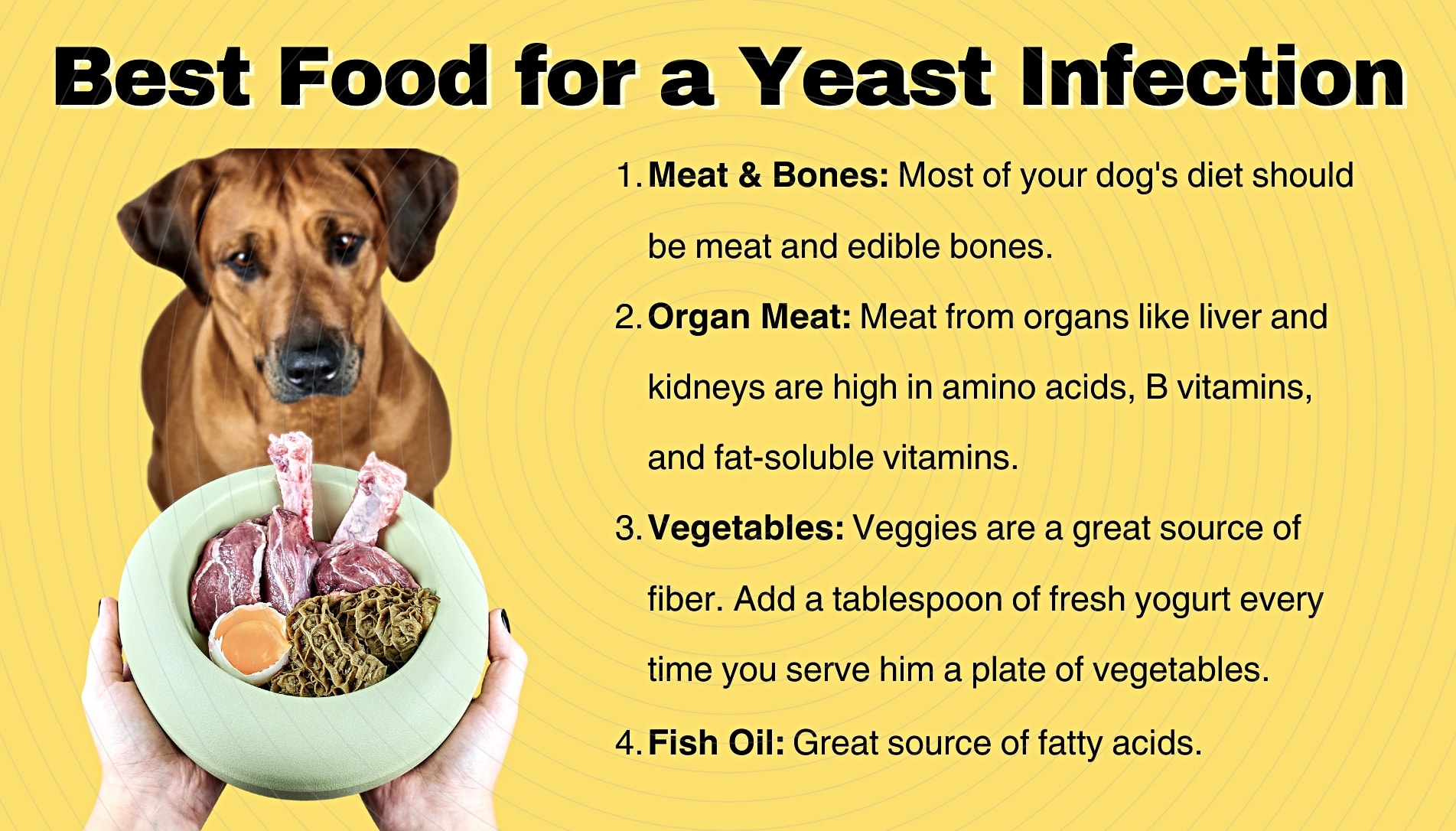
Choose simple recipes with limited ingredients. Use lean meats like chicken or turkey. Add cooked vegetables such as carrots or green beans. Avoid common allergens like wheat, corn, and soy. Use rice or sweet potatoes as a carbohydrate source. Cook all ingredients thoroughly to aid digestion. Keep portions balanced to cover protein, fats, and carbs. Consult a vet to ensure the diet meets all needs.
Supplements To Combat Allergies And Yeast
Probiotics help balance your dog’s gut bacteria. A healthy gut reduces yeast growth and boosts immunity. Omega-3 fatty acids improve skin health and reduce itching. Natural antifungals like coconut oil can limit yeast infections. Vitamin E supports skin repair and reduces inflammation. Always choose supplements made for dogs. Start with small doses and watch for reactions.
Credit: pethelpful.com
Tips For Managing Allergies And Yeast
Managing allergies and yeast in dogs requires careful attention to diet and daily care. Small changes can reduce symptoms and improve your dog’s comfort. Consistency is key. Understanding feeding routines, hygiene, and when to seek help helps control these issues effectively.
Feeding Schedules And Portions
Feed your dog on a regular schedule every day. Stick to the same times to help digestion and avoid overeating. Measure food portions carefully to prevent excess weight, which worsens allergies. Choose hypoallergenic dog food made for sensitive skin and yeast problems. Avoid treats that contain grains or artificial ingredients.
Environmental Factors And Hygiene
Keep your dog’s living area clean and dry. Wash bedding often to reduce dust and allergens. Brush your dog regularly to remove loose fur and dirt. Use mild shampoos designed for dogs with sensitive skin. Limit exposure to pollen, mold, and dust mites that can trigger allergies. Maintain good air circulation in your home.
When To Consult A Veterinarian
Watch for signs like itching, redness, or bad odor from your dog’s skin. If symptoms persist or worsen, visit your vet promptly. The vet can run tests to find specific allergies or infections. Prescription treatments may be needed to control yeast growth and inflammation. Early vet visits prevent complications and improve recovery chances.
Frequently Asked Questions
What Ingredients Should I Avoid In Dog Food For Allergies?
Avoid common allergens like wheat, soy, corn, and artificial additives. Grain-free options often work better for allergic dogs. Limited ingredient diets help identify triggers. Always check labels carefully to ensure your dog’s safety and comfort.
How Does Yeast Affect Dogs With Allergies?
Yeast can worsen skin infections and cause itching in allergic dogs. It thrives in moist environments, leading to inflammation. Managing yeast overgrowth requires specialized diets with anti-yeast ingredients and vet guidance to reduce symptoms effectively.
Are Hypoallergenic Dog Foods Effective For Yeast Issues?
Yes, hypoallergenic dog foods reduce exposure to allergens and yeast-promoting ingredients. They often contain novel proteins and limited carbohydrates. These diets help control yeast growth and improve skin health. Consult your vet to choose the best option.
Can Probiotics Help Dogs With Allergies And Yeast Problems?
Probiotics support gut health and balance yeast levels in dogs. They boost immunity and reduce allergy symptoms. Adding probiotics to your dog’s diet can improve digestion and skin condition. Always choose vet-recommended probiotic supplements.
Conclusion
Choosing the right food helps dogs with allergies and yeast feel better. Foods with simple ingredients reduce the chance of reactions. Grain-free and limited-ingredient diets often work well. Always check labels and avoid common allergens. Consult your vet to find the best option.
Feeding your dog the right food supports health and comfort. Small changes can make a big difference in their life. Keep observing your dog’s response to new food. Healthy meals lead to happier, more active pets every day.