If your dog struggles with atopic dermatitis, you know how tough it can be to see them constantly itching and uncomfortable. Finding the right dog food can make a huge difference in easing their skin issues and improving their quality of life.
But with so many options out there, how do you choose the best food that truly supports your dog’s sensitive skin? This guide will help you discover the top dog foods designed specifically for atopic dermatitis, so you can give your furry friend the relief they deserve.
Keep reading to find the perfect nutrition plan that helps your dog feel better from the inside out.

Credit: butternutbox.com
Causes Of Atopic Dermatitis In Dogs
Atopic dermatitis in dogs causes itchy, red, and inflamed skin. This skin condition often results from several factors. Understanding these causes helps manage and reduce symptoms. Below are the main causes that trigger atopic dermatitis in dogs.
Common Allergens
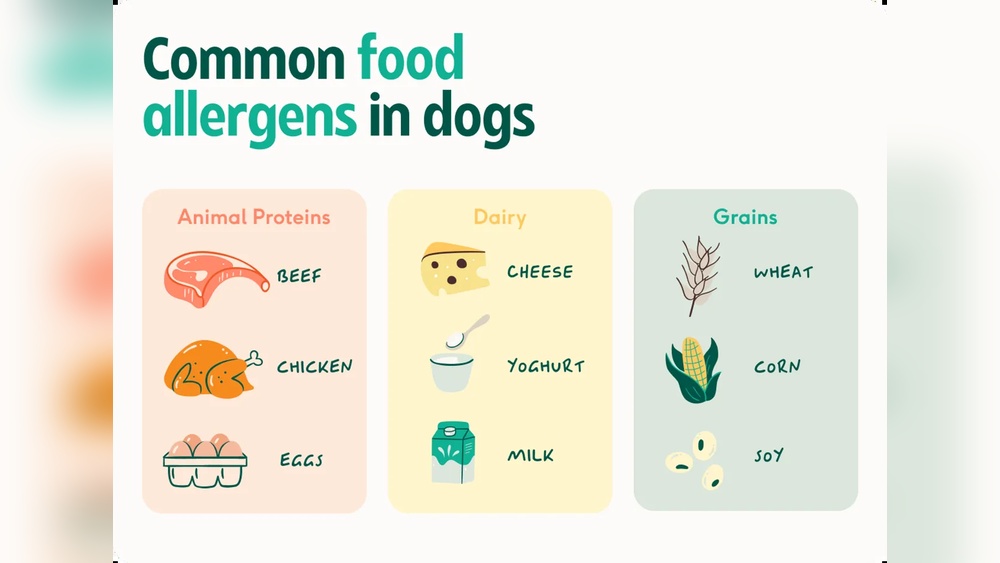
Certain allergens irritate a dog’s skin and immune system. These include pollen, dust mites, mold spores, and flea saliva. Food ingredients like beef, dairy, and wheat can also cause allergic reactions. Allergens enter the skin or digestive system and trigger inflammation.
Genetic Factors
Some dog breeds have a higher risk of atopic dermatitis. Breeds like Retrievers, Terriers, and Bulldogs often inherit this condition. Genetic factors affect the skin’s barrier and immune response. Dogs with family history of allergies are more likely to develop it.
Environmental Triggers
Environmental factors worsen atopic dermatitis symptoms. Humidity, temperature changes, and pollution can irritate the skin. Chemicals in cleaning products or shampoos may also cause reactions. Regular exposure to these triggers can lead to flare-ups in sensitive dogs.
Symptoms To Watch For
Atopic dermatitis in dogs causes discomfort and affects their daily life. Spotting symptoms early helps manage the condition well. Watch for signs on the skin, behavior shifts, and infections that may appear. Understanding these signs guides you to choose the best dog food and care routines.
Skin Irritation Signs
Redness and swelling often show on a dog’s skin. The skin may look dry or flaky. Dogs might scratch or lick the same spot repeatedly. Hair loss can happen in affected areas. These signs point to irritation and possible allergies.
Behavioral Changes
Dogs with atopic dermatitis might seem restless or anxious. They may sleep less or act irritable. Constant itching can make them avoid playtime or walks. These changes reflect discomfort and stress from skin problems.
Secondary Infections
Scratching can break the skin, leading to infections. Look for pus, bad smell, or crusty sores. Infections make symptoms worse and need quick treatment. Treating infections helps your dog heal faster.
Key Nutrients For Skin Health
Healthy skin depends on certain key nutrients. These nutrients help reduce itching and inflammation in dogs with atopic dermatitis. Feeding the right dog food with these elements can improve skin condition and comfort. Understanding these nutrients helps choose the best dog food for skin health.
Omega Fatty Acids
Omega fatty acids like Omega-3 and Omega-6 support skin health. They reduce inflammation and soothe irritated skin. These fats also keep the skin hydrated and shiny. Fish oil and flaxseed are great sources of omega fatty acids. Including these fats in dog food helps control itching and dryness.
Vitamins And Minerals
Vitamins A, E, and zinc play a vital role in skin repair. Vitamin A promotes cell growth and healing. Vitamin E acts as an antioxidant, protecting skin from damage. Zinc helps keep the skin barrier strong and healthy. These nutrients support quick healing and reduce flare-ups.
Hypoallergenic Ingredients
Hypoallergenic ingredients reduce the risk of allergic reactions. Common allergens like wheat, soy, and dairy can worsen skin problems. Dog foods with novel proteins such as duck or venison reduce allergy triggers. Limited ingredient diets help identify and avoid allergens. This prevents flare-ups and keeps skin calm.

Credit: www.bencableelectrical.co.nz
Top Dog Foods For Atopic Dermatitis
Choosing the right food can help ease atopic dermatitis symptoms in dogs. Some dog foods reduce skin inflammation and support healing. They contain ingredients that calm the immune system and avoid triggers.
Quality matters. The best foods focus on gentle, nourishing ingredients. These options fit different needs and vet recommendations. Here are top dog foods for atopic dermatitis to consider.
Prescription Diet Options
Prescription diets often include special nutrients for skin health. They contain controlled protein sources that reduce allergies. Vets usually recommend these diets for dogs with severe dermatitis. These foods help lower itching and skin redness. They include omega-3 fatty acids and antioxidants to support healing.
Natural And Organic Choices
Natural and organic dog foods use fewer chemicals and fillers. They focus on whole foods with vitamins and minerals. These diets avoid artificial colors, preservatives, and flavors. Many have added fish oil, which helps soothe inflamed skin. They suit dogs sensitive to synthetic ingredients.
Limited Ingredient Diets
Limited ingredient diets contain fewer ingredients to reduce allergy risks. They often use a single protein and carbohydrate source. This simplicity helps identify and avoid food triggers. These diets are gentle on the digestive system. They can improve skin condition and reduce flare-ups.
Supplements To Boost Relief
Supplements can help dogs with atopic dermatitis feel better. They support skin health and reduce itching. Adding the right supplements to your dog’s diet can boost relief and improve comfort.
Fish Oil Benefits
Fish oil is rich in omega-3 fatty acids. These fats reduce inflammation and soothe irritated skin. Regular use can lower redness and itchiness. Fish oil also supports the immune system to fight allergies.
Probiotics For Skin
Probiotics improve gut health, which affects the skin. A healthy gut helps reduce allergic reactions. Probiotics balance good bacteria and boost the immune response. This can lead to less skin flare-ups and better healing.
Herbal Additions
Some herbs help calm skin and reduce itching. Chamomile and aloe vera have natural anti-inflammatory effects. Calendula supports skin repair and soothes irritation. Herbal supplements can be a gentle aid for sensitive skin.
Credit: opencontabilidade.com
Diet Tips For Managing Allergies
Managing allergies in dogs with atopic dermatitis starts with the right diet. Choosing the best food can reduce flare-ups and ease itching. A careful diet helps control symptoms and supports skin health. Understanding what to feed and how to change foods is key.
Elimination Diet Plans
Elimination diets help find food triggers. Feed your dog one protein and one carbohydrate source not given before. Keep this diet for 8 to 12 weeks. Watch for any skin or allergy changes. If symptoms improve, add foods back slowly to spot the cause.
Avoiding Common Triggers
Some ingredients often cause allergies. Common triggers include beef, dairy, wheat, and chicken. Avoid foods with artificial additives or preservatives. Choose limited ingredient dog food for fewer risks. Always check labels carefully to protect your dog’s skin.
Transitioning Foods Safely
Switch foods gradually to avoid stomach upset. Mix new food with old for 7 to 10 days. Increase new food amount slowly each day. Watch for any signs of allergy or digestion problems. A smooth transition keeps your dog comfortable and healthy.
Lifestyle Changes To Support Skin
Supporting your dog’s skin health goes beyond choosing the right food. Simple lifestyle changes can ease atopic dermatitis symptoms. These changes help reduce irritation and keep skin calm.
Small daily habits improve your dog’s comfort and skin condition. Focus on bathing, grooming, environment, and stress. Each area plays a key role in skin support.
Bathing And Grooming
Regular baths remove allergens and dirt from the skin. Use gentle, hypoallergenic shampoos made for sensitive skin. Avoid harsh soaps that dry or irritate your dog.
Brush your dog often to remove loose fur and prevent mats. Clean fur helps skin breathe and reduces itching. Keep nails trimmed to stop scratching wounds.
Environmental Control
Keep your home clean and dust-free. Vacuum floors and furniture frequently. Wash your dog’s bedding weekly to remove allergens.
Limit exposure to pollen, mold, and other triggers outside. Use air purifiers to improve indoor air quality. Choose walking times when allergen levels are low.
Stress Reduction Techniques
Stress can worsen skin problems in dogs. Provide a calm and safe space for your pet. Maintain a regular routine for feeding and walks.
Use gentle play and massage to relax your dog. Avoid loud noises and sudden changes. Calm dogs show fewer signs of skin discomfort.
Frequently Asked Questions
What Ingredients Help Dogs With Atopic Dermatitis?
Ingredients like omega-3 fatty acids, antioxidants, and limited allergens help soothe skin. Novel proteins and hypoallergenic formulas reduce irritation and inflammation effectively.
Can Diet Improve My Dog’s Skin Condition?
Yes, a balanced diet rich in fatty acids and vitamins supports skin health. Proper nutrition can reduce itching, redness, and flare-ups linked to atopic dermatitis.
Which Dog Food Brands Are Best For Atopic Dermatitis?
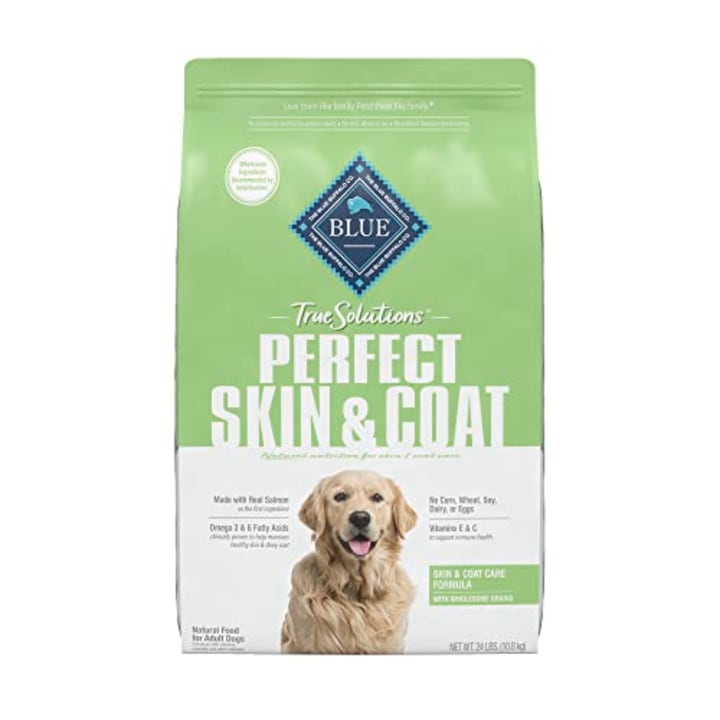
Brands like Hill’s Prescription Diet, Royal Canin, and Blue Buffalo offer specialized formulas. These focus on skin support, reducing allergens and promoting healing for affected dogs.
How Long Does It Take For Diet To Show Effects?
Improvement usually appears within 4 to 8 weeks of consistent feeding. Patience is key, as skin repair and symptom relief take time with dietary changes.
Conclusion
Choosing the right dog food helps ease atopic dermatitis symptoms. Quality ingredients support your dog’s skin and coat health. Avoid foods with common allergens to reduce itching and redness. Always check labels carefully for safe and gentle options. Consult your vet for personalized advice and diet changes.
Consistent care and good nutrition improve your dog’s comfort. Healthy skin means a happier, more active pet. Keep an eye on how your dog responds to new food. Small changes can make a big difference in their well-being.