

If your dog struggles with allergies, you know how tough it can be to find the right food that keeps them healthy and happy. Choosing the best dog food for allergy-prone dogs isn’t just about feeding—they need meals that soothe their sensitive systems and avoid flare-ups.
You’ll discover simple, effective ways to pick the perfect diet that helps your furry friend feel their best every day. Keep reading to learn what ingredients to look for, which to avoid, and how to make allergy management easier for both you and your dog.
:strip_icc()/Spruce-best-dog-food-for-allergies-4173781-024027f06d344cd8acf7267d38694fa3.jpg)
Credit: www.thesprucepets.com
Common Allergies In Dogs
Dogs can suffer from allergies just like people. These allergies can cause discomfort and health problems. Understanding common allergies in dogs helps owners give better care. Knowing the signs and causes is important for preventing issues.
Symptoms To Watch For
Itching is a top sign of allergies in dogs. Red, irritated skin often shows up. Dogs may lick or chew their paws a lot. Ear infections can happen more often. Runny eyes and sneezing are common symptoms. Sometimes, dogs have digestive problems like vomiting or diarrhea.
Triggers And Causes
Food ingredients can trigger allergic reactions. Common culprits include beef, dairy, and wheat. Environmental factors like pollen and dust cause allergies too. Flea bites also lead to strong allergic reactions. Chemicals in cleaning products may irritate sensitive dogs. Identifying triggers is key to managing allergies well.
Benefits Of Hypoallergenic Dog Food
Hypoallergenic dog food offers many benefits for allergy-prone dogs. It helps reduce allergic reactions and supports overall health. Dogs with allergies need special care in their diet. Hypoallergenic food contains limited ingredients to avoid common allergens. This food type improves comfort and quality of life for sensitive dogs.
Reducing Allergic Reactions
Hypoallergenic dog food uses ingredients less likely to cause allergies. It avoids common triggers like wheat, soy, and certain proteins. This food helps lower itching, swelling, and digestive problems. Dogs feel better and show fewer signs of allergies. Consistent use can prevent flare-ups and keep dogs calm.
Improving Skin And Coat Health
Many hypoallergenic foods include omega-3 and omega-6 fatty acids. These nutrients support healthy skin and a shiny coat. Allergic dogs often suffer from dry, flaky skin. Special diets reduce redness and irritation. A healthy coat means less scratching and more comfort for dogs.
Key Ingredients To Avoid
Choosing the right food for allergy-prone dogs requires care. Certain ingredients can trigger allergic reactions. Avoiding these can help keep your dog healthy and happy. Understanding what to skip is the first step in selecting the best dog food.
Common Allergens In Dog Food
Some ingredients often cause allergies in dogs. Beef is a frequent allergen. Chicken can also trigger reactions. Dairy products may cause issues. Wheat and soy are common culprits too. These ingredients can lead to itching and digestive problems.
Hidden Ingredients That Cause Issues
Many dog foods contain hidden allergens. Artificial colors and flavors may irritate sensitive dogs. Preservatives like BHA and BHT can cause problems. By-products from meat can be a source of allergens. Gluten can hide in many products. Reading labels carefully helps avoid these hidden triggers.
Credit: ieced.com.ec
Top Hypoallergenic Dog Food Types
Hypoallergenic dog foods help reduce allergic reactions in sensitive dogs. These foods avoid common allergens and use safe ingredients. Choosing the right type can ease your dog’s discomfort and improve health.
Different hypoallergenic dog food types serve various needs. Understanding these types helps pick the best option for your dog.
Limited Ingredient Diets
Limited ingredient diets contain fewer components. They often have one protein and one carbohydrate source. This simplicity lowers the chance of allergies. It also makes it easier to spot which ingredient causes issues.
Novel Protein Formulas
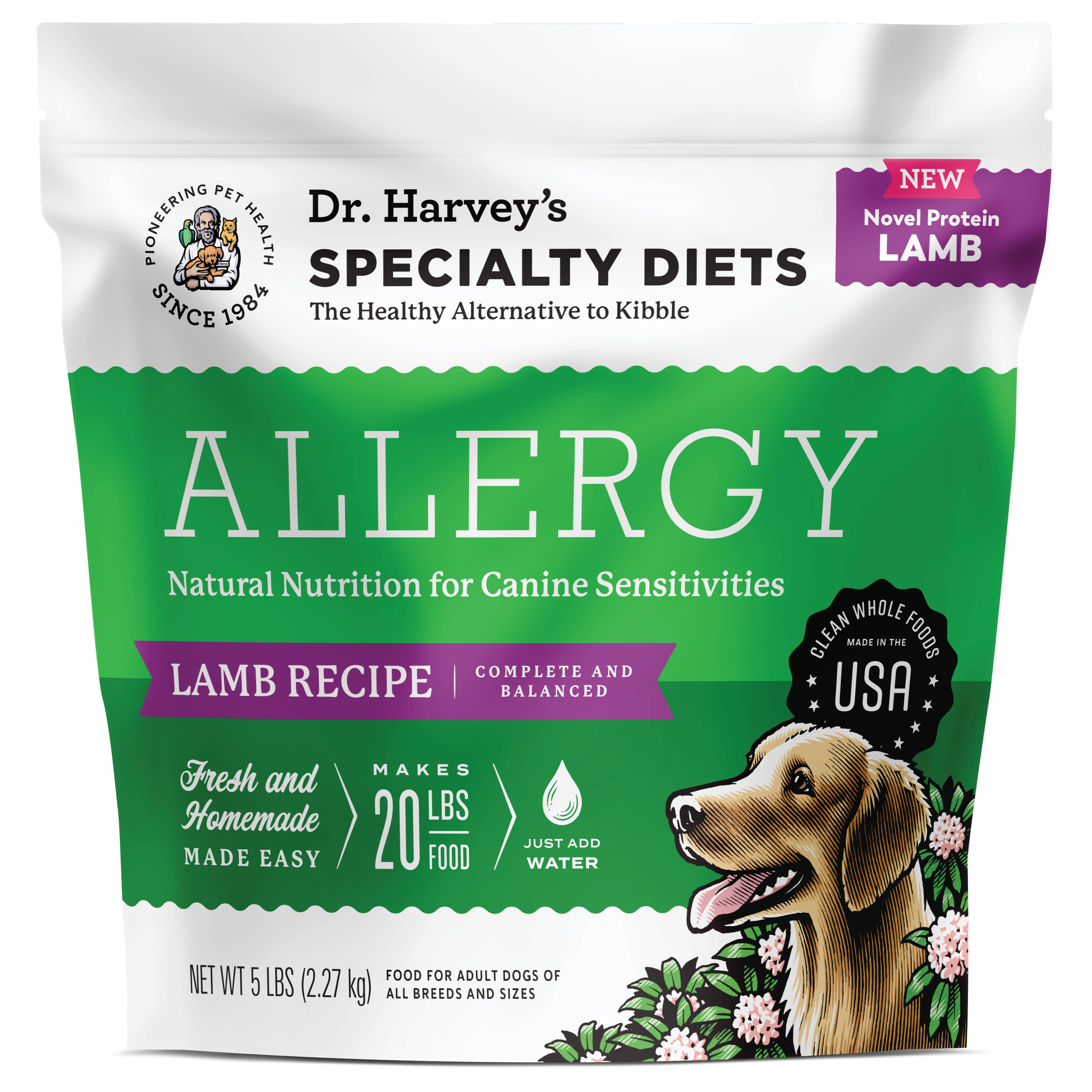
Novel protein formulas use proteins rare to most dog foods. Examples include duck, venison, or kangaroo. These proteins help dogs allergic to common meats like beef or chicken. Novel proteins reduce immune reactions and skin problems.
Grain-free Options
Grain-free dog foods remove wheat, corn, and soy. Grains can trigger allergies in some dogs. These options use alternative carbs like potatoes or peas. Grain-free foods support better digestion and less itching.
Best Brands For Allergy-prone Dogs
Choosing the right food for allergy-prone dogs is important. The best brands focus on gentle ingredients that reduce reactions. They use simple recipes without common allergens. This helps dogs stay healthy and comfortable. Quality matters most for sensitive pups.
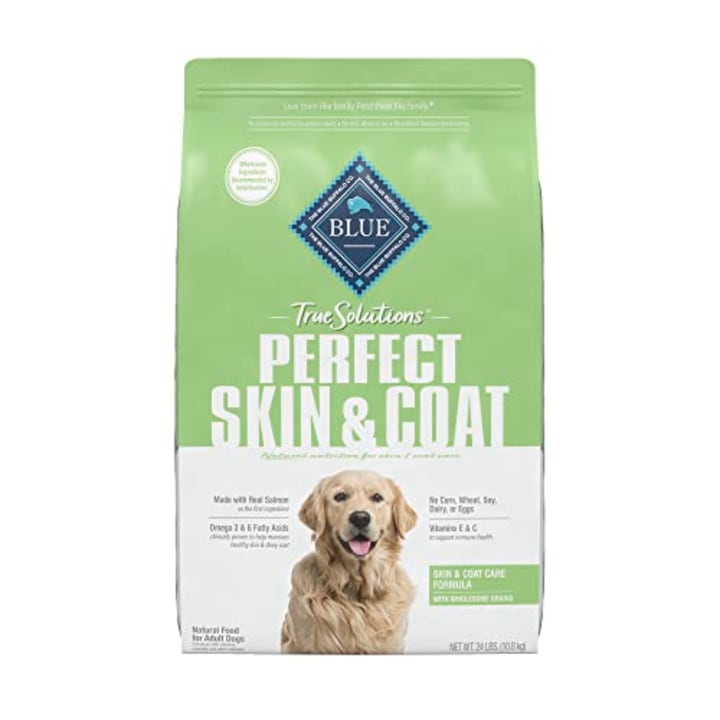
Brands that specialize in hypoallergenic dog food offer formulas with limited ingredients. These foods avoid wheat, soy, corn, and artificial additives. Many include novel proteins like duck or venison. This reduces the chance of an allergic response. Finding trustworthy brands ensures your dog gets safe nutrition.
Premium Hypoallergenic Choices
Top-tier brands provide high-quality hypoallergenic options. These foods often contain hydrolyzed proteins. Hydrolyzed means proteins are broken down to prevent immune reactions. Ingredients are carefully sourced and tested. They often include omega fatty acids for skin health. Brands like Hill’s Prescription Diet and Royal Canin lead in this area. Their formulas support sensitive digestion and allergies.
Budget-friendly Alternatives
Some brands offer affordable allergy-friendly foods. These use limited ingredients but cost less. They avoid common triggers and focus on simple proteins. Brands like Blue Buffalo Basics and Natural Balance offer good value. These foods help manage allergies without high prices. They suit owners who want quality on a budget.
Credit: www.signtrade.info
Homemade Hypoallergenic Recipes
Homemade hypoallergenic recipes offer a safe way to feed allergy-prone dogs. These recipes avoid common allergens like wheat, soy, and certain proteins. Making food at home lets you control every ingredient your dog eats. This control helps reduce allergic reactions and improves your dog’s health. Cooking for your dog can be simple and rewarding.
Simple Ingredients For Sensitive Dogs
Use fresh, single-protein sources like turkey, duck, or lamb. Choose vegetables such as sweet potatoes, carrots, or green beans. Avoid grains like corn and wheat that often cause allergies. Coconut oil and fish oil are good fats for skin health. Keep recipes free of artificial additives and preservatives. Simple ingredients help your dog’s digestion and reduce allergy risks.
Tips For Balanced Nutrition
Balance protein, fat, and carbohydrates for healthy growth. Include a variety of vegetables for vitamins and minerals. Add supplements like calcium or omega-3 if needed. Consult your vet before changing your dog’s diet. Monitor your dog’s weight and energy levels regularly. Balanced nutrition keeps allergy-prone dogs strong and active.
Transitioning To New Dog Food
Changing your dog’s food can be tricky. Allergy-prone dogs need extra care during this time. A slow and careful switch helps avoid stomach problems. It also helps your dog accept the new food better. Follow a clear plan to make the change smooth.
Step-by-step Guide
Start by mixing 25% new food with 75% old food. Keep this ratio for three days. Then, change to 50% new and 50% old food for three days. Next, use 75% new food and 25% old food for three days. Finally, feed only the new food. This gradual change helps your dog’s stomach adjust.
Monitoring Your Dog’s Response
Watch your dog closely during the transition. Check for itching, redness, or swelling. Notice any vomiting or diarrhea. Track energy and appetite levels each day. If problems appear, slow down the transition or stop. Consult your vet if symptoms continue. Early detection helps prevent bigger issues.
When To Consult A Vet
Knowing when to consult a vet is very important for dogs with allergies. Allergies can cause discomfort and health problems. Early vet advice helps manage symptoms well. It also prevents the condition from getting worse.
Some allergy signs need professional attention right away. A vet can find the cause and suggest the best treatment. This keeps your dog happy and healthy.
Signs That Need Professional Help
Watch for constant itching or scratching. Red, swollen skin or hair loss also signals trouble. If your dog has vomiting or diarrhea, seek help. Breathing problems or swelling of the face need urgent care. These signs show allergies may be severe or worsening.
Allergy Testing And Diagnosis
Vets use tests to find allergy causes. Skin tests or blood tests are common methods. These tests identify specific allergens like food or pollen. Knowing the exact cause helps choose the right dog food. Proper diagnosis improves treatment success and comfort for your dog.
Frequently Asked Questions
What Ingredients Are Best For Allergy-prone Dogs?
Hypoallergenic ingredients like novel proteins, sweet potatoes, and rice reduce allergy risks. Avoid common allergens such as beef, dairy, and wheat for sensitive dogs.
How To Identify Food Allergies In Dogs?
Watch for symptoms like itching, redness, ear infections, or digestive issues. A vet can perform tests to confirm food allergies and recommend suitable diets.
Are Grain-free Dog Foods Better For Allergies?
Grain-free diets can help if your dog is allergic to grains. However, not all grain-free foods suit every dog, so consult your vet first.
Can Homemade Diets Help Allergic Dogs?
Yes, homemade diets allow control over ingredients. Use vet-approved recipes to avoid nutrient deficiencies and manage your dog’s allergies effectively.
Conclusion
Choosing the right food helps your dog feel healthy and happy. Allergy-prone dogs need gentle ingredients to avoid reactions. Focus on simple recipes with limited ingredients. Always check labels to avoid common allergens. Consult your vet for personalized advice and guidance.
Watch your dog’s response to new foods closely. Good nutrition supports a strong immune system and better life. Careful food choices make a big difference every day. Your dog deserves the best diet for comfort and health.


