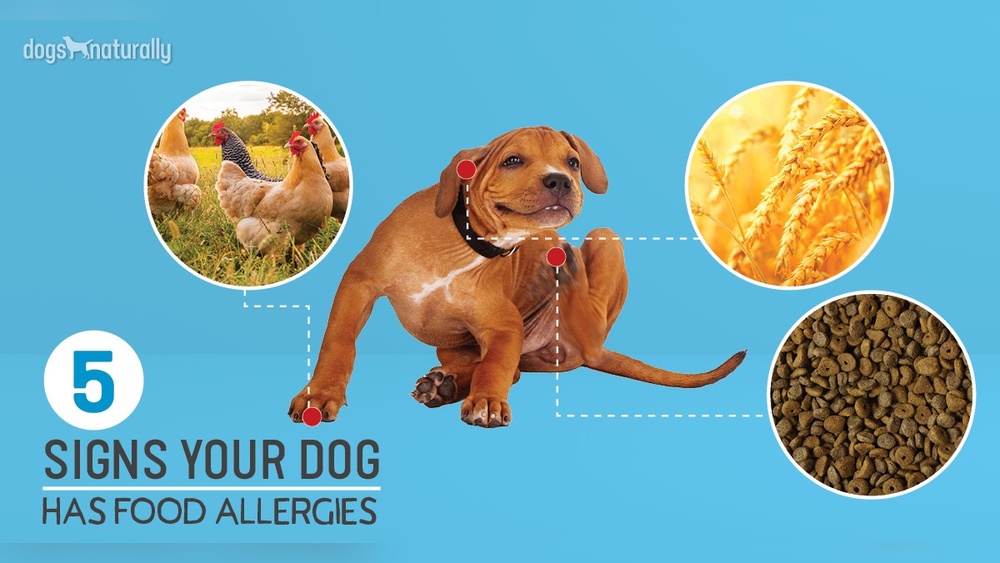
If your dog struggles with allergies and frequent ear infections, you know how frustrating it can be to see them uncomfortable and restless. What if the right dog food could help ease those problems and make your furry friend feel better?
Choosing the best dog food for allergies and ear infections isn’t just about nutrition—it’s about improving your dog’s quality of life. You’ll discover simple, effective options that target these issues and help your dog stay happy and healthy. Keep reading to find the solution your dog deserves.

Credit: omshanti.cat
Causes Of Allergies And Ear Infections
Allergies and ear infections often affect dogs together. Allergies cause skin problems and swelling. This swelling can block the ear canal. Blocked ears trap moisture and dirt. This creates a perfect place for infections to grow. Understanding the causes helps in choosing the right dog food. It also helps in preventing these health issues.
Common Allergens In Dogs
Many things cause allergies in dogs. Food ingredients like beef, chicken, or dairy often cause reactions. Environmental allergens include pollen, dust mites, and mold. Flea bites also trigger allergic reactions. Some dogs react to chemicals in cleaning products or shampoos. Identifying the allergen is the first step to relief.
How Allergies Trigger Ear Infections
Allergies cause inflammation in the skin and ears. This inflammation makes the ear canals swell. Swollen ears trap wax and moisture. This creates a warm, dark place for bacteria and yeast. These germs multiply quickly, causing an ear infection. Allergies weaken the dog’s natural defense against infections.
Symptoms To Watch For
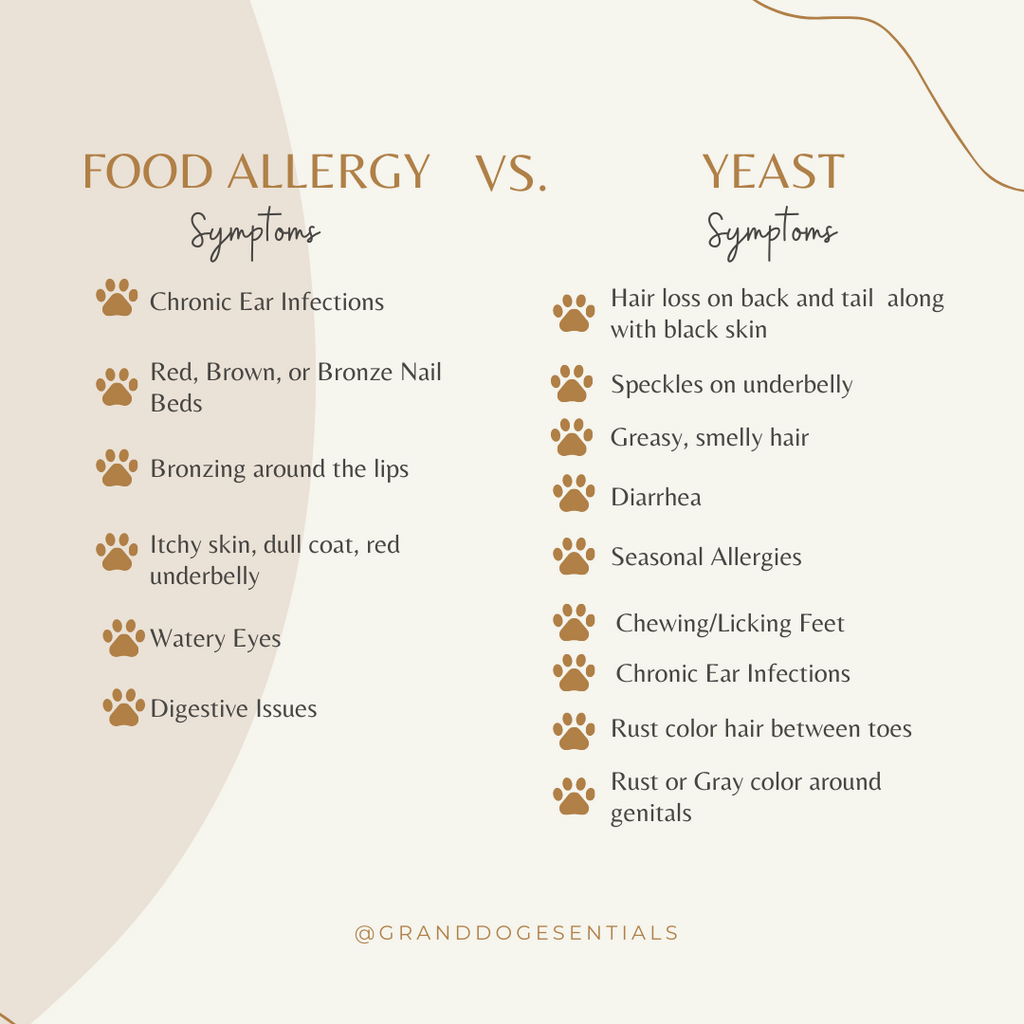
Scratching the ears often signals allergy problems. Red, swollen ears are common signs. Dogs may shake their heads a lot. A bad smell from the ears means infection. Watch for dark discharge or crusting. Early detection can prevent serious ear infections.
:strip_icc()/Spruce-best-dog-food-for-allergies-4173781-024027f06d344cd8acf7267d38694fa3.jpg)
Credit: www.thesprucepets.com
Key Ingredients For Allergy Relief
Choosing the right ingredients in dog food helps manage allergies and ear infections. Certain ingredients reduce inflammation and soothe irritated skin. These key elements support overall health and comfort for your dog.
Understanding what to look for in dog food can make a big difference. Focus on simple, gentle ingredients that do not trigger allergic reactions.
Limited Ingredient Diets
Limited ingredient diets use fewer ingredients to reduce allergy risks. They avoid common allergens like wheat, corn, and soy. This helps identify and eliminate foods causing reactions. These diets often use a single protein source. Less variety means fewer chances of allergic reactions.
Hypoallergenic Proteins
Hypoallergenic proteins come from novel or hydrolyzed sources. Novel proteins like duck, venison, or rabbit are less common. Dogs rarely develop allergies to them. Hydrolyzed proteins are broken down into tiny pieces. The immune system does not recognize them as allergens. These proteins help reduce ear infections linked to allergies.
Essential Fatty Acids
Essential fatty acids like omega-3 and omega-6 support healthy skin and coat. They reduce inflammation and help heal irritated areas. Fish oil and flaxseed are good sources of these fats. Balanced fatty acids improve skin barrier function. This lowers the chance of infections and itching.
Top Dog Food Brands For Allergies
Finding the right dog food helps manage allergies and ear infections. Choosing good brands can improve your dog’s health and comfort. Some brands focus on hypoallergenic ingredients, reducing reactions and skin problems. Others balance cost and quality for daily feeding. Understanding grain-free and grain-inclusive options helps pick the best food for your dog’s needs.
Premium Hypoallergenic Options
These dog foods use limited ingredients to avoid common allergens. They often include novel proteins like duck or venison. Brands such as Hill’s Prescription Diet and Royal Canin offer special formulas. These foods support skin health and reduce itching. They also help prevent ear infections linked to allergies.
Budget-friendly Choices
Affordable options still provide good nutrition for sensitive dogs. Look for brands like Natural Balance or Blue Buffalo Basics. These use simple recipes with fewer ingredients. They avoid artificial additives that can trigger allergies. Choosing these helps keep your dog healthy without overspending.
Grain-free Vs. Grain-inclusive
Grain-free foods remove wheat, corn, and soy, common allergens for some dogs. Grain-inclusive diets use whole grains like rice or oats, which can be easier to digest. Both types can work well depending on your dog’s reaction. Consult your vet to find the best fit for your dog’s allergies and ear health.
Homemade Diets And Supplements
Homemade diets and supplements offer a natural way to help dogs with allergies and ear infections. Making food at home lets you control ingredients and avoid allergens. Supplements can boost skin and ear health, reducing irritation and infections. Careful planning ensures your dog gets all needed nutrients for healing and comfort.
Diy Recipes For Sensitive Dogs
Simple recipes use fresh, limited ingredients. Lean meats like turkey or chicken work well. Add rice or sweet potatoes for easy digestion. Avoid common allergens like wheat, corn, and soy. Fresh vegetables like carrots and green beans provide vitamins. Prepare food in small batches to keep it fresh. Homemade meals help identify foods that cause reactions.
Supplements To Support Skin And Ears
Omega-3 fatty acids reduce inflammation and support skin health. Fish oil capsules or liquid are good sources. Probiotics improve digestion and immune response. Vitamin E helps protect skin cells. Zinc supports healing and prevents infections. Always use supplements made for dogs. Correct doses matter to avoid side effects.
Consulting A Vet For Custom Plans
A vet can guide safe homemade diets and supplement use. They check your dog’s health and allergies. Vets may recommend allergy tests or special formulas. Custom plans meet your dog’s unique needs. Regular check-ups track progress and adjust diets. Professional advice prevents nutritional gaps or harm.
Feeding Tips For Managing Ear Infections
Feeding the right food plays a key role in managing your dog’s ear infections. Good nutrition supports the immune system and reduces allergic reactions. Careful feeding helps ease symptoms and prevents flare-ups.
Choosing the best dog food for allergies and ear infections requires attention and patience. Follow these feeding tips to keep your dog healthy and comfortable.
Transitioning To New Food
Switch your dog to new food slowly over 7 to 10 days. Mix a small amount of new food with the old food at first. Gradually increase the new food while decreasing the old food. This helps avoid stomach upset and food refusal. Watch your dog’s behavior during this time.
Monitoring Food Reactions
Observe your dog closely after changing food. Look for signs like itching, redness, or swelling around the ears. Note any vomiting or diarrhea. Keep a daily food diary to track changes. If symptoms worsen, stop the new food and consult your vet. Early detection helps manage allergies effectively.
Maintaining Overall Ear Health
Feed a balanced diet rich in omega-3 and antioxidants. These nutrients support skin and ear health. Avoid foods with common allergens like grains or artificial additives. Provide fresh water at all times. Regular grooming and ear cleaning also protect against infections. Healthy ears start with good food and care.
Credit: granddog.ca
Frequently Asked Questions
What Dog Food Ingredients Cause Ear Infections?
Common allergens like wheat, corn, soy, and dairy often trigger ear infections. Protein sources like beef or chicken can also cause reactions. Choosing limited-ingredient or hypoallergenic dog food helps reduce allergy risks and ear infections effectively.
How To Choose Dog Food For Allergy-related Ear Infections?
Look for grain-free, limited-ingredient, or hypoallergenic dog foods. These reduce exposure to common allergens. Consult your vet to identify specific triggers. A diet rich in omega-3 fatty acids supports skin health and prevents infections.
Can Diet Improve My Dog’s Ear Infection Symptoms?
Yes, changing to an allergen-free diet can reduce inflammation and itching. This helps heal ear infections faster. Consistent feeding of suitable dog food improves overall ear health and prevents future infections.
Are Grain-free Dog Foods Better For Allergic Dogs?
Grain-free dog foods eliminate common allergens like wheat and corn. They often contain alternative carbs like sweet potatoes. Many allergic dogs show fewer symptoms and ear infections on grain-free diets, but always vet-check before switching.
Conclusion
Choosing the right dog food can ease allergy symptoms and reduce ear infections. Foods with limited ingredients often help sensitive dogs feel better. High-quality proteins and grains may lower allergic reactions. Watch your dog’s health closely after changing food. Consult your vet for advice tailored to your pet.
Good nutrition supports your dog’s comfort and happiness. Simple changes can make a big difference in their well-being. Healthy food means fewer infections and happier ears. Keep your dog’s diet clean and balanced every day.