If your dog is constantly scratching or showing signs of allergies, you know how frustrating it can be—for both of you. Finding the best dog food for allergies and itching is key to helping your furry friend feel comfortable and happy again.
But with so many options out there, how do you choose the right one? This guide will help you understand what to look for and how to pick a dog food that soothes your pet’s skin and reduces those annoying symptoms.
Keep reading to discover the simple changes that can make a big difference for your dog’s health and happiness.
)
Credit: lyka.com.au
Causes Of Dog Allergies
Dogs can suffer from allergies that cause itching and discomfort. These allergies come from different sources. Understanding what causes these reactions helps in choosing the best dog food for allergies and itching. Knowing the cause can reduce symptoms and improve your dog’s health.
Common Allergens In Dog Food
Many dogs react to certain ingredients in their food. Common allergens include beef, chicken, dairy, wheat, and soy. Some dogs develop sensitivity to eggs or fish. These ingredients can cause skin problems and itching. Choosing hypoallergenic or limited ingredient diets can help reduce reactions.
Environmental Triggers
Allergies are not only from food. Dogs can react to pollen, dust mites, mold, and grass. These triggers cause itching, redness, and sneezing. Seasonal changes may worsen symptoms. Cleaning your dog’s environment can lower exposure to these allergens.
Genetic Factors
Some dog breeds have a higher risk of allergies. Genetics play a role in how dogs react to allergens. Breeds like Bulldogs, Retrievers, and Terriers often have skin allergies. Knowing your dog’s breed can help predict allergy risks. Early care can prevent severe problems.
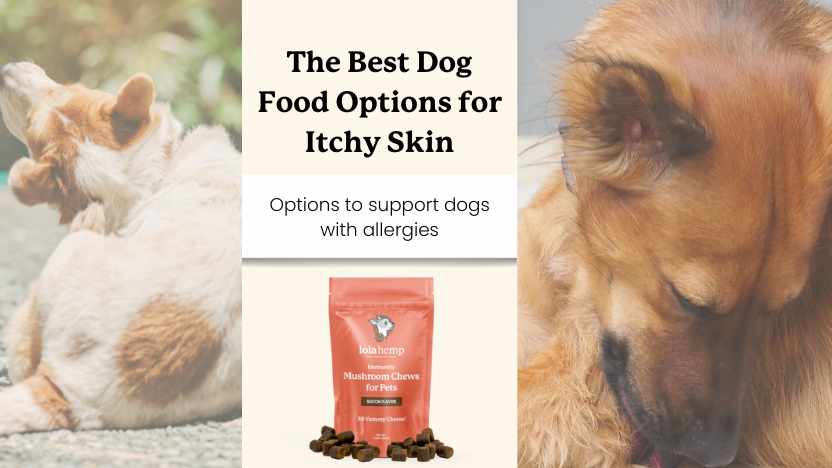
Credit: lolahemp.com
Symptoms Of Allergies And Itching
Allergies and itching in dogs can cause many uncomfortable symptoms. These signs often point to food allergies or environmental triggers. Recognizing these symptoms early helps in managing your dog’s health better. Watch your dog closely for any changes in behavior or skin condition.
Skin Irritations And Redness
Red, inflamed skin is a common allergy sign. You might see patches of dry or flaky skin. These areas often look sore and feel warm to touch. Allergic reactions can cause rashes that spread over time. The skin may become thick or dark in chronic cases.
Excessive Scratching And Biting
Dogs with allergies often scratch more than usual. They may bite or lick their paws and body frequently. This behavior can cause hair loss and wounds. Scratching worsens the irritation, making the skin more sensitive. Watch for constant rubbing against furniture or floors.
Ear Infections And Other Signs
Ear infections often accompany allergies. Look for redness, swelling, or a foul smell in the ears. Your dog might shake its head or scratch ears often. Other signs include watery eyes, sneezing, and coughing. Some dogs also show digestive issues like vomiting or diarrhea.
Key Ingredients To Avoid
Choosing the right dog food is important for pets with allergies and itching. Some ingredients can cause reactions and make symptoms worse. Avoiding these key ingredients helps keep your dog comfortable and healthy.
Common Allergenic Proteins
Many dogs are allergic to certain proteins. Beef, chicken, and dairy often cause problems. Fish and eggs can also trigger allergies. Using novel proteins like duck or venison may reduce itching.
Artificial Additives And Preservatives
Artificial colors, flavors, and preservatives can irritate sensitive skin. Chemicals like BHA, BHT, and ethoxyquin may cause allergic reactions. Choose foods with natural preservatives instead.
Grains And Fillers
Some dogs react to grains like wheat, corn, and soy. These ingredients add no real nutrition and can worsen itching. Grain-free dog food often helps reduce allergic symptoms.
Top Ingredients For Allergy Relief
Choosing the right ingredients in dog food can ease allergy symptoms and itching. Certain ingredients soothe the skin and reduce irritation. Understanding these key components helps pick the best food for sensitive dogs.
Novel Proteins And Limited Ingredients
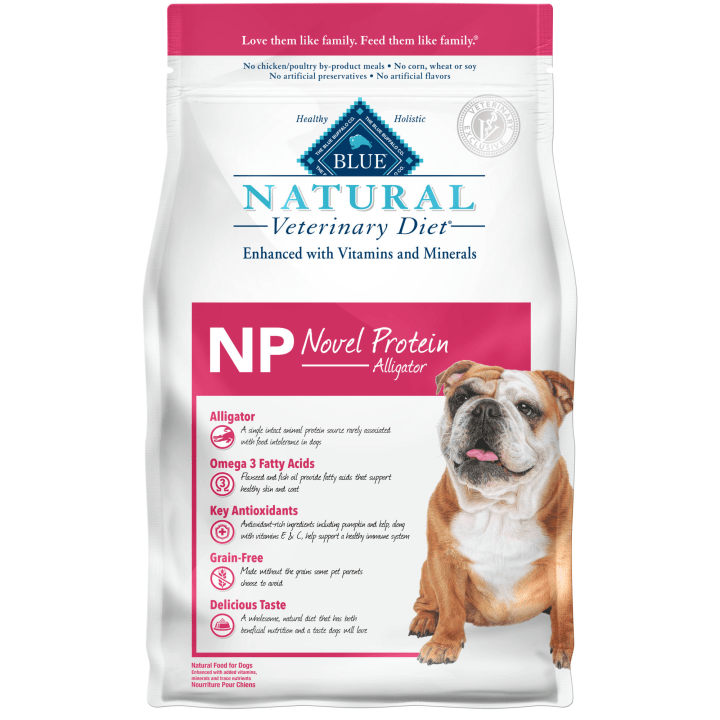
Novel proteins come from sources dogs rarely eat. Examples include duck, venison, or kangaroo. These proteins lower the chance of allergic reactions. Limited ingredient diets use fewer ingredients to avoid common allergens. This approach simplifies digestion and reduces skin problems.
Omega Fatty Acids And Skin Health
Omega-3 and Omega-6 fatty acids improve skin strength. They reduce dryness and inflammation in allergic dogs. These fats help repair the skin’s barrier. Foods rich in fish oil or flaxseed provide these essential nutrients.
Natural Anti-inflammatory Components
Ingredients like turmeric and chamomile calm inflamed skin. They lower redness and itching naturally. These components support the immune system. Including natural anti-inflammatories helps dogs feel comfortable faster.
Best Dog Food Options For Allergies
Choosing the best dog food for allergies helps reduce itching and discomfort. Dogs with allergies need gentle, simple ingredients. Foods with fewer ingredients lower the chance of reactions. Quality dog food supports skin health and boosts immunity. Here are top dog food options to consider for allergy relief.
Hypoallergenic Dog Food Brands
Hypoallergenic dog foods use special ingredients to avoid allergens. They often replace common proteins like chicken or beef with novel proteins. Examples include duck, venison, or fish. These foods limit the risk of allergic reactions. Many hypoallergenic brands also avoid common fillers and additives. This helps soothe sensitive stomachs and skin. These brands focus on easy digestion and balanced nutrition.
Grain-free And Limited Ingredient Diets
Grain-free diets remove wheat, corn, and soy. These grains can trigger allergies in some dogs. Limited ingredient diets use a few simple ingredients. This makes it easier to spot and avoid allergens. Both diets reduce the number of irritants. They often include one protein and one carbohydrate source. This simplicity helps reduce itching and skin problems. Many dogs show quick improvement on these diets.
Prescription Diets For Severe Allergies
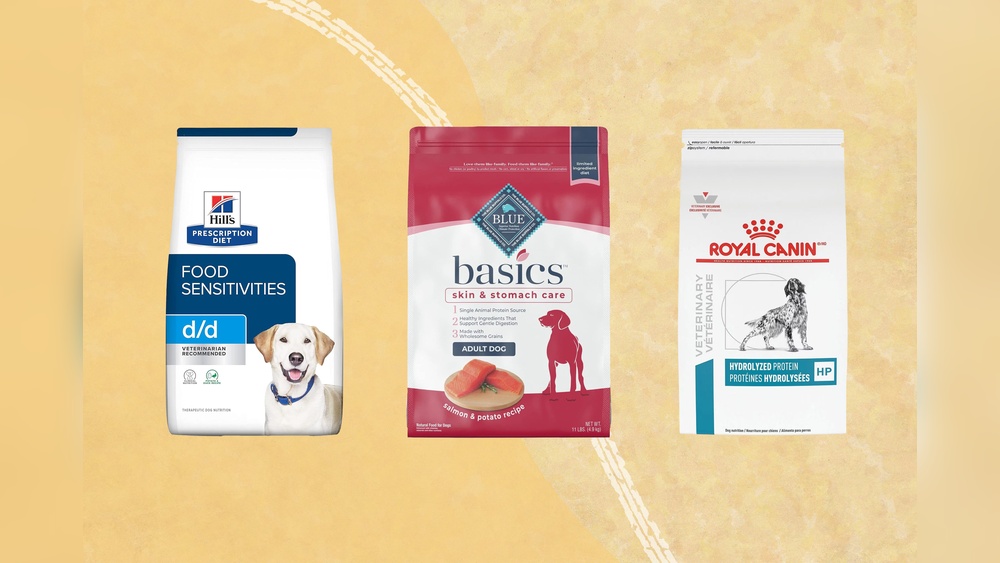
Prescription diets are made for dogs with serious allergies. Vets recommend these foods after allergy testing. They contain hypoallergenic or hydrolyzed proteins. Hydrolyzed proteins are broken down into tiny pieces. This stops the immune system from reacting. These diets also support skin healing and reduce inflammation. They require a vet’s approval and close monitoring. Prescription foods provide a safe option for sensitive dogs.
Tips For Transitioning Your Dog’s Diet
Changing your dog’s food needs care and patience. Sudden switches can upset their stomach. This section shares key tips for a smooth diet change. Following these steps helps reduce allergy and itching issues.
Gradual Food Introduction
Start by mixing 25% new food with 75% old food. Over seven days, increase new food amount slowly. Watch how your dog reacts to each change. This helps their digestive system adjust well.
Monitoring For Reactions
Check your dog’s skin and coat daily. Look for redness, itching, or unusual bumps. Also, watch for digestive changes like vomiting or diarrhea. Keep a journal to track any signs after each meal.
Consulting Your Veterinarian
Ask your vet before starting any new diet. They can suggest the best food for allergies and itching. Your vet might recommend allergy tests or special supplements. Always share your observations during vet visits.
Additional Allergy Relief Strategies
Dogs with allergies and itching need more than just special food. Other methods can help ease their discomfort and improve their skin health. These additional strategies work well alongside the best dog food for allergies. They focus on supporting the skin, keeping your dog clean, and managing their environment.
Supplements For Skin Support
Supplements can boost your dog’s skin health. Omega-3 fatty acids help reduce inflammation and itching. They come from fish oil or flaxseed oil. Vitamins like E and biotin also support skin repair. These supplements strengthen the skin barrier and improve coat shine. Always check with your vet before starting supplements.
Regular Grooming And Bathing
Keeping your dog clean helps control allergens and irritants. Use gentle shampoos made for dogs with sensitive skin. Regular grooming removes dirt, dead skin, and loose hair. This reduces itching and prevents flare-ups. Avoid over-bathing, which can dry out skin. Grooming also gives you a chance to check for any skin changes.
Environmental Management
Allergens often hide in your dog’s surroundings. Clean your home regularly to reduce dust and pollen. Wash your dog’s bedding often in hot water. Keep your yard free of weeds and mold. Limit your dog’s exposure to smoke and strong chemicals. These steps lower the chance of allergic reactions and itching.
Credit: www.milleringenuity.com
Frequently Asked Questions
What Ingredients Help Reduce Dog Allergies And Itching?
Ingredients like salmon, sweet potatoes, and pumpkin help reduce dog allergies. Limited ingredient diets often avoid common allergens like wheat or chicken. Omega-3 fatty acids soothe skin and reduce inflammation, easing itching effectively.
How To Choose The Best Dog Food For Allergies?
Choose dog food with limited, hypoallergenic ingredients tailored to your dog’s allergies. Look for grain-free, novel protein sources like duck or venison. Always check for added vitamins and omega fatty acids to support skin health.
Can Homemade Dog Food Relieve Allergy Symptoms?
Yes, homemade dog food allows control over ingredients, avoiding allergens. Use fresh, single-protein sources and avoid common triggers like dairy or soy. Consult a vet to ensure balanced nutrition that supports allergy relief and skin healing.
How Long Does It Take For Dog Food To Reduce Itching?
It usually takes 4 to 6 weeks to see improvement in itching. Consistent feeding of allergy-friendly food helps identify what works. Monitor your dog’s skin and behavior during this period for best results.
Conclusion
Choosing the right dog food helps reduce allergies and itching fast. Many dogs feel better with simple, natural ingredients. Avoid foods with common allergens like wheat or soy. Always check labels for hidden triggers. Watch your dog closely after changing food.
A healthy diet supports their skin and coat. Keep your pet happy and comfortable every day. Good food makes a big difference in their life. Take time to find what suits your dog best. Your dog deserves relief and care through proper nutrition.